The full story
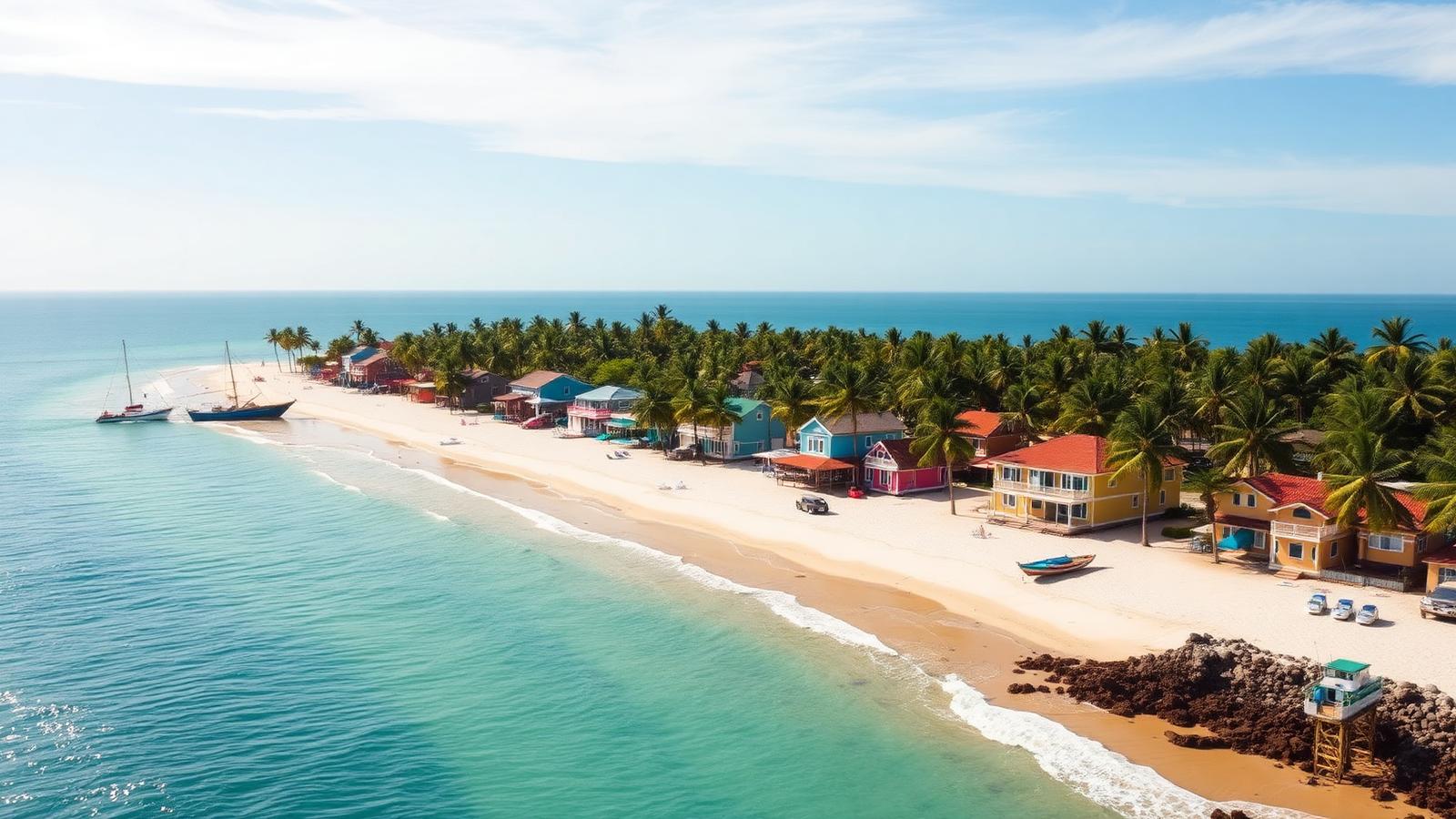
Bayahibe began as a fishing village founded by families from Puerto Rico in the 1870s, and despite the resorts that grew up along the bay it still feels like one. This 70-square-metre casita sits three streets back from the water on a quiet lane of brightly painted concrete houses — turquoise, mango and coral — with a shaded front terrace, two bedrooms, one bathroom, an open kitchen-living room and a small walled yard with a lime tree and space for a rinse shower.
Construction is solid poured concrete with a flat roof, the standard build for this hurricane-exposed coast, and the interior has been kept simple: tiled floors, louvred windows for cross-breeze, ceiling fans and a split unit in the main bedroom. Water comes from a rooftop cistern and the property is on mains power with a small inverter and battery bank to cover the utility's occasional outages — a normal and inexpensive arrangement in the Dominican Republic.
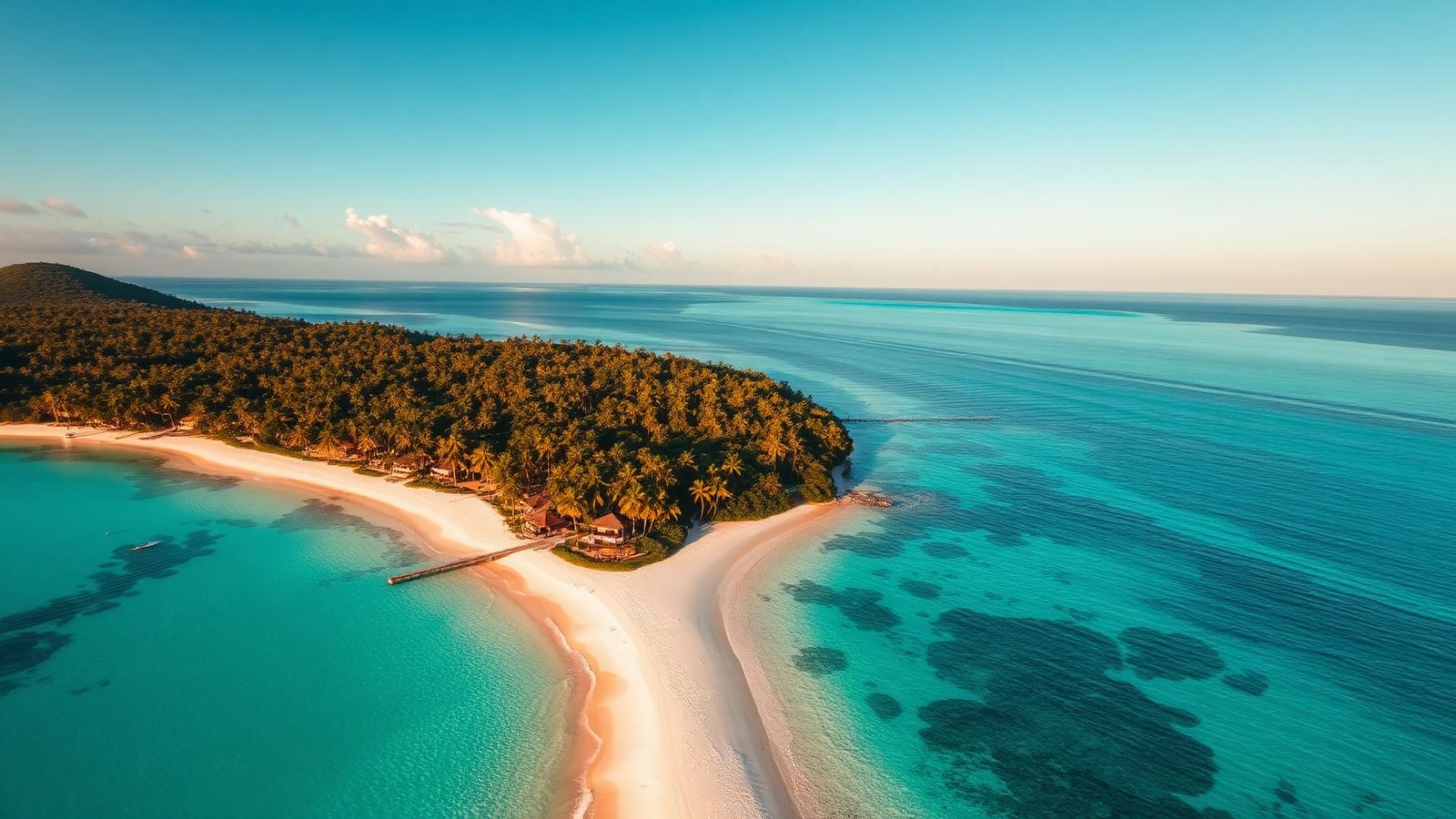
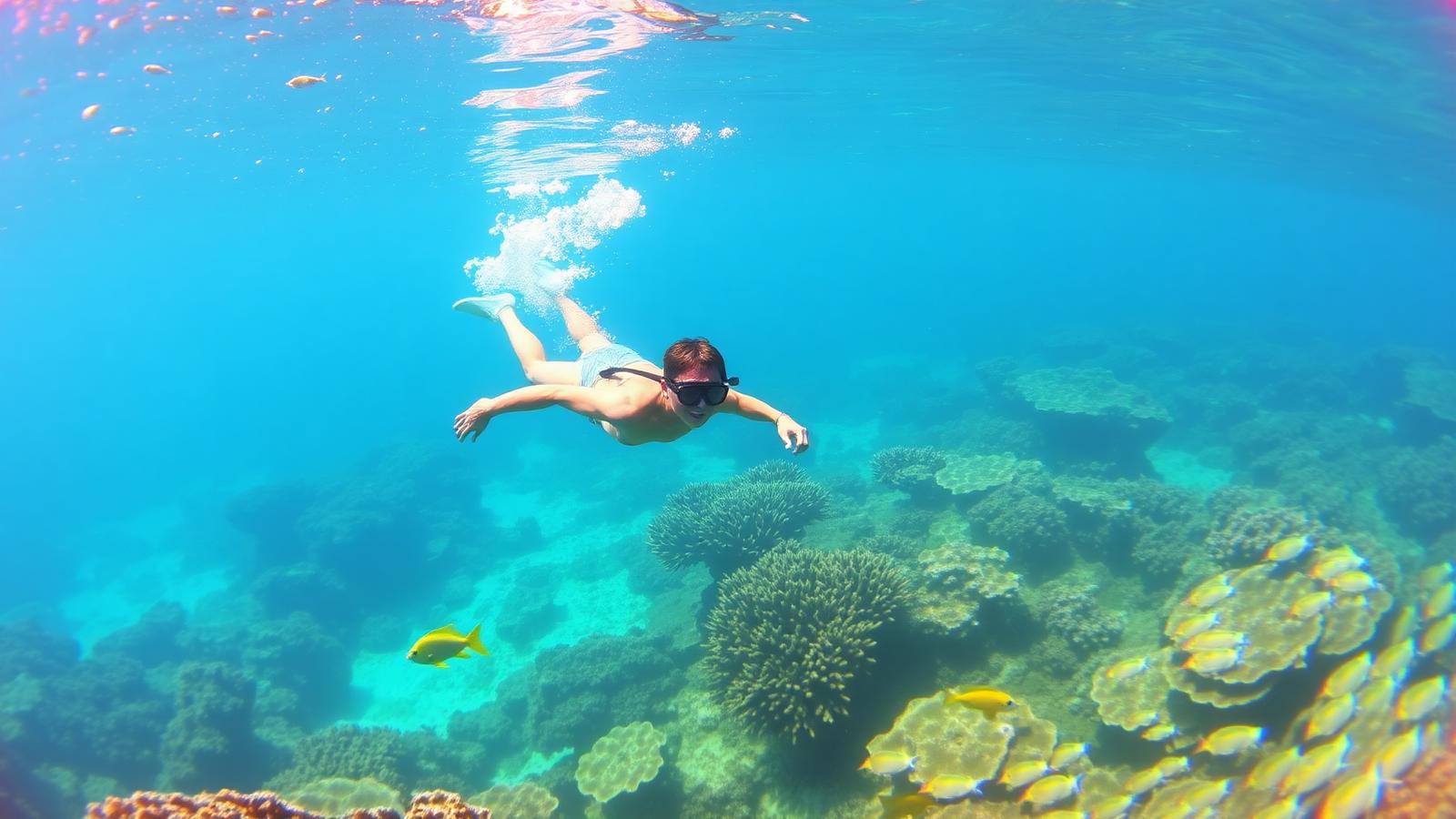
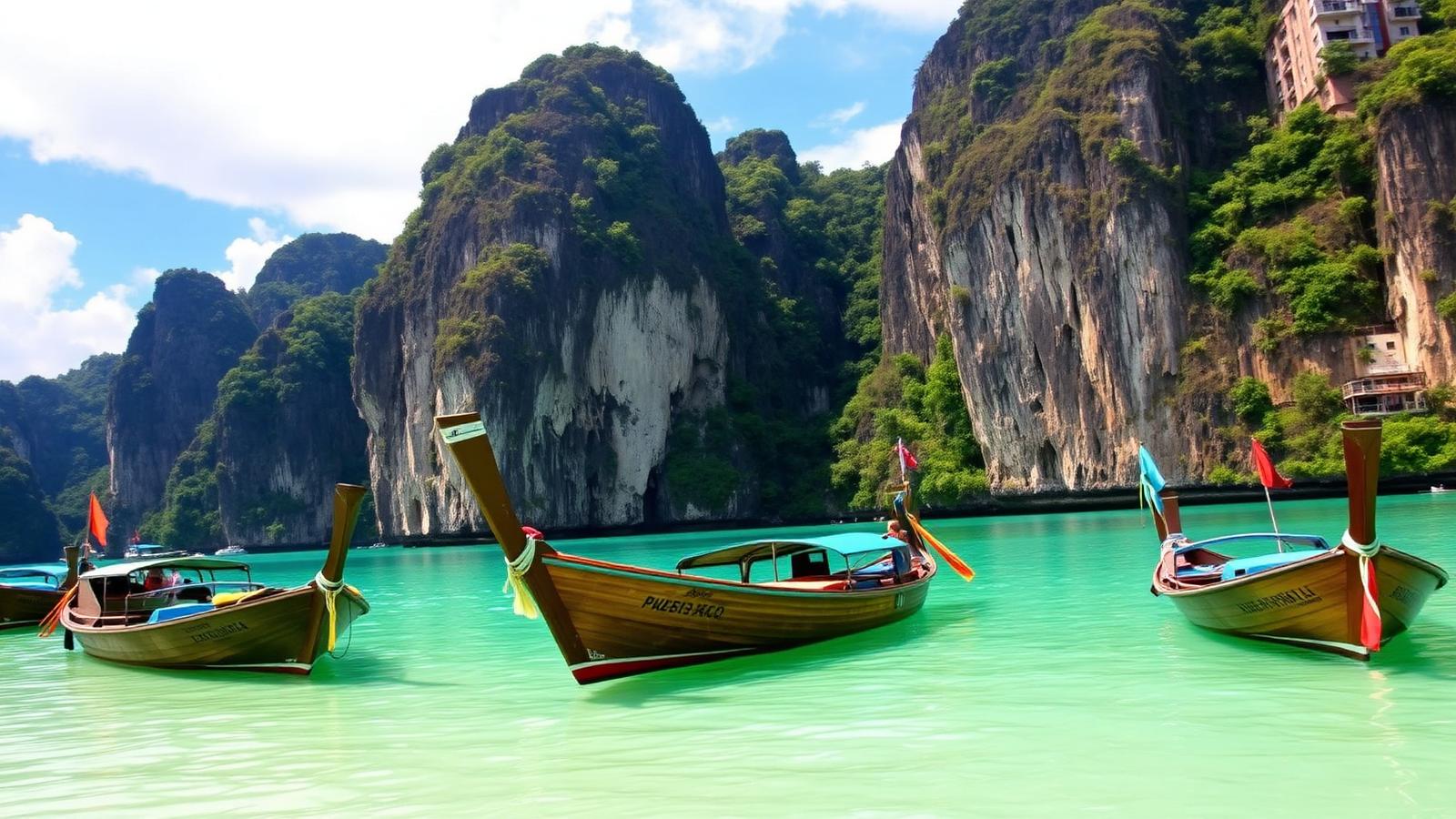
Bayahibe's appeal is the water. The village bay is calm, shallow and warm all year, protected by the Parque Nacional Cotubanamá headland, and the sand is fine and pale. Wooden pangas leave the pier every morning for Isla Saona and Isla Catalina, two of the most photographed sandbars in the Caribbean, and the reef wall offshore is the country's best diving — several PADI schools operate from the village itself, so certification is cheap and easy here. Snorkelling starts directly off Playa Dominicus, a fifteen-minute walk east along a beach path.
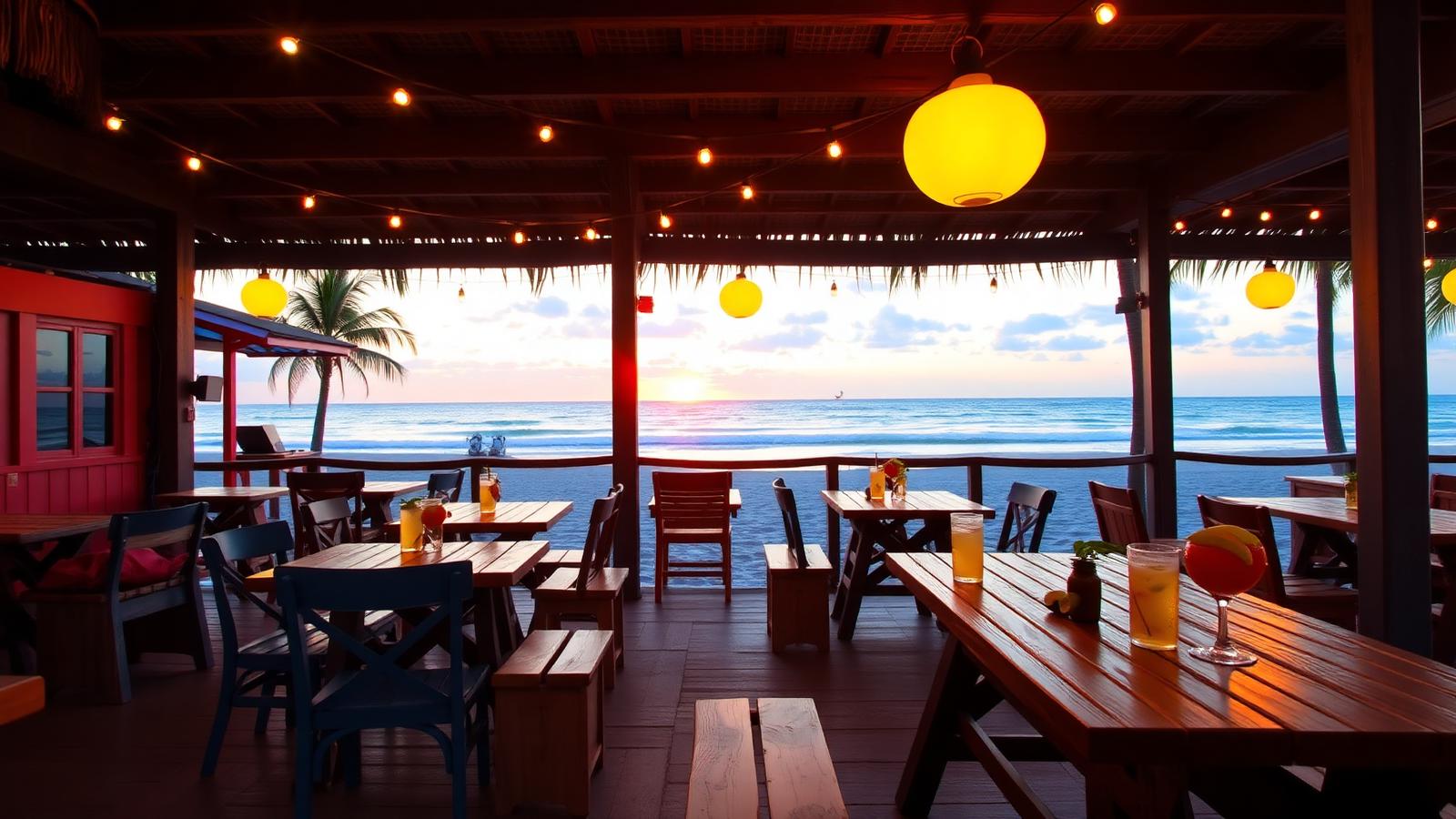
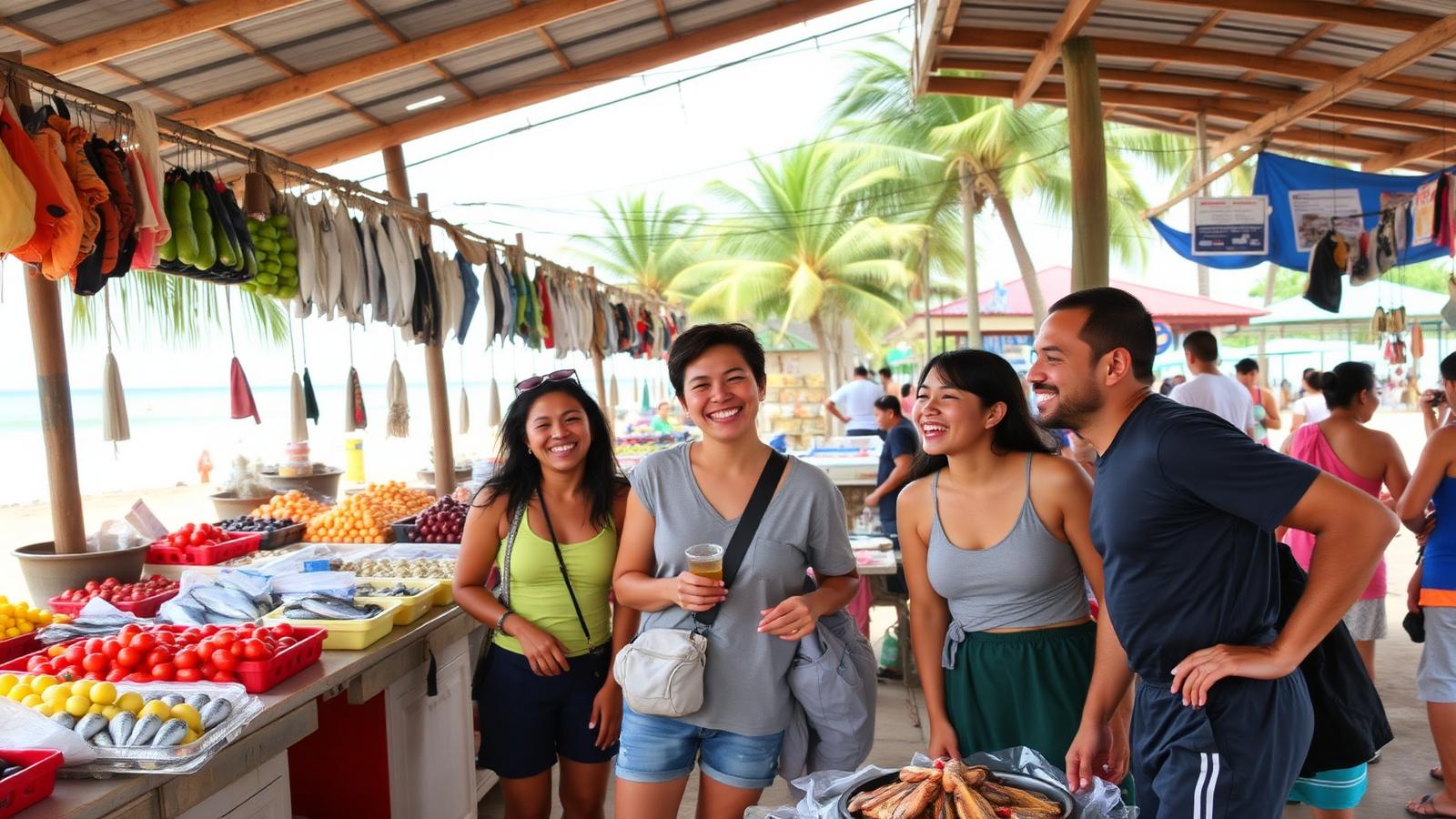
Day-to-day life is walkable. The village has a colmado on nearly every corner for basics, a fish market at the pier where the catch is sold straight off the boats, a bakery and half a dozen family-run comedores serving pescado frito, mofongo and cold Presidente for a few hundred pesos. For a full supermarket, hardware, pharmacies and banks, La Romana is 20 minutes west by car or by public guagua van, which runs along the highway every fifteen minutes for pocket change.
Getting here is unusually simple for a Caribbean village. La Romana International Airport (LRM) is 25 minutes away with seasonal direct flights from North America and Europe, and Punta Cana (PUJ), the region's main hub, is an hour and ten minutes on good highway. Santo Domingo is roughly two hours west on the Autovía del Este toll road, which makes long-weekend ownership realistic for people based in the capital.
Foreigners buy freehold in the Dominican Republic on exactly the same terms as citizens — no trusts, no nominee structures, no residency requirement. The purchase runs through a local abogado who checks the title at the Registro de Títulos, and buyers should insist on a deslinde (a modern surveyed title) rather than an older unsurveyed one. Transfer tax is 3% of the assessed value, annual property tax (IPI) is 1% only on value above a generous threshold, so most homes at this price pay nothing. Budget roughly 4–5% of the purchase price in total closing costs.
The trade-offs are honest ones. This is a hot, humid coast where salt air is hard on metalwork and appliances, so an annual maintenance budget matters. Hurricane season runs June to November and insurance is worth carrying. Village Spanish is the working language and English is common only in the dive shops and hotels. And while Bayahibe is one of the safest, most relaxed corners of the country, it is a small place — nightlife means a beach bar and a domino table, not clubs.
For a buyer who wants warm water, world-class diving, a genuine village and an international airport within half an hour, very little in the Caribbean competes at this price.
Around the property
🏝️ The beach
Sheltered village bay in a national park
- Sand
- Fine pale sand, very gentle entry
- Water
- Calm, warm turquoise, reef wall offshore
🍽️ Eat & drink nearby
- ·Comedores serving pescado frito at the pier
- ·Bayahibe beach bars and pizzerias
- ·Playa Dominicus beachfront restaurants
🛍️ Shops & markets
- ·Village colmados for daily basics
- ·Fish market at the pier
- ·Supermarkets and hardware in La Romana (20 min)
✈️ Getting there
- ·La Romana Intl Airport (LRM) — 25 min
- ·Punta Cana Intl (PUJ) — 1 h 10 min
- ·Guagua vans to La Romana every 15 min
- ·Santo Domingo — 2 h by toll highway
🏄 Things to do
- ·Scuba diving on the Cotubanamá reef wall
- ·Day boat to Isla Saona sandbars
- ·Snorkelling off Playa Dominicus
- ·Kayaking the Chavón river