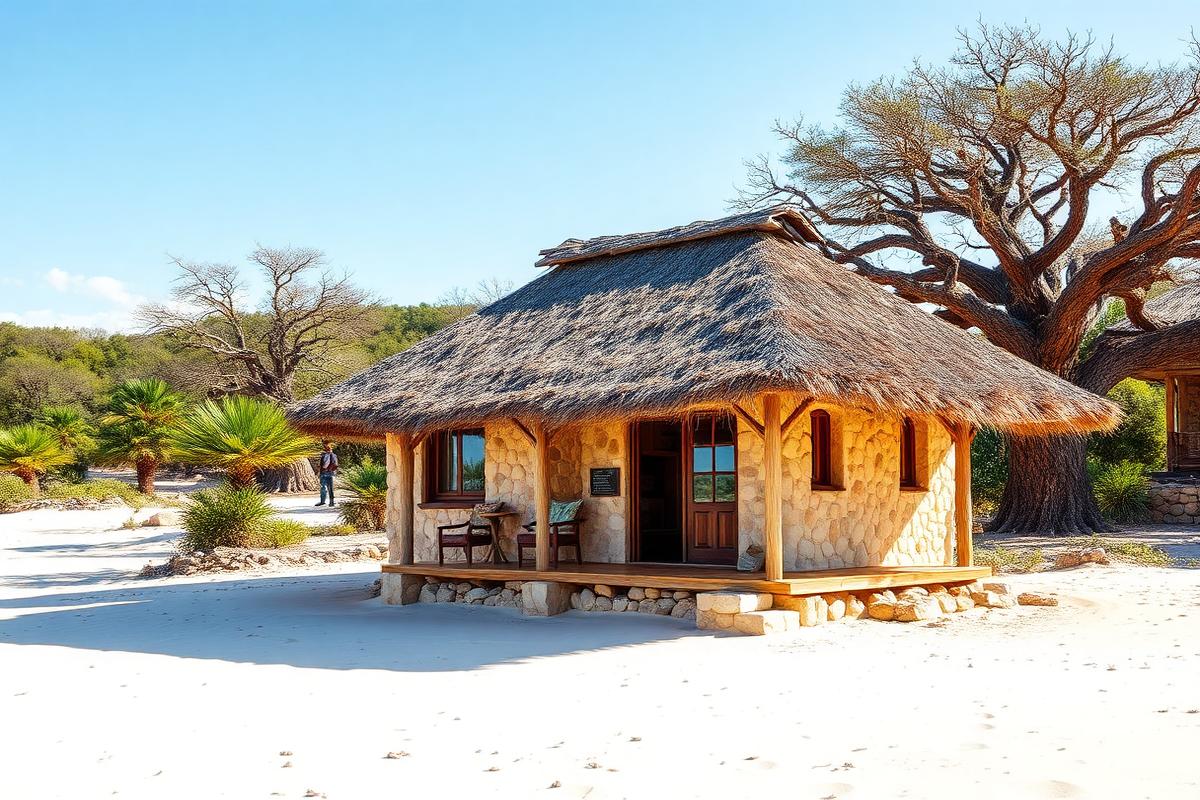
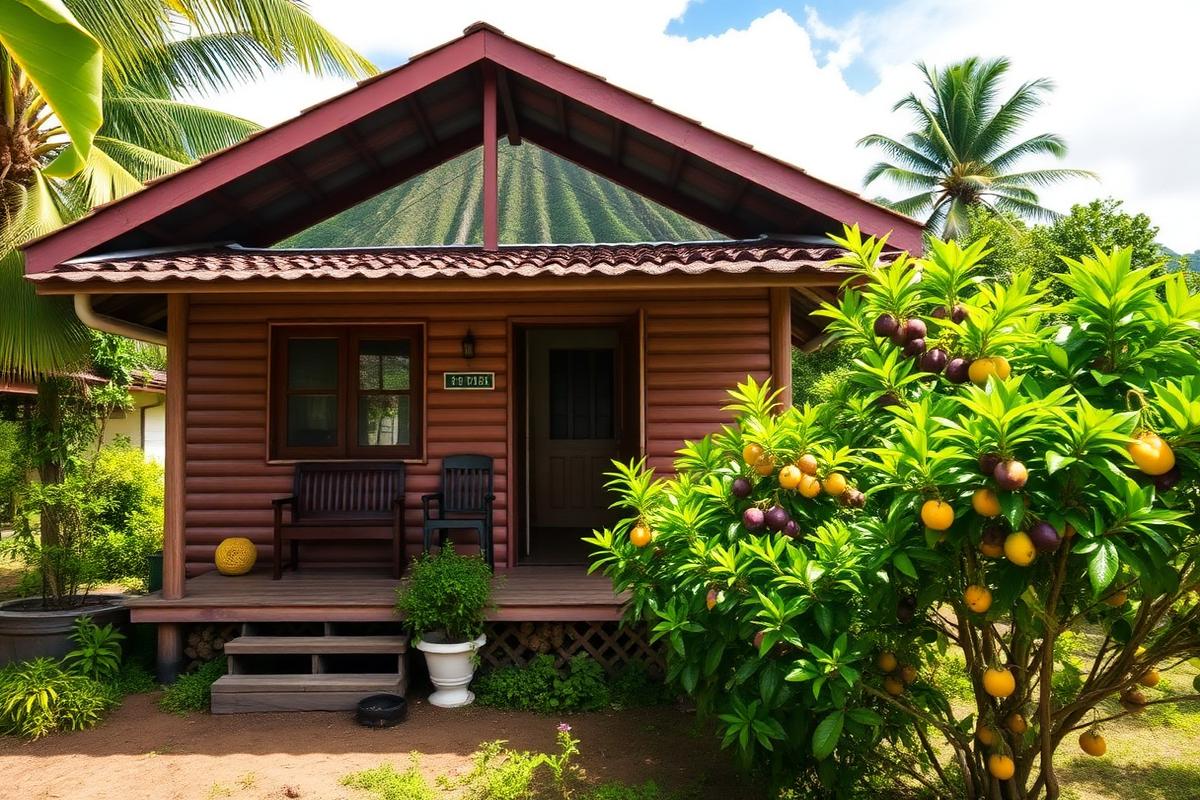
A beach house that pays its own way is a specific product: small, walkable to the sand, low-maintenance, and in a town with more than one reason to visit. Here is how to buy that, instead of buying a holiday home and hoping.
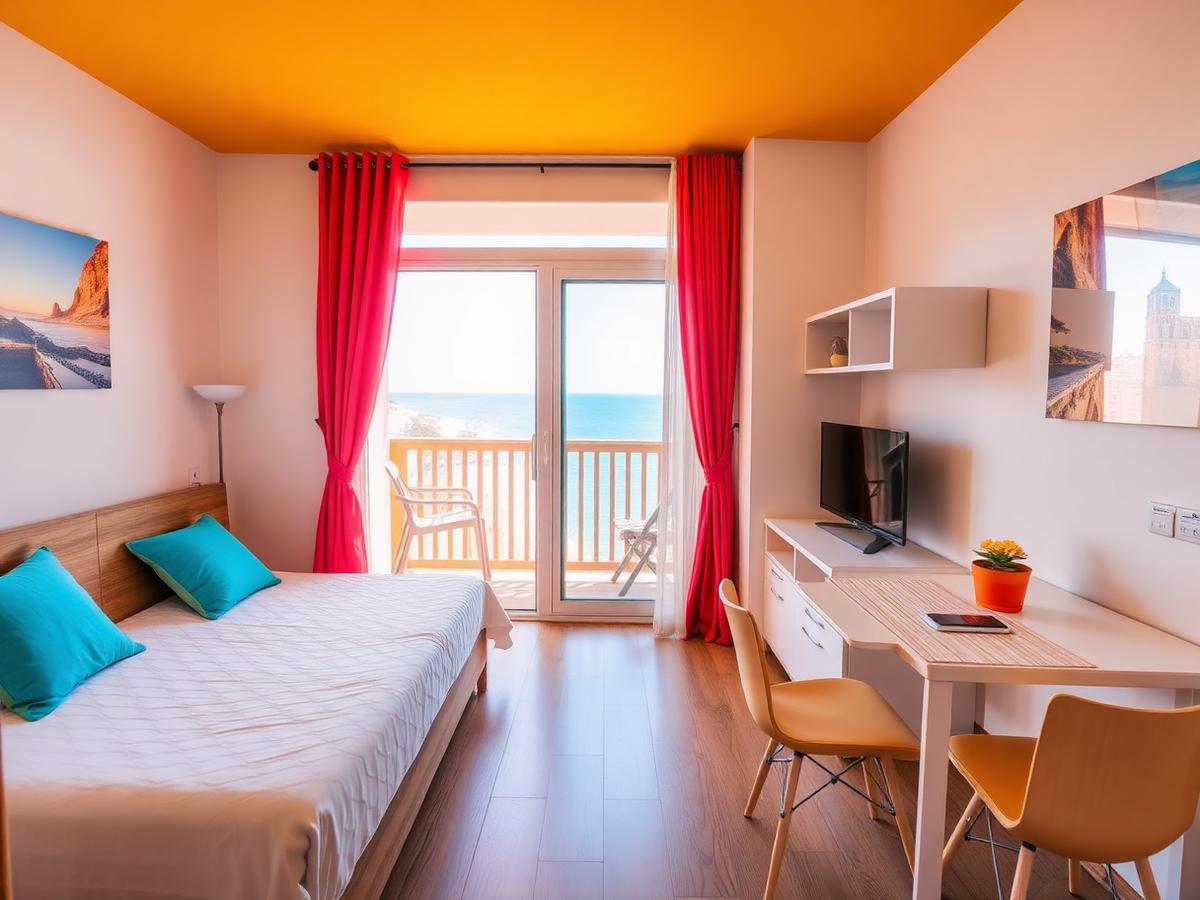
The mistake almost every first-time buyer makes is choosing the property they want to live in and then trying to rent it. Owner-taste homes — big, remote, personal, three bedrooms up a dirt track — rent badly. Renter-taste homes are boring by comparison: one or two bedrooms, within a ten-minute walk of both the beach and a café strip, air conditioned, tiled, easy to clean, and forgiving of hard use.
Size is the highest-leverage decision. Two one-bedroom units almost always out-earn one three-bedroom house at the same purchase price, because they fill more nights of the year and you can renovate or lose one without losing all income. If the plot allows a second small unit, that flexibility is worth paying for.
Step 1 — Pick the town before the house
Score candidate towns on four things: length of season, flight access, a second demand source beyond tourism (a university, a port, a digital-nomad scene, a domestic weekend market), and existing short-let supply you can benchmark against. A town with zero listings on rental platforms is not an untapped opportunity; it is usually a town with no demand.
Domestic demand matters more than international demand in cheap markets. Brazilian, Mexican, Vietnamese and Turkish coastal towns fill their weekends with local families all year, which smooths the calendar in a way that fly-in tourism never does.
Step 2 — Model it honestly
Take the median nightly rate of comparable listings in the town, multiply by 128 nights (35% occupancy, a conservative real-world figure for a well-run coastal let), and subtract 30–40% for management, cleaning, platform commission, utilities, repairs and local tax. What remains is your realistic net. Divide by the all-in purchase cost to get your true yield. If it does not clear 4% on those inputs, the deal only works if you also want to use it.
Then stress it: what happens at 20% occupancy, or if the currency moves 25% against you, or if the local authority introduces short-let licensing? Coastal towns from Lisbon to Bali have all tightened rules in the last few years. Buying somewhere licensing already exists and is obtainable is safer than buying somewhere it does not exist yet.
Step 3 — Set up remote management
Assume you will not be there. You need a local manager or co-host (typically 15–25% of gross, or 10–12% plus cleaning charged to guests), a cleaner with a spare key, a plumber and an electrician on WhatsApp, and smart locks so nobody has to meet a 2 a.m. arrival. Pay slightly above the local rate for the manager; the difference is trivial against one bad month of reviews.
Build a maintenance fund from day one — 15% of net rent, ring-fenced. Salt air means an air-conditioner every 4–6 years, an exterior repaint every 3–5, and hardware replaced far more often than inland. Owners who skip this fund discover it as a crisis instead of a line item.
The rental-income buying checklist
🚶 Under a 10-minute walk to sand. The single biggest driver of nightly rate.
🛏️ 1–2 bedrooms, sleeps 4. The most-booked configuration almost everywhere.
❄️ Air conditioning and reliable water. Two most common causes of bad reviews.
📶 Fast internet. Unlocks month-long remote-worker bookings out of season.
📝 Check short-let licensing and any building/HOA restrictions before offering.
🏦 Open a local bank account early — payouts and bills are far simpler.
Rental-ready listings — walkable to the sand
Homes within 300 metres of the beach, cheapest first.
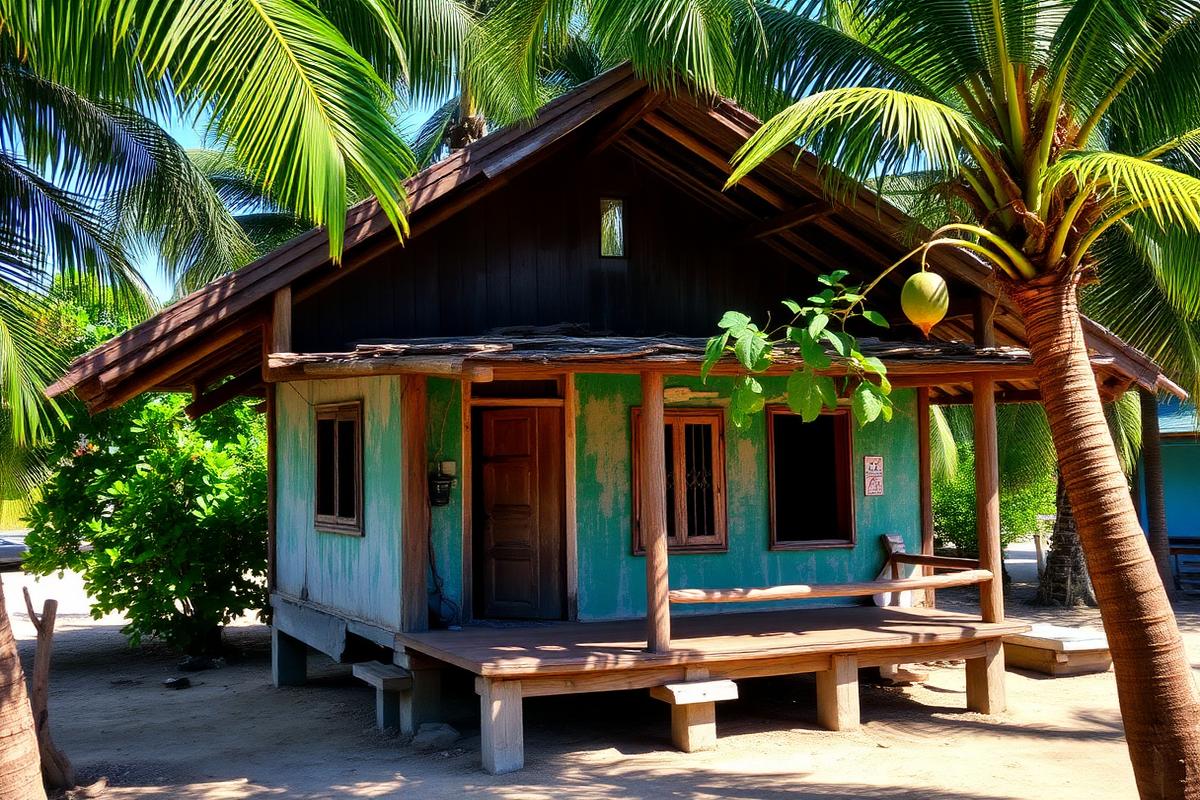
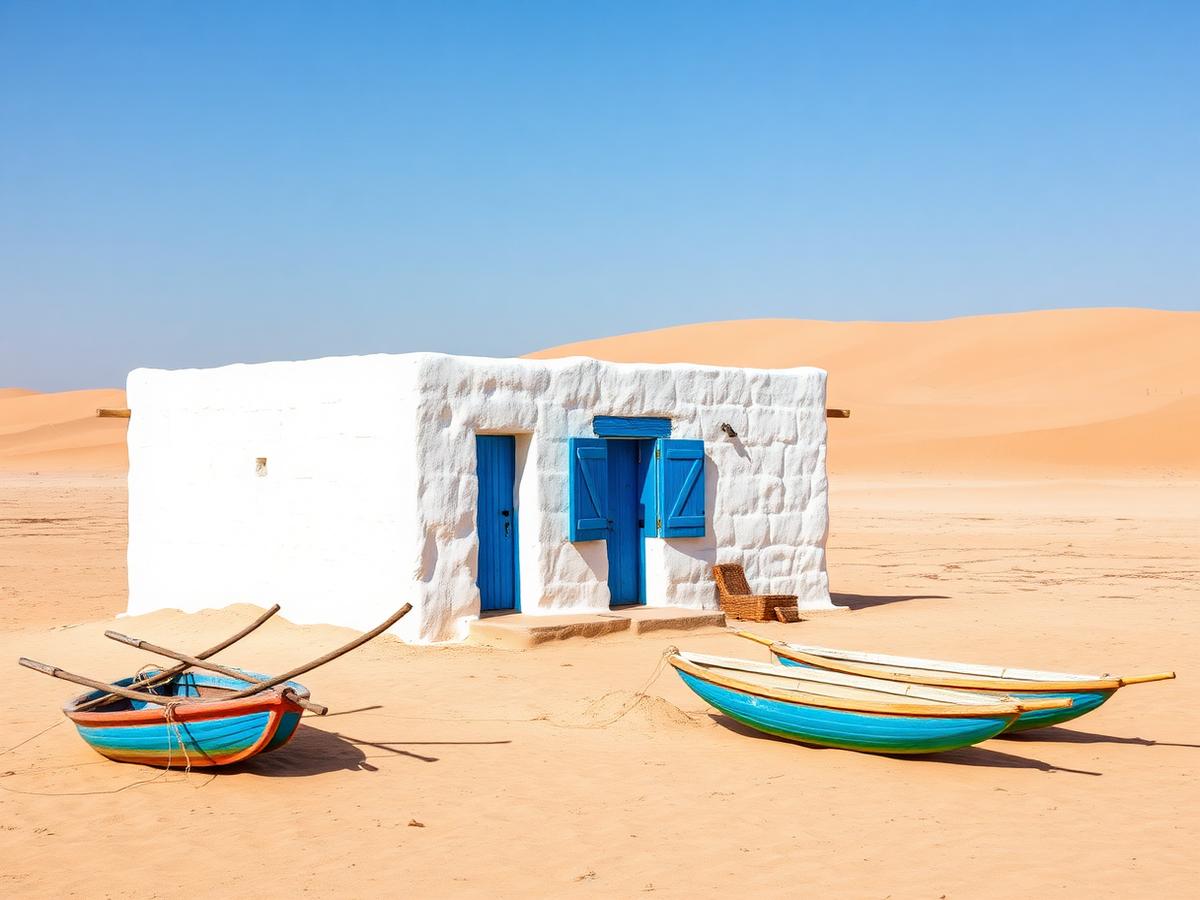
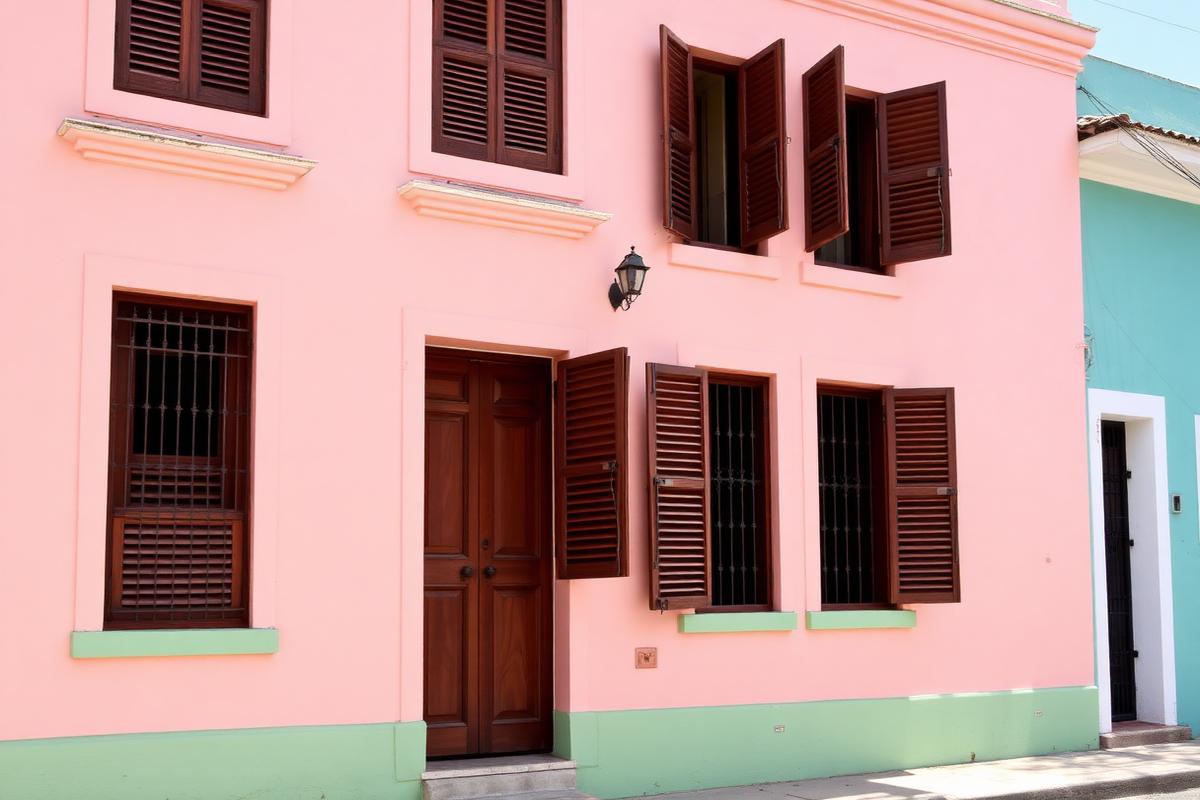
Beach House Finder is created as an Example Website Showcasing the easiest way to Discover the cheapest beach houses for sale in any country, locality, or coastline. Whether you dream of a Blue Water Hut in the Philippines, a surf bungalow in Portugal, a jungle cabana in Costa Rica, or a whitewashed fisherman house in Greece, we hunt the shoreline so you don't have to. If you are Passionate about Finding a Beach House, or are a Real Estate Agent Selling Beach Houses, this website is for you