The full story
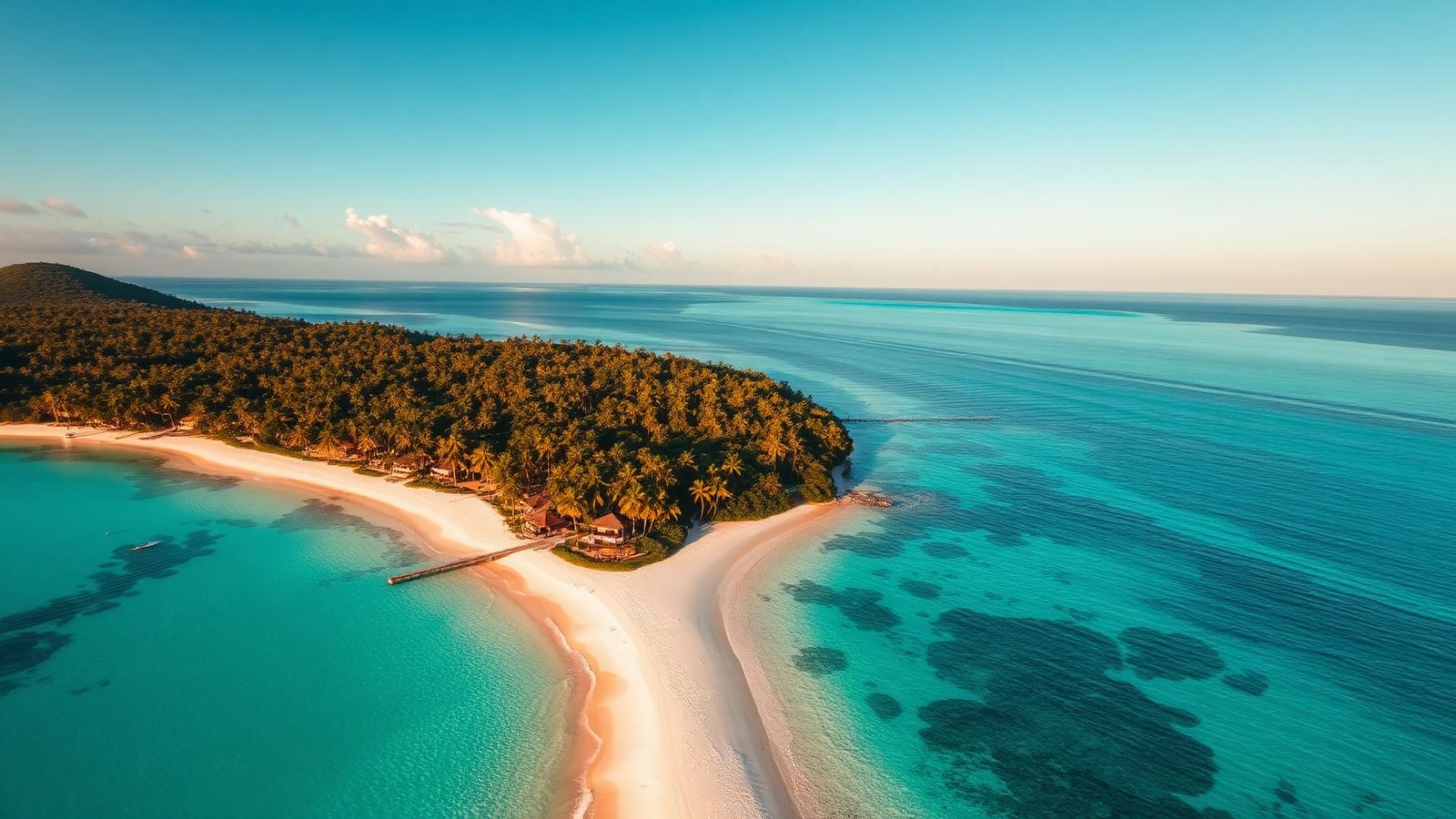
Nouadhibou sits on a forty-kilometre finger of sand pointing south between the Atlantic and the Baie du Lévrier, the point where the Sahara stops and one of the richest fishing grounds on earth begins. It is Mauritania's second city and its industrial port, a place of pirogues, iron-ore trains and cold Atlantic light rather than resorts — and that is precisely why a two-bedroom house a hundred and twenty metres from the water still trades for the price of a used car in Europe.
The house is typical of the Cansado quarter: a single-storey rendered block build with a flat roof, thick walls that hold the night cool, blue-painted metal shutters and a walled sand courtyard where you can park, hang washing and sit out of the wind. Inside there are two bedrooms, a living room, a kitchen and a bathroom across roughly ninety square metres, with tiled floors throughout. Services are city-standard: mains electricity, municipal water plus a rooftop tank, and mobile internet that works well enough for calls and email. The build is sound and the work needed is cosmetic — render patching, new joinery seals against the sand, and a re-tiled bathroom.
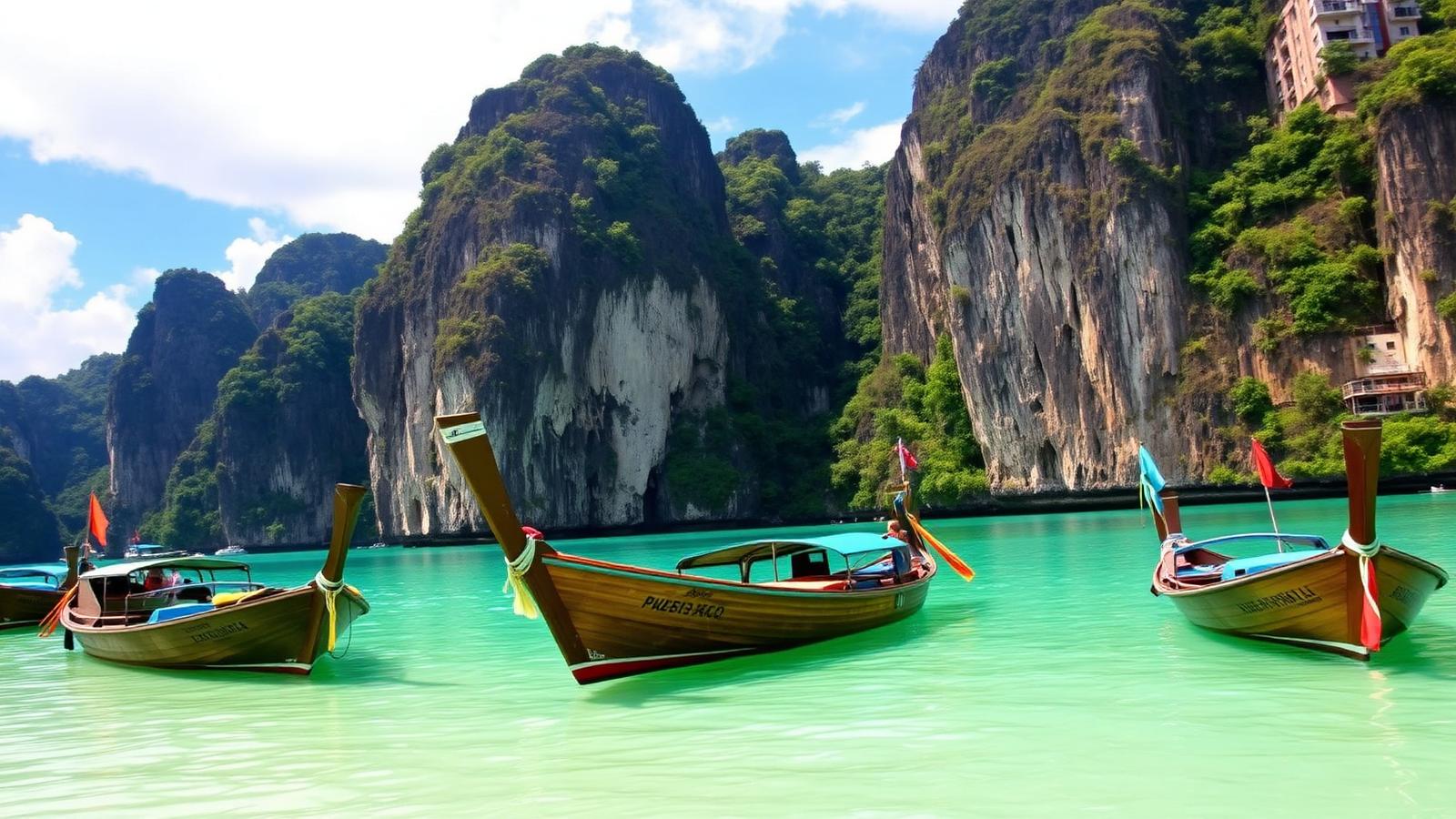
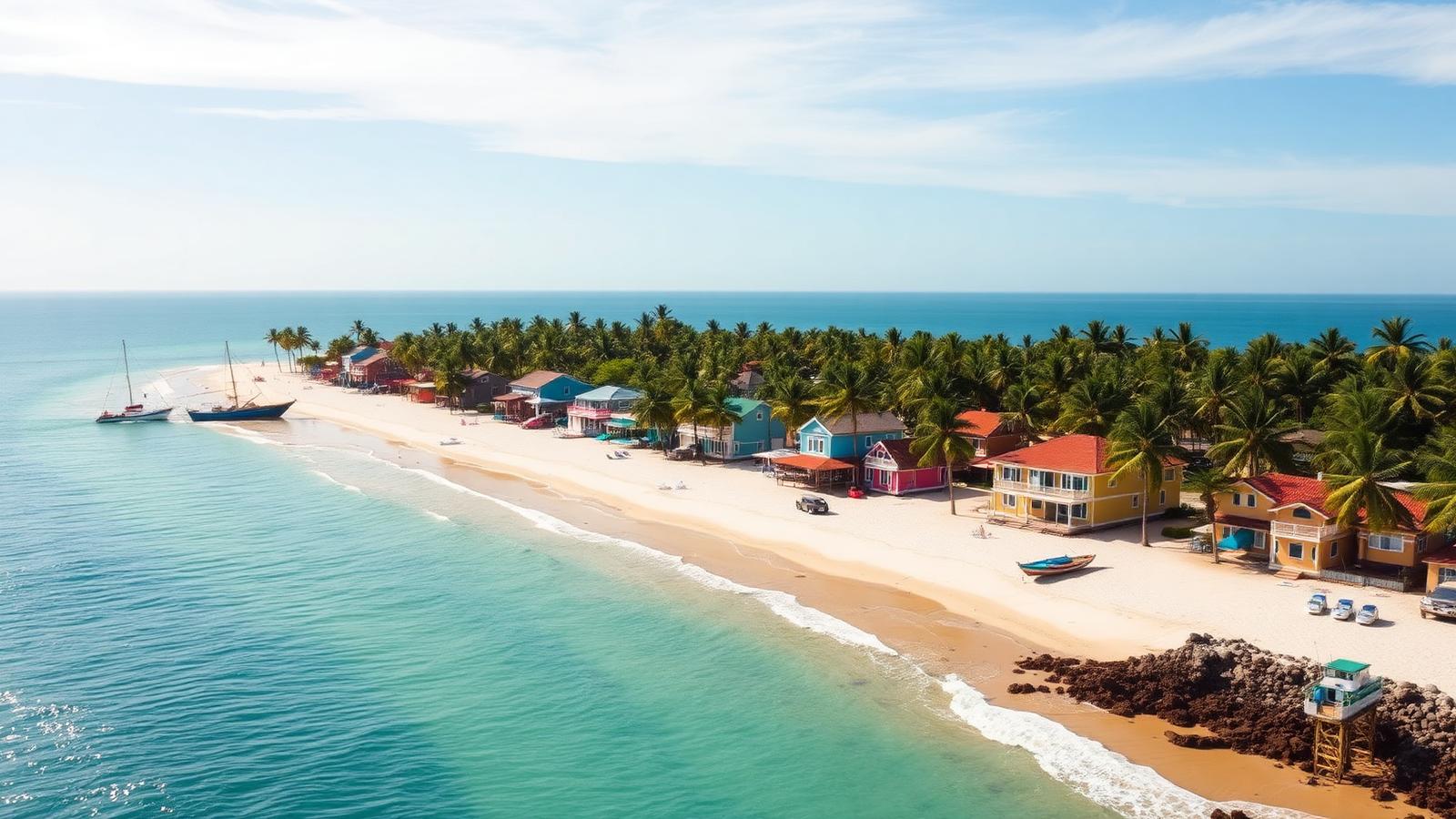
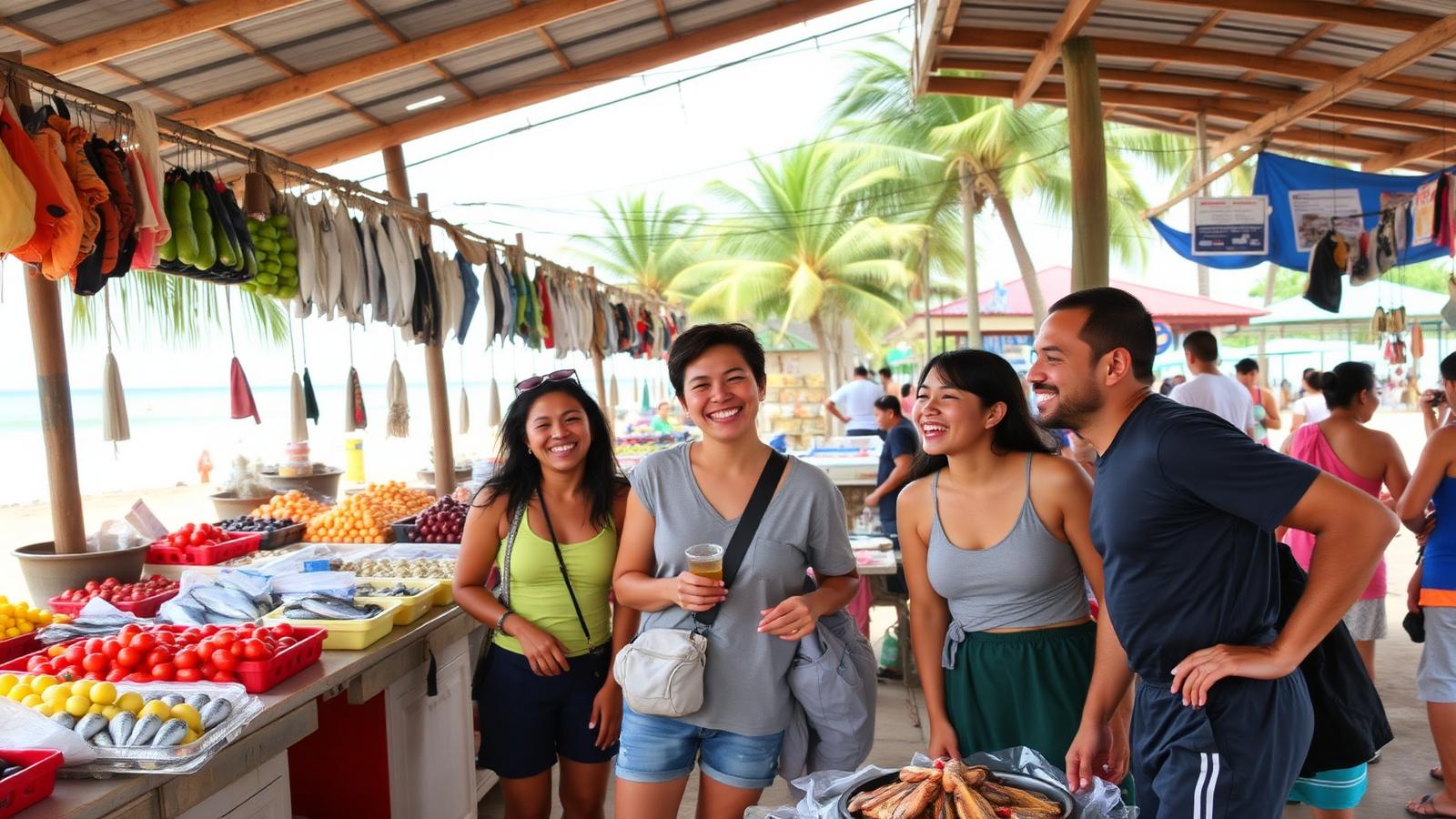
Cansado is the quiet, leafy end of the peninsula, laid out by the mining company decades ago, with wide streets and space between the houses. Life here is straightforward: the fish market at the port for the day's catch, small shops for staples, a couple of Lebanese and Mauritanian restaurants, mint tea poured from a height, and the extraordinary sight of the world's longest train hauling iron ore in from Zouérat. The Baie du Lévrier is flat and sheltered, good for swimming and for kayaking out to see the ship graveyard rusting offshore; the ocean side of the peninsula gets Atlantic swell, wind and a wide empty strand where nobody else walks.
The practical picture is honest: this is a working city in a Saharan country, not a holiday coast. Foreigners can buy property, but titles need a notary and a careful check at the land registry, and it is worth engaging a local lawyer. Summers are moderated by cold Canary Current water — Nouadhibou rarely gets hot the way inland Mauritania does — and winters are mild and bright. What you get for the money is a solid house within sight of the Atlantic, extraordinary birdlife at Banc d'Arguin two hours north, and a corner of West Africa that almost no foreign buyer has looked at yet.
Around the property
🏝️ The beach
Sheltered bay beach and open Atlantic strand
- Sand
- Pale gold Saharan sand
- Water
- Cool Canary Current Atlantic, 17-22C
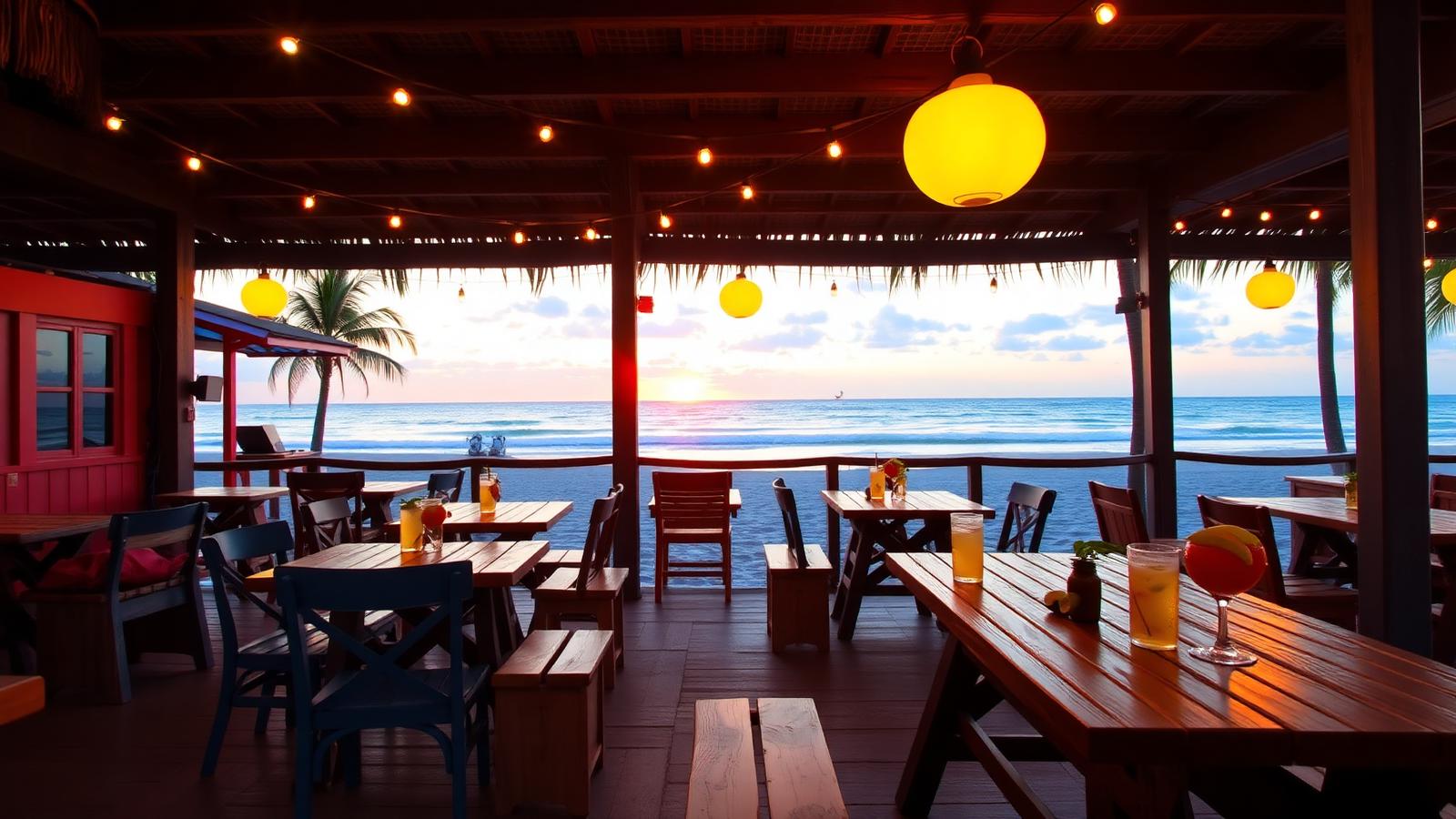
🍽️ Eat & drink nearby
- ·Port fish market grills
- ·Lebanese restaurants in the centre
- ·Mauritanian tea houses
- ·Cansado neighbourhood eateries
🛍️ Shops & markets
- ·Nouadhibou central market
- ·Port fish auction
- ·Small supermarkets in Cansado
- ·Hardware and boat chandlers
✈️ Getting there
- ·Nouadhibou (NDB) airport - 15 mins
- ·Iron-ore train to Zouérat
- ·Road to Nouakchott - 5 hrs
- ·Taxis and shared vans
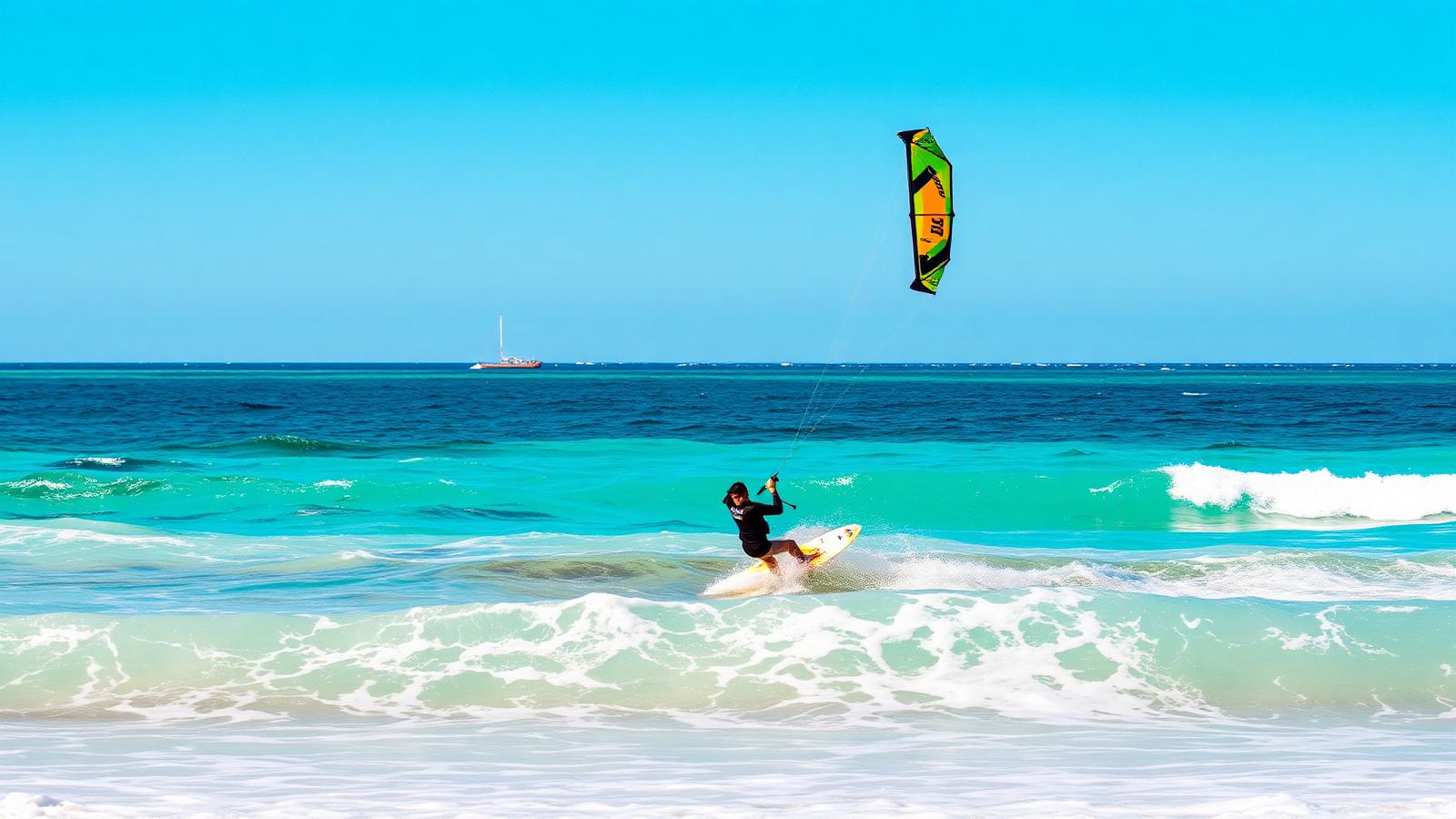
🏄 Things to do
- ·Beach walking on empty Atlantic sand
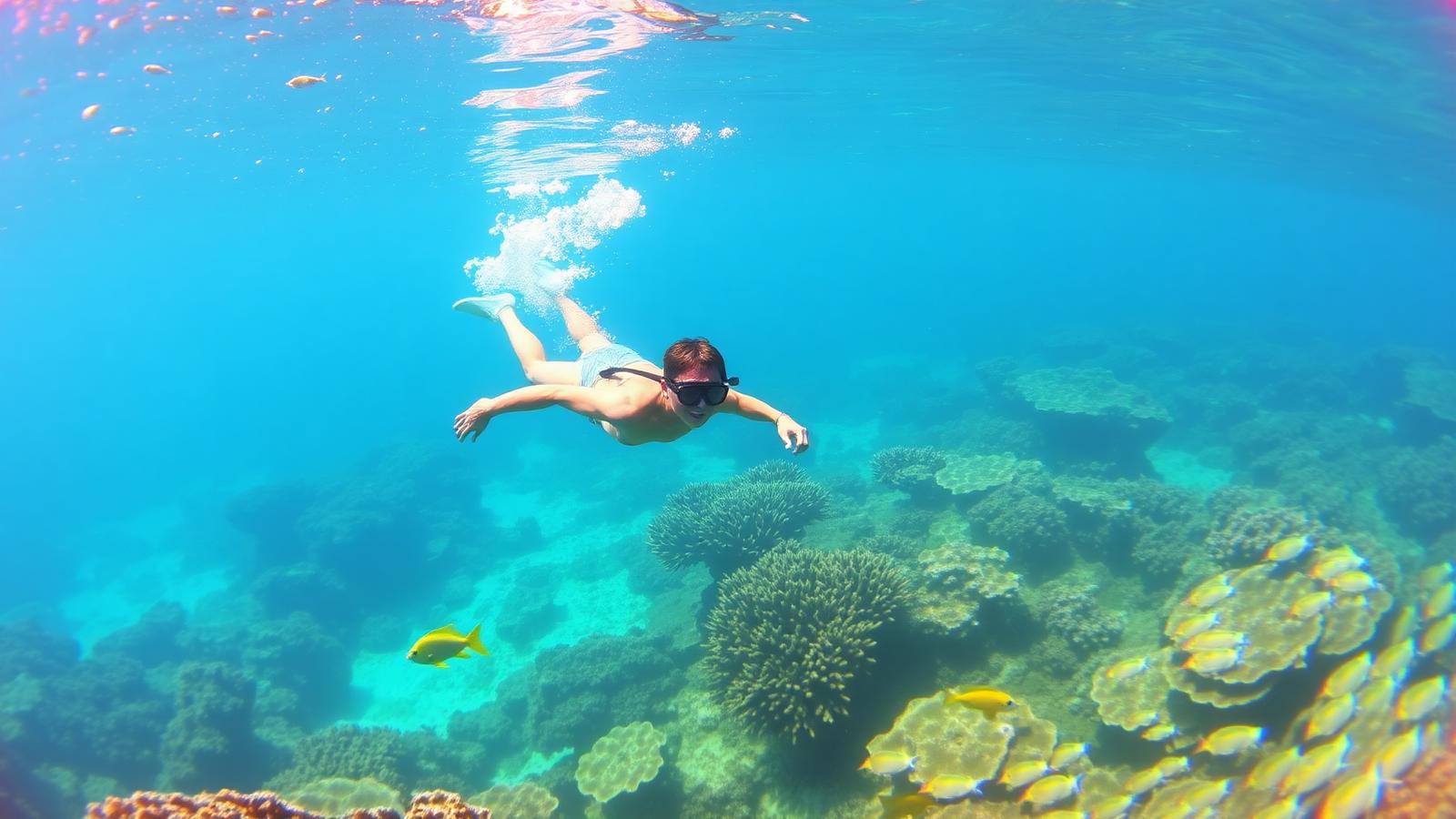
- ·Kayaking the Baie du Lévrier
- ·Ship graveyard boat trips
- ·Birdwatching at Banc d'Arguin
- ·Sea fishing with local pirogues