The full story
Everybody wants a beach flat near Barcelona; almost nobody can afford one in Barceloneta. Vilanova i la Geltrú is the practical answer — a real Catalan town of sixty-six thousand people, forty minutes down the coast by direct train, with five kilometres of sand and property prices roughly half those of the city. This 70-square-metre two-bedroom apartment sits three streets back from the promenade, in a block with a lift and a balcony, 350 metres from the water. Two bedrooms, a bathroom, a living room and a kitchen, all in usable condition; a light cosmetic refresh would make it excellent.
Spain welcomes foreign buyers. You need an NIE number, a Spanish bank account and a notary appointment; a gestor or lawyer arranges all of it, and completion typically takes six to ten weeks. Costs run around 10–12% over the price for a resale — ITP transfer tax in Catalonia is 10%, plus notary, registry and legal fees. Ongoing costs are IBI council tax of perhaps 400–700 euros a year on a flat this size, community fees of 40–80 euros a month, and the non-resident imputed income declaration if you are not tax resident, which your gestor files annually.
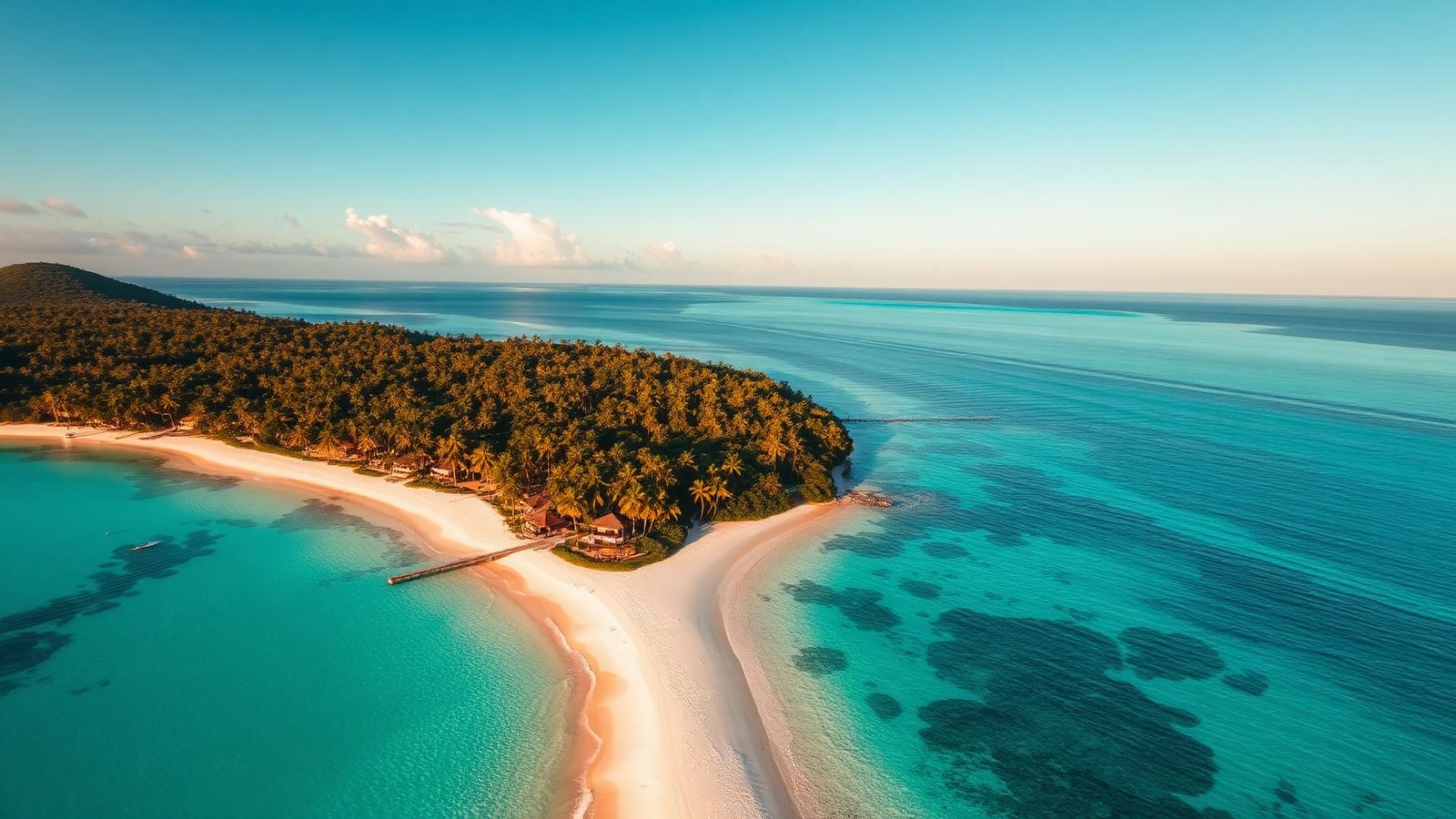
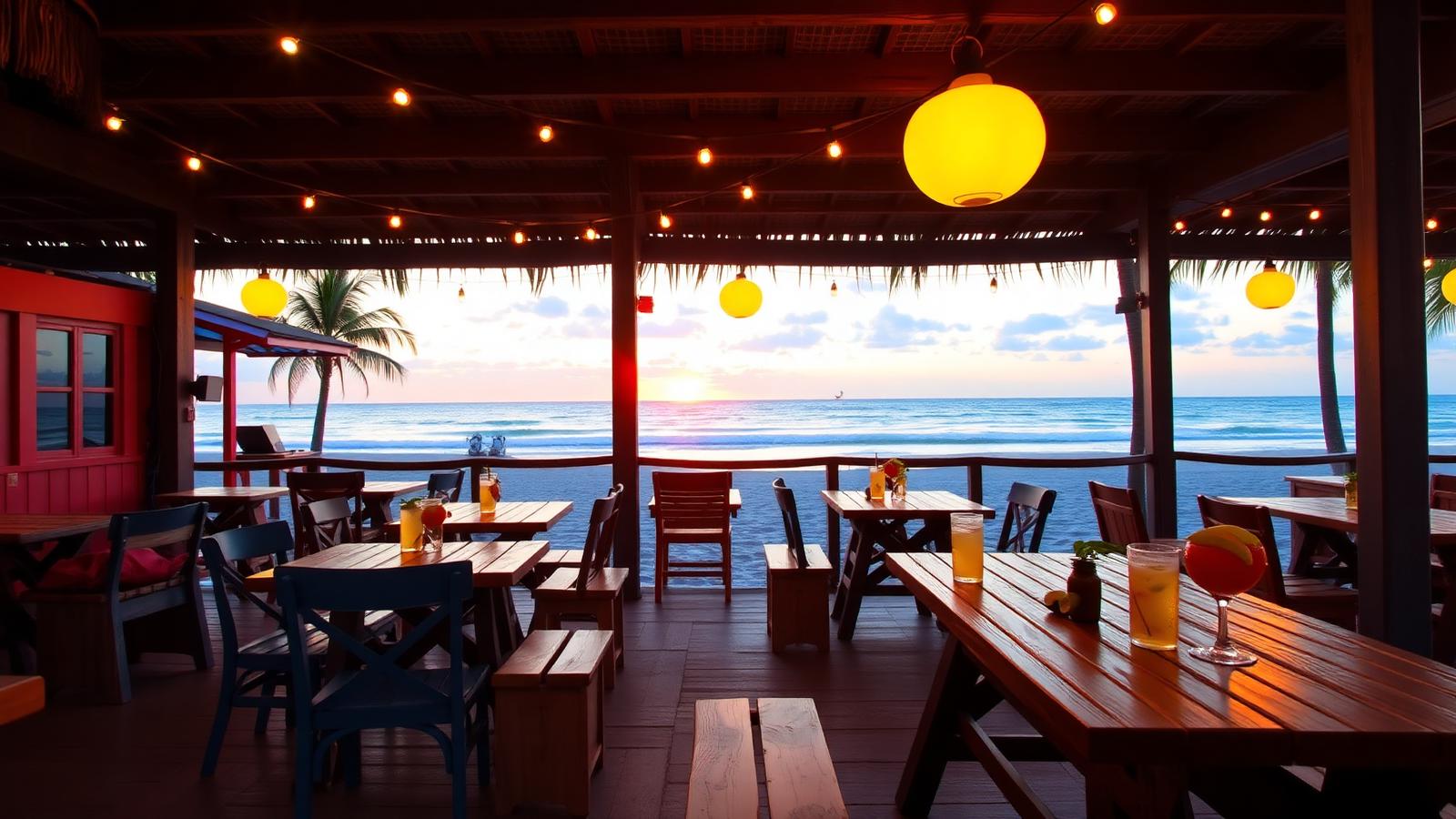
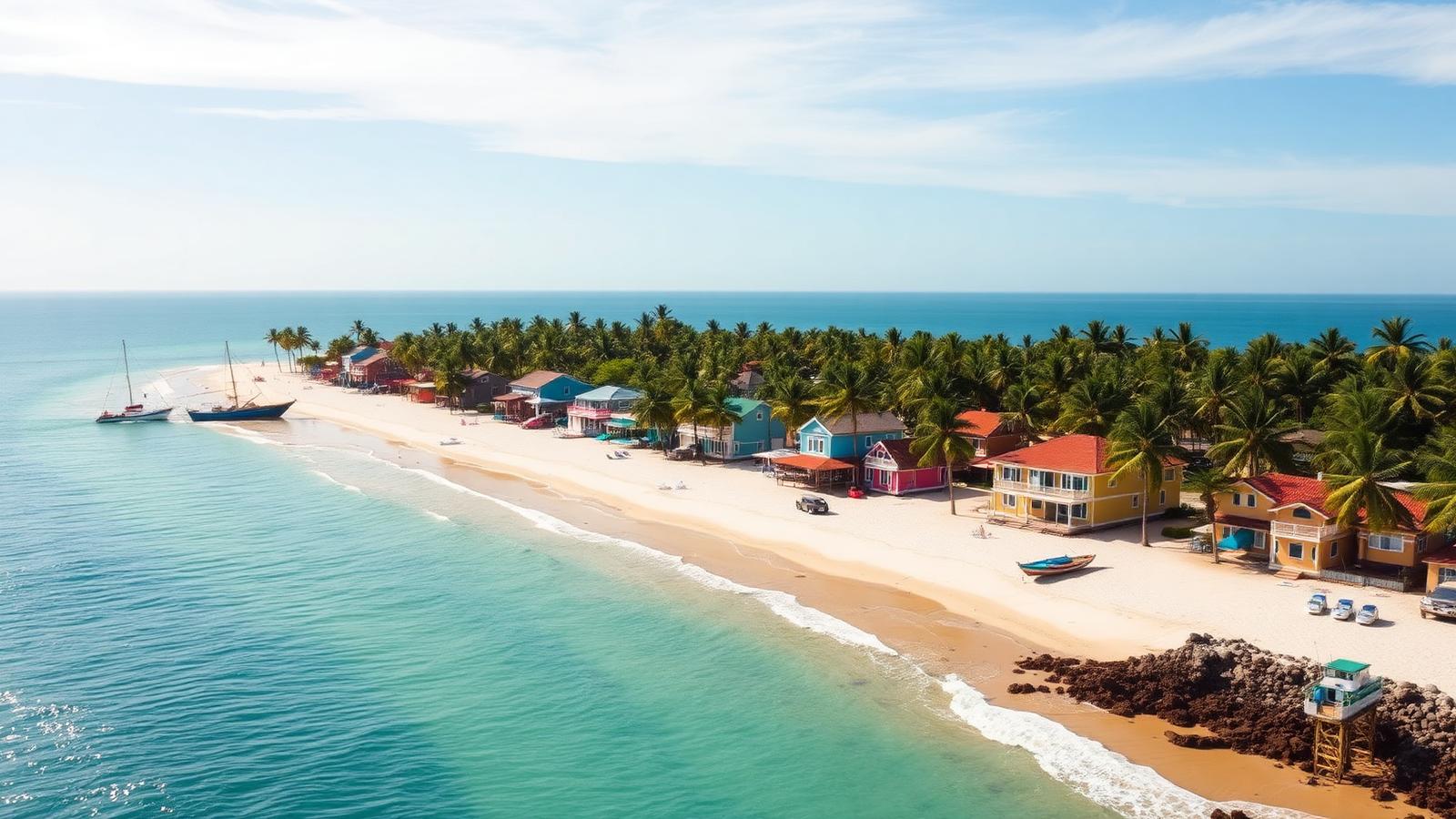
The beach is genuinely good: a long, wide strip of fine golden sand with a palm-lined promenade, Blue Flag sections, summer lifeguards, showers, volleyball nets and a string of xiringuitos where paella and a jug of sangria arrive at a table on the sand. It is a working beach for a working town rather than a resort strip, which means it is busy but not overrun, and in May or October you can walk a kilometre of it alone. The marina and the fishing port sit at the eastern end, where the day's catch is auctioned each afternoon.
Life here is Catalan and year-round. There is a university campus, a hospital, a covered market, schools, and a February carnival that is one of the loudest in Catalonia. Sitges — glamorous, gay-friendly, expensive — is fifteen minutes up the coast for nights out, while the Penedès cava country starts twenty minutes inland at Vilafranca and Sant Sadurní d'Anoia. Behind the town rises the Garraf massif, a stark limestone natural park of white rock, scrub and empty trails, with cliff coves at Vallcarca and Garraf village on its seaward edge.
The train is what makes this work. Rodalies line R2 runs to Barcelona Sants and Passeig de Gràcia in around forty minutes, several times an hour, for a few euros — so you can live at the beach and work, dine or fly from the city without owning a car. El Prat airport is thirty-five minutes away, putting most of Europe within a two-hour flight. For a buyer who wants Barcelona in their life but sand outside the door, this is the sweet spot on the whole Catalan coast.
Around the property
🏝️ The beach
Long urban sand beaches with a palm-lined promenade and a marina
- Sand
- Fine golden sand, wide, groomed, Blue Flag sections
- Water
- Calm warm Mediterranean, gentle shelf, lifeguarded in summer
🍽️ Eat & drink nearby
- ·Xiringuitos serving paella on the sand
- ·Fish restaurants at the fishing port
- ·Tapas bars in the old town
- ·Cava bodegas in nearby Penedès
🛍️ Shops & markets
- ·Mercat Central and daily supermarkets
- ·Saturday street market
- ·Sitges boutiques — 15 min
- ·Barcelona's full retail — 40 min by train
✈️ Getting there
- ·Rodalies R2 train to Barcelona Sants — 40 min
- ·Barcelona El Prat Airport (BCN) — 35 min
- ·C-32 motorway to Barcelona — 45 min
- ·Local buses and a coastal cycle path
🏄 Things to do
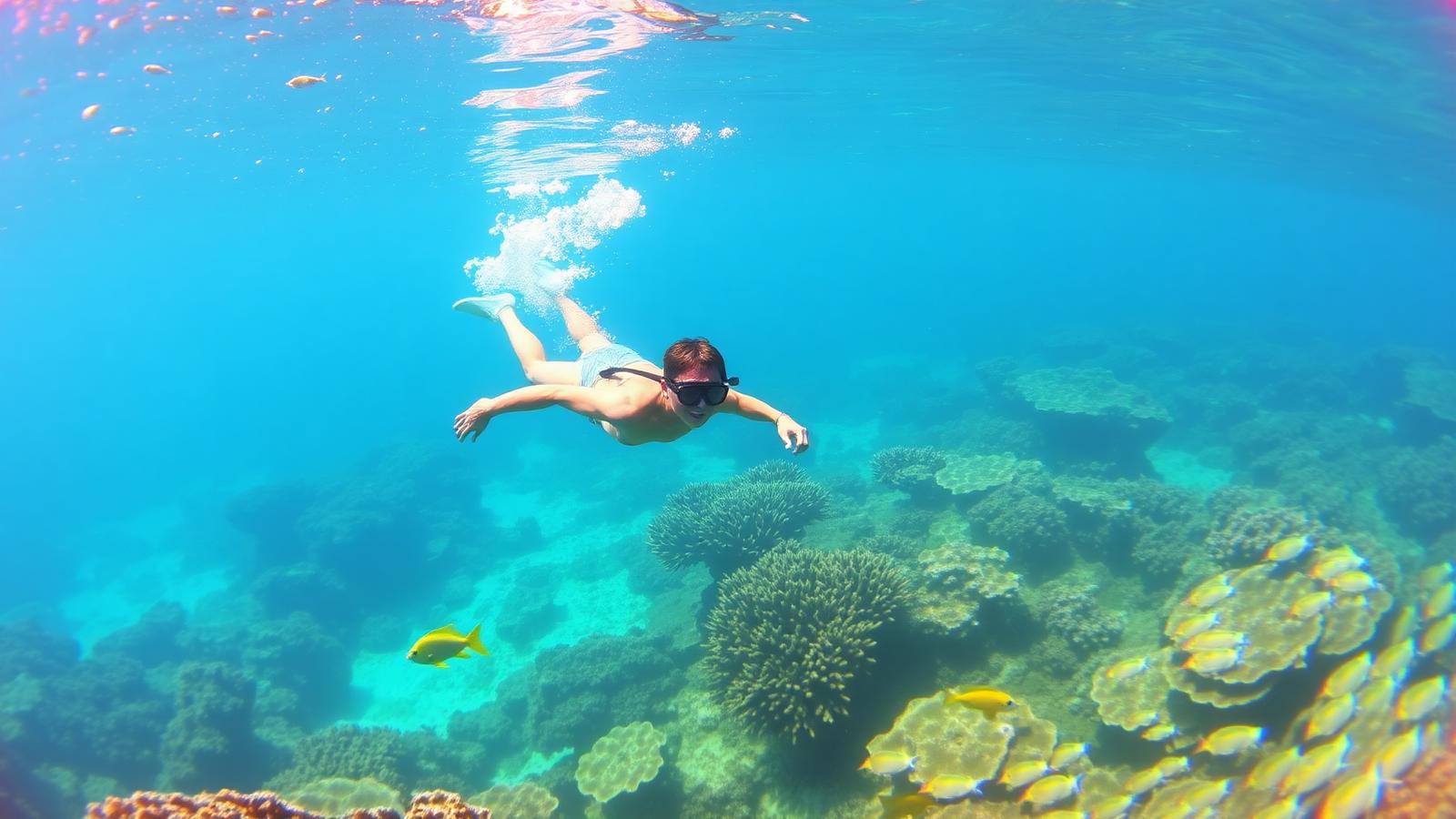
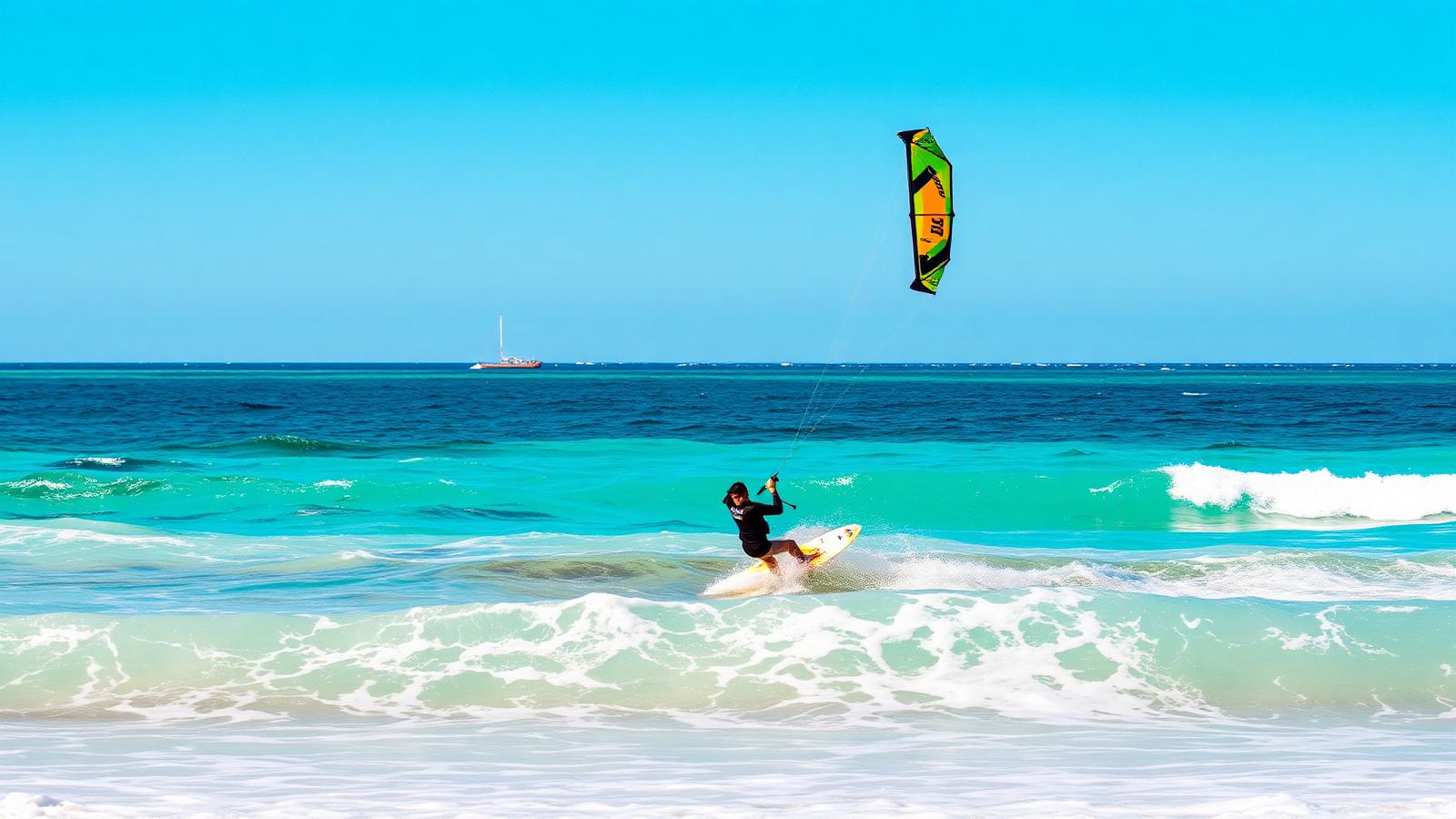
- ·Swim and paddleboard from the town beaches
- ·Hike the Garraf massif's limestone trails
- ·Cava tasting in the Penedès vineyards
- ·Carnival — one of Catalonia's biggest