The full story
Douarnenez is the least expensive genuine seaside town in western France, and this three-bedroom granite house shows why buyers keep discovering it. Eighty-five square metres over two floors, built in the solid Breton manner — thick granite walls, slate roof, deep window reveals — with three bedrooms upstairs, a living room and kitchen down, and a small walled garden behind. It sits on the slope above the bay, four hundred metres from the sheltered sand of Plage des Dames, in a quarter of fishermen's houses that has stayed residential rather than turning into holiday lets. Habitable now; the usual Breton improvements are insulation and heating.
France has the most transparent buying process in Europe. You sign a compromis de vente, get a statutory ten-day cooling-off period, and complete before a notaire two to three months later after mandatory diagnostic surveys for asbestos, lead, energy and termites. Notaire fees on an older property run around 7–8% of the price and cover the transfer taxes. There are no restrictions on foreign ownership. Annual costs are taxe foncière — on a house like this typically 700–1,200 euros — and, for a second home, taxe d'habitation, which Douarnenez applies at a surcharge like many coastal communes, so check the current rate before you buy.
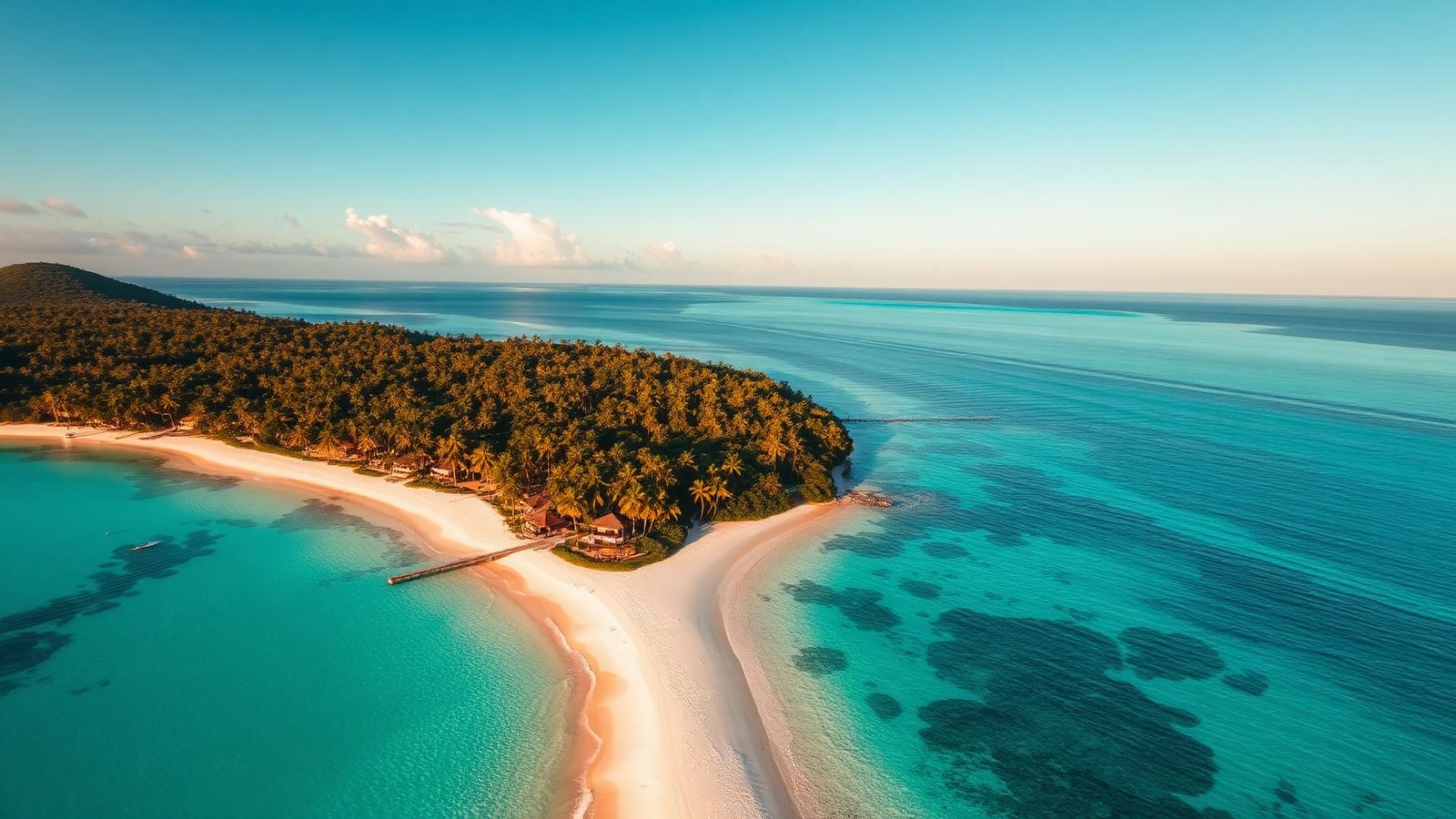
The beaches are Breton beaches: pale grey-gold sand, huge tidal ranges that empty the bay twice a day and leave rock pools to explore, and Atlantic water that peaks around eighteen degrees in August. Inside Douarnenez bay the beaches — Les Dames, Le Ris, Sables Blancs — are sheltered and family-friendly. Twenty to forty minutes away, the Crozon peninsula and the Baie des Trépassés open onto raw Atlantic swell, with some of the best surf in France and cliff scenery to match anything in Cornwall or Ireland.
The town has real substance. Douarnenez was once the sardine capital of France, and the canneries, the Port-Musée floating boat museum and the working fleet at Rosmeur are all still here. Around fourteen thousand people live in the commune year-round, with schools, a hospital, covered halles, two markets a week and streets of independent shops. Food is a serious pleasure: buckwheat galettes with an egg and ham, moules-frites, Breton butter cake, cider by the bowl, and langoustines landed that morning. A crêperie dinner for two with cider costs about thirty euros.
Connections are better than the far-west address suggests. Quimper — the Cornouaille capital, with its cathedral, its faience workshops and a TGV to Paris Montparnasse in about four hours — is twenty-five minutes away, and Brest's airport is an hour. The GR34 coastal footpath, France's finest long-distance walk, passes through the town, so the entire Finistère coastline of cliffs, coves and lighthouses is accessible on foot from your own front door.
Around the property
🏝️ The beach
Sheltered bay beaches inside Douarnenez bay; wild Atlantic surf beaches nearby
- Sand
- Fine pale grey-gold sand, big tidal range
- Water
- Clear and bracing Atlantic — 17–19°C in summer
🍽️ Eat & drink nearby
- ·Crêperies in the Rosmeur port quarter
- ·Seafood and sardine restaurants on the quay
- ·Bistros in the Tréboul marina
- ·Cider farms in the Cornouaille countryside
🛍️ Shops & markets
- ·Supermarkets and the covered Halles
- ·Monday and Friday markets
- ·Quimper retail parks — 25 min
- ·Fish direct off the boats at Rosmeur
✈️ Getting there
- ·Quimper station — TGV to Paris in 4 h, 25 min away
- ·Brest Airport (BES) — 1 h
- ·Quimper Airport — 25 min
- ·Regular buses to Quimper and Crozon
🏄 Things to do
- ·Walk the GR34 coastal path around the bay
- ·Surf and bodyboard at Baie des Trépassés
- ·Sail from Tréboul marina
- ·Visit the Port-Musée boat museum