The full story
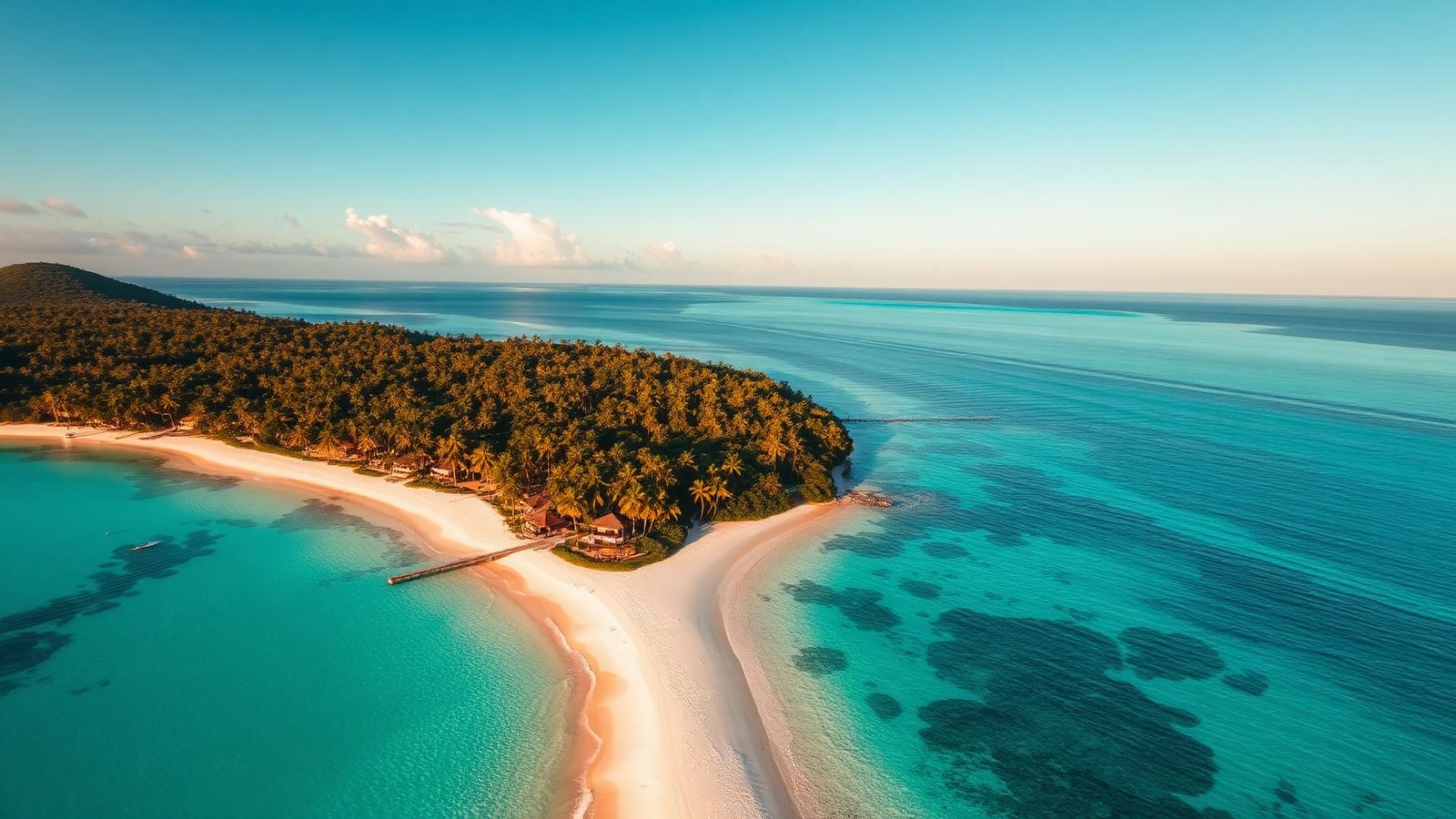
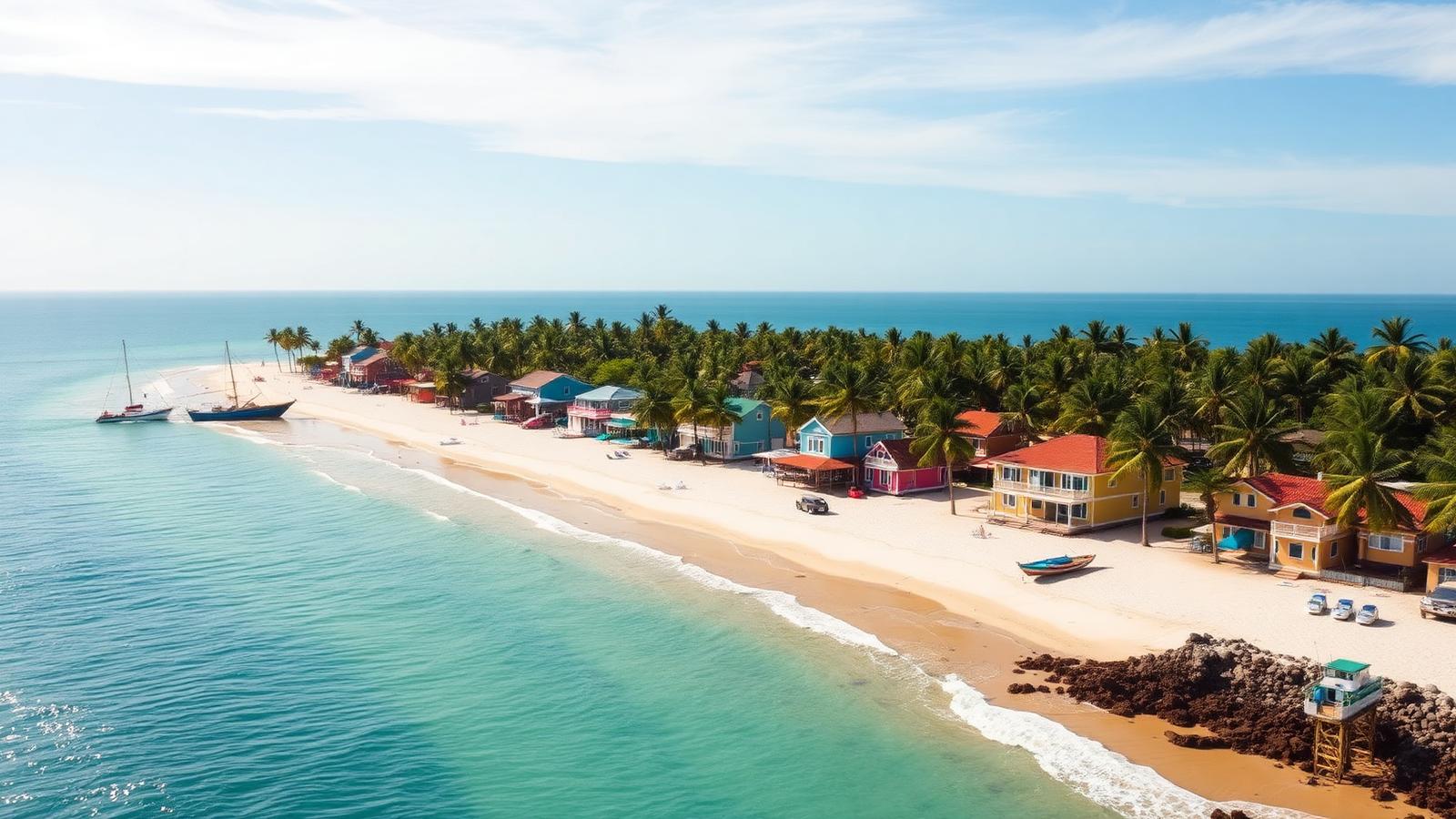
Busua is a single crescent bay on Ghana's Western coast, backed by green hills, fringed with coconut palms, and home to the country's small but genuinely welcoming surf scene. Fishing canoes with painted flags pull onto the sand at one end, a handful of guesthouses and beach bars line the middle, and the village goes about its business behind. This two-bedroom bungalow is set among palms about eighty metres from the water, at the quieter eastern end.
The house is a straightforward tropical build of around 75 square metres: concrete block walls painted turquoise and cream, a corrugated roof with a generous overhang, louvred windows on every side for cross-breeze, and a broad covered verandah with hammock hooks already in place. There are two bedrooms, a bathroom, and an open kitchen-living space with polished concrete floors. Water comes from a borehole with a poly tank on a stand; power is grid with an inverter and battery for the outages that still happen a few times a month. The plot is planted with coconut, papaya and plantain.
Ghana operates a leasehold system for foreign buyers — typically fifty years, renewable — rather than freehold, and coastal land in particular needs careful checking because both state and traditional stool land exist side by side. A Ghanaian lawyer conducting a land title search at the Lands Commission is essential rather than optional, and the transaction should include documented consent from the relevant stool where applicable. Done properly it is a well-trodden process; done casually it is the single biggest risk in a Ghanaian purchase.
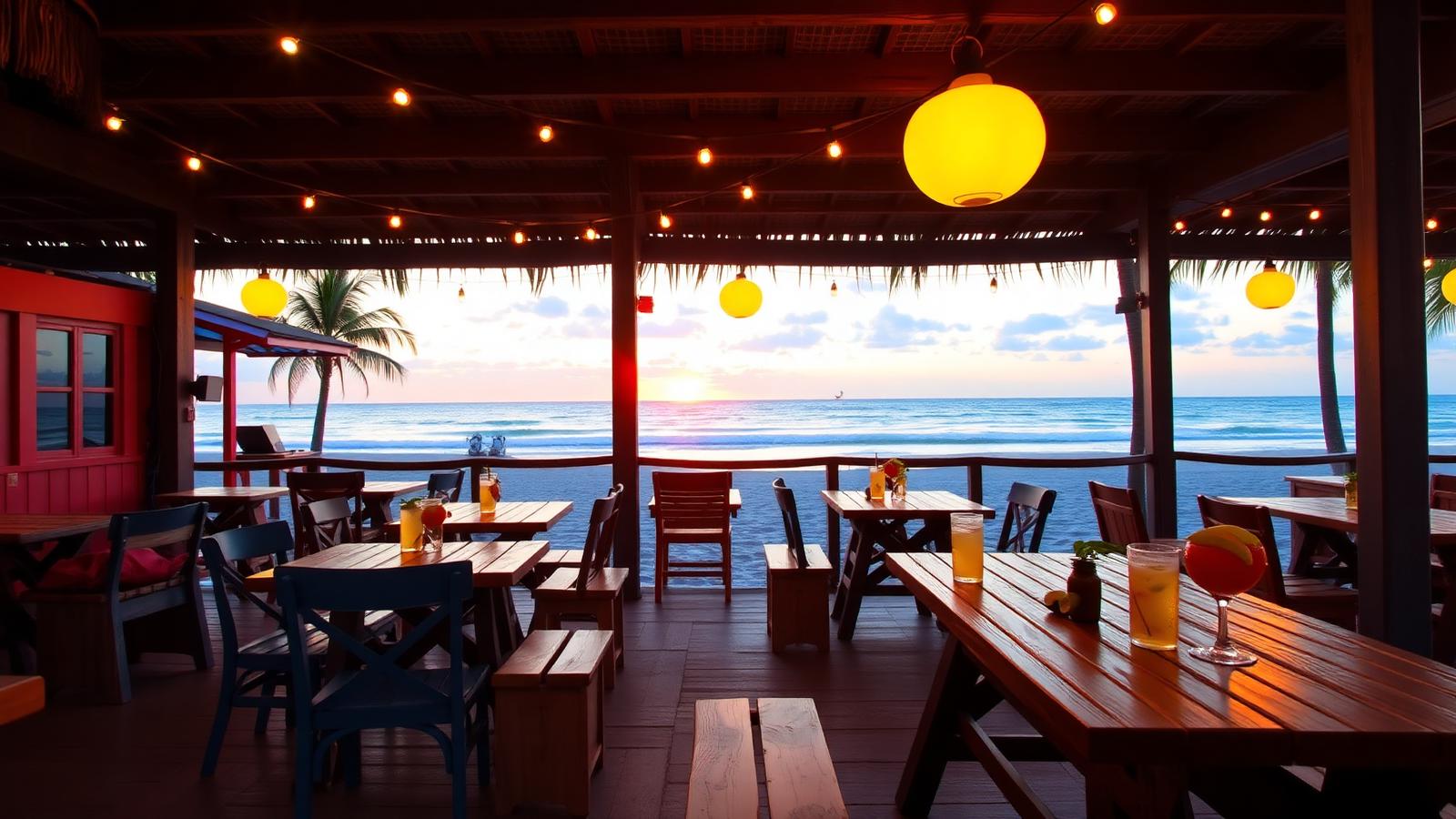
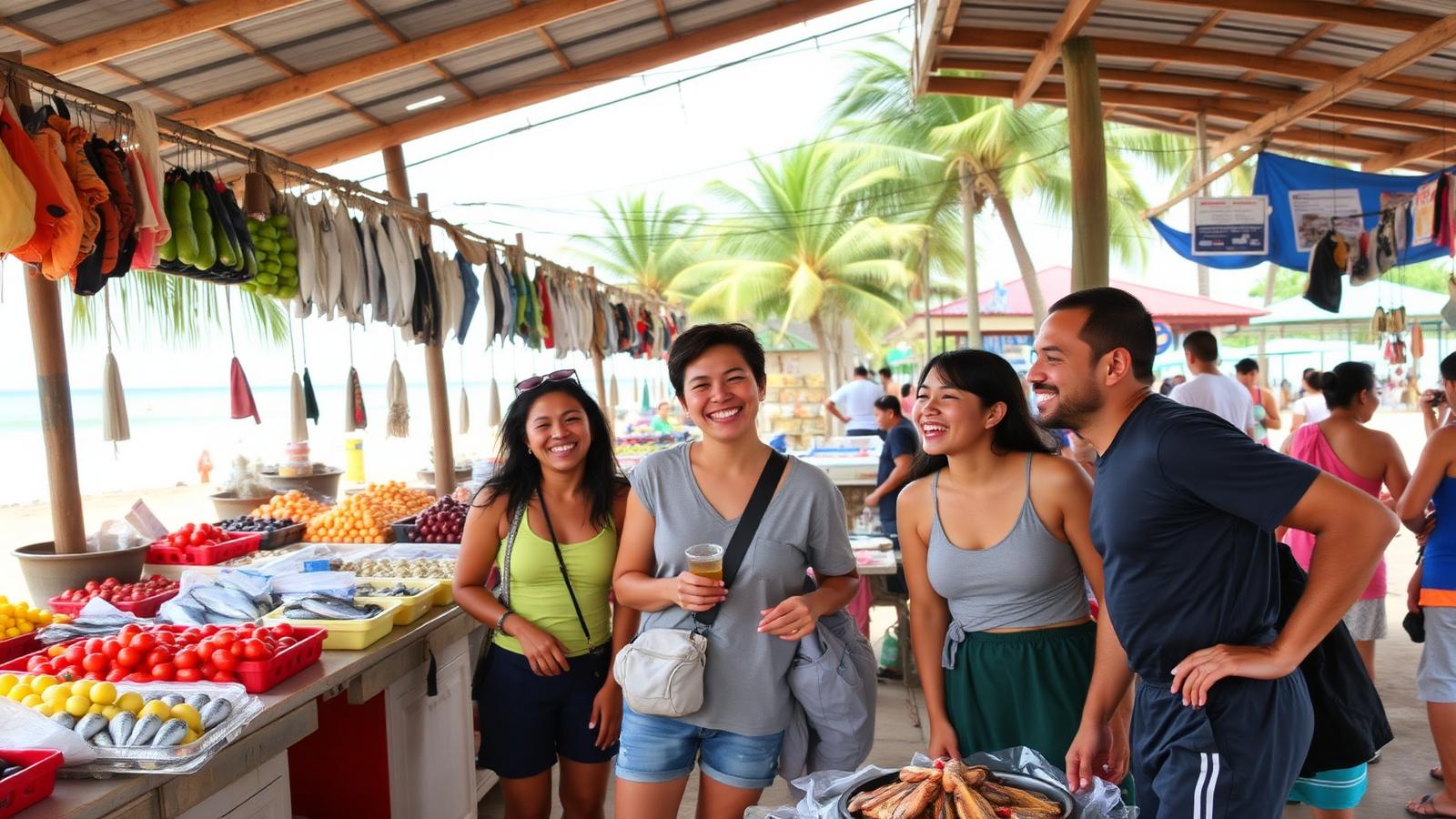
Busua's day-to-day is small-village simple and very sociable. Bread, eggs, tomatoes and fish come from stalls and the morning catch; the bigger shop is at Agona Junction or in Takoradi, an hour east, which also has banks, hospitals and a supermarket. Beach restaurants serve grilled barracuda and red-red for a few cedis, and the Black Star Surf Shop rents boards and gives lessons. Ghana is one of the most stable and easy-going countries in West Africa, English-speaking, with a well-established rhythm of visiting diaspora and long-stay foreigners.
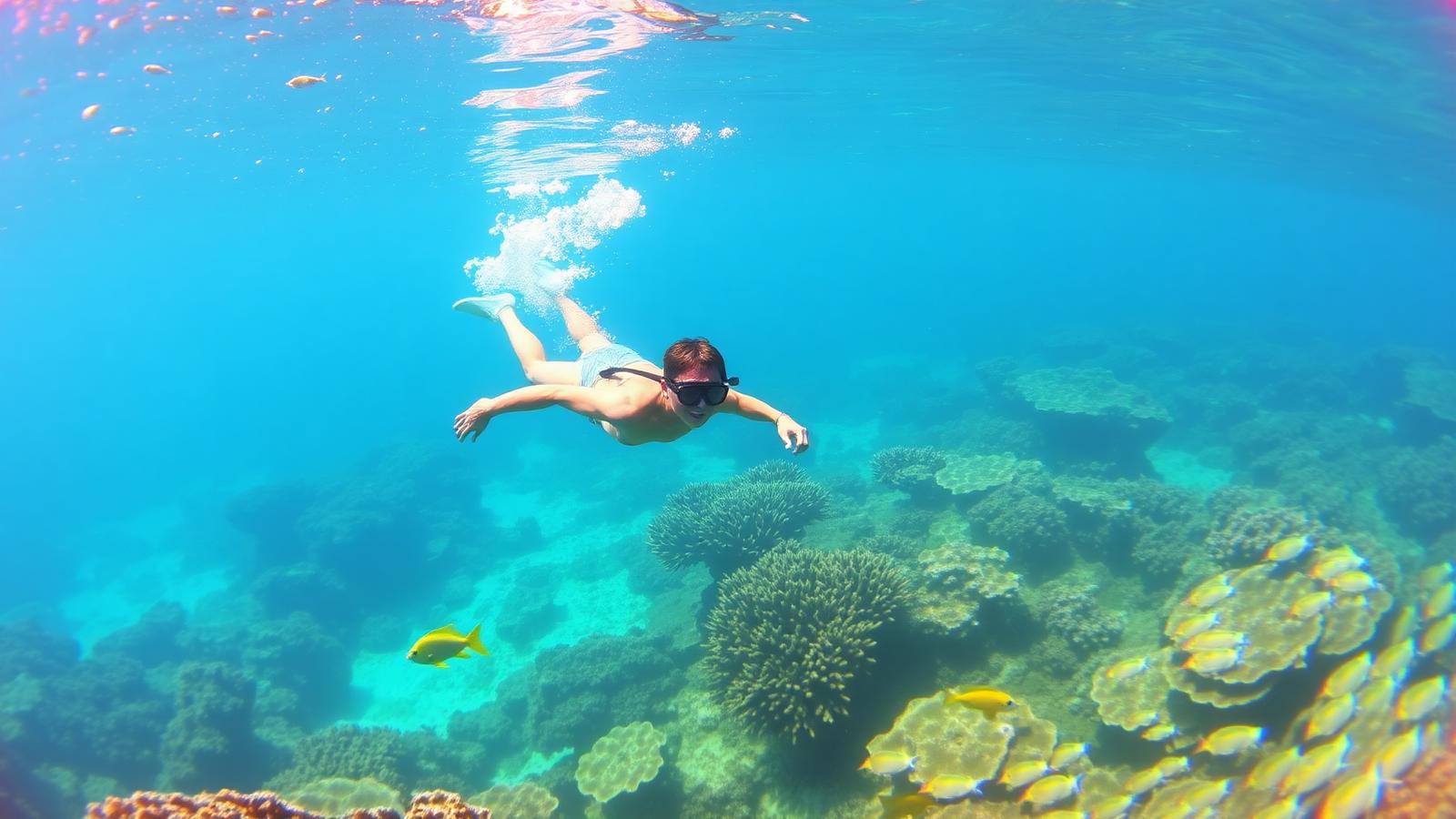
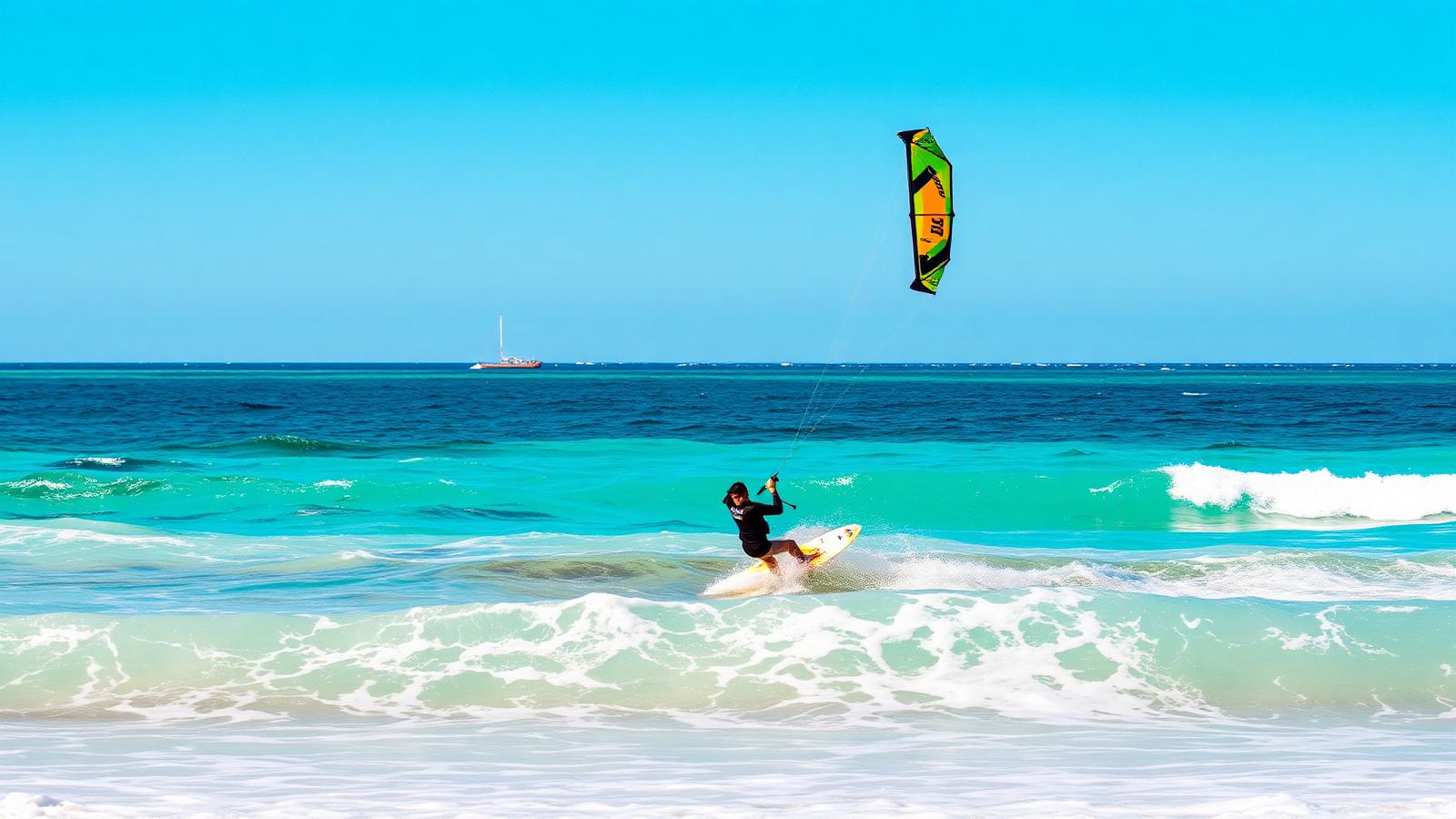
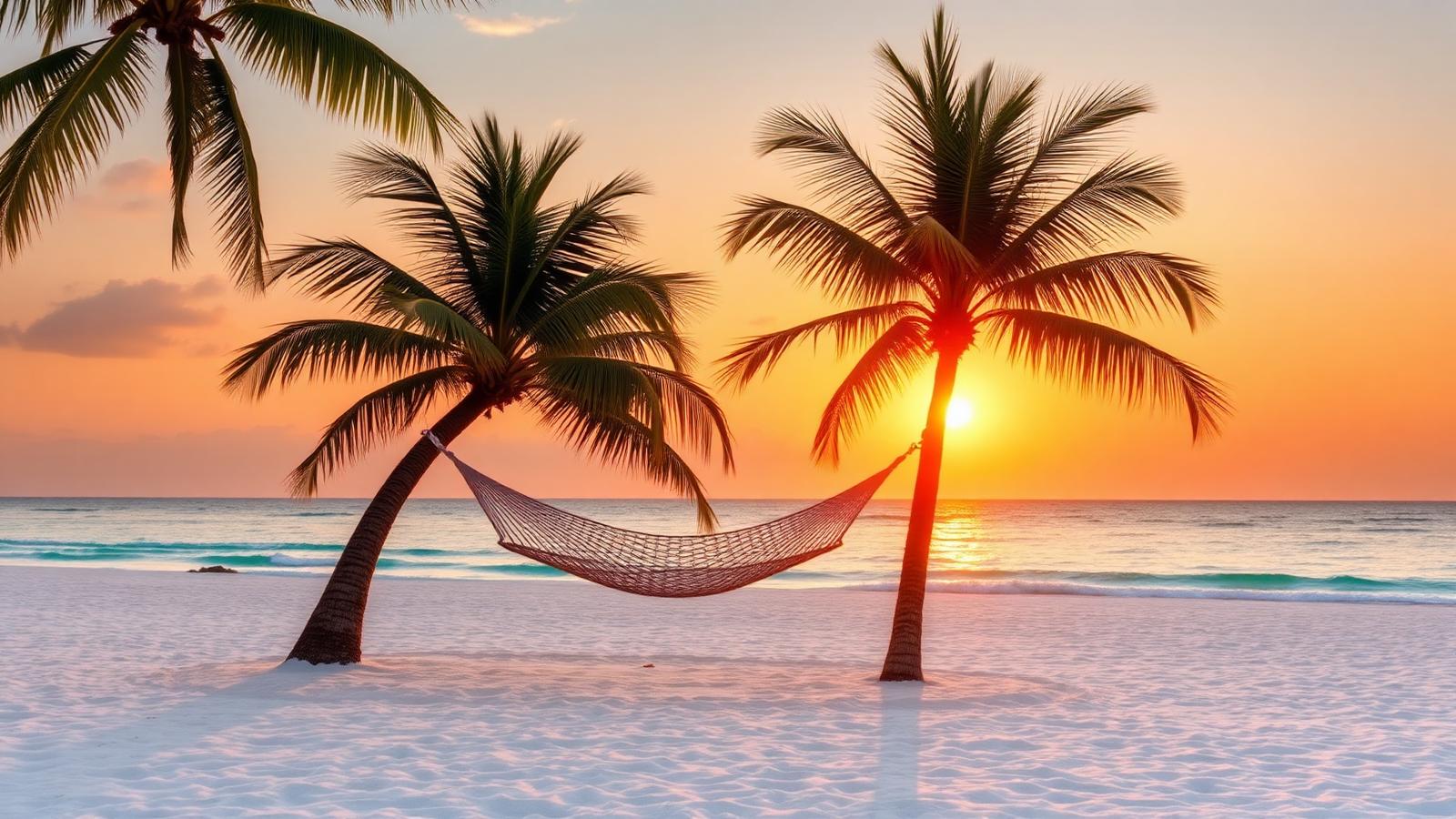
The surf is consistent and forgiving: a soft beach break that works most of the year and a longer right off the point at the western end, best from March to September. Between sessions there is Busua Island a short paddle offshore, the fishing port at Dixcove, the seventeenth-century Fort Metal Cross on the headland, and the canopy walkway of Kakum National Park two hours east. Water temperature sits around 27 degrees all year and the sunsets over the bay are exceptional.
Around the property
🏝️ The beach
Curved palm-fringed surf bay
- Sand
- Soft golden sand
- Water
- Warm Gulf of Guinea, 26-28C, consistent beach break surf
🍽️ Eat & drink nearby
- ·Black Mamba beach bar
- ·Daniel the Pancake Man
- ·Okorye Tree kitchen
- ·Beach grills for barracuda and banku
🛍️ Shops & markets
- ·Busua village stalls and morning fish landing
- ·Agona Junction market - 15 mins
- ·Takoradi Market Circle - 1 hr
- ·Melcom supermarket in Takoradi
✈️ Getting there
- ·Takoradi (TKD) airport - 45 km / 1 hr
- ·Accra by coastal road - 4 hrs
- ·Tro-tro minibuses from Agona Junction
- ·Dixcove fishing port - 10 mins
🏄 Things to do
- ·Surfing the Busua beach break
- ·Board hire and lessons at Black Star Surf Shop
- ·Paddle out to Busua Island
- ·Fort Metal Cross at Dixcove
- ·Kakum canopy walkway day trip
- ·Nzulezo stilt village trip