The full story
The Republic of San Marino has no coastline of its own — its beach is the Rimini shore, twenty-five kilometres downhill, and this is where San Marino residents and weekenders actually buy. This 68-square-metre two-bedroom apartment sits in a low residential block in a quiet Rimini neighbourhood, four hundred metres back from the sand. It has a balcony, a cellar store for bikes and beach gear, a parking space, and the sensible mid-century Italian layout of two proper bedrooms, a living room and an eat-in kitchen. It is move-in ready rather than glamorous, which is why it prices in the low one-hundred-thousands rather than the three-hundreds you would pay on the Ligurian or Tuscan coast for the same walk to the sea.
Italy places no restrictions on foreign buyers from the EU, and non-EU nationals from countries with reciprocity agreements — the US, UK, Canada, Australia and most others — buy freely too. The purchase runs through a notaio who verifies title and registers the deed. Budget 9–10% on top of the price for a second home: registration tax, notary, and agency commission. Annual IMU property tax on a modest second-home flat in Rimini typically runs a few hundred euros, plus condominium charges of perhaps 40–80 euros a month covering the building's shared costs.
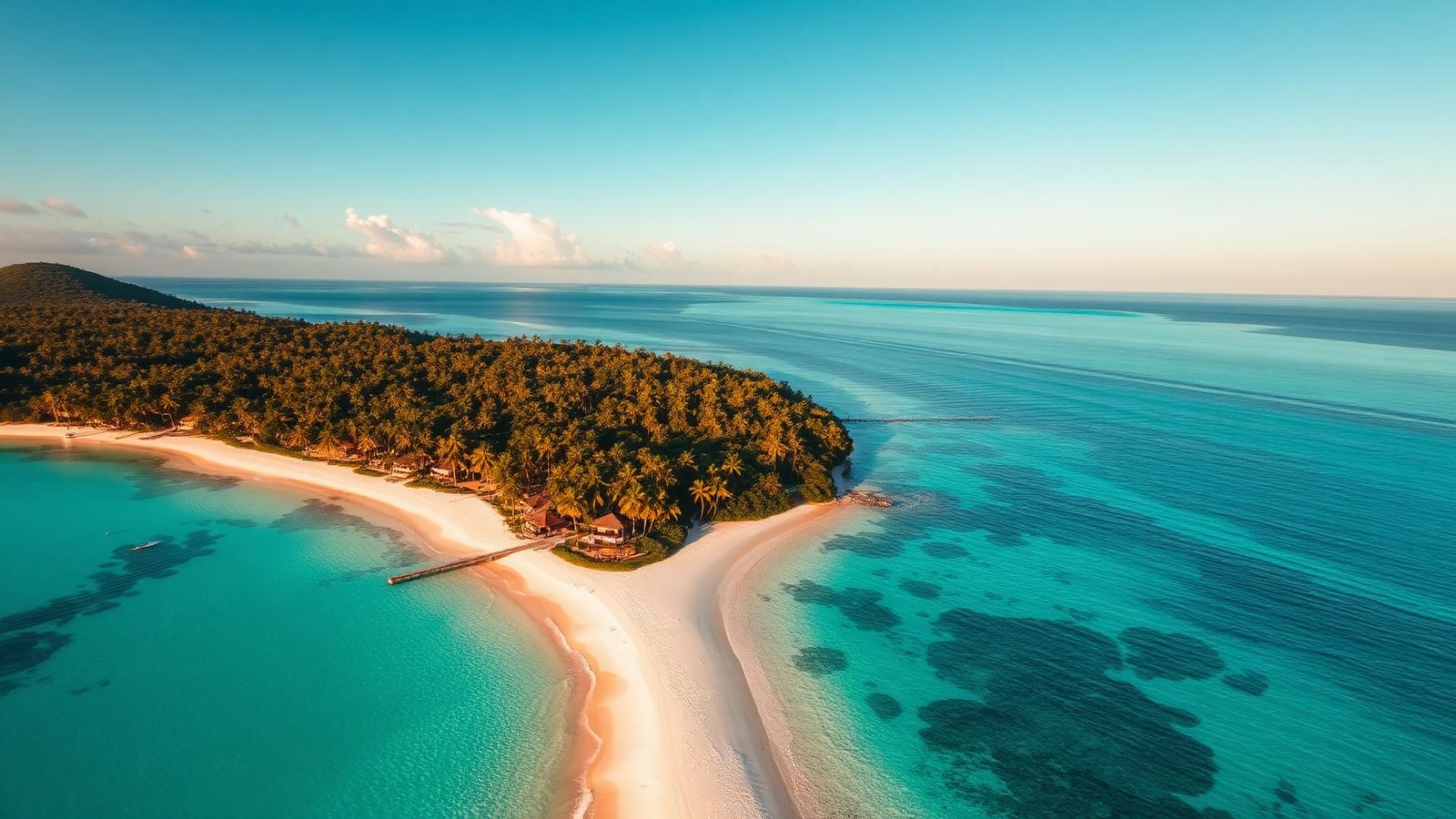
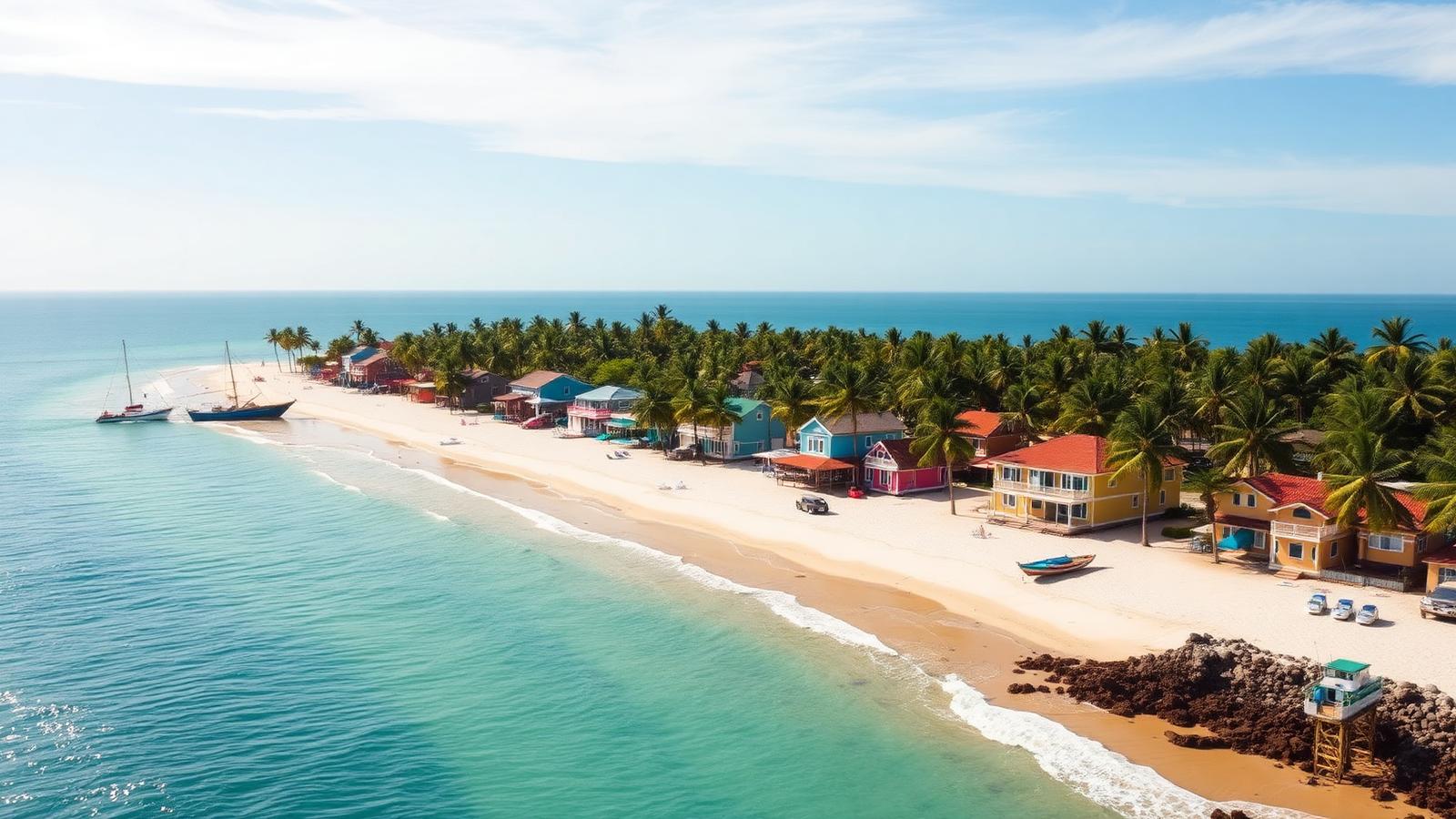
Rimini's beach is a phenomenon. It is one of the widest, flattest and safest stretches of sand in the Mediterranean — fine pale gold, raked every morning, shelving so gradually that you can walk out fifty metres and still stand. Organised lidos rent umbrellas and loungers by the day, week or season, each with showers, bars and children's play areas; between them are free public sections. Behind it runs the Parco del Mare, a fifteen-kilometre linear park of cycle paths, outdoor gyms and gardens that has transformed the seafront over the last few years.
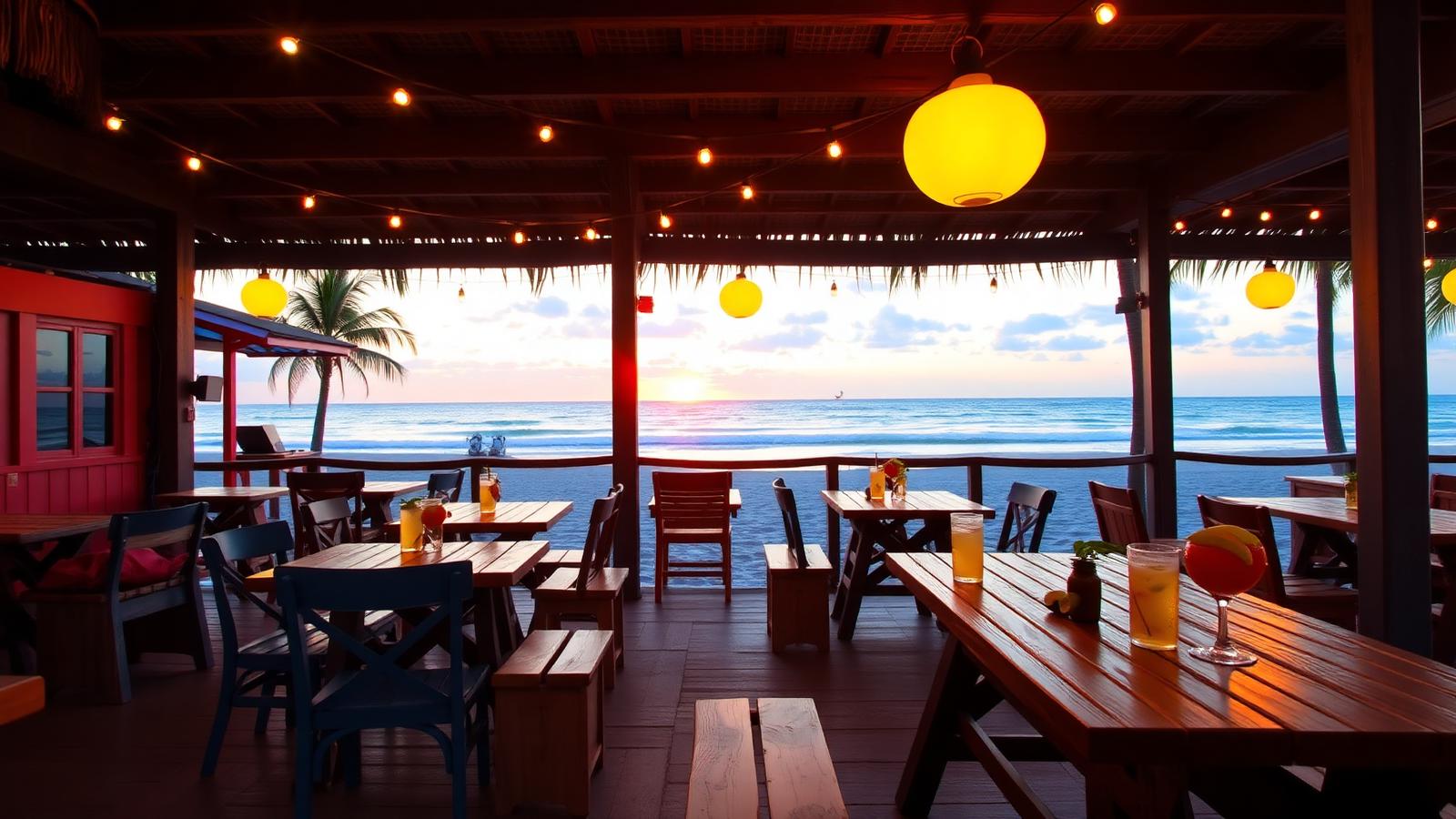
Life here is Romagnolo: warm, unpretentious and food-obsessed. Piadina flatbread with squacquerone cheese and rocket costs four euros from any kiosk. The Borgo San Giuliano district behind the Roman bridge is a maze of painted fishermen's houses and trattorias serving strozzapreti and grilled Adriatic fish. The town has a full-service year-round population of 150,000 — hospitals, schools, markets, a university campus — so nothing shuts down in winter. Rimini station puts Bologna an hour away and Milan under three.
And then there is San Marino itself: bus 72 climbs to the old town in under an hour, or thirty minutes by car up through the Marecchia valley. The world's oldest republic delivers three medieval towers on a limestone crag, tax-free shopping, and a view that on clear days runs from the Adriatic to the Apennines. The hills between — Verucchio, Santarcangelo, San Leo, Montefiore Conca — are full of hilltop castles and Sunday-lunch osterie. Sea in the morning, mountain fortress in the afternoon, and a flat you can actually afford.
Around the property
🏝️ The beach
Very wide, gently shelving Adriatic sand strip with organised lidos
- Sand
- Fine, pale golden, raked daily and metres deep
- Water
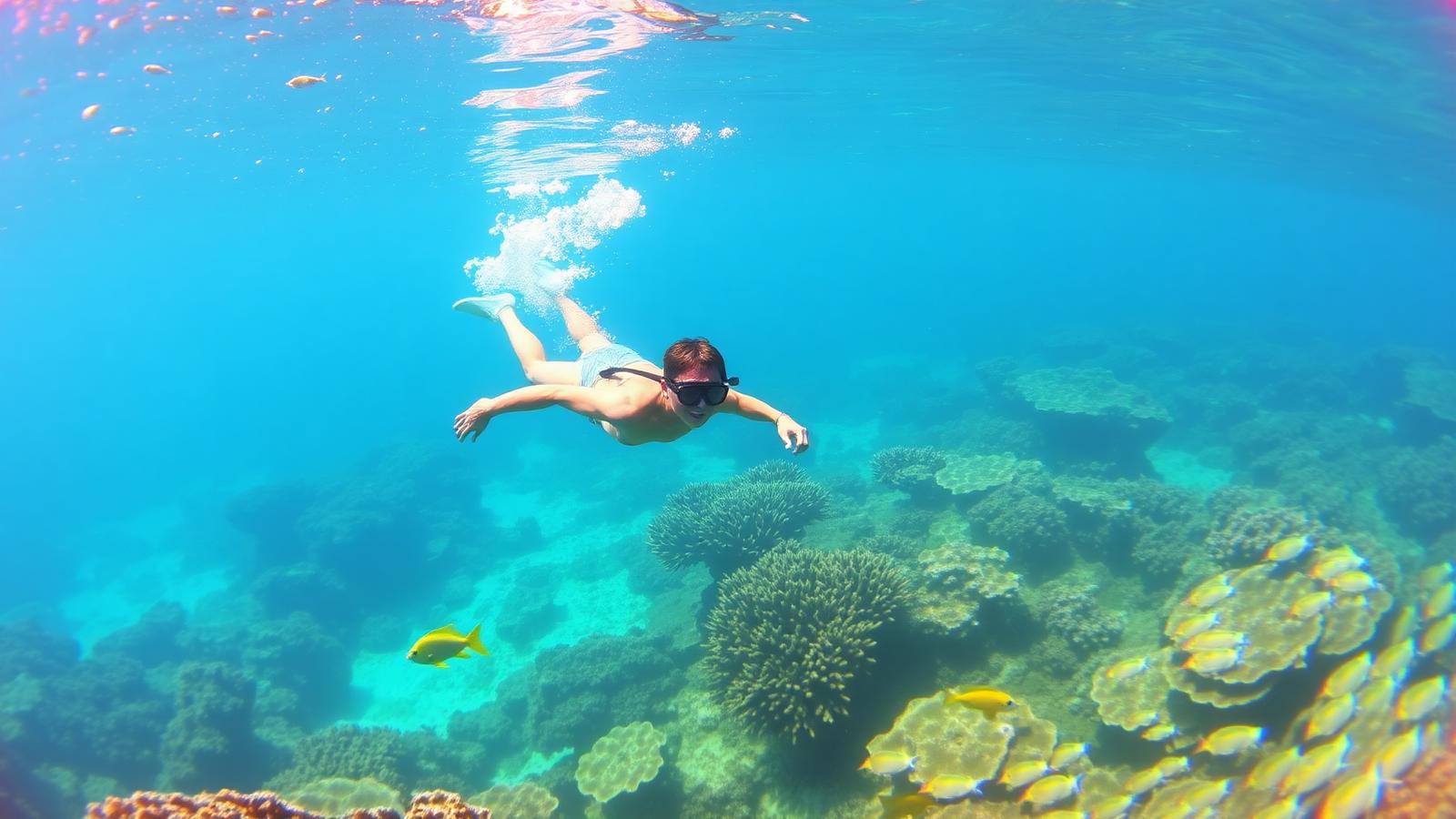
- Warm, shallow and calm — safest swimming in Italy
🍽️ Eat & drink nearby
- ·Piadinerie all along the seafront
- ·Trattorie in Rimini's Borgo San Giuliano
- ·Fish restaurants at the old port canal
- ·Osterie in the San Marino hill villages
🛍️ Shops & markets
- ·Conad and Coop supermarkets nearby
- ·Rimini covered market
- ·Le Befane shopping centre — 10 min
- ·Duty-free shopping in San Marino
✈️ Getting there
- ·Rimini Airport (RMI) — 15 min
- ·Bologna Airport (BLQ) — 1 h 20 min
- ·Rimini station — trains to Bologna in 1 h
- ·Bus 72 up to San Marino — 50 min
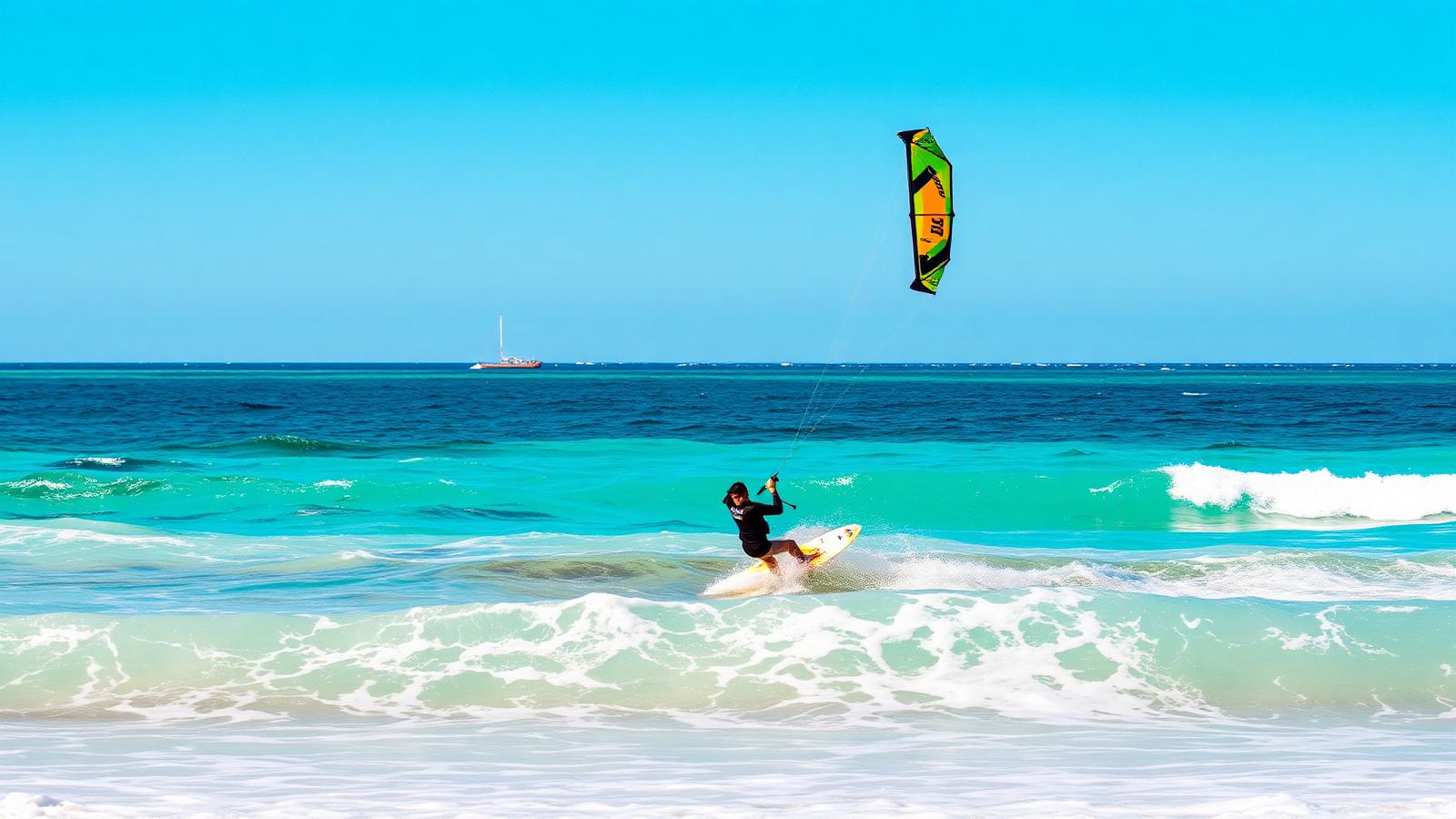
🏄 Things to do
- ·Swim and cycle the 15 km seafront park
- ·Day trip up to San Marino's three towers
- ·Explore Fellini's Rimini and the Roman bridge
- ·Hill drives to Verucchio, Santarcangelo and Montefiore