The full story
Abruzzo is the mountainous, half-forgotten region between Rome and the Adriatic, and the Costa dei Trabocchi is its coastal secret: a sixty-kilometre shore named for the trabocchi, the spidery timber fishing platforms that stand out over the water on stilts. This 72-square-metre two-bedroom cottage sits in Vasto Marina, the flat seaside quarter below the historic hill town of Vasto, three hundred metres from the sand. It has two bedrooms, a bathroom, an eat-in kitchen, and a narrow garden strip with room for a lemon tree and an outdoor shower. Solid construction, tiled throughout, nothing structural to worry about — the sort of honest Italian holiday house that costs three times as much sixty kilometres north.
Buying is the standard Italian process: a proposta, a compromesso with a deposit, then the rogito before a notaio, typically eight to twelve weeks end to end. Foreign buyers face no restrictions in practice. Allow around 9–10% over the price for taxes and fees on a second home. Abruzzo's holding costs are among the lowest on the Italian coast — IMU on a small second home here is usually a few hundred euros a year, and the comune's rubbish tax is modest. There is no condominium fee on a standalone cottage.
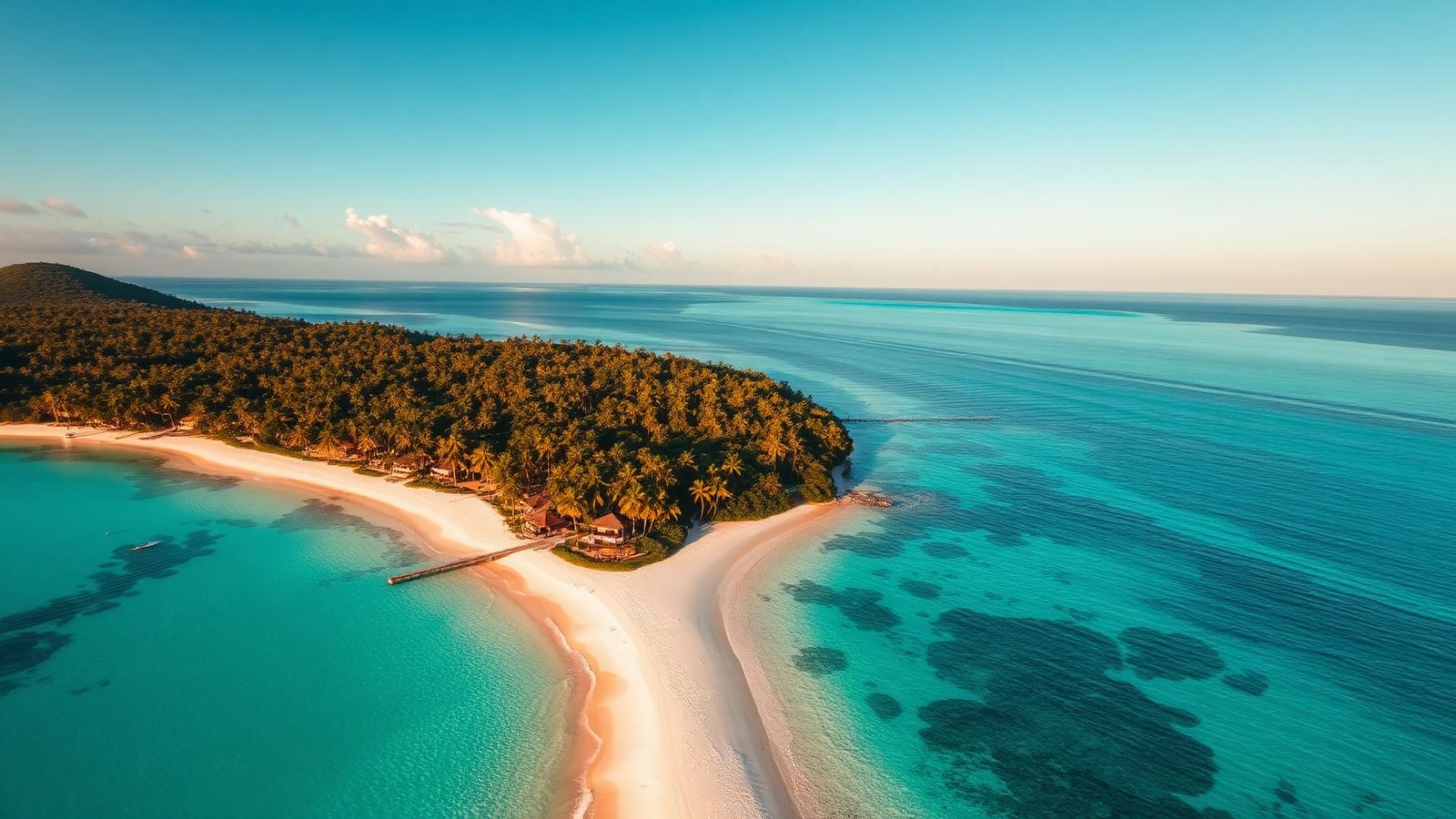
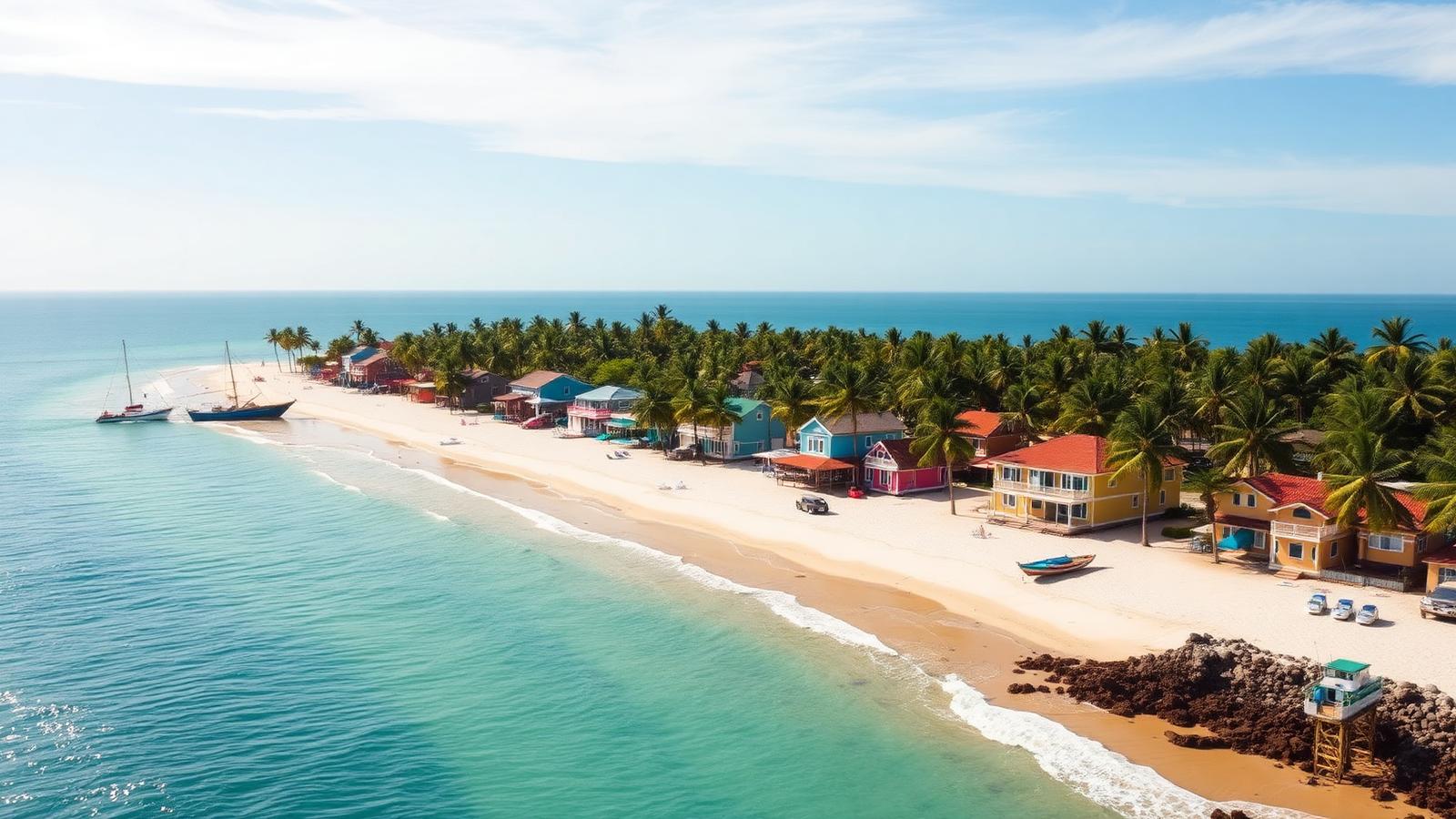
The beach at Vasto Marina is wide, fine golden sand backed by pine woods, with Blue Flag status on several stretches and a gentle shelf that makes it genuinely safe for children. South toward San Salvo the sand runs for kilometres; north toward Punta Aderci the coast turns to low cliffs, pebble coves and the reserve's famous Punta Penna beach, one of the cleanest in Italy. The Via Verde dei Trabocchi — a paved cycle greenway built on the old coastal railway line — runs right along this shore, linking beach after beach without a car.
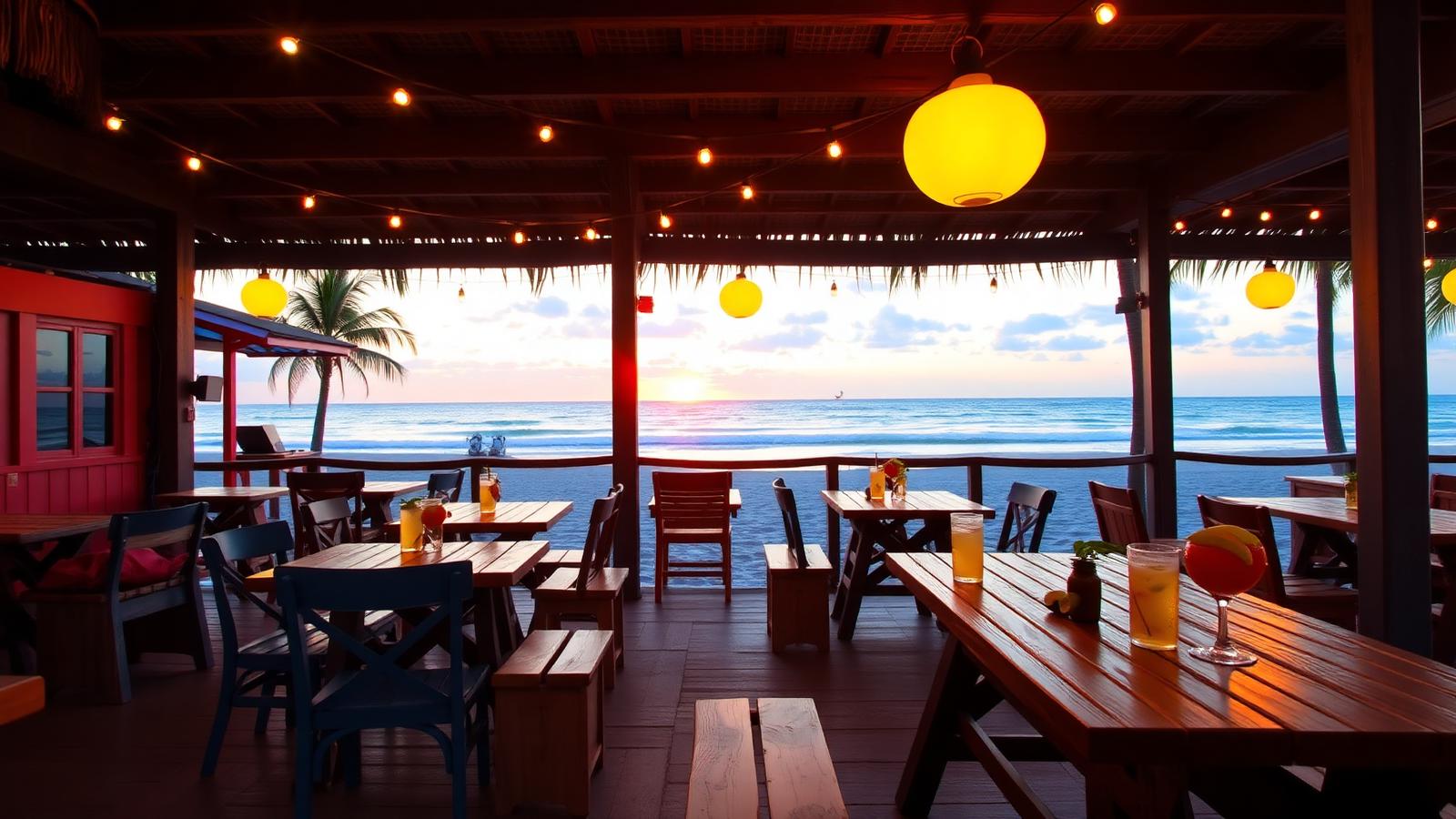
Vasto's old town, ten minutes up the hill, is the anchor: a Renaissance piazza, the Palazzo d'Avalos with its hanging gardens, a belvedere over the whole gulf, and a Wednesday market. This is arrosticini country — skewers of mutton grilled over long narrow braziers — and brodetto alla vastese, a tomato-rich fish stew cooked in a terracotta pot. Eating on a trabocco at sunset, plates arriving along a timber walkway over the water, is the regional set-piece and still costs around forty euros a head.
Connections are better than the region's sleepy reputation suggests. The Vasto-San Salvo station is five minutes away on the Adriatic main line, with direct trains to Pescara, Bologna and Milan. Pescara's airport is an hour up the coast, Rome three hours by car or direct bus. Inland, the Maiella and Gran Sasso massifs put serious hiking and winter skiing ninety minutes from the beach — Abruzzo is the only Italian region where you can ski in the morning and swim in the afternoon, and this cottage is a plausible base for doing exactly that.
Around the property
🏝️ The beach
Long pine-backed sand beaches south of town, rocky trabocchi coves north
- Sand
- Fine golden sand, wide and clean, Blue Flag stretches
- Water
- Shallow, warm and calm; excellent for children
🍽️ Eat & drink nearby
- ·Brodetto alla vastese at the marina trattorias
- ·Trabocco restaurants built on stilts over the sea
- ·Arrosticini grills in Vasto old town
- ·Beach kiosks along the lungomare
🛍️ Shops & markets
- ·Supermarkets in Vasto Marina
- ·Wednesday market in the old town
- ·Il Trabocco shopping centre nearby
- ·Farm stands for olive oil and Montepulciano wine
✈️ Getting there
- ·Vasto-San Salvo station — 5 min, coastal line
- ·Pescara Airport (PSR) — 1 h
- ·Rome — 3 h by car or bus
- ·A14 motorway junction 10 min
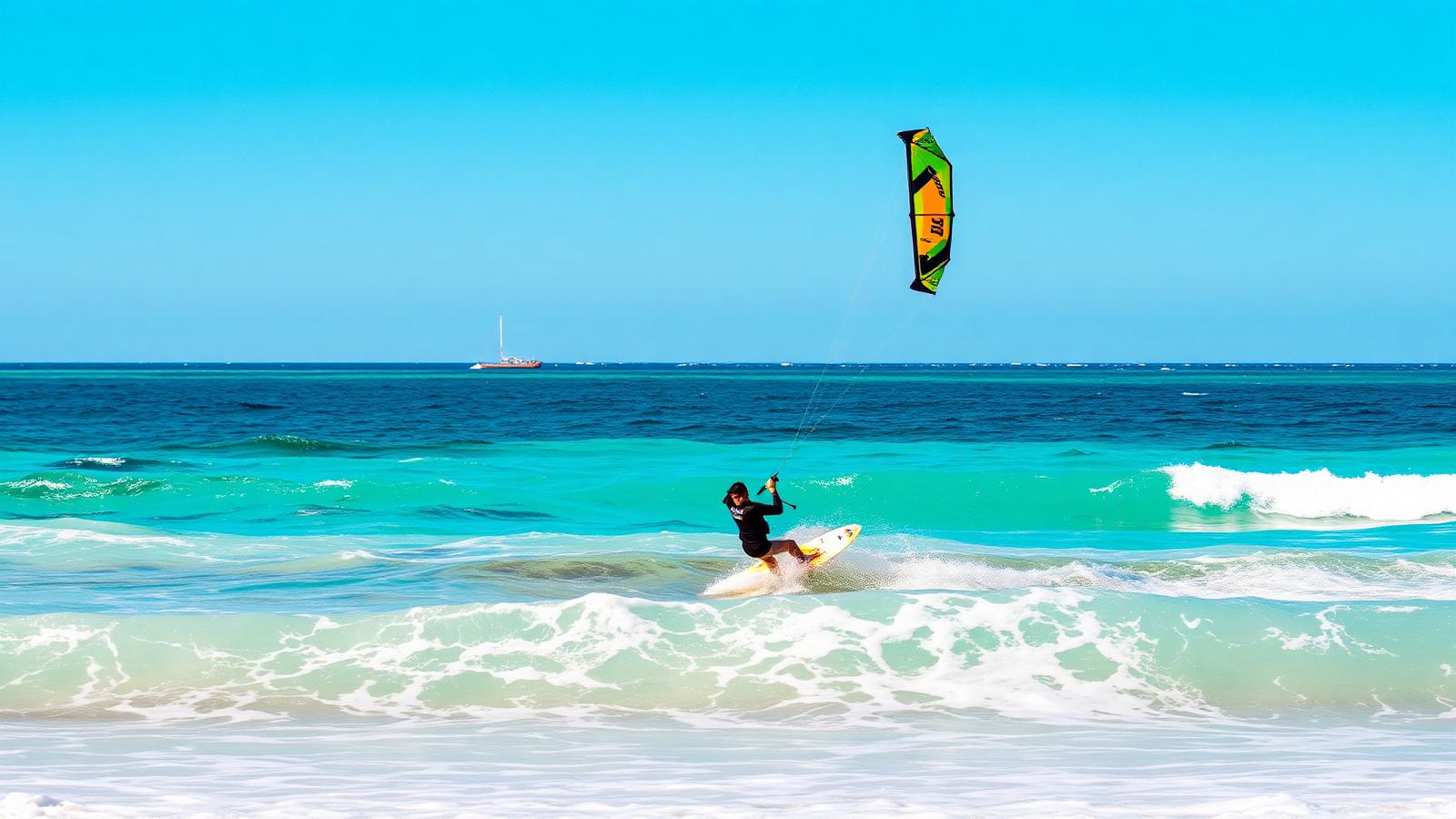
🏄 Things to do
- ·Cycle the Via Verde dei Trabocchi coastal greenway
- ·Eat a long lunch on a trabocco fishing platform
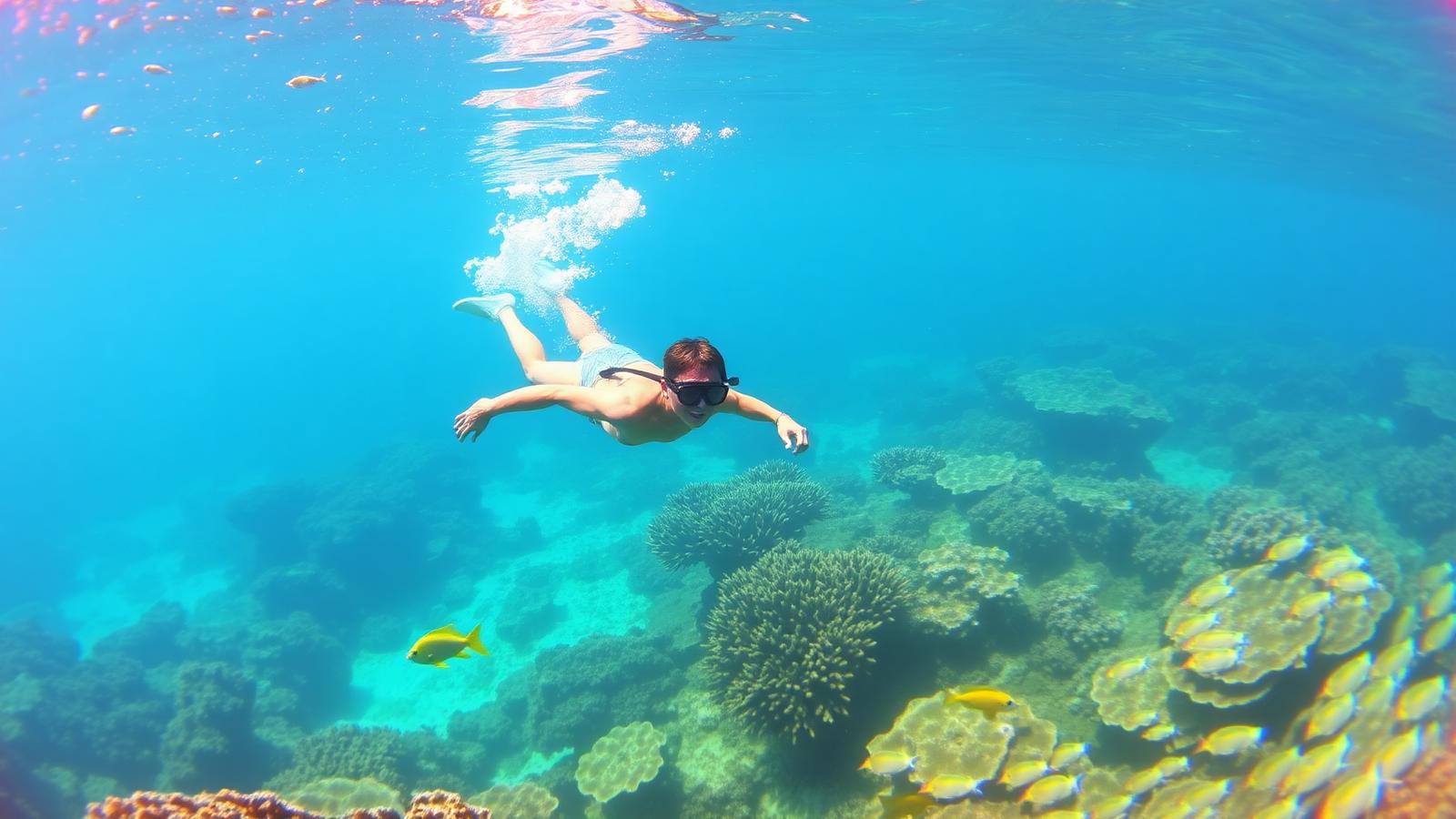
- ·Swim the Punta Aderci nature reserve beaches
- ·Ski or hike the Maiella mountains in winter