The full story
Terracina is where Romans have gone to swim for two thousand years, and it remains the most practical piece of affordable coast within reach of the capital. This 70-square-metre two-bedroom apartment is one block behind the lungomare, two hundred metres from the sand, in a well-kept post-war block with a lift, a balcony and a shared entrance courtyard. Two bedrooms, one bathroom, a living room and a separate kitchen — the standard Italian seaside layout, and one that rents easily from June through September. At this price it is roughly a third of what an equivalent walk-to-the-beach flat costs on the Tuscan or Ligurian coast.
The purchase mechanics are the same across Italy: proposal, preliminary contract with a 10–20% deposit, then the notarial deed. Foreign buyers, EU and non-EU alike, are treated the same as Italians in practice, and the whole process usually takes two to three months. Second-home costs land around 9–10% of the purchase price. On a flat like this, ongoing costs are IMU of a few hundred euros a year, the TARI rubbish tax, and condominium fees typically in the 400–900 euro-per-year range depending on whether the block has a lift and a garden — both worth checking line by line before you commit.
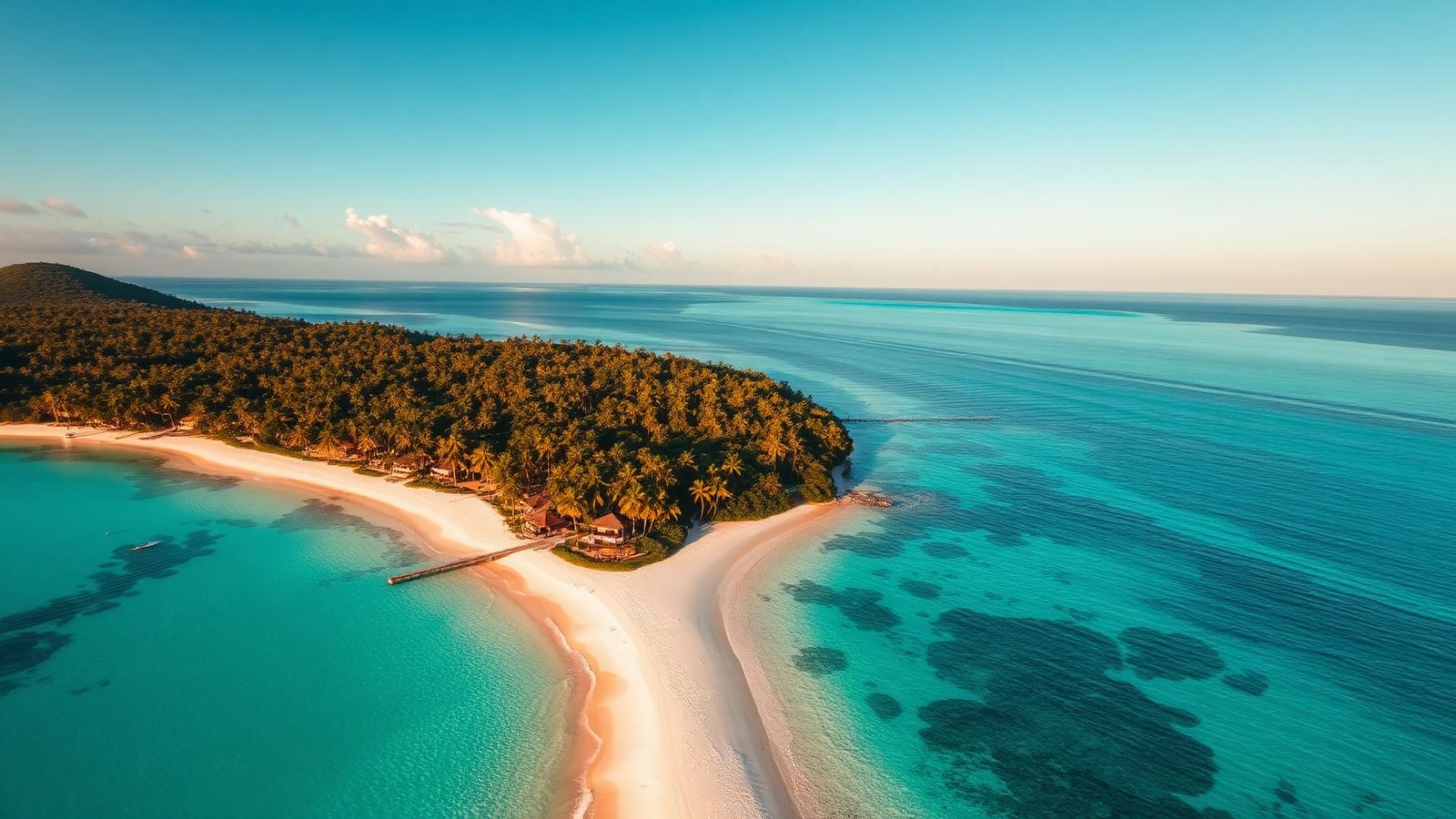
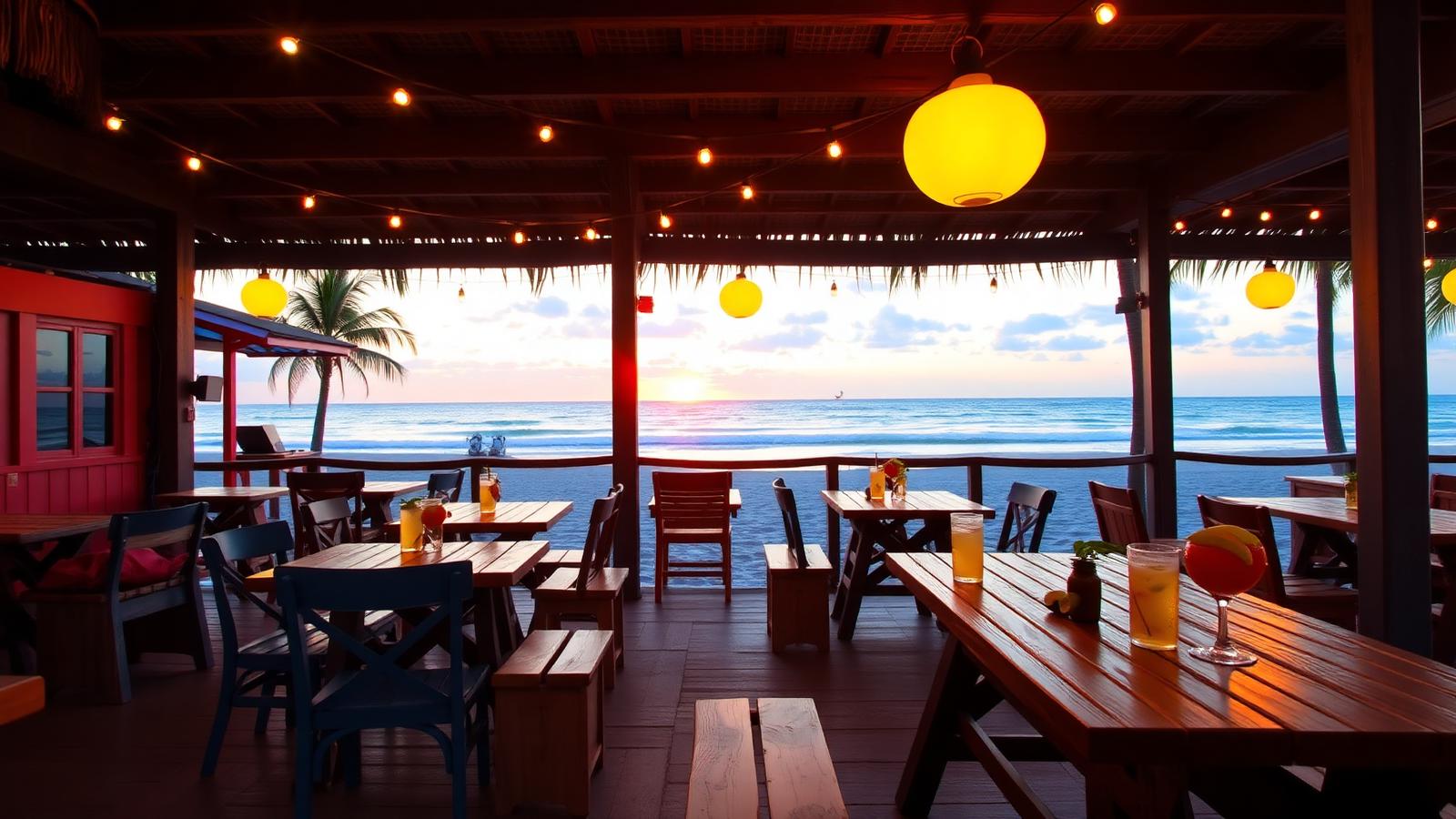
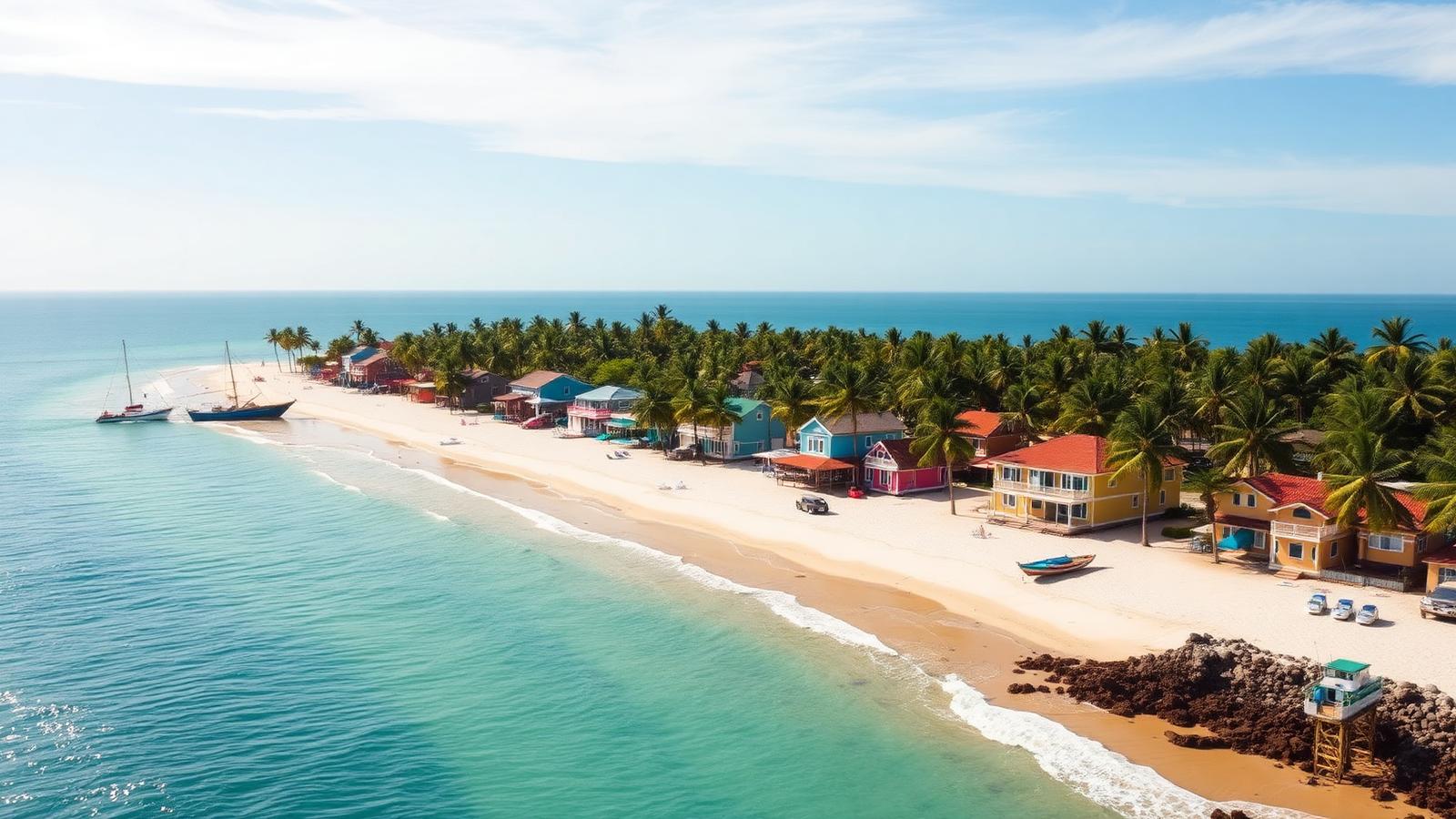
The beach is Terracina's whole argument. Seven kilometres of straight, wide sand run west from the port toward Circeo, alternating between free public stretches and organised chalets where an umbrella and two loungers cost around fifteen euros a day. The Tyrrhenian here is warm from June to October and shelves so gently that children can wade a long way out. Behind the beach the promenade is lined with palms, gelaterie and beach bars; above the town the Temple of Jupiter Anxur sits floodlit on the mountain, one of the most striking sights on this coast.
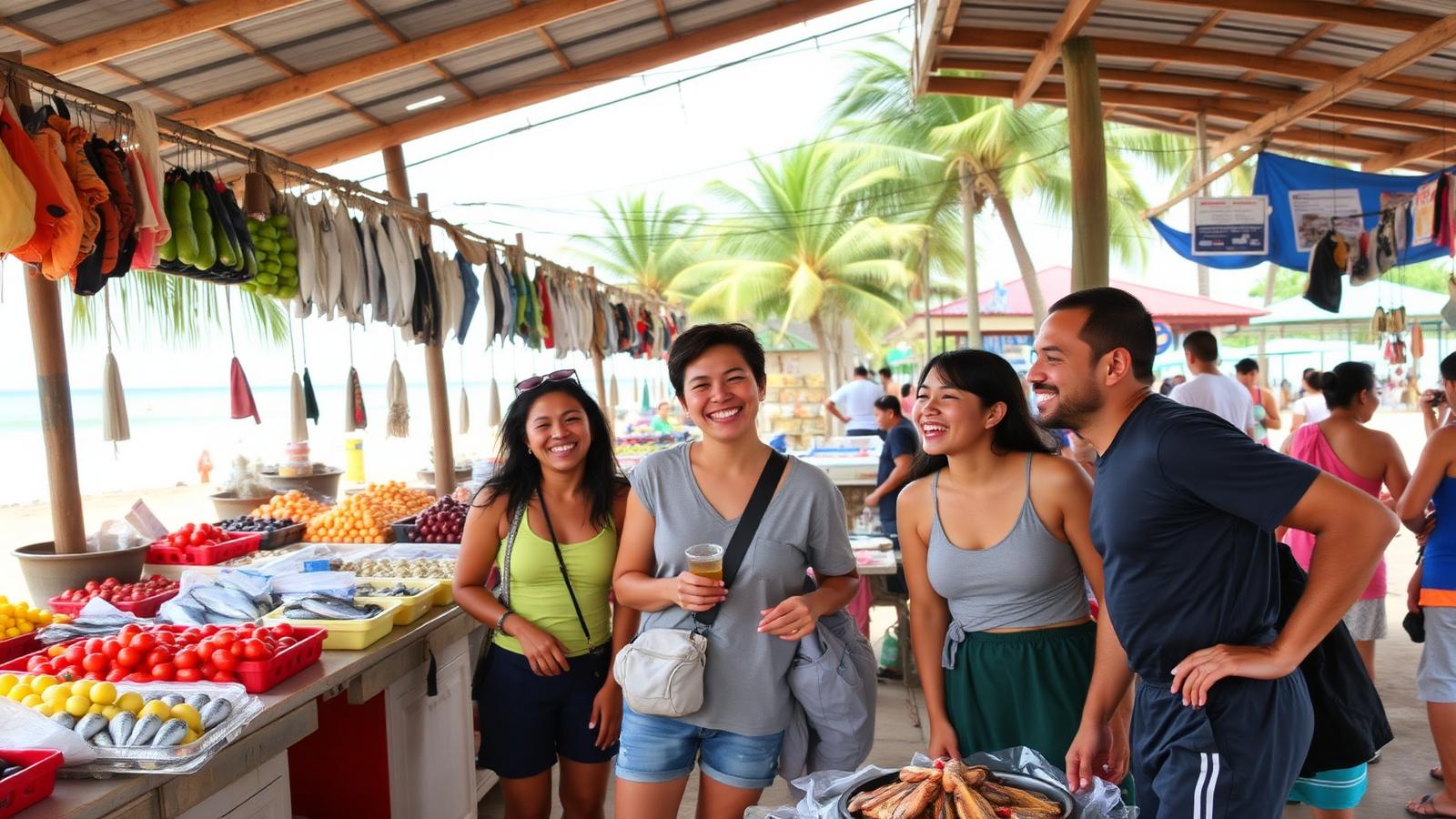
Terracina is a working town of about forty-five thousand, so unlike many Italian beach resorts it does not board itself up in October. There is a hospital, schools, a daily covered market, supermarkets, and a medieval upper town with a Romanesque cathedral built on a Roman forum. The fish market at the port supplies trattorias where a plate of spaghetti alle vongole costs twelve euros. Nearby Sperlonga — the whitewashed cliff village twenty minutes south — is the postcard, but it costs double to buy in.
What makes this flat genuinely useful is the train. Monte San Biagio-Terracina station connects to Rome Termini in about an hour and twenty minutes, so weekends from the city work without a car, and Fiumicino airport is an hour and forty minutes' drive. Circeo National Park's forest and promontory trails start ten minutes away, the ferries to Ponza and the Pontine islands leave from the town port, and the whole Riviera di Ulisse — Gaeta, Sperlonga, Sabaudia — is within half an hour.
Around the property
🏝️ The beach
Seven kilometres of straight, wide, gently shelving sand
- Sand
- Fine pale gold sand with mixed free and lido sections
- Water
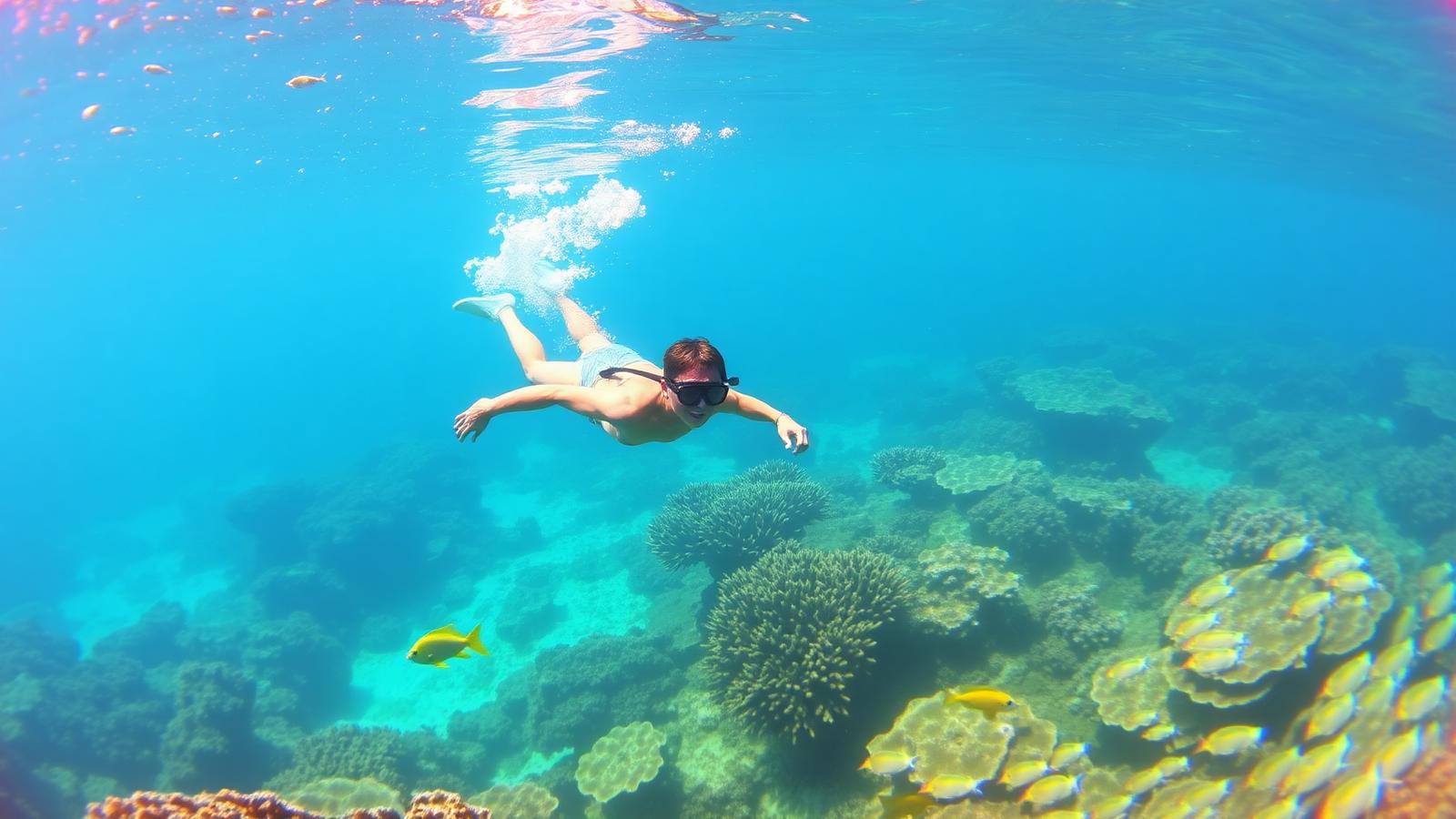
- Warm Tyrrhenian, shallow for a long way out, calm in summer
🍽️ Eat & drink nearby
- ·Fish trattorias at Terracina's port
- ·Pizza al taglio in the old upper town
- ·Beach chalets serving lunch on the sand
- ·Trattorias in Sperlonga — 20 min
🛍️ Shops & markets
- ·Supermarkets and the daily covered market
- ·Saturday street market
- ·Latina retail parks — 30 min
- ·Local produce: buffalo mozzarella and Moscato di Terracina
✈️ Getting there
- ·Monte San Biagio-Terracina station — trains to Rome 1 h 20
- ·Rome Fiumicino (FCO) — 1 h 40 by car
- ·Ferries to Ponza from Terracina port
- ·Regular buses to Latina and Formia
🏄 Things to do
- ·Climb to the Temple of Jupiter Anxur at sunset
- ·Hike Circeo National Park's promontory trails
- ·Ferry to the island of Ponza for the day
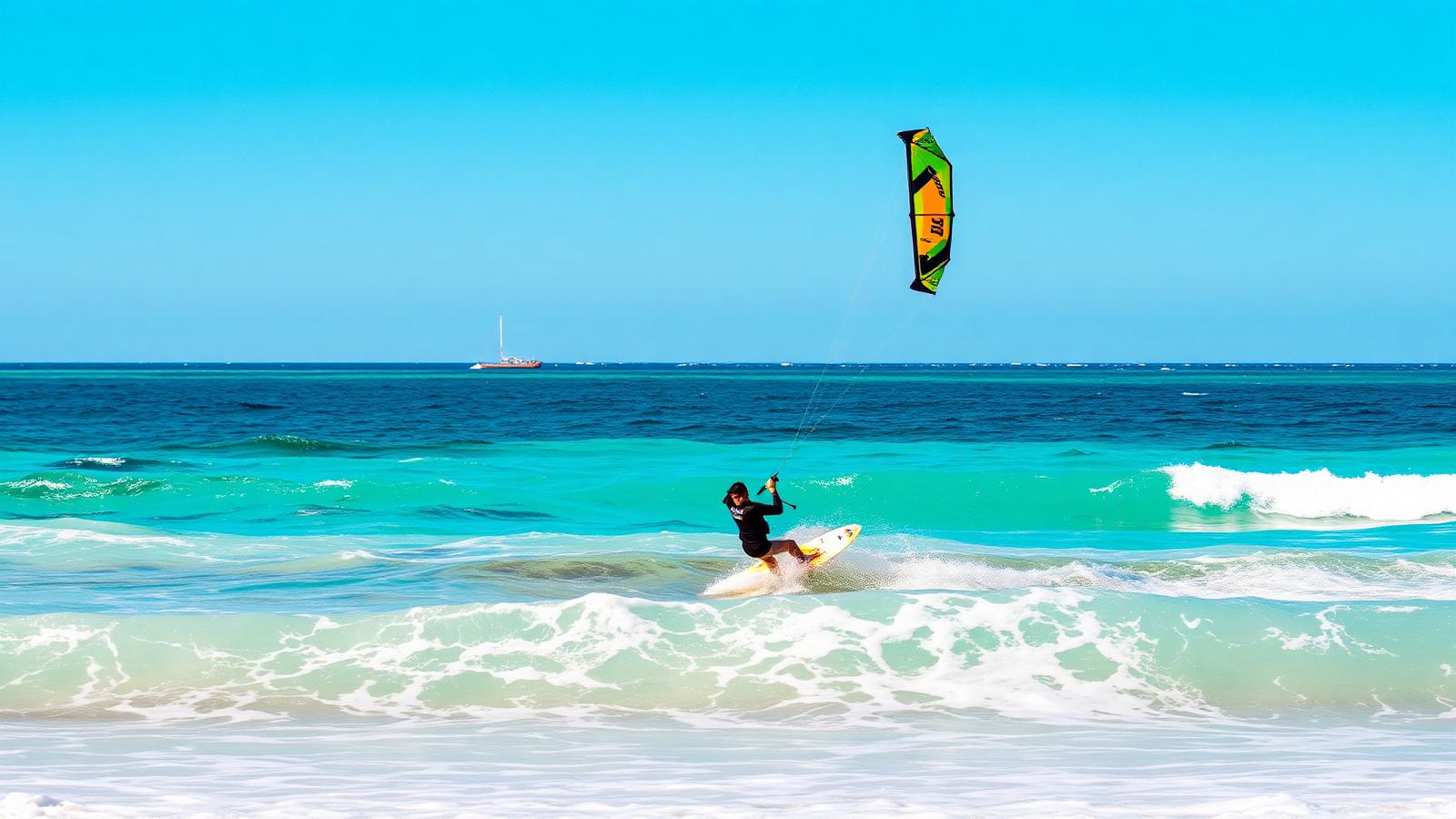
- ·Windsurf and sail from the town beaches