The full story
Sciacca is a baroque town stacked on a cliff over one of Sicily's busiest fishing ports, and it is one of the last places in western Sicily where a whole three-bedroom house with a sea view costs less than eighty thousand euros. This 95-square-metre townhouse runs over three narrow levels in the historic centre: kitchen and living room at street level, two bedrooms above, and a third bedroom plus a small roof terrace at the top, where the view opens over terracotta roofs to the harbour and the open Mediterranean. Original tiled floors, thick masonry, high ceilings. It is habitable and has been lived in continuously; a buyer would want to modernise the bathroom and rewire in time, but nothing is urgent.
Sicily is where Italy's cheap-house story is real rather than a headline. Away from the one-euro-house schemes and their renovation obligations, ordinary centro storico houses in towns like Sciacca simply trade at low prices because young Sicilians have moved north. Foreigners buy on the same terms as Italians; the notaio handles everything; budget 9–10% over the price in taxes and fees. IMU and rubbish tax on a house of this size in Sciacca typically total well under a thousand euros a year. Renovation labour and materials are cheap by northern European standards, and skilled masons and tilers are easy to find locally.
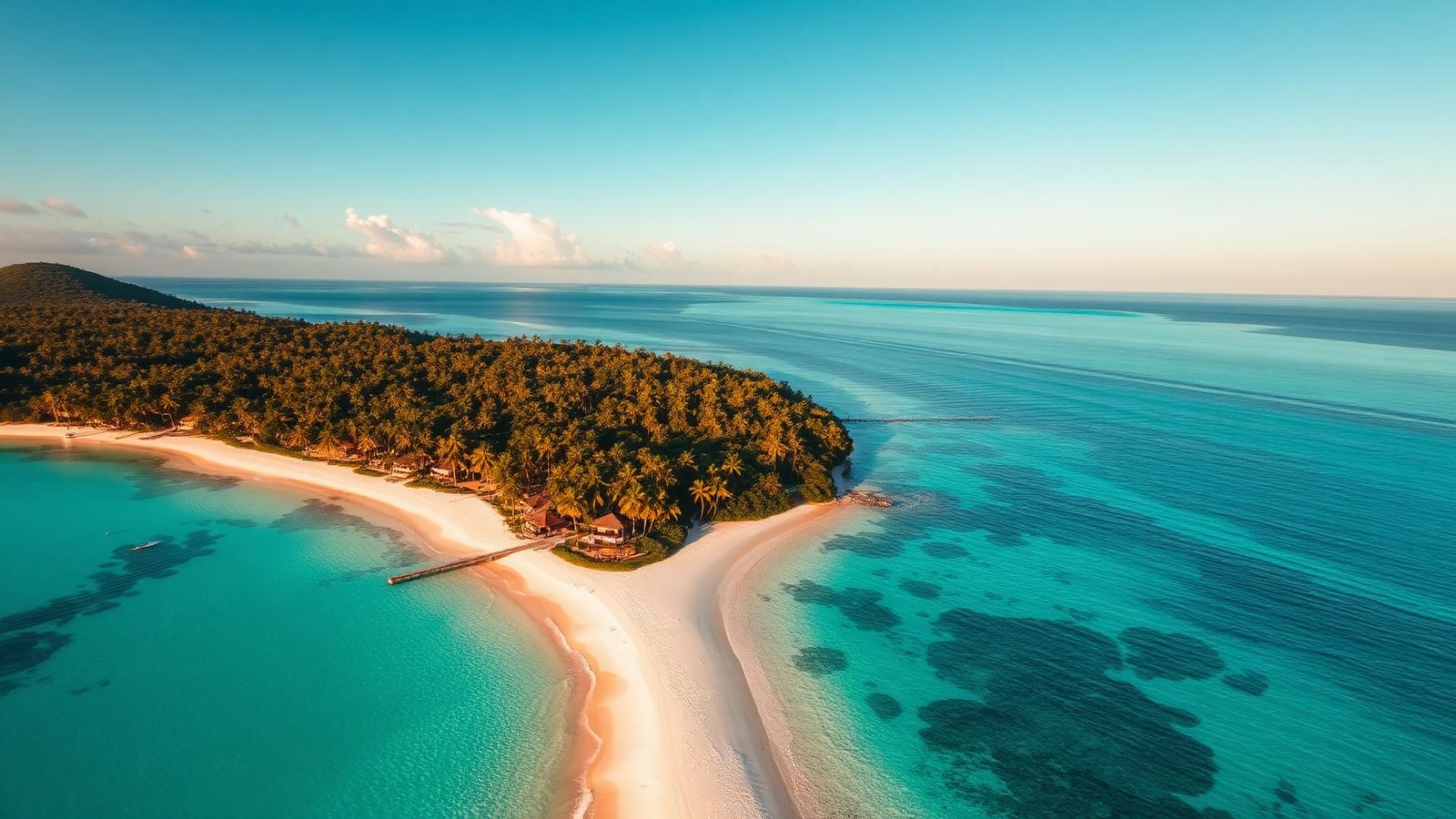
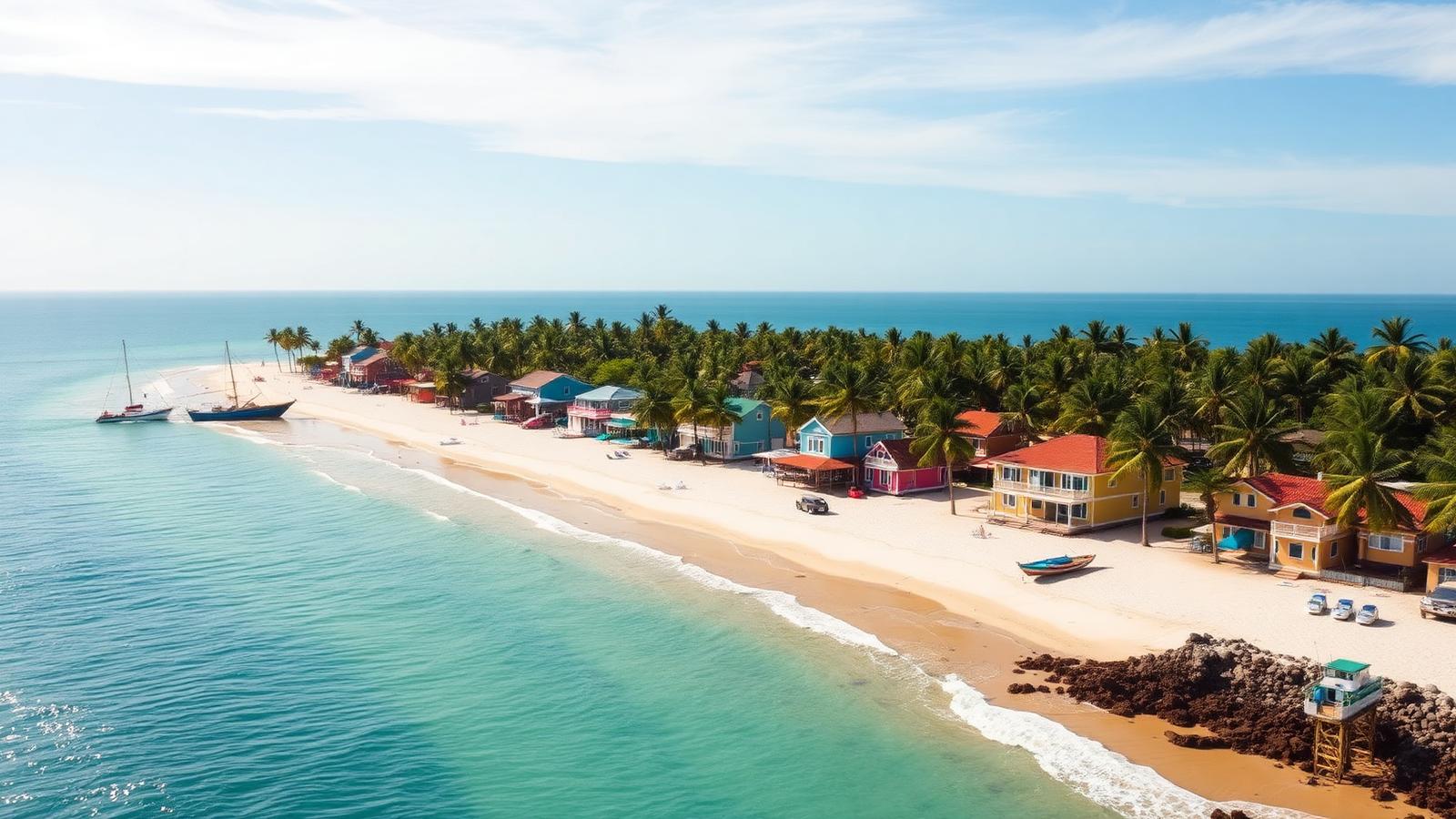
The beach is an eight-minute walk downhill — sandy town beaches with bathing establishments in summer, and rocky platforms where locals swim off the flat stone. Twenty minutes west, Eraclea Minoa offers something far grander: a long crescent of pale sand backed by white marl cliffs and a pine forest, with a Greek theatre on the headland above it. The sea along this southern coast is deep blue and warm well into November, and because Sicilian mass tourism concentrates on Taormina and the north-east, these beaches stay comparatively empty even in August.
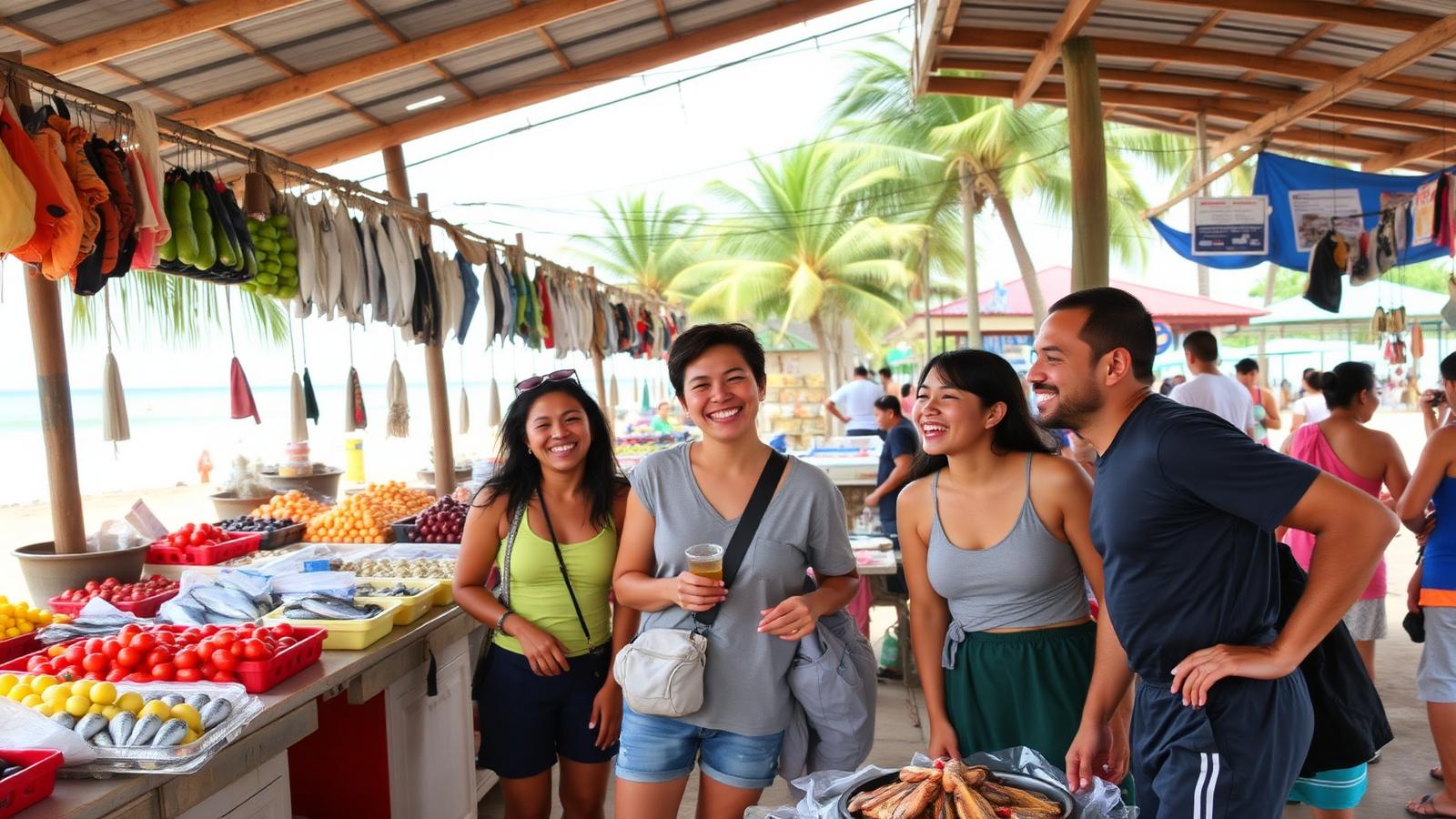
Sciacca has an identity most beach towns lack. Its fishing fleet still lands sardines and anchovies daily; its ceramic workshops have been making painted majolica since the fifteenth century; its February carnival, with giant papier-mâché floats, is the biggest in Sicily. Everyday costs are startlingly low: coffee and a granita for two euros, a plate of pasta con le sarde for eight, a full seafood dinner with wine for twenty-five. The town has hospitals, schools, banks and supermarkets, and around forty thousand residents keep it alive year-round.
The setting rewards exploration. Agrigento's Valley of the Temples — the finest Greek ruins outside Greece — is forty-five minutes east. Selinunte's ruined acropolis is forty minutes west. The Menfi and Sambuca wine country begins immediately inland, and the thermal steam caves of Monte Kronio, used since antiquity, sit on the hill above the town. Palermo and Trapani airports are both under two hours, putting the house within a comfortable day's travel of most of Europe.
Around the property
🏝️ The beach
Sandy town beaches and rocky bathing platforms; long dunes at Eraclea Minoa nearby
- Sand
- Fine golden sand, coarse in places, some rocky sections
- Water
- Clear, deep blue, warm from May to November
🍽️ Eat & drink nearby
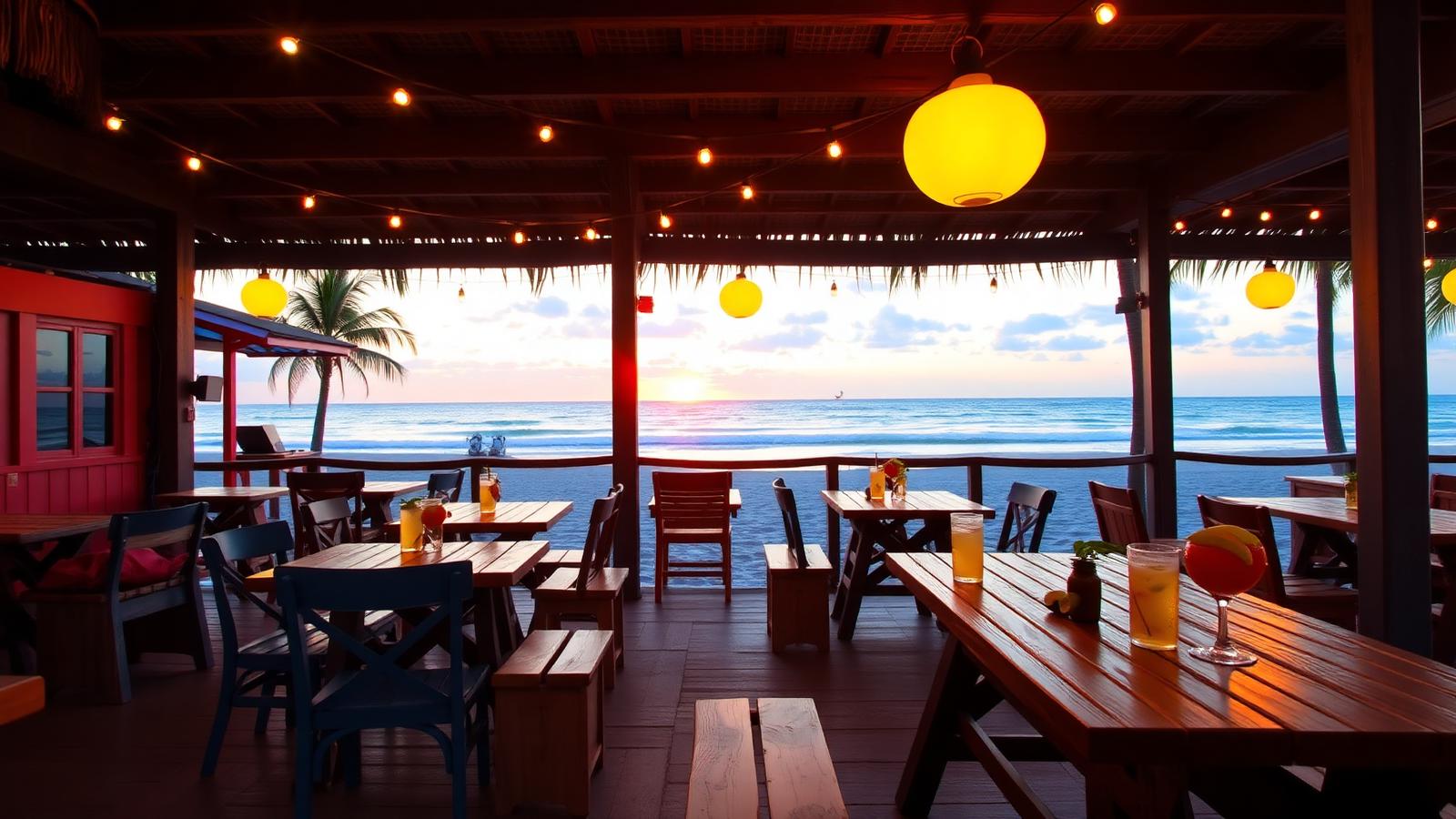
- ·Fish trattorias at the Sciacca port
- ·Sicilian street food in Piazza Scandaliato
- ·Pizzerias along Corso Vittorio Emanuele
- ·Countryside agriturismi toward Menfi
🛍️ Shops & markets
- ·Supermarkets and the daily fish market
- ·Ceramic workshops — Sciacca's famous craft
- ·Weekly street market
- ·Menfi and Sambuca wine estates
✈️ Getting there
- ·Palermo Airport (PMO) — 1 h 45
- ·Trapani Airport (TPS) — 1 h 45
- ·Buses to Agrigento and Palermo
- ·Motorway link at Castelvetrano — 40 min
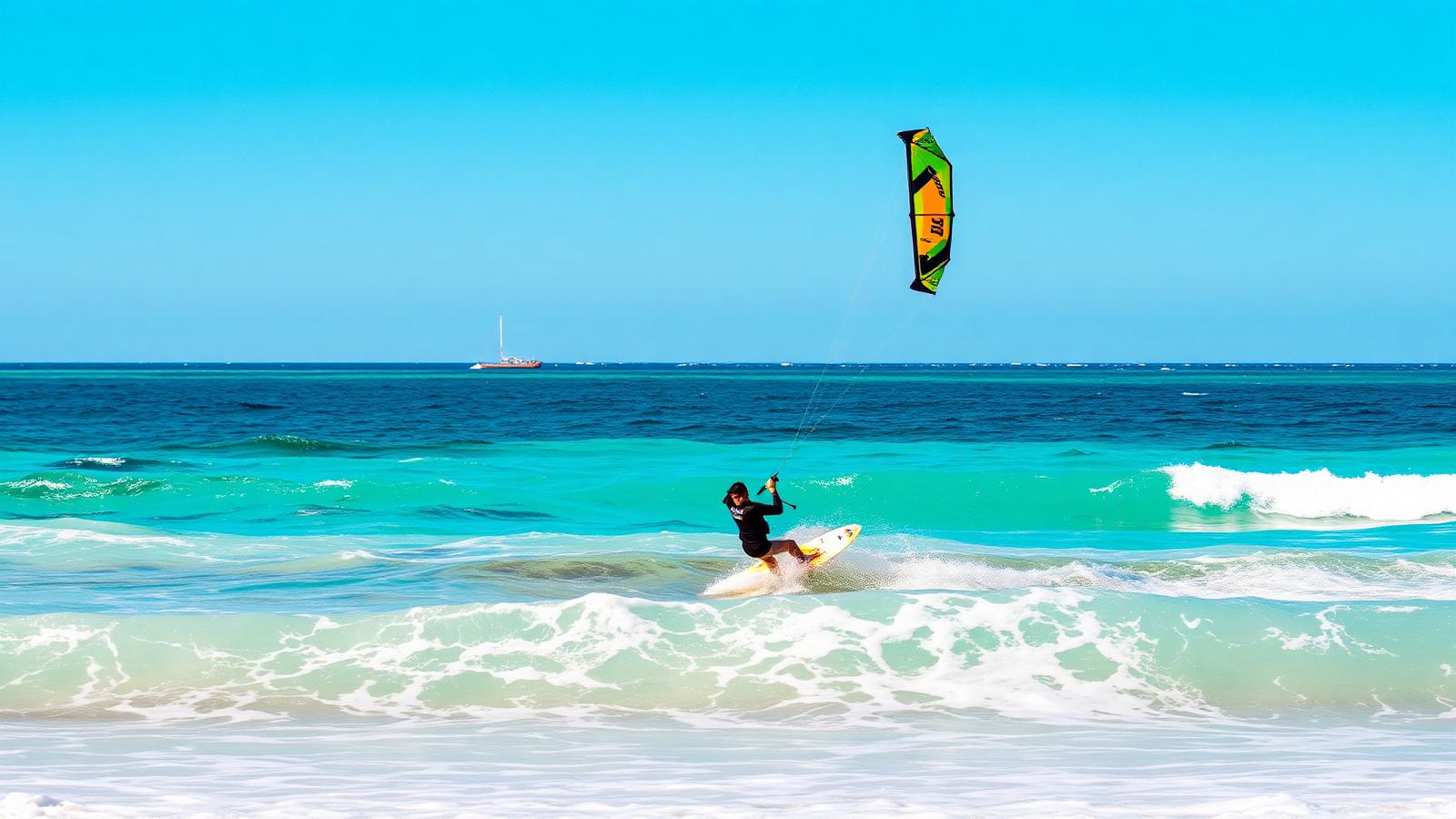
🏄 Things to do
- ·Soak in the natural steam caves of Monte Kronio
- ·Beach days at Eraclea Minoa's dune coast
- ·Valley of the Temples at Agrigento
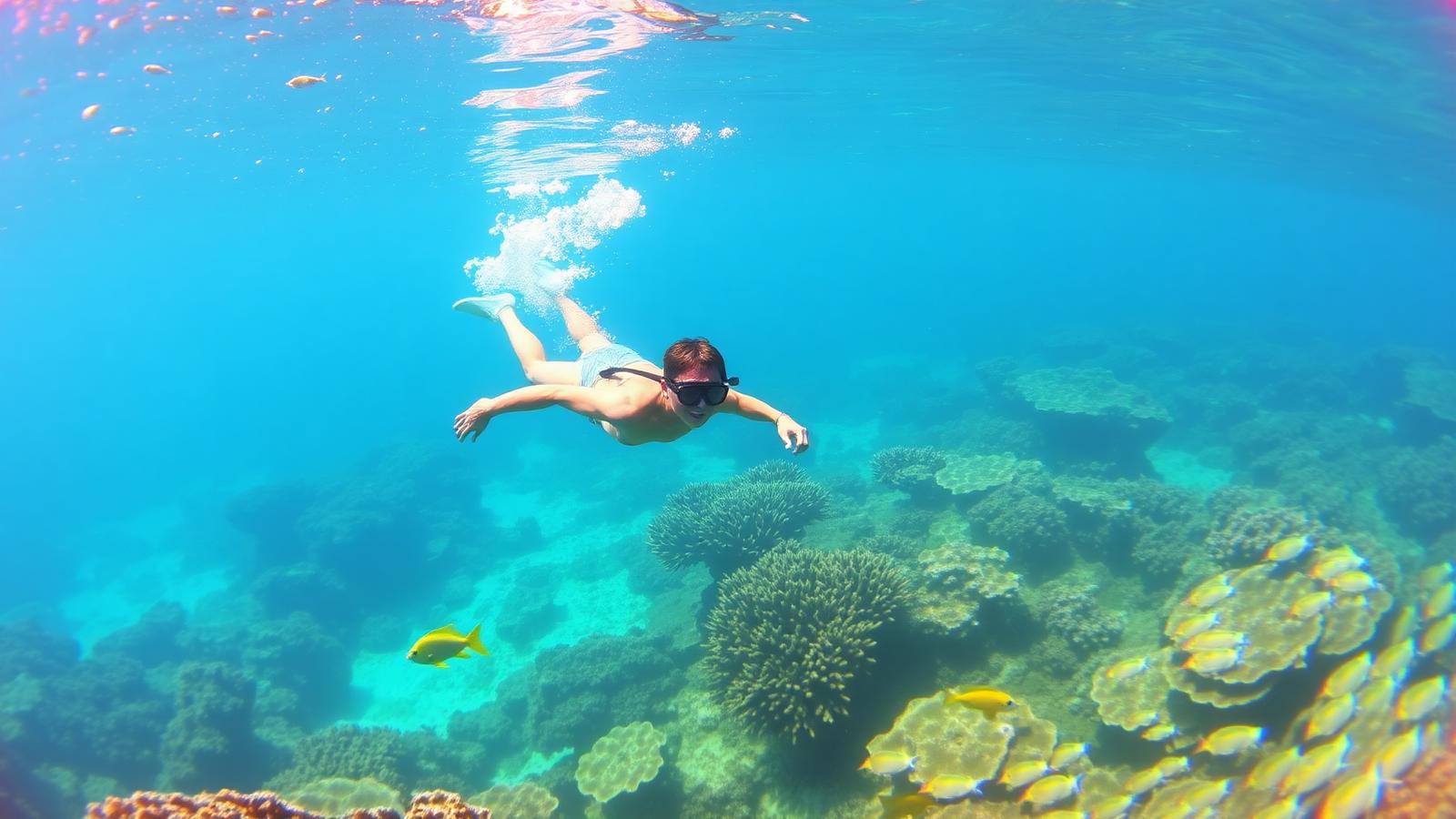
- ·Boat trips and diving off the Sciacca reefs