The full story
Bosa is the town people photograph on the way to somewhere else in Sardinia — a stack of pastel houses climbing to the Malaspina castle above the Temo, the island's only navigable river. Two kilometres downstream, where the river meets the sea, is Bosa Marina, and this 76-square-metre two-bedroom house sits a 350-metre walk from its beach. Whitewashed and shuttered, with two bedrooms, a bathroom, a living-dining room and a walled courtyard big enough for a table, a lemon tree and a drying line for towels. It is a straightforward, well-built Sardinian holiday house — no renovation project, no surprises.
Sardinia's property market is famously bifurcated. The Costa Smeralda in the north-east trades in millions; the west coast, an hour from any celebrity, trades in tens of thousands. Buying is standard Italian practice — notarial deed, roughly 9–10% in taxes and fees on a second home, no restriction on foreign ownership. Sardinian holding costs are low: IMU on a house this size runs a few hundred euros annually, and there are no condominium charges on a standalone property. Local builders are affordable and used to working on holiday homes for absentee owners.
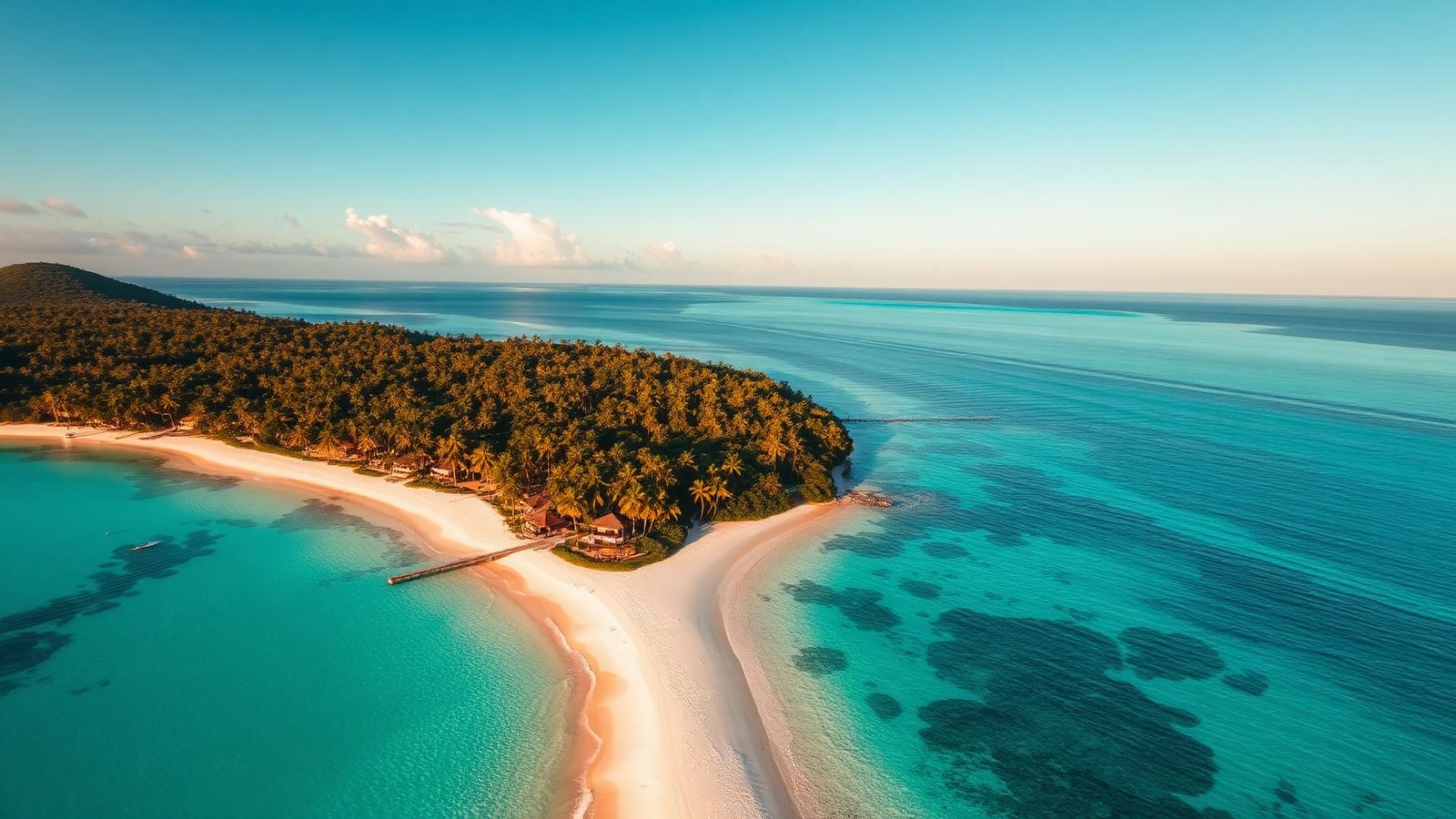
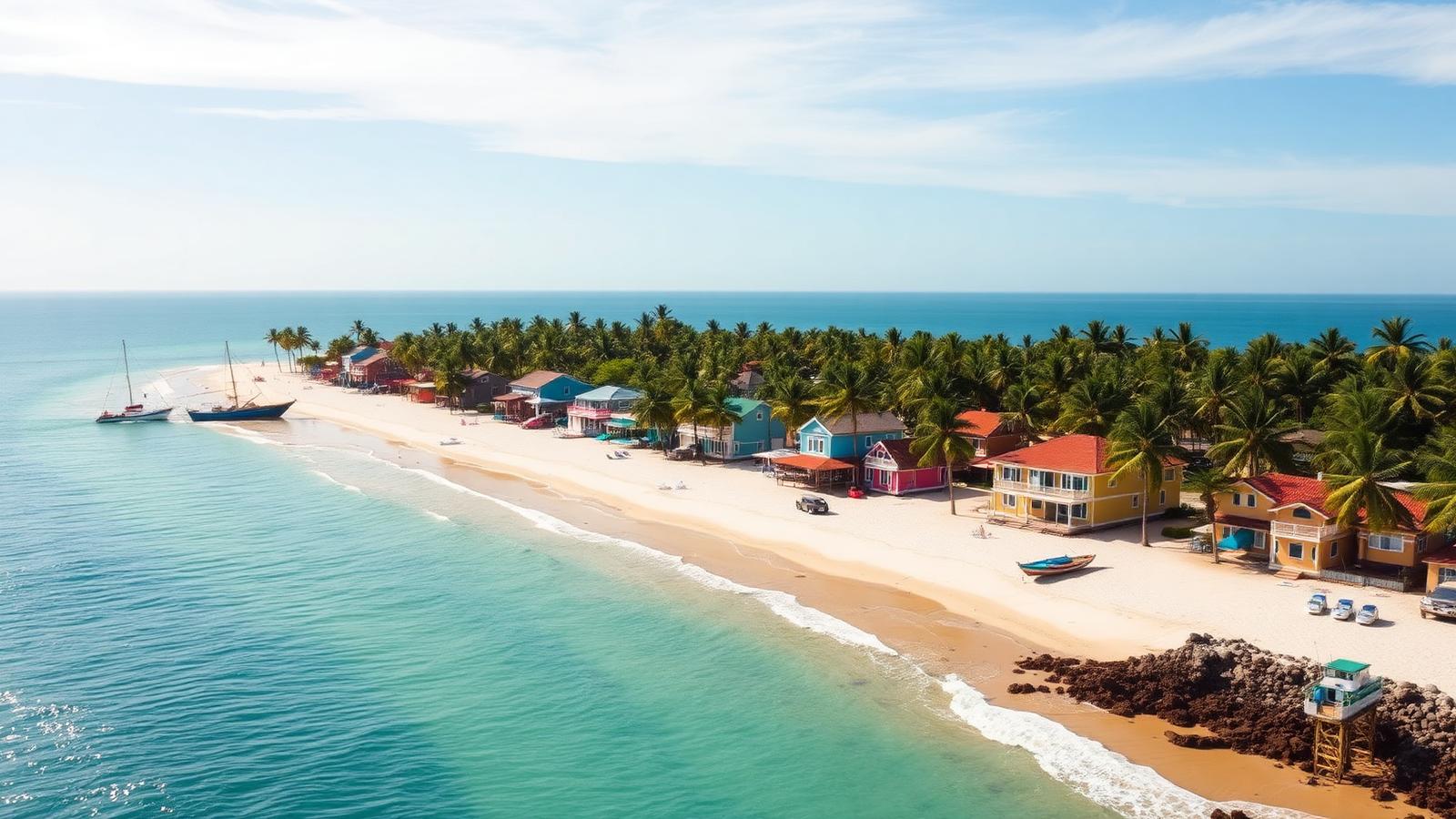
The beach at Bosa Marina is one of Sardinia's more reliably pleasant: a wide crescent of fine pale sand inside a sheltered bay, watched over by the sixteenth-century Spanish tower on the headland. It holds Blue Flag status, shelves gently, and because the bay is protected the water stays calm on days when the rest of the west coast is being hammered by the mistral. Umbrellas and pedalos rent in summer; in June and September you will often have long stretches of it to yourself. Wilder beaches — Compoltittu, S'Abba Druche, Turas — are a short drive along the coast.
The old town upriver is the pleasure of living here. Sa Costa, the medieval quarter, is a maze of stepped lanes under the castle; the riverfront Sas Conzas are the old tanneries, now a monument to the leather trade that built the town. Restaurants serve fregola with clams, bottarga, suckling pig, and the amber Malvasia di Bosa that is made in only a handful of cellars in the world. A full dinner with wine sits around twenty-five to thirty euros. Bosa has around eight thousand residents, a health centre, schools and supermarkets, and stays open through winter.
The road north from Bosa to Alghero is regularly called one of the finest coastal drives in Europe: forty-five kilometres of empty asphalt curling above cliffs where griffon vultures nest, with no development the entire way. Alghero — Catalan-speaking, walled, and served by an international airport — is fifty minutes at the end of it. Cagliari is a little over two hours south. For a buyer who wants Sardinian sea and Sardinian food without the Costa Smeralda price tag, the west coast is the answer, and Bosa Marina is its most liveable point.
Around the property
🏝️ The beach
Sheltered river-mouth bay beach guarded by a 16th-century Spanish tower
- Sand
- Fine pale golden sand, wide and gently shelving
- Water
- Clear turquoise, calm inside the bay, Blue Flag rated
🍽️ Eat & drink nearby
- ·Seafood trattorias on the Bosa riverfront
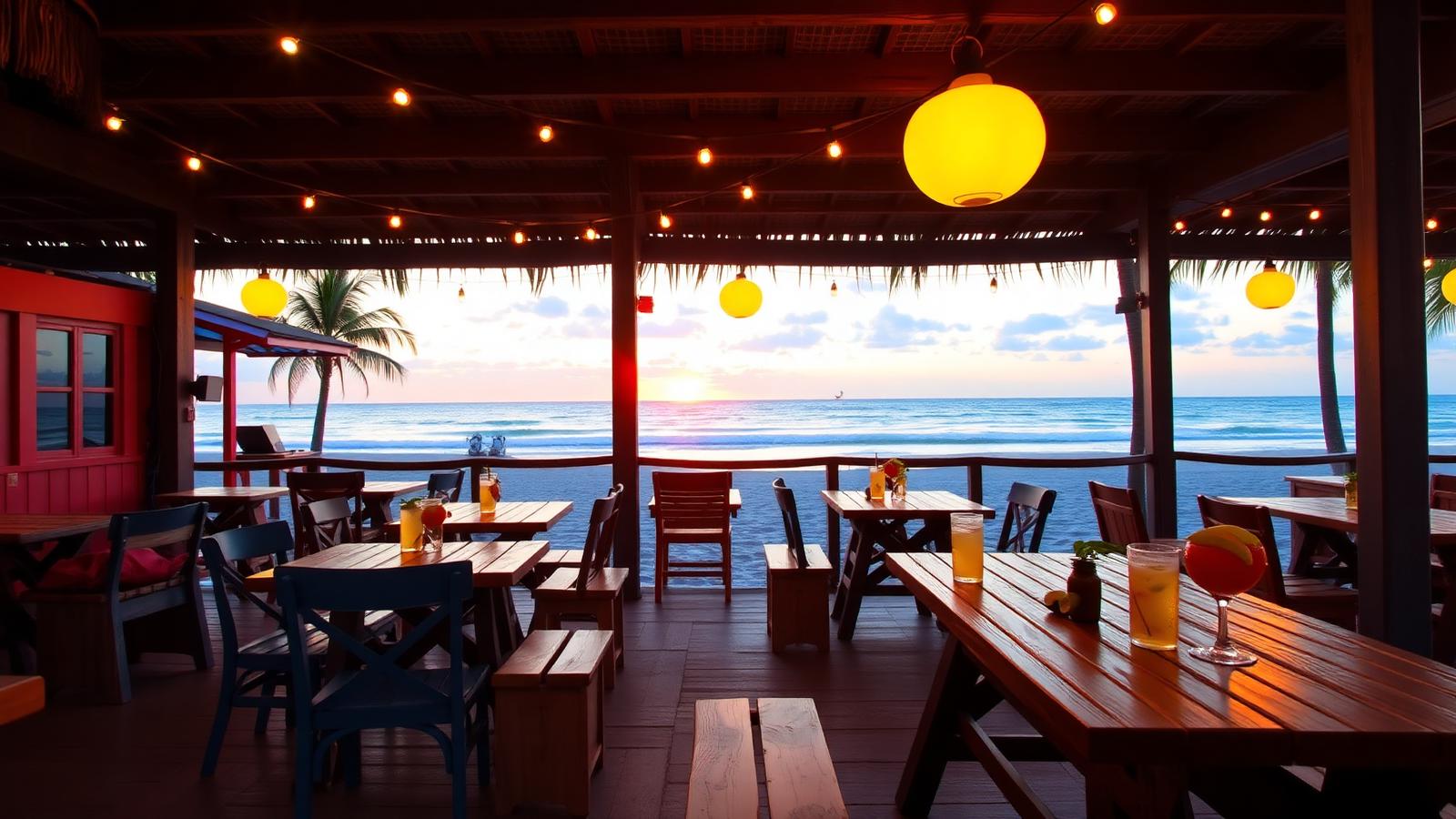
- ·Beach kiosks at Bosa Marina
- ·Agriturismi in the Planargia hills
- ·Malvasia di Bosa wine cellars
🛍️ Shops & markets
- ·Supermarkets in Bosa and the marina
- ·Weekly market in the old town
- ·Alghero shops — 50 min
- ·Local craft: filet lace and coral jewellery
✈️ Getting there
- ·Alghero Airport (AHO) — 50 min
- ·Cagliari Airport (CAG) — 2 h 15
- ·Ferries to Genoa and Civitavecchia from Porto Torres
- ·Buses to Alghero and Oristano
🏄 Things to do
- ·Drive the Bosa–Alghero coast road, one of Europe's finest
- ·Kayak up the Temo river beneath the castle
- ·Watch griffon vultures on the Capo Marargiu cliffs
- ·Wine tasting in the Malvasia cellars