The full story
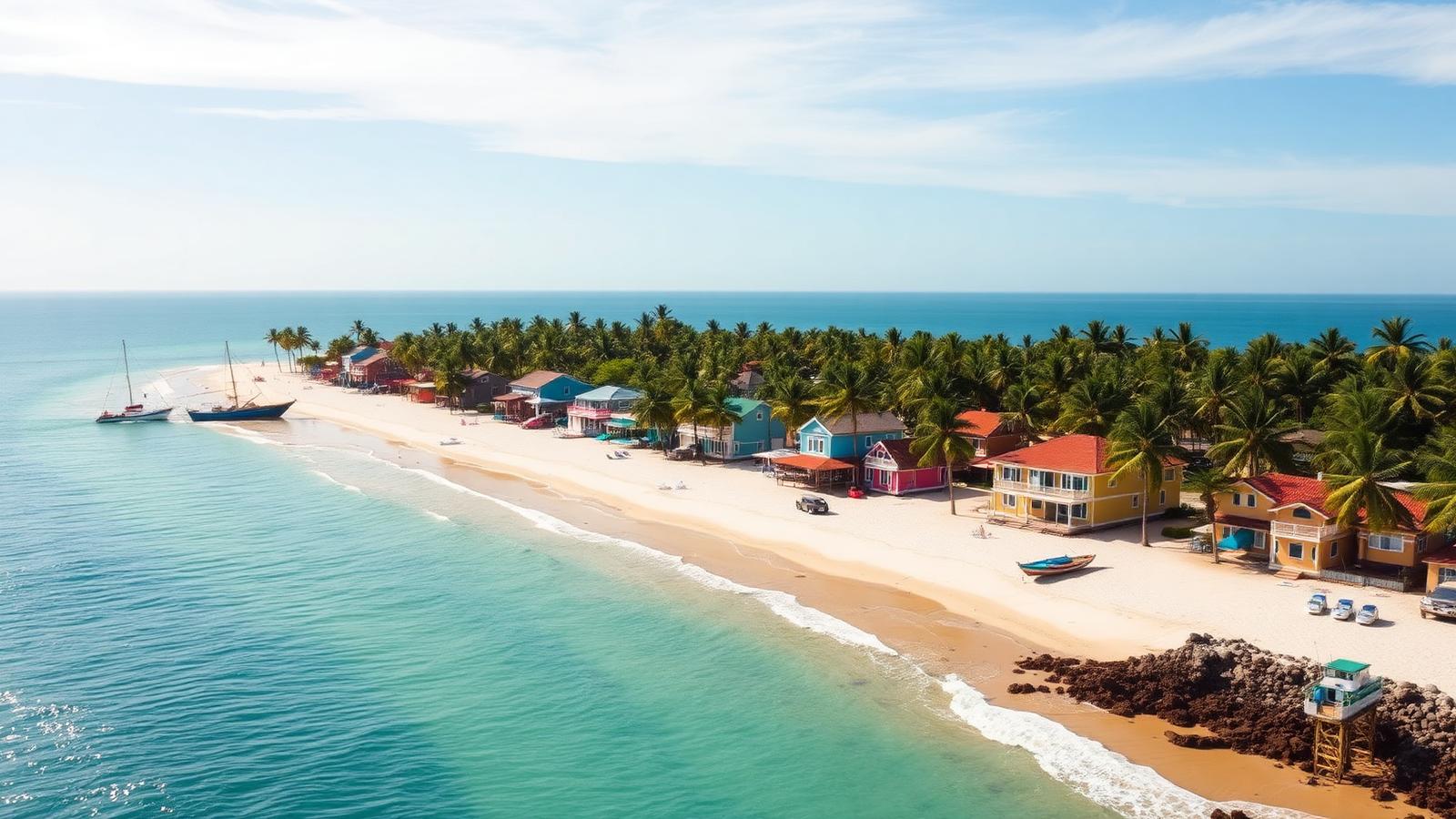
Agadir is Morocco's beach city: a ten-kilometre crescent of sheltered golden sand backed by a palm-lined promenade, rebuilt in modern low-rise form after the 1960 earthquake and now the country's main year-round seaside destination. It has an international airport with direct European flights twelve months a year, three golf courses, a marina, hypermarkets and hospitals — the full infrastructure that most cheap beach towns lack.
This apartment is a two-bedroom, two-bathroom flat of ninety-two square metres in a modern block three hundred metres back from the promenade, with a balcony angled to catch a clear view across the palms to the bay. The building has a lift, secure entry, a caretaker and allocated parking, and is the kind of property that can be owned from abroad with minimal fuss.
Internally it is bright and contemporary: an open living and dining space with sliding doors to the balcony, a fitted kitchen, a master bedroom with en-suite shower room, a second double bedroom, and a family bathroom. Floors are large-format pale tile, walls are plain, and air conditioning is fitted in the main rooms. There is nothing to do before moving in.
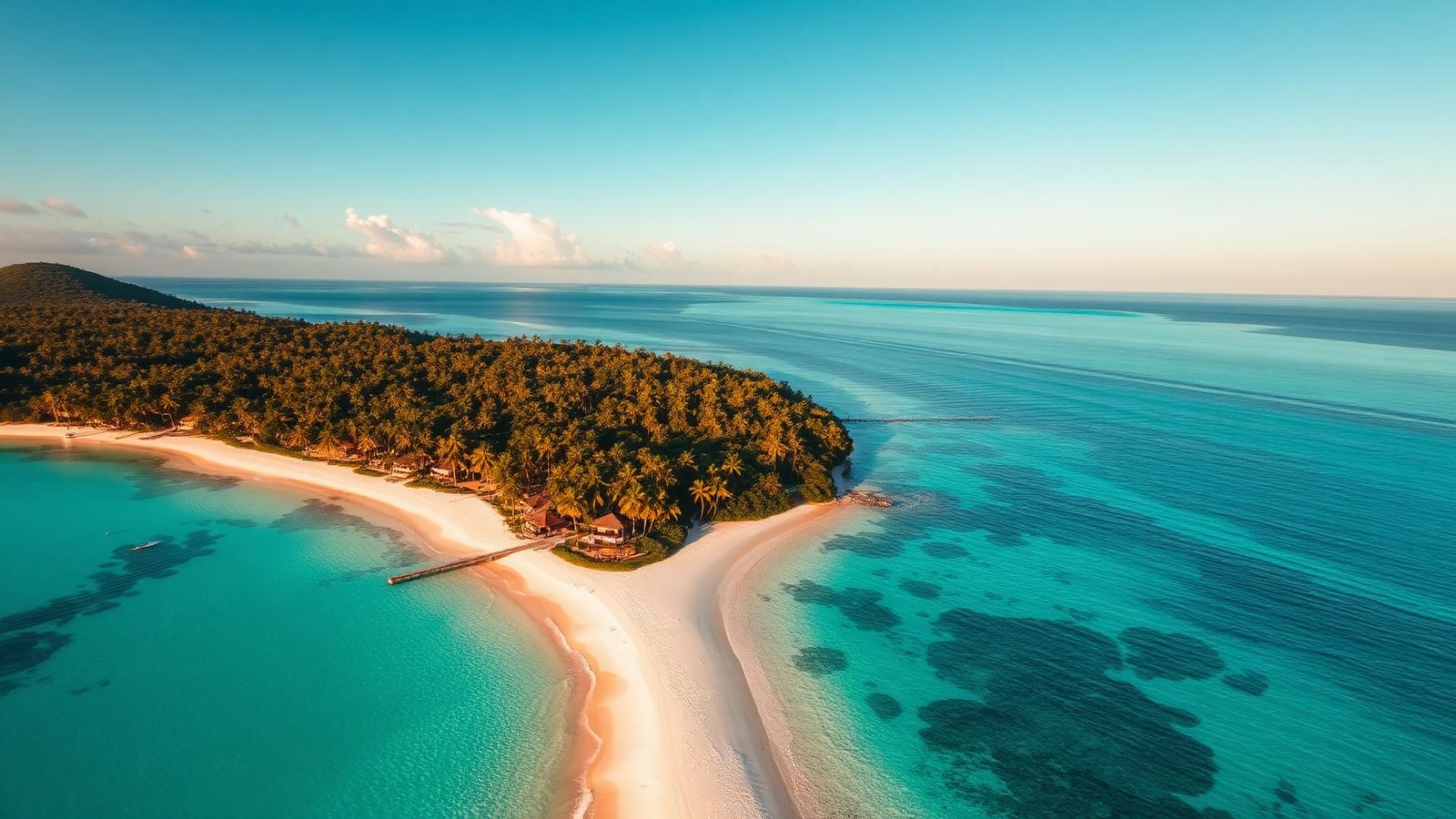
The bay is what makes Agadir work as a place to live rather than just visit. Because the beach curves inside a headland, the Atlantic swell is knocked down and the water is calm enough for everyday swimming — unusual on this coast. The sand is groomed and lifeguarded through the season, the promenade runs the full length with cafes and cycle lanes, and the microclimate delivers around three hundred sunny days a year with winter daytime temperatures in the low twenties.
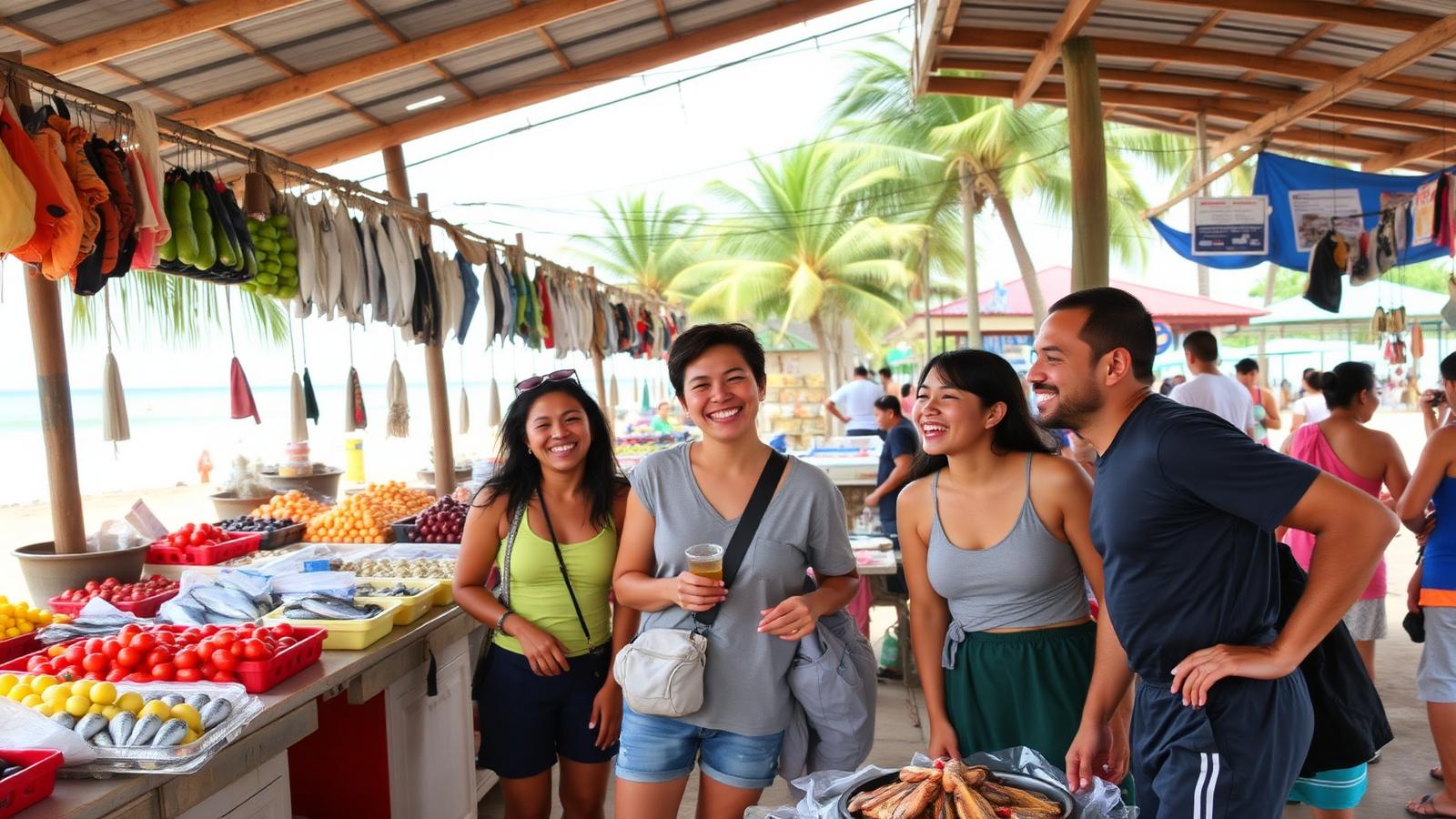
Everything practical is close. Souk El Had, one of the largest markets in Africa, sells everything from spices to furniture behind thick walls a few kilometres inland. There are two hypermarkets, private clinics with English- and French-speaking doctors, international schools and a large university. The bus rapid transit line along the corniche makes getting around cheap and simple without a car.
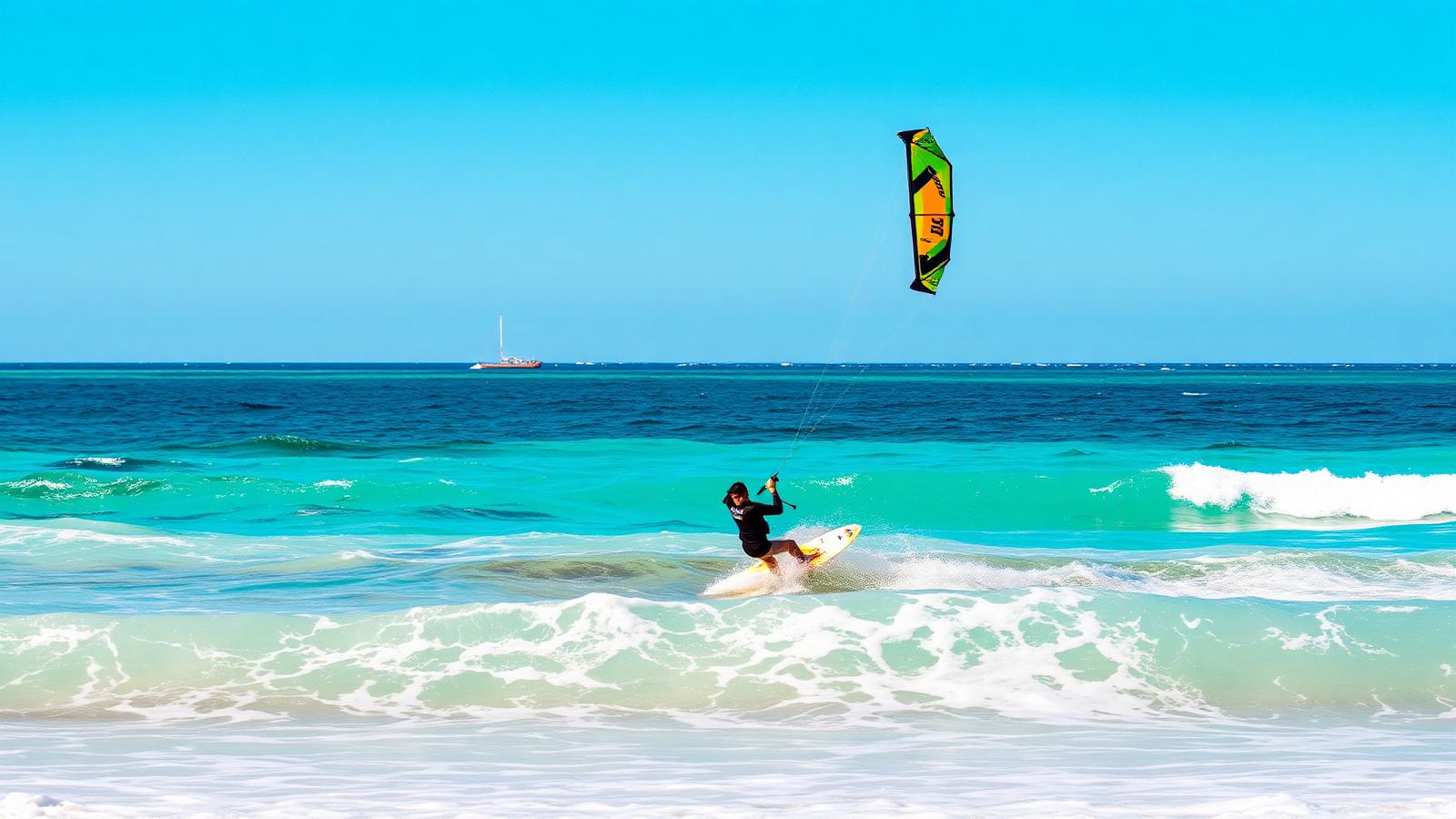
Surfers use Agadir as a base rather than a break: Anza is ten minutes north, Taghazout and Anchor Point twenty, and Imsouane about an hour. Golfers have three championship courses within twenty minutes. Inland, Paradise Valley's palm gorges and the Souss-Massa National Park make easy half-day trips.
For rental income, Agadir has the deepest and most reliable market on the Moroccan coast. Northern European visitors come through the winter for sun, Moroccan families come in summer, and business and medical travel fills gaps. A modern two-bedroom, two-bathroom flat with a sea-view balcony near the corniche is exactly the format the platforms sell best, and professional management companies in the city are numerous and competent.
Buying follows Moroccan standard practice: notary-led, title verified at the Conservation Foncière, and roughly six to seven per cent in registration, notary and agency costs. Foreigners own freehold apartments outright. In modern blocks, check the syndic accounts, monthly charge (usually a few hundred dirhams covering lift, caretaker and common areas) and the building's permis d'habiter before completing.
Ongoing costs remain modest by any European comparison. Municipal tax on an apartment at this value runs to a few thousand dirhams a year, electricity and water are cheap, and the syndic handles the exterior. A local manager will handle guest turnover for a percentage, which makes remote ownership genuinely hands-off.
The trade-off with Agadir is character. It is a modern, planned city rather than a historic medina town — clean and functional, but without the visual romance of Essaouira or Asilah. The compensations are substantial: real infrastructure, year-round sun, direct flights, calm swimming water, and a 1,150,000-dirham price on a two-bathroom sea-view apartment that would cost five to ten times as much on the northern shore of the same ocean.
Around the property
🏝️ The beach
Ten-kilometre sheltered crescent bay beach with a full promenade
- Sand
- Fine golden sand, groomed daily, gently shelving and lifeguarded in season
- Water
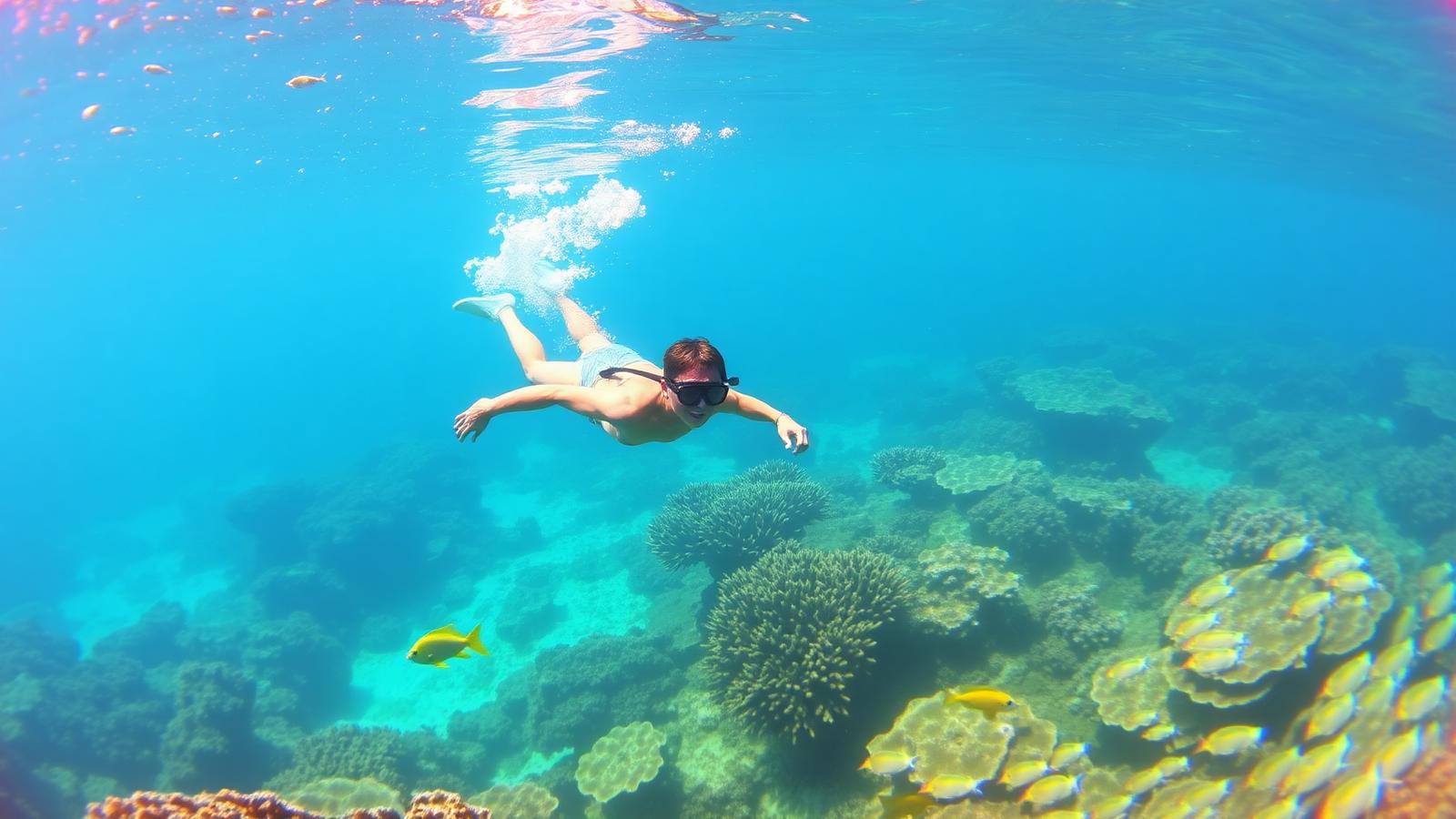
- Atlantic but sheltered by the headland — calm enough for everyday swimming
🍽️ Eat & drink nearby
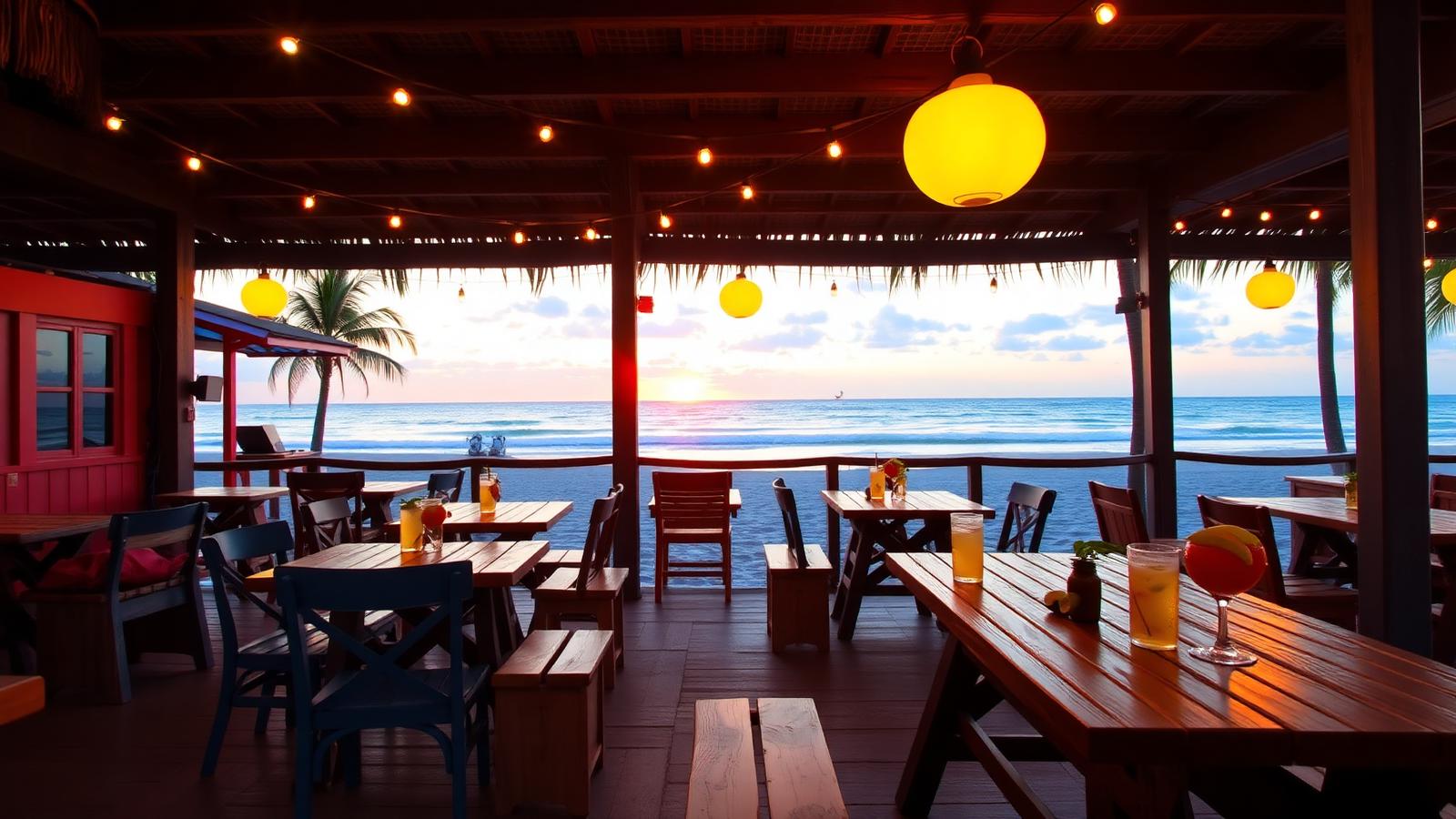
- ·Beachfront restaurants and cafes the length of the corniche
- ·Grilled fish stalls at the fishing port
- ·International restaurants around the marina
- ·Traditional food halls in Talborjt and the Souk El Had quarter
🛍️ Shops & markets
- ·Souk El Had — one of the largest markets in Africa
- ·Marjane and Carrefour hypermarkets
- ·Marina Agadir boutiques
- ·Local grocers, bakeries and pharmacies within the block
✈️ Getting there
- ·Agadir–Al Massira Airport (AGA) ~ 25 km, direct European flights year-round
- ·Agadir CTM and Supratours coach terminals ~ 3 km
- ·Al Massira bus rapid transit line along the corniche ~ 400 m
- ·Marrakech ~ 3 h by motorway
🏄 Things to do
- ·Swimming and surfing along the bay and at Anza to the north
- ·Walking or cycling the ten-kilometre corniche
- ·Cable car to the Kasbah for sunset views over the bay
- ·Golf at three championship courses within twenty minutes
- ·Day trips to Paradise Valley, Taghazout and Souss-Massa National Park