The full story
Essaouira is the coastal town most people picture when they imagine an affordable Moroccan beach base: a walled white-and-blue medina on a rocky point, a huge crescent of sand running south, and a fishing fleet that still lands the day's catch under the ramparts. This three-bedroom house sits inside those walls, on a quiet residential lane a few minutes from Place Moulay Hassan and roughly six hundred metres from the sand.
The house follows the classic medina plan. A modest street door opens into a small central light-well, with the living and dining rooms and the kitchen arranged around it on the ground floor. Thick lime-plastered walls keep the interior cool through summer and mild in the Atlantic winter. Original blue-painted shutters, tadelakt bathroom finishes and a hand-laid zellige splashback in the kitchen have all been kept; wiring and plumbing were renewed in the last decade.
Two bedrooms occupy the first floor, both with high ceilings and shuttered windows, sharing a family bathroom. A carved staircase continues to a third bedroom or study on the upper level, which has its own shower room and opens straight out to the roof terrace. That terrace is the property's real living room: big enough for a long table and loungers, screened by low walls, and looking over a jumble of white roofs to the harbour masts and the ocean beyond.
Life here is walkable to a degree that is unusual anywhere on the Atlantic. Bread, fish, vegetables, hardware and a doctor are all within a few hundred metres. Bab Doukkala's souk handles daily shopping; the new town, ten minutes away on foot, adds a supermarket, banks and pharmacies. Cars stay outside the walls, so the lanes are quiet apart from handcarts and the occasional scooter.
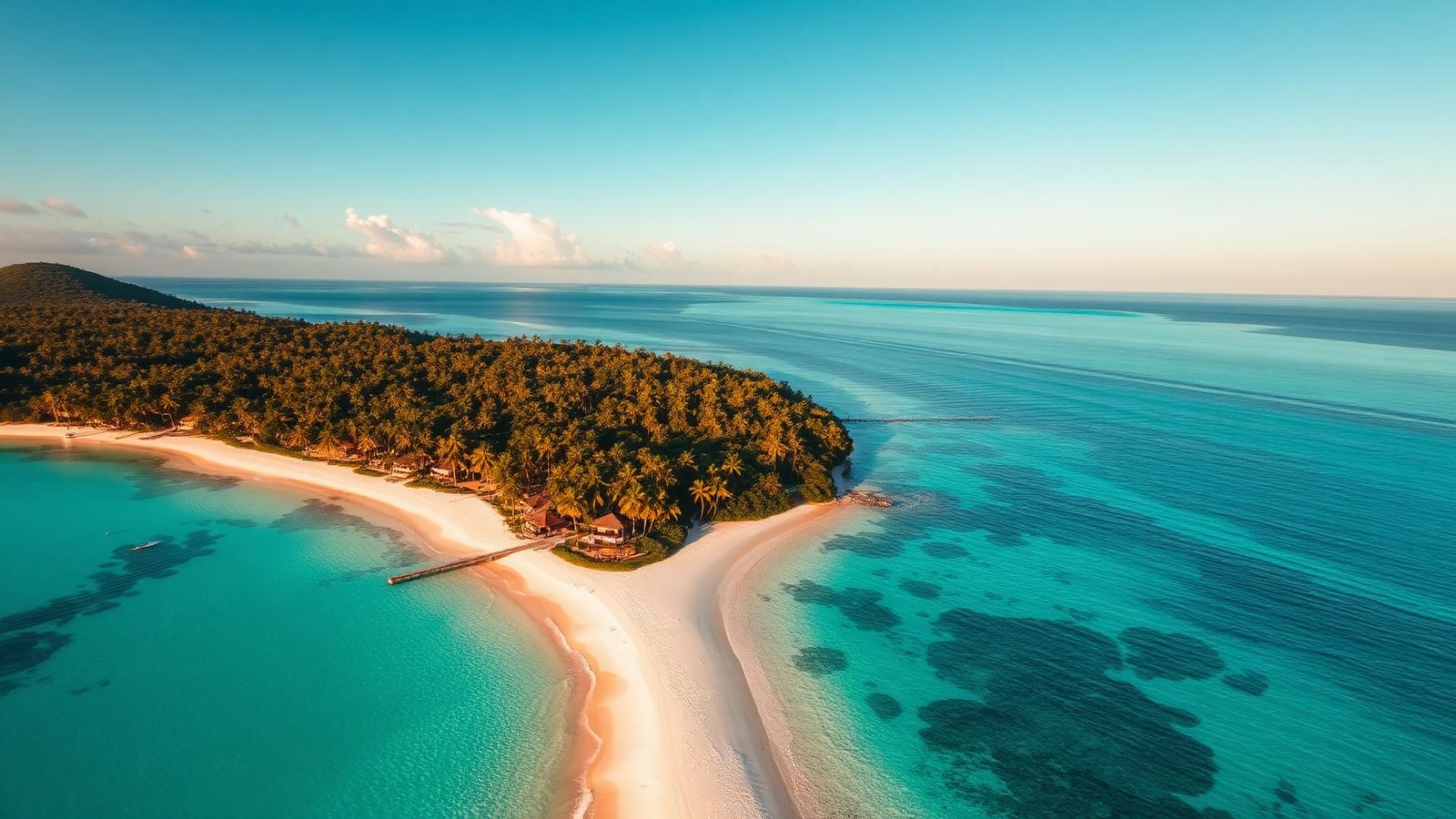
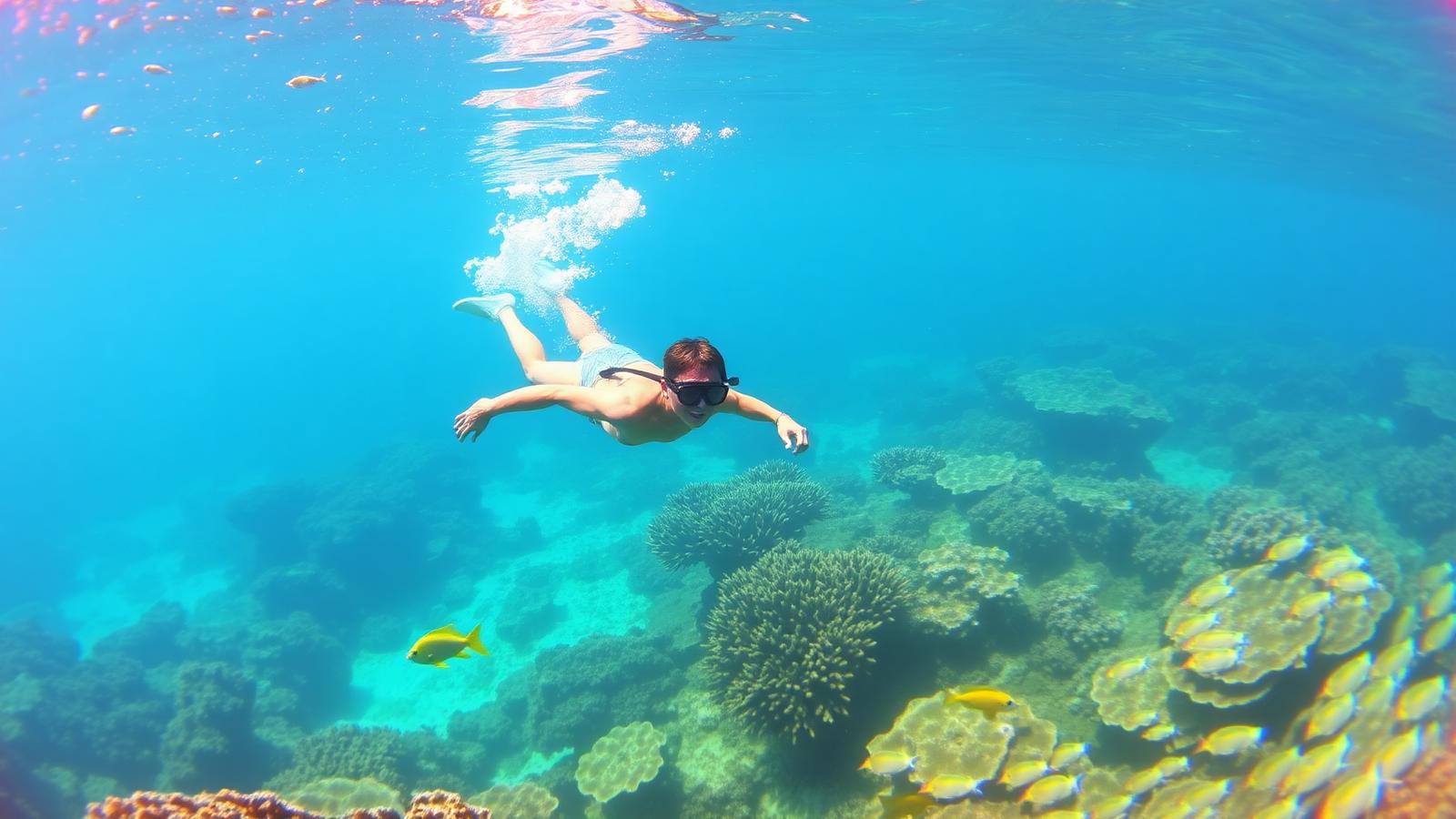
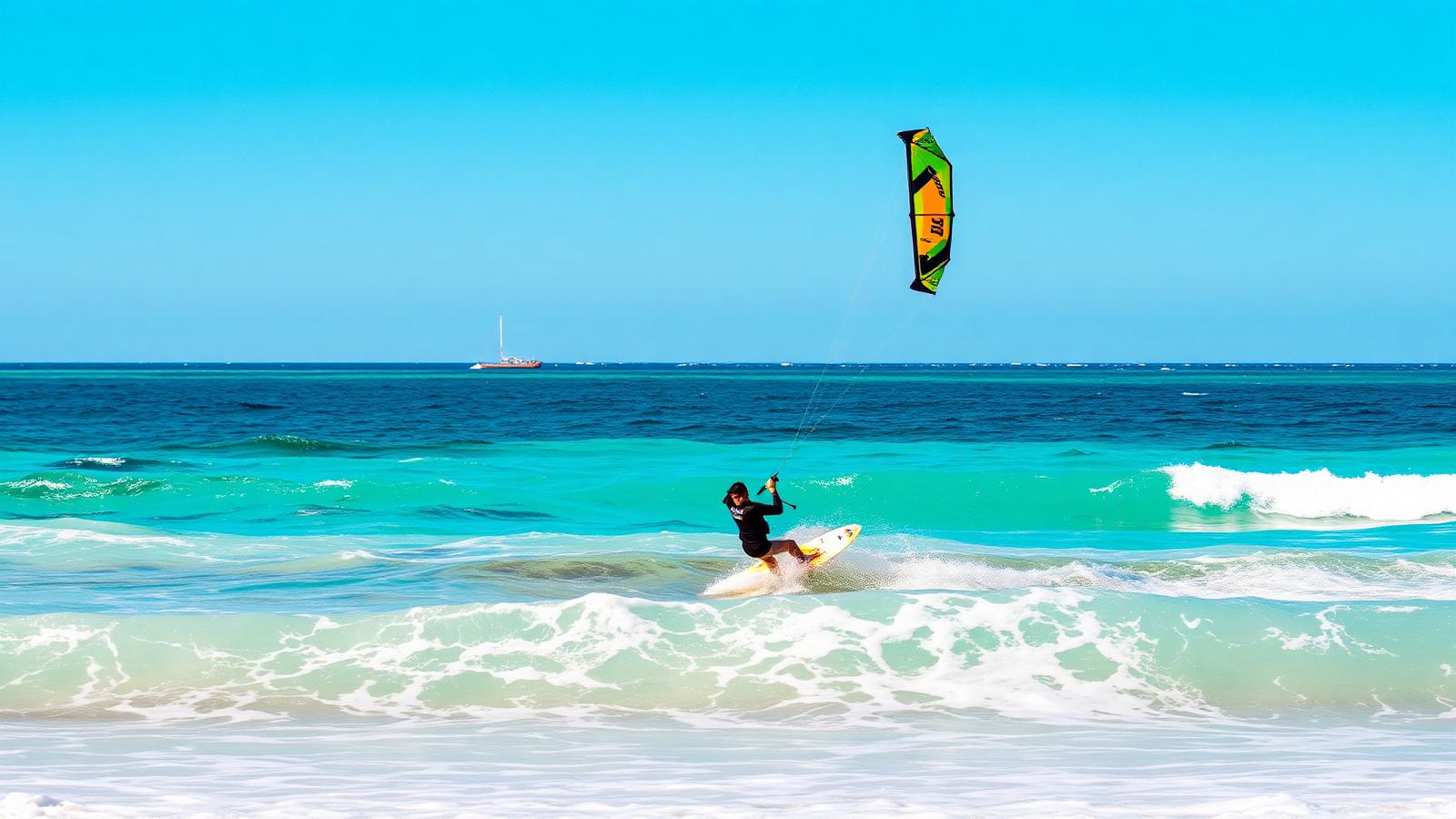
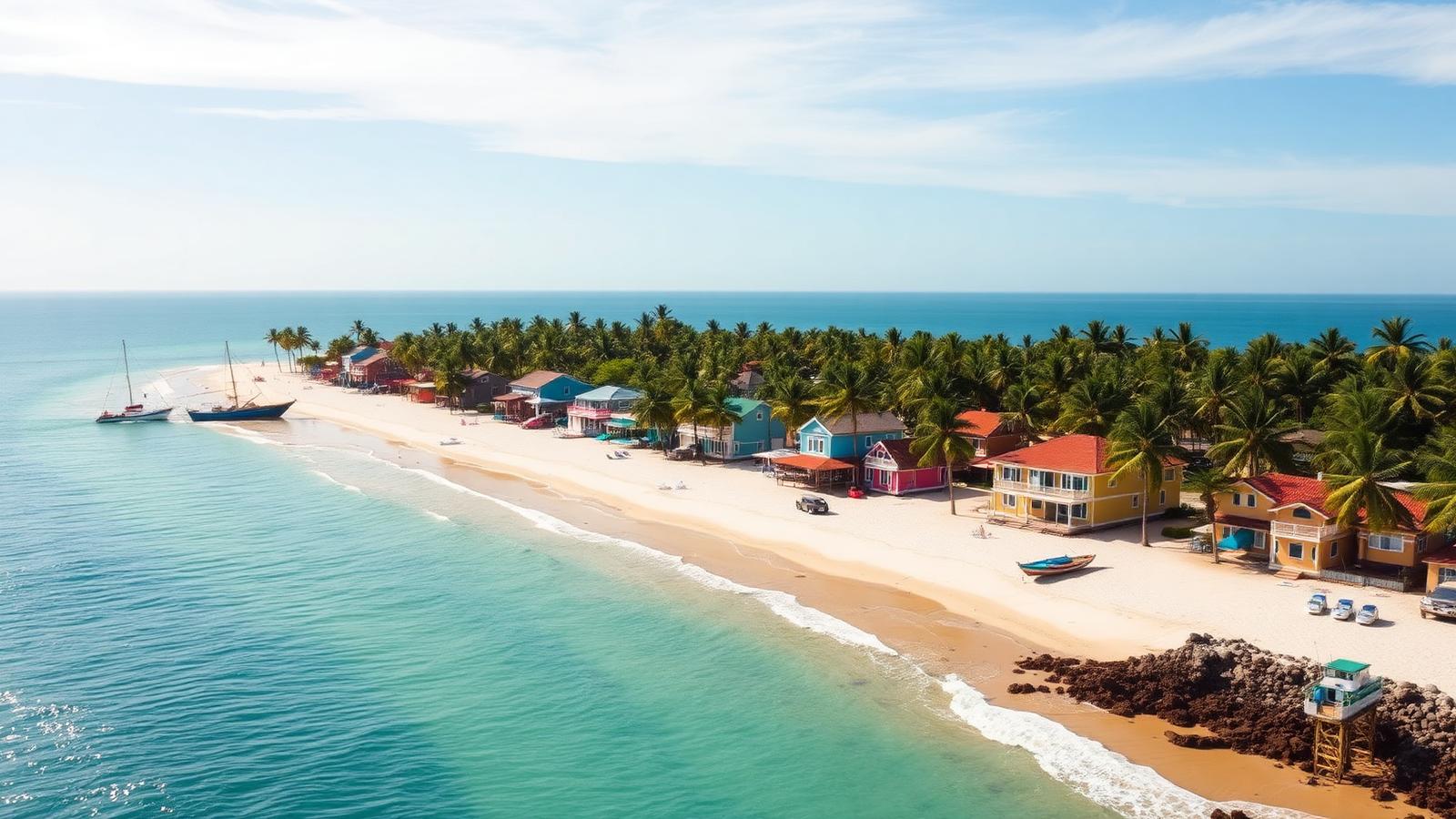
The beach itself is enormous — a firm, pale-gold arc stretching south towards Diabat that never feels crowded even in August. The trade winds that made Essaouira famous mean this is a wind-sports coast rather than a sunbathing one: kite and windsurf schools operate year-round, and there is space for horse riding, football and long walks at the tide line. Calmer swimming is twenty minutes south at Sidi Kaouki, and the surf breaks around Cap Sim draw a steady international crowd.
For a buyer, the numbers are the appealing part. At 1,180,000 MAD the house works out at close to 10,700 dirhams per square metre inside a UNESCO-listed medina — a fraction of comparable historic property in Portugal, Spain or Italy. Running costs are low: municipal taxes are modest, there is no service charge, and a caretaker to hold keys and manage cleaning between guests costs a few hundred dirhams a week.
Rental demand is genuinely year-round rather than seasonal. Summer brings Moroccan families escaping Marrakech's heat, spring and autumn bring European surf and yoga groups, and the Gnaoua World Music Festival in June fills every bed in town. Three bedrooms and two bathrooms put the house in the sweet spot for group bookings; owners of similar properties report solid occupancy without needing to discount heavily.
Foreign buyers can own freehold property in Morocco outright, with the usual exception of agricultural land. The purchase runs through a notary, title is checked at the Conservation Foncière, and transfer costs typically land around six to seven per cent of the price including registration and notary fees. A local lawyer is worth engaging to confirm that a medina property has a clean, registered title rather than an older traditional deed.
Practical access is easy. Essaouira has its own airport with seasonal European flights, and Marrakech is under three hours by road with frequent Supratours coaches. That combination — cheap flights, a walkable historic town, a huge beach and prices still measured in dirhams per square metre rather than euros — is what keeps drawing buyers to this stretch of coast.
Points to weigh honestly: medina houses require maintenance, salt air is hard on ironwork and paint, and the wind that makes the kitesurfing world-class also means fewer still, hot beach days than the Mediterranean coast. Budget for annual upkeep and a decent dehumidifier if the house sits empty in winter. In exchange you get a genuinely characterful home in one of the most liveable small cities on the African Atlantic.
Around the property
🏝️ The beach
Vast Atlantic bay beach backed by ramparts and dunes
- Sand
- Firm pale-gold sand, wide enough for horses, camels and kitesurf schools
- Water
- Cool, breezy Atlantic water with constant trade winds — a global kitesurfing address
🍽️ Eat & drink nearby
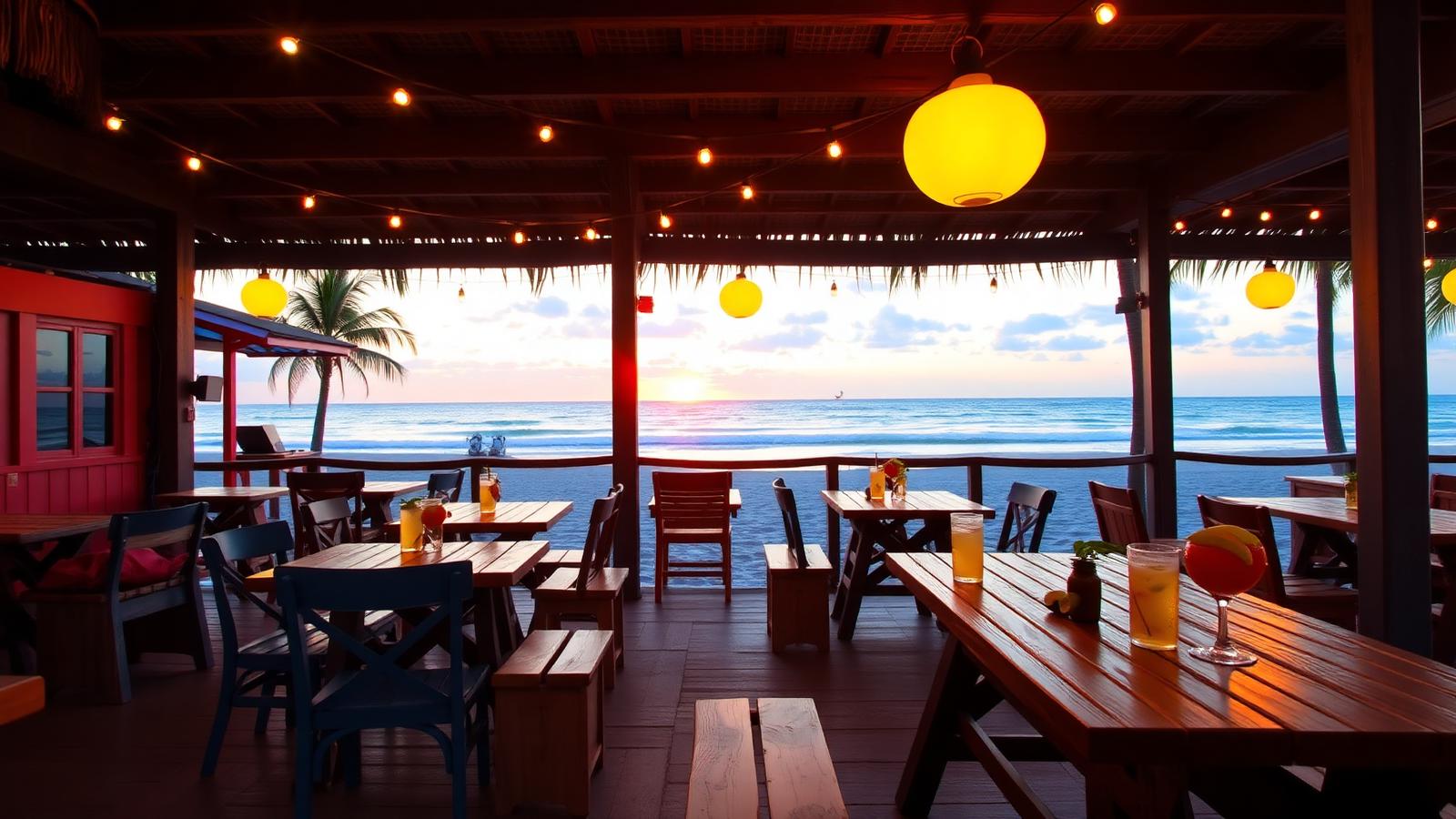
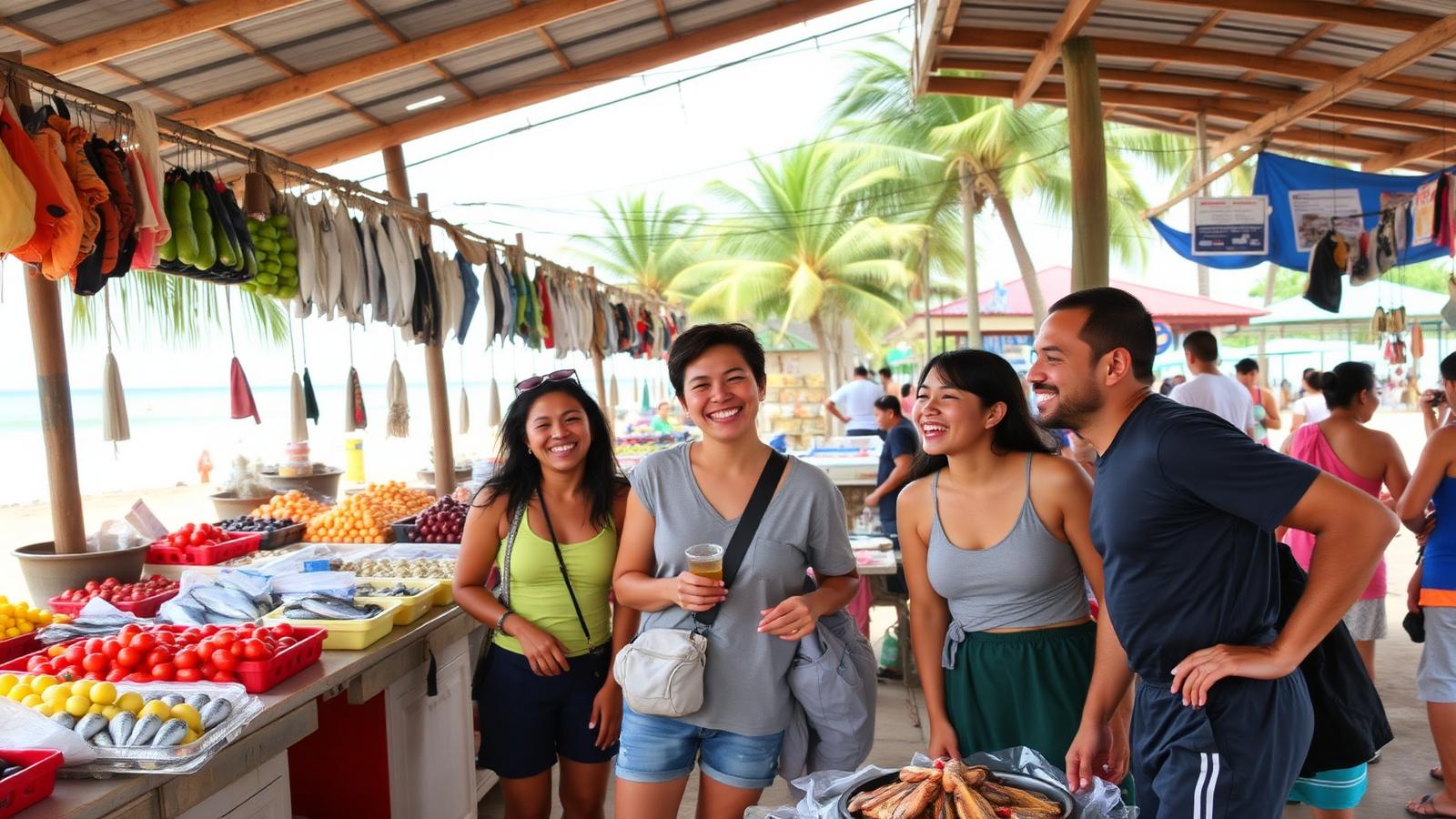
- ·Grilled-sardine stalls at the fishing port, priced by the kilo
- ·Riad rooftop restaurants around Place Moulay Hassan
- ·Argan-oil and seafood tagine houses on Rue Laalouj
- ·Bakeries and juice bars along Avenue de l'Istiqlal
🛍️ Shops & markets
- ·Daily fresh produce and spice souk at Bab Doukkala
- ·Thuya-wood marquetry workshops in the Skala quarter
- ·Carpenters, silversmiths and art galleries throughout the medina
- ·Carrefour Market and pharmacies in the new town, ten minutes' walk
✈️ Getting there
- ·Essaouira–Mogador Airport (ESU) ~ 17 km
- ·CTM and Supratours bus station ~ 1.2 km (buses to Marrakech ~2.5 h)
- ·Grand taxi rank at Bab Doukkala ~ 400 m
- ·Marrakech Menara Airport (RAK) ~ 2 h 45 m by road
🏄 Things to do
- ·Kitesurfing and windsurfing on the main bay
- ·Walking the 18th-century Skala de la Ville sea bastions
- ·Horse and camel rides south towards Diabat and the Borj el Baroud ruins
- ·Gnaoua music venues and the June world-music festival
- ·Day trips to argan cooperatives and Sidi Kaouki beach