The full story
Sidi Ifni is unlike anywhere else in Morocco. Spanish until 1969, the town was laid out in the 1930s in crisp art-deco lines — curved balconies, porthole windows, a former Spanish consulate and an airport terminal shaped like a ship — and then painted the town's own blue and white. It sits on a low cliff above a long Atlantic beach, three hours south of Agadir, and it remains one of the cheapest coastal towns in the country.
This house is a three-bedroom, single-bathroom townhouse of about 120 square metres set over two floors, three hundred and fifty metres from the steps down to the sand. The facade is original: white render, blue trim, a rounded first-floor balcony overlooking the street towards the ocean. Inside, terrazzo floors, high ceilings and tall shuttered windows have survived largely intact.
The ground floor holds a living room, a separate dining room, a functional kitchen and a small courtyard for laundry and storage. Upstairs are three bedrooms — two doubles and a single — sharing a tiled family bathroom, plus stairs to a flat roof with clear views over the town rooftops to the sea. The house is habitable as it stands, but a buyer will want to budget for a second bathroom, a kitchen refit and rewiring; local builders quote such work in tens of thousands of dirhams rather than hundreds.
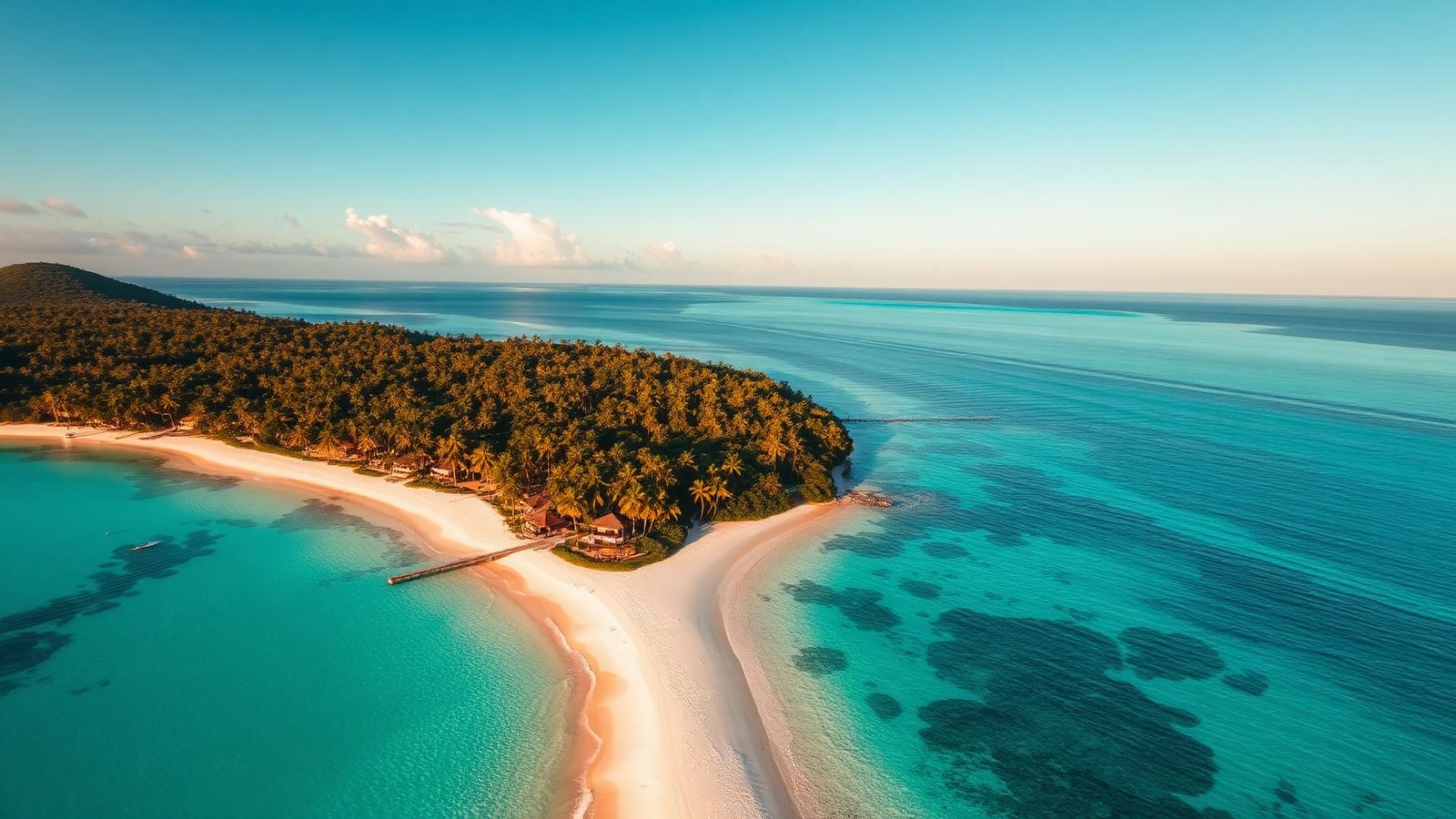
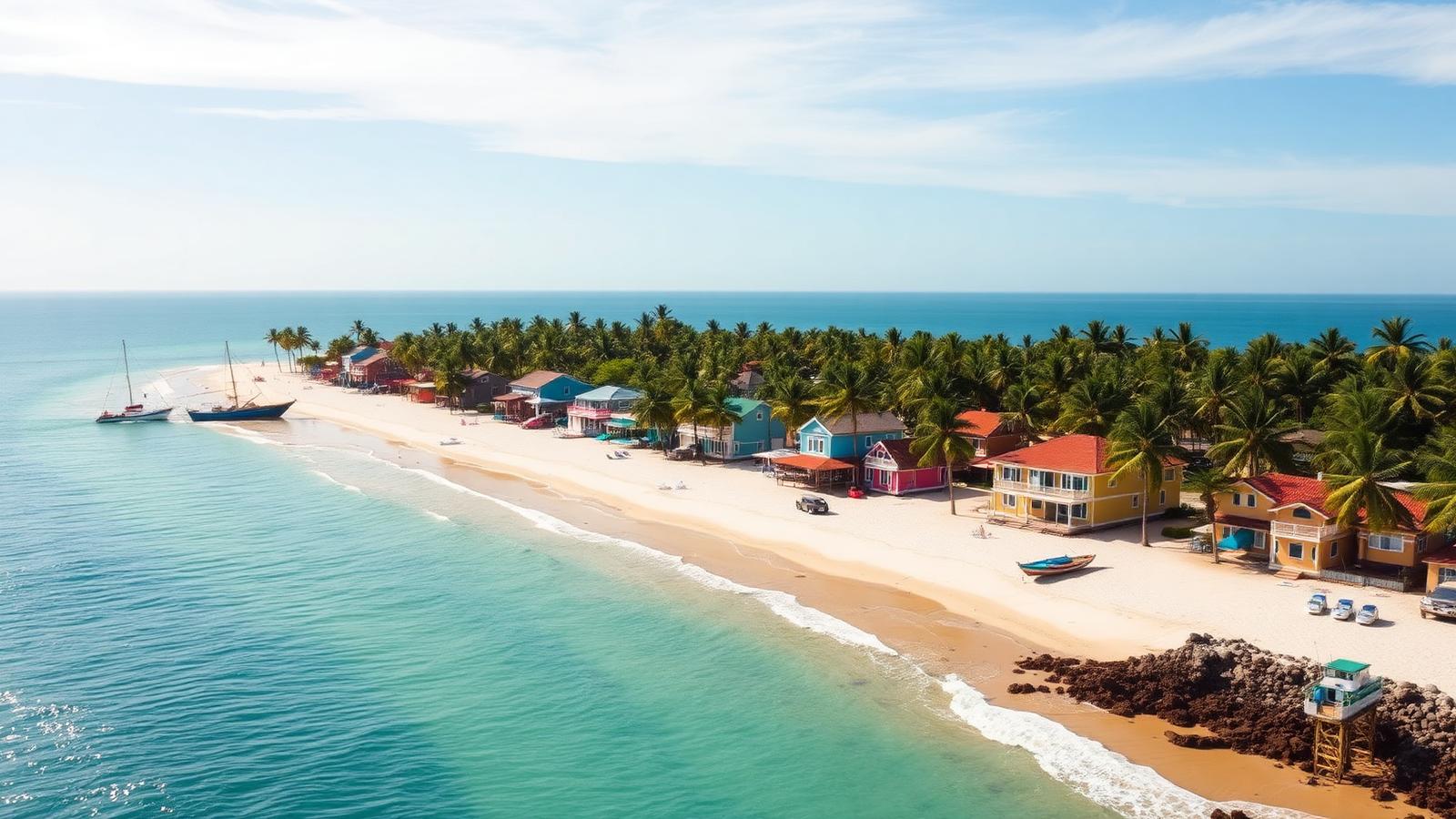
The beach below town is the main event. It is broad, dark-gold, and at low tide runs for well over a kilometre with almost nobody on it midweek. The Atlantic here is cold and strong, so it suits bodyboarders, surfers and walkers more than casual swimmers; the rips are real and locals will tell you which end of the beach to avoid. Twenty minutes north, the Legzira cliffs give one of the most photographed coastal walks in Morocco.
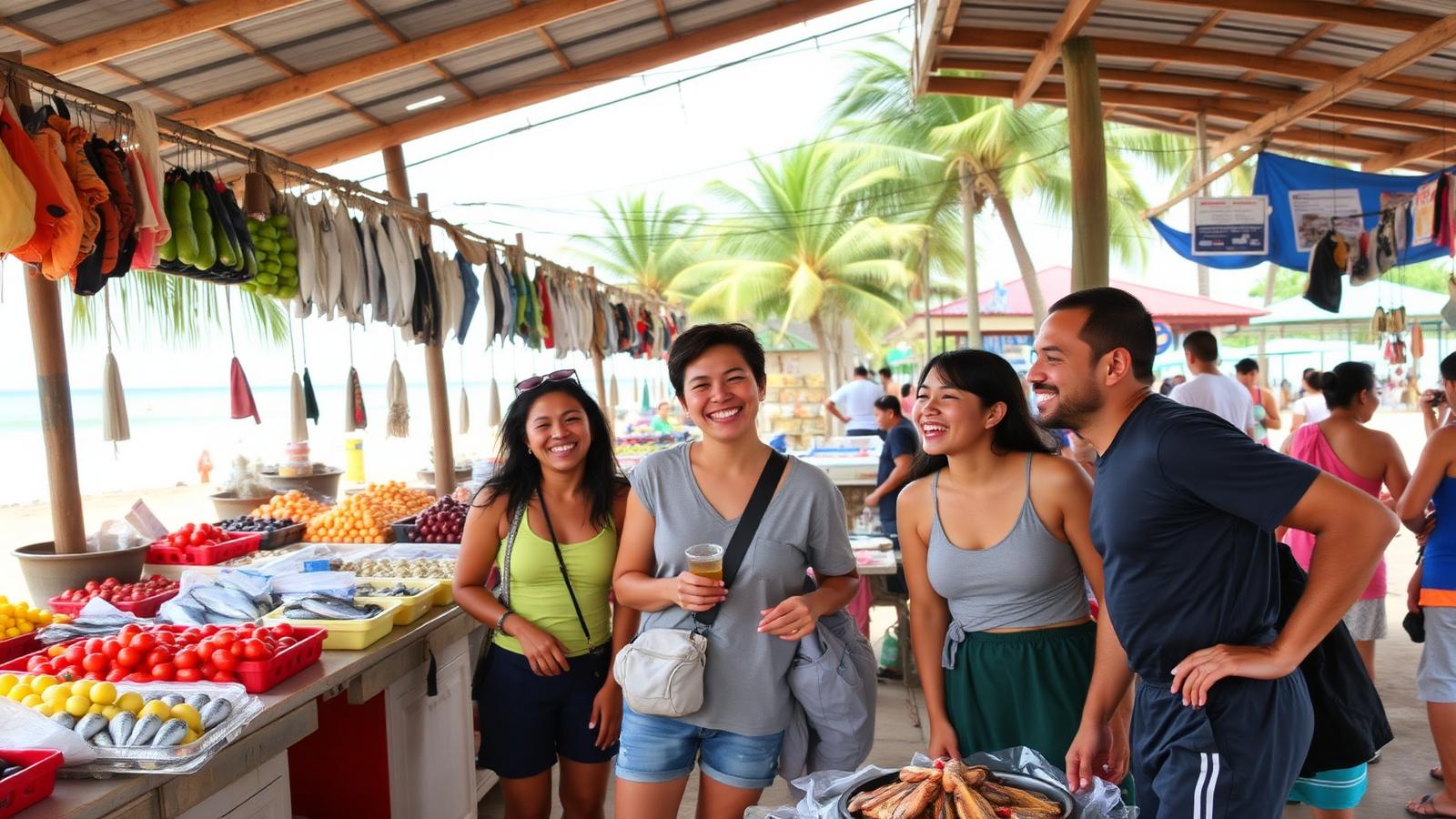
Daily life is cheap and simple. The Sunday souk is one of the largest in the region, drawing sellers from the Anti-Atlas with produce, tools, textiles and livestock. Fish comes straight off the boats at the old port most mornings. A tagine lunch costs a few dirhams' worth of change, and a household can run comfortably on a budget that would barely cover utilities in southern Europe.
Connections take some planning. Agadir's airport is 165 kilometres away, roughly three hours by CTM coach or a little over two by car on a good road. Grand taxis run constantly to Mirleft, Tiznit and Guelmim. There is no railway this far south — the network stops at Marrakech — so most owners keep a car or rely on the very functional shared-taxi system.
As an investment the case is about entry price rather than yield. Sidi Ifni's rental market is thin outside summer and the surf season, and holiday-let rates are modest. What the town offers is a real house, in a real community, with ocean views, for the price of a parking space in a European capital. Buyers here are typically people intending to spend long winters, retirees, surfers, or those betting on the slow spread of tourism south from Agadir.
That bet is not unreasonable. The coastal road south has been steadily upgraded, Mirleft twenty minutes north is already gentrifying, and the government's tourism strategy names the Souss-Massa and Guelmim coast as a growth corridor. Values in Ifni have risen gently rather than sharply, which is arguably healthier for a buyer arriving now.
Ownership rules are straightforward: foreigners hold freehold titles in Morocco, purchases complete before a notary, and total transaction costs generally sit near seven per cent. Older colonial-era properties occasionally have inheritance complications across multiple family members, so a title search at the Conservation Foncière before signing anything is essential rather than optional.
Be clear-eyed about the trade-offs. Winters are mild but the Atlantic wind is persistent, the town is quiet to the point of sleepy, medical care beyond basics means a drive to Tiznit or Agadir, and English is far less common here than in the surf villages further north. If that sounds like a feature rather than a problem, few places in the world offer this much character, space and ocean for the money.
Around the property
🏝️ The beach
Long open Atlantic beach below a colonial cliff town
- Sand
- Dark-gold coarse sand, wide at low tide, largely empty outside weekends
- Water
- Cold, powerful Atlantic surf — good for bodyboarding, respect the rips
🍽️ Eat & drink nearby
- ·Fish grills on the seafront where the boats land
- ·Cheap tagine and harira cafes around Place Hassan II
- ·Bakeries and juice bars along Avenue Mohammed V
- ·Weekend beach shacks serving grilled sardines and mint tea
🛍️ Shops & markets
- ·Sunday souk — one of the biggest in the southwest
- ·Daily fish market by the old port
- ·Small grocers, hardware and pharmacies in the town centre
- ·Larger supermarkets in Tiznit, an hour away
✈️ Getting there
- ·Sidi Ifni bus station (CTM to Agadir ~3 h) ~ 700 m
- ·Agadir–Al Massira Airport (AGA) ~ 165 km
- ·Grand taxis to Mirleft and Guelmim from the town square ~ 400 m
- ·Tiznit regional hospital and rail-bus link ~ 75 km
🏄 Things to do
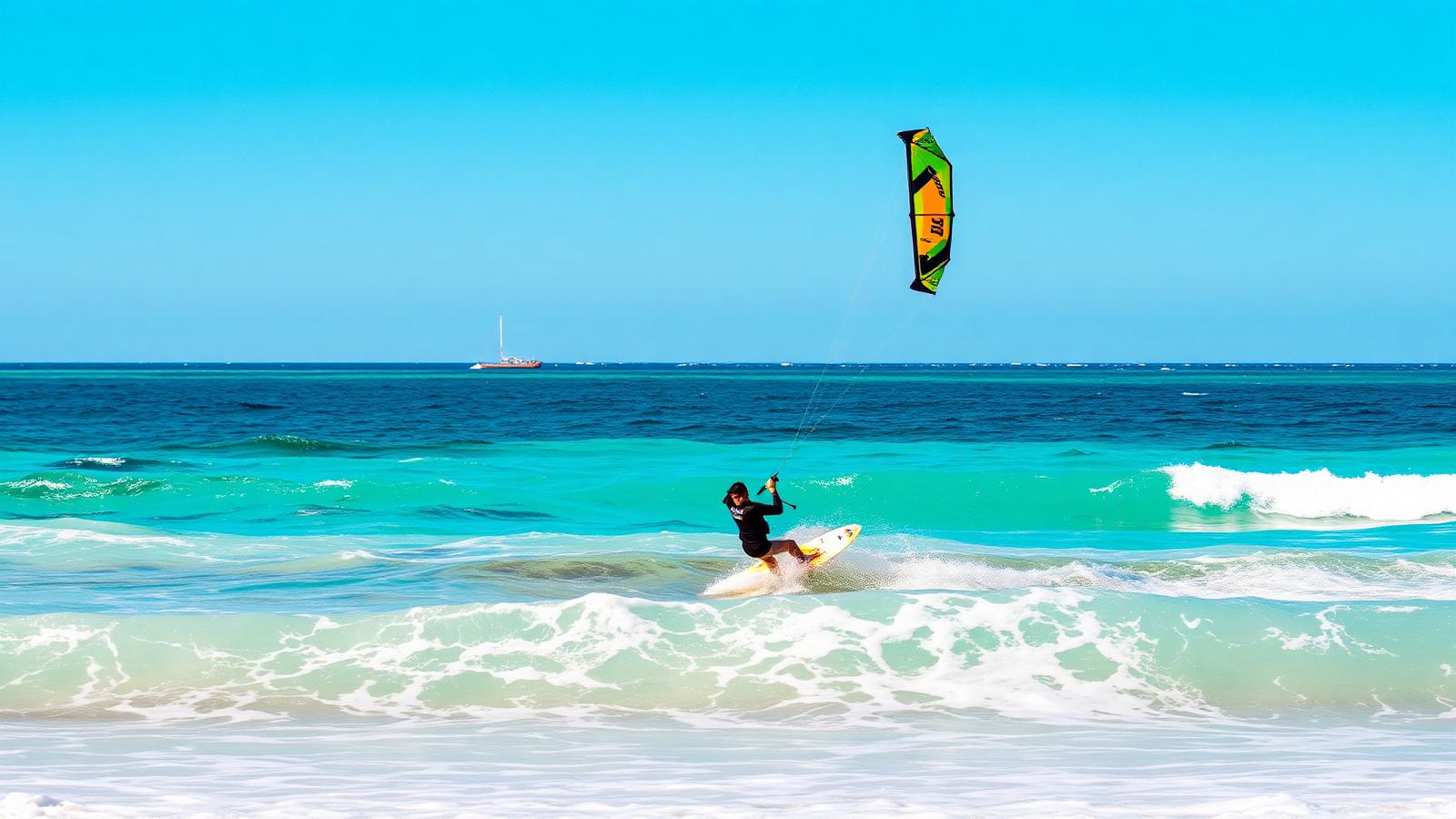
- ·Bodyboarding and surfing the beach breaks below town
- ·Walking north to the Legzira red rock arches
- ·Photographing Ifni's 1930s Spanish art-deco architecture
- ·Fishing trips with local boats
- ·Desert and oasis day trips inland towards Guelmim