The full story
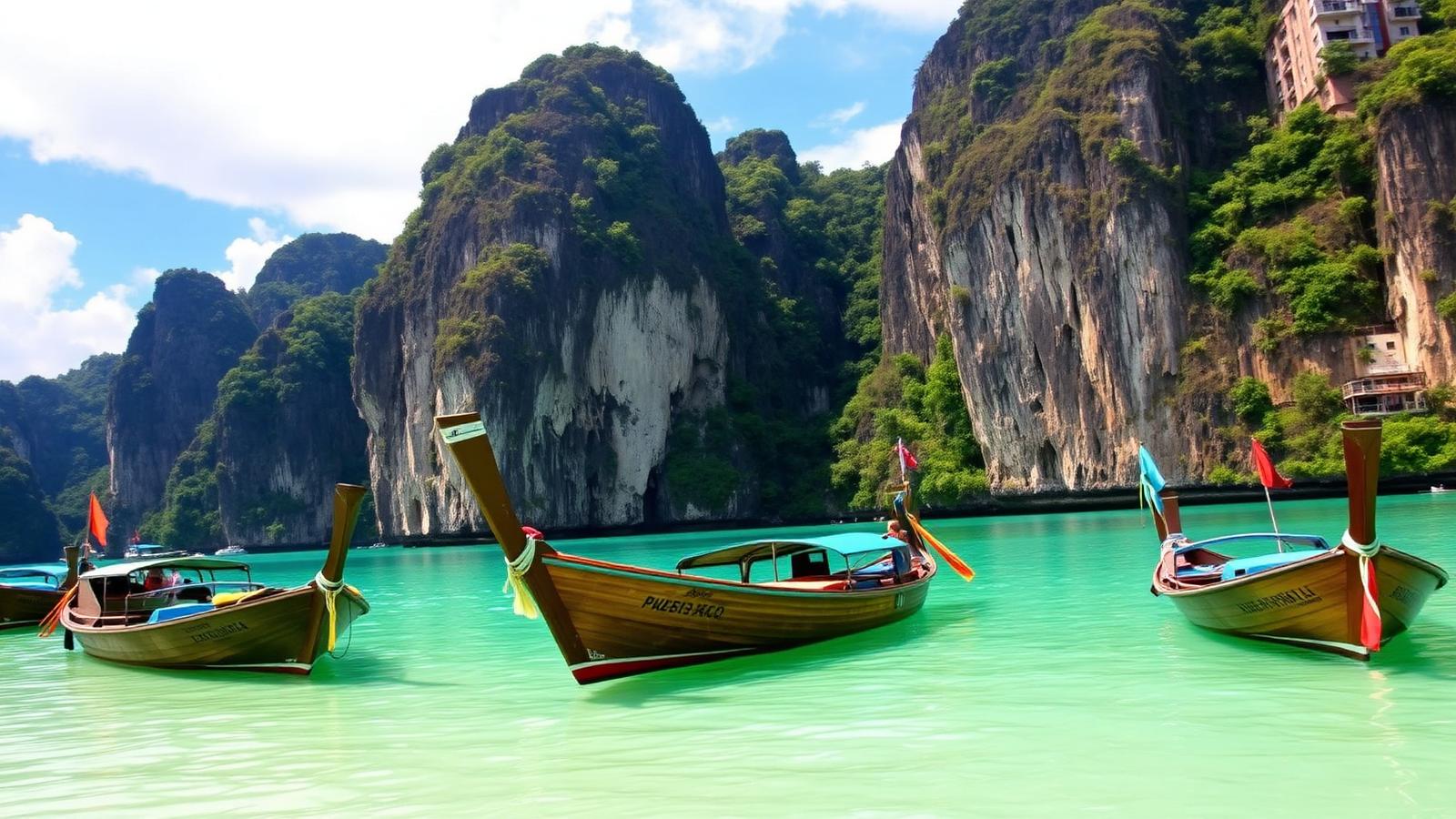
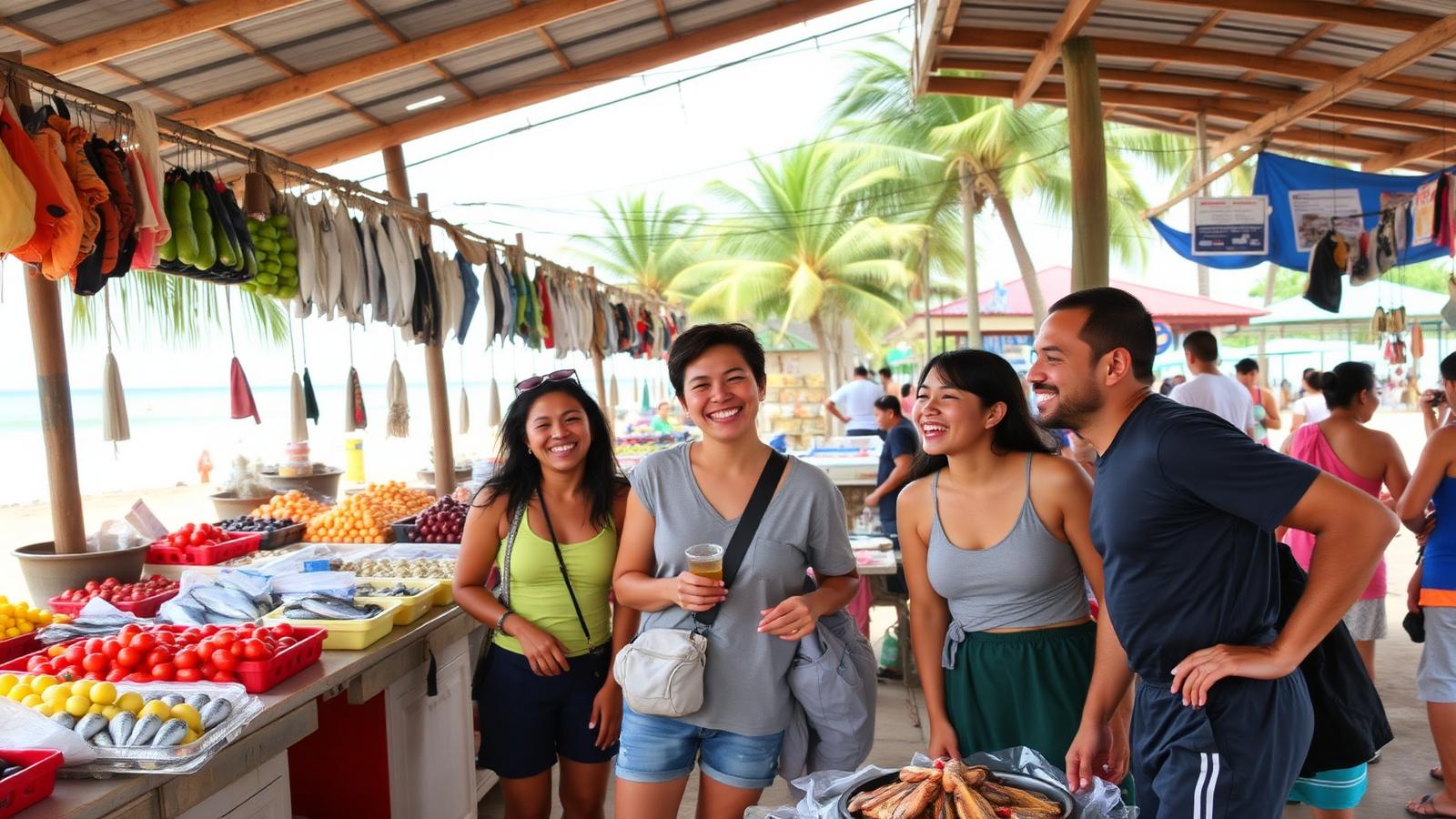
Nouakchott is a city built on sand — planned for a few thousand people in 1960 and now home to well over a million, spreading flat and low between the Sahara and the Atlantic. The sea is its release valve. Every evening the Plage des Pêcheurs fills with hundreds of hand-painted pirogues coming in through the surf, nets hauled up the sand by teams of men, and half the city turning out to buy fish straight off the boat. This villa sits five hundred metres inland from that shore, in the quieter western residential belt.
The build is the standard Mauritanian coastal villa and none the worse for it: rendered block walls in a sand tone, a flat roof with a usable terrace, arched windows with metal grilles, and a walled courtyard that shields the interior from the constant onshore wind. Roughly a hundred and forty square metres holds three bedrooms, two bathrooms, a large salon laid out for floor seating and tea, and a kitchen with a separate service door. Floors are tiled, the ceilings are high, and there is space in the courtyard for a car and a shaded seating area. Air conditioning is fitted in two rooms; a rooftop water tank and a small generator cover the gaps in municipal supply.
Living in Nouakchott as a foreign owner is easier than the map suggests. The capital has private clinics, French and international schools, several supermarkets stocking European goods, reliable 4G, and a diplomatic community that keeps a steady rental market for well-kept villas. Food is a pleasure: grilled thiof and capitaine, Senegalese-influenced rice dishes, Moroccan pastries, and the endless three-glass ritual of mint tea. The Marché Capitale and the artisan centre handle everything from silverwork to leather.
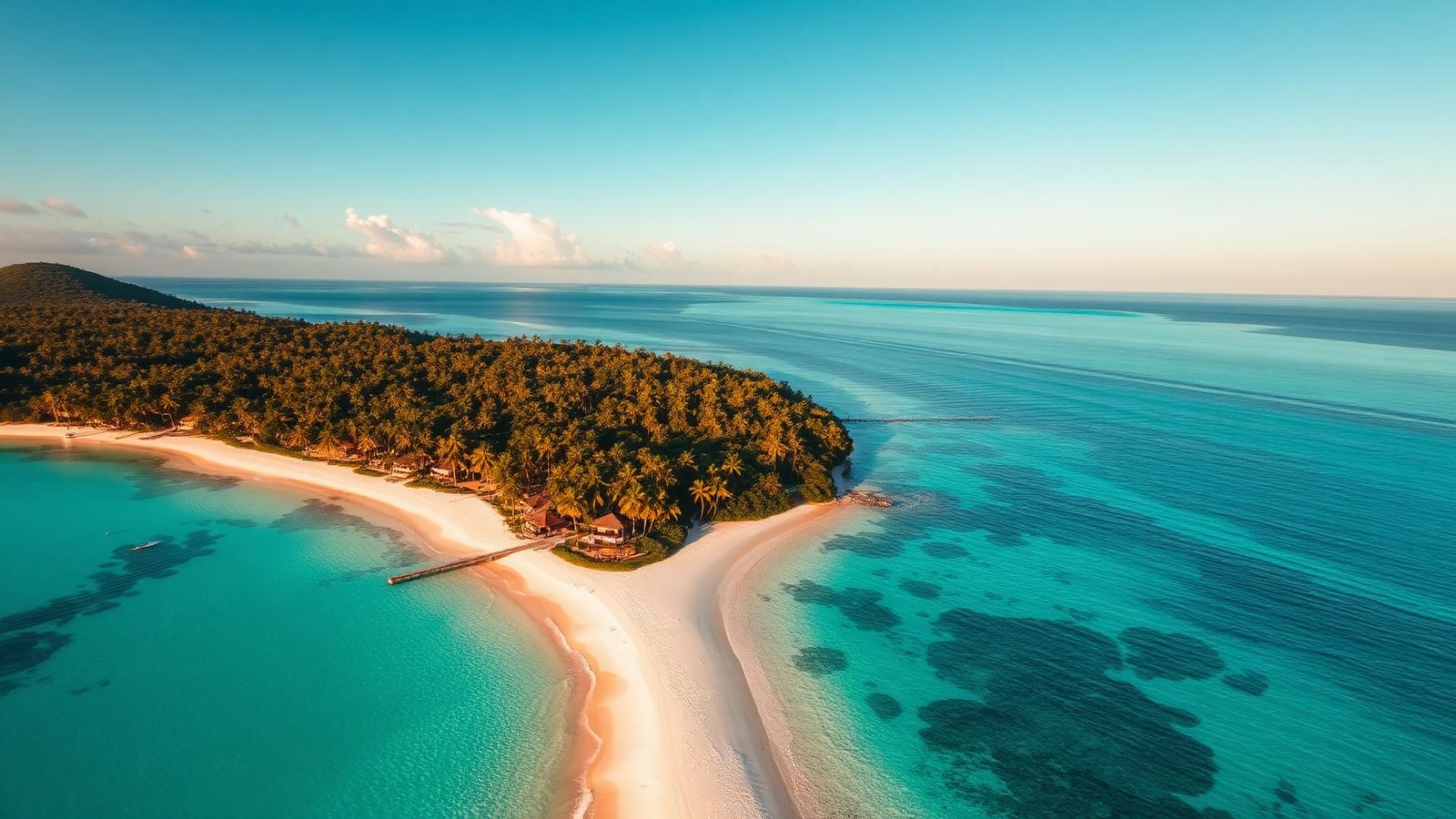
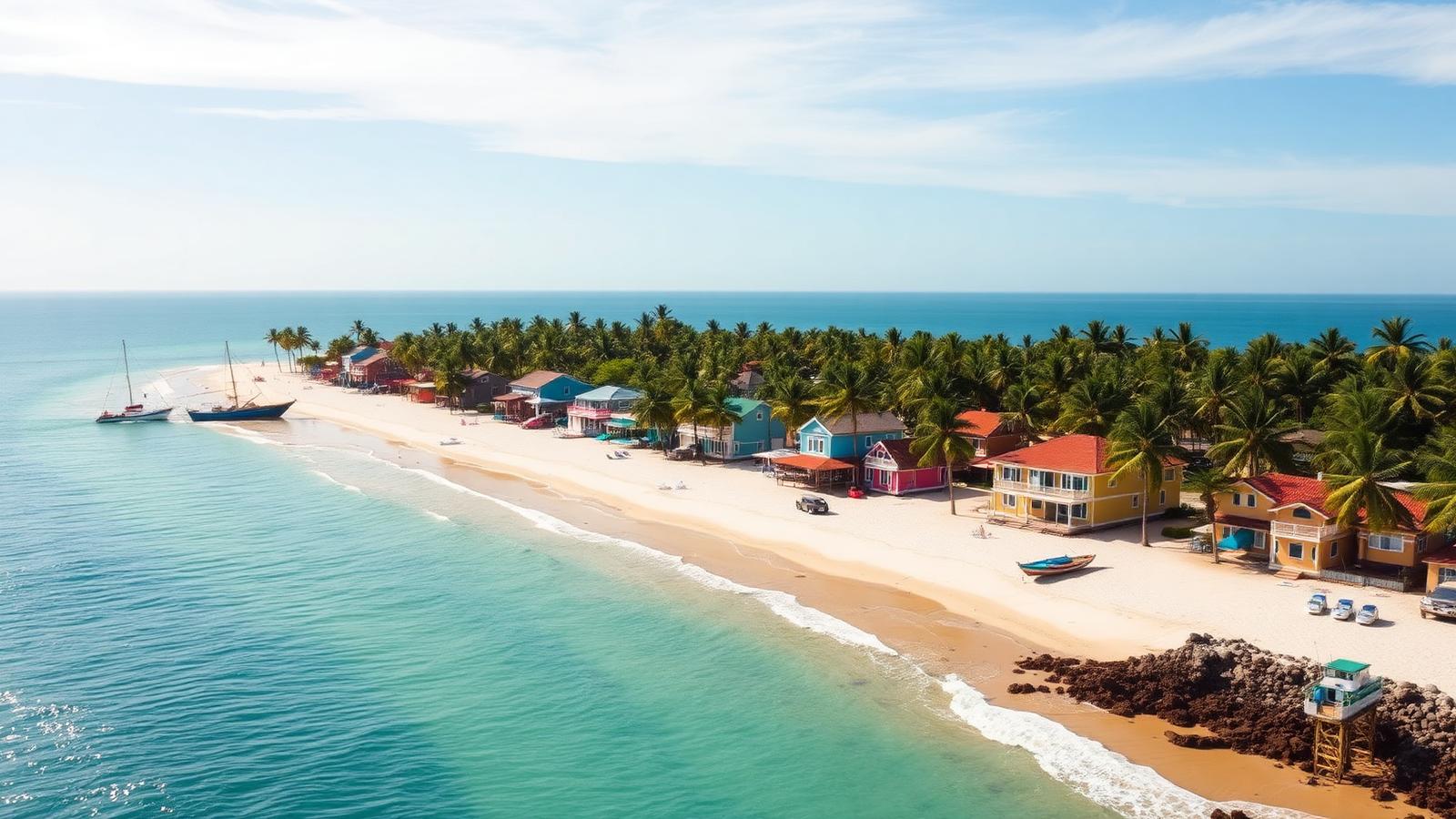
The coast itself is raw rather than pretty in the resort sense — cold Atlantic water, strong currents, wide sand that runs for hundreds of unbroken kilometres, and dunes that shift with the wind. Swimming needs care and local advice; walking, running, kite flying and watching the fleet come in are the daily pleasures. Two hours north lies the Banc d'Arguin national park, one of the world's most important shorebird sites, where Imraguen fishermen still work with dolphins. Purchase is done through a notary with a land registry check, and foreign ownership is permitted; budget time for paperwork and use a lawyer. For the price of a small flat elsewhere you get a substantial family house in a capital city, minutes from an ocean almost nobody has built on.
Around the property
🏝️ The beach
Endless open Atlantic beach with dunes
- Sand
- Wide golden-grey Saharan sand
- Water
- Cool Atlantic with strong currents, 18-24C
🍽️ Eat & drink nearby
- ·Grilled fish stalls at Plage des Pecheurs
- ·Le Petit Cafe and city bistros
- ·Senegalese and Moroccan restaurants
- ·Tea houses across Tevragh Zeina
🛍️ Shops & markets
- ·Marche Capitale
- ·Supermarche in Tevragh Zeina
- ·Artisan craft centre
- ·Fish market at the beach
✈️ Getting there
- ·Nouakchott-Oumtounsy (NKC) airport - 20 mins
- ·Road north to Nouadhibou - 5 hrs
- ·Road south to Rosso and Senegal - 3 hrs
- ·City taxis and green minibuses
🏄 Things to do
- ·Watching the pirogue fleet land at sunset
- ·Long beach walks and running
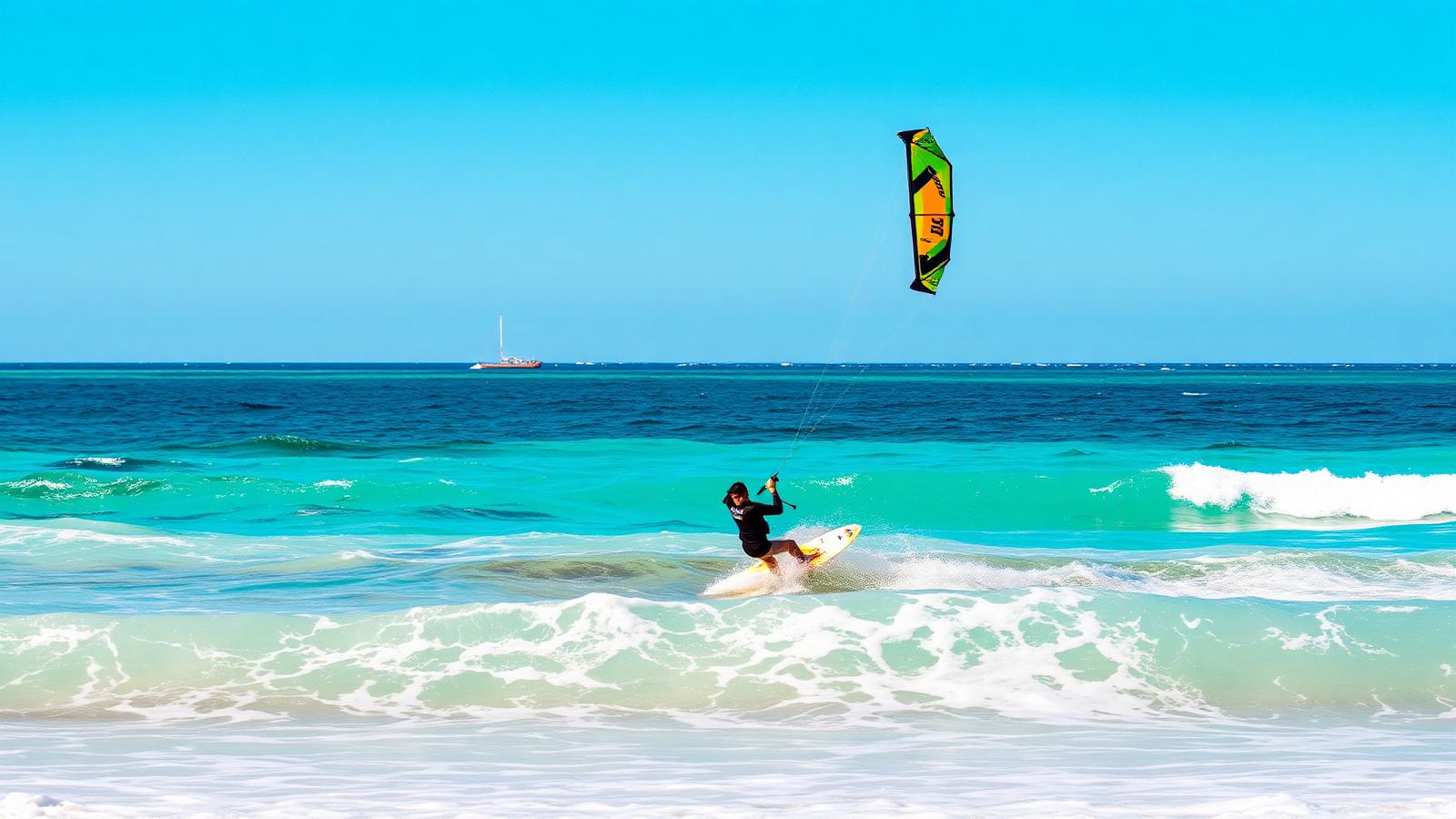
- ·Kite flying in the steady onshore wind
- ·Day trips to Banc d'Arguin
- ·Desert excursions inland