The full story
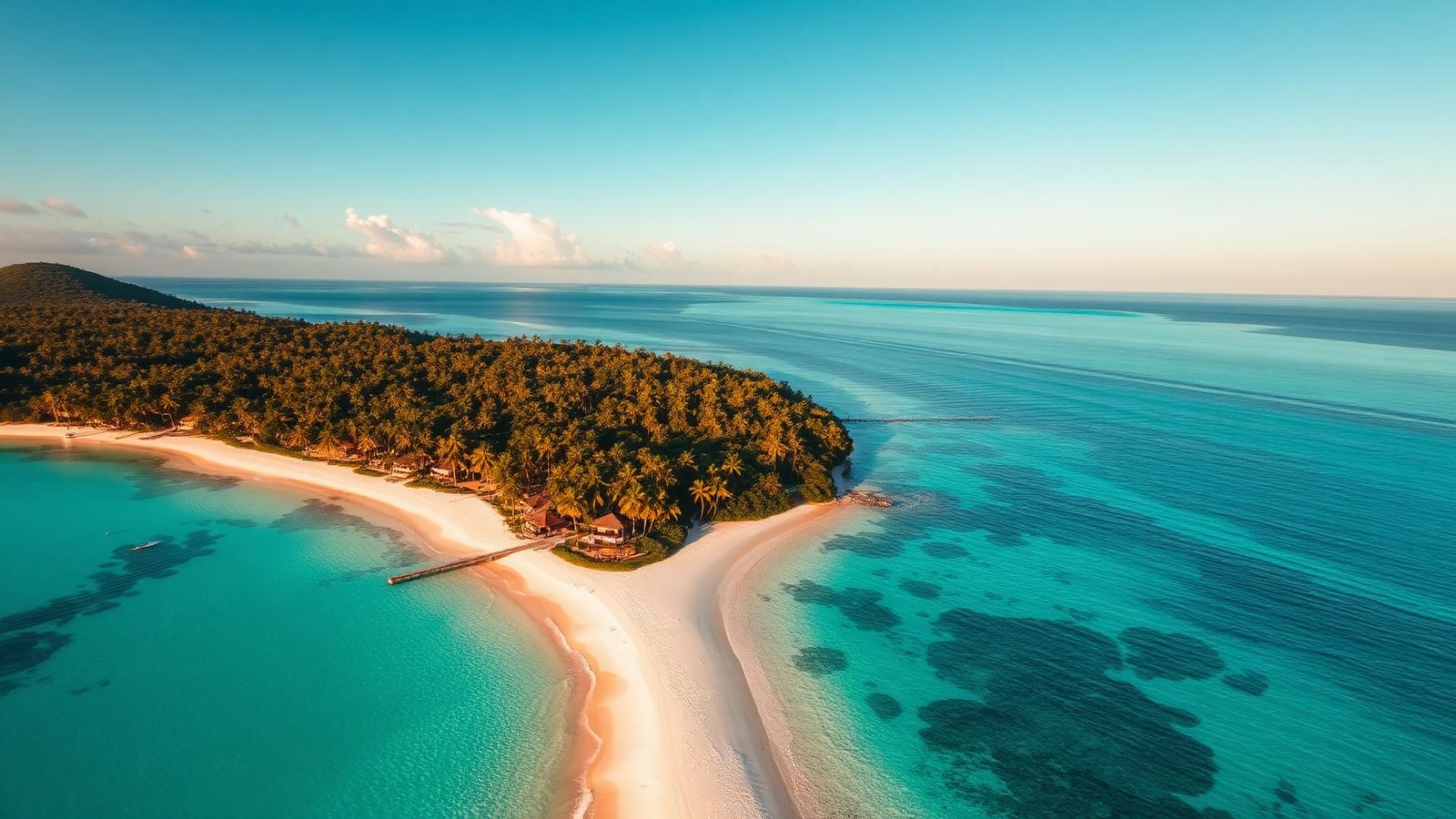
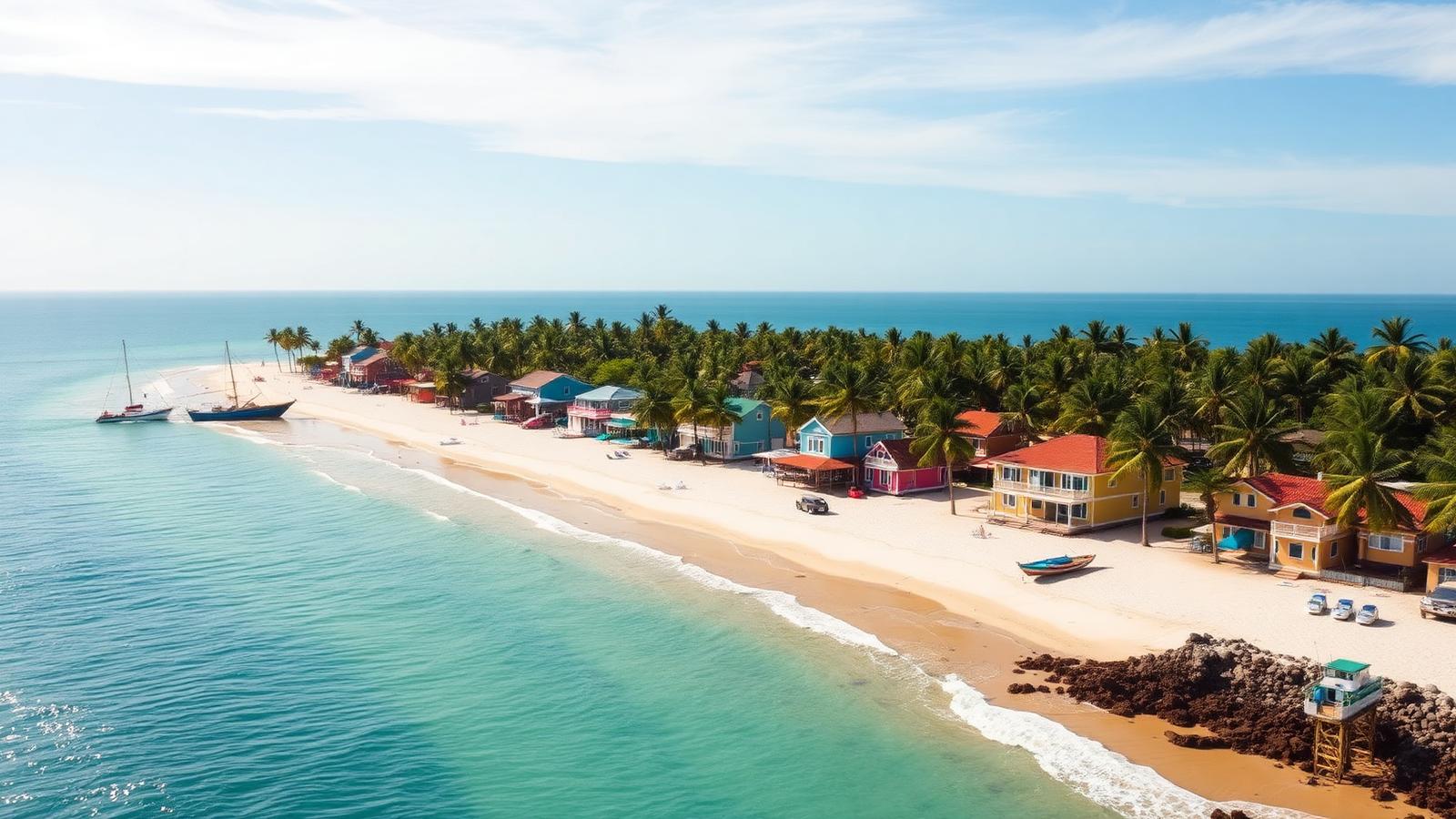
Corbu is the last village before the Danube Delta reserve closes the coast to development, and its beach is the reason people come: a broad, unbuilt sweep of sand with dunes behind it, roughly seven kilometres long, and no resort infrastructure beyond a handful of seasonal bars at the access point. It has become the place Bucharest's design and music crowd goes when Mamaia feels like too much — but the village itself is still a village, and prices reflect that.
This cottage offers 95 square metres of single-storey living on a plot of about eight hundred square metres. Three bedrooms, a bathroom, a kitchen with a pantry, and a living room with a tiled stove. The building is traditional masonry with a tile roof, rendered and painted in the local pale ochre, with a covered porch along the front. Its real asset is the garden: mature fruit trees, vines, room for a pool if you wanted one, and a separate outbuilding that could become studio or guest accommodation. Mains water, electricity and gas are connected; a septic tank handles drainage. The house is habitable as-is and would reward a cosmetic renovation.
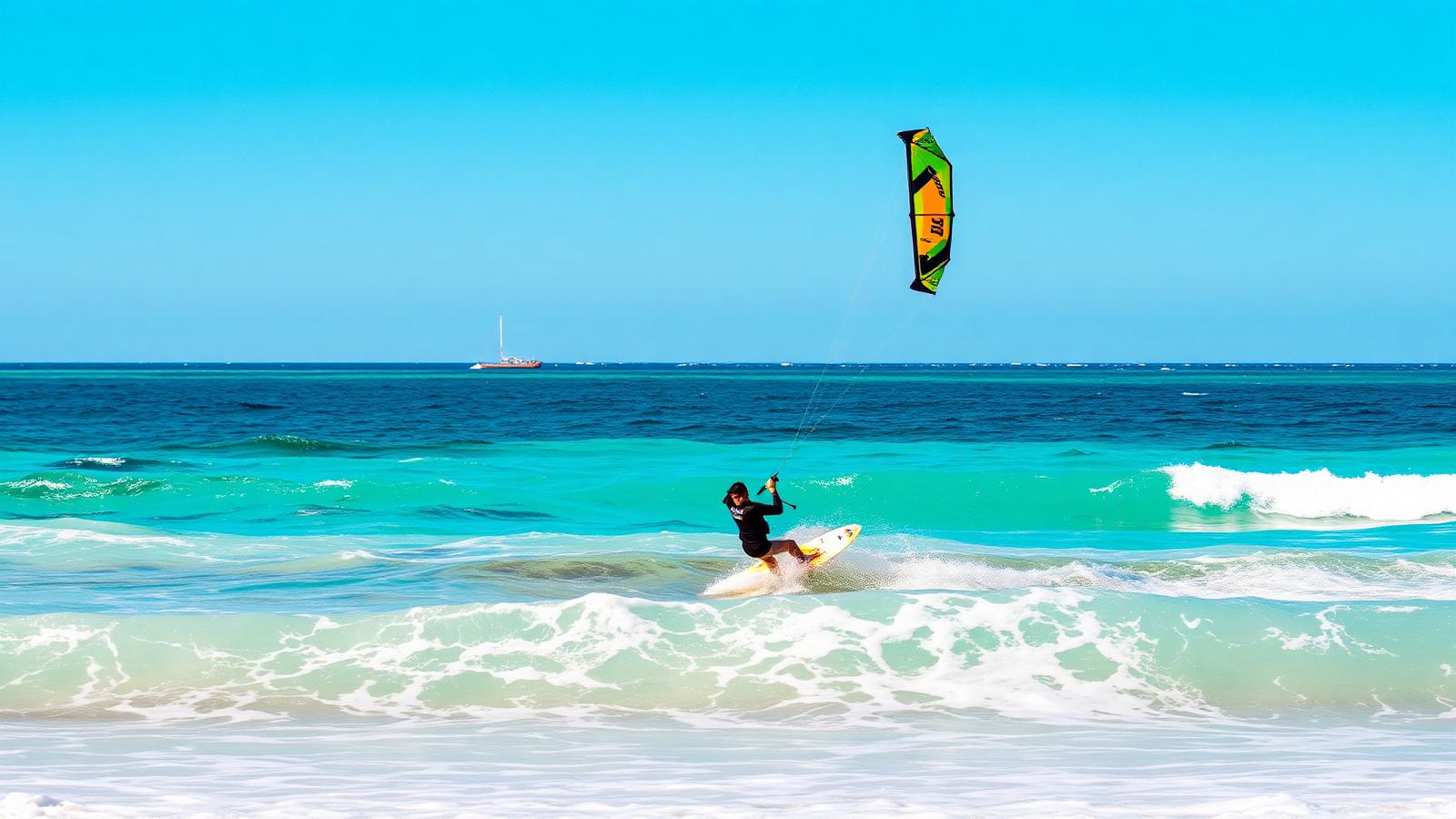
The beach is 1.2 kilometres away — five minutes by bicycle down a flat track, fifteen on foot. Because it borders the biosphere reserve, that beach cannot be developed, which effectively guarantees the view and the emptiness in perpetuity. Kitesurfers favour the northern end; swimmers use the sheltered stretch near the access road; birders work the lagoons just inland, where pelicans and flamingos are regular.
Corbu village has grocers, a bakery, a school and a couple of taverns; Năvodari, ten minutes south, has supermarkets, a pharmacy and a hospital. Constanța, with its airport, university, malls and old town, is thirty-five to forty minutes down the coast road.
Romania is an EU member state, so EU citizens buy on exactly the same terms as Romanians. Non-EU buyers can own the building outright and hold the land beneath it through a simple Romanian company — a standard, inexpensive structure that local notaries set up routinely. A purchase closes in four to eight weeks and transaction costs are among the lowest in the European Union, typically well under three percent all-in. Property taxes on a coastal home of this size run to a couple of hundred euros a year.
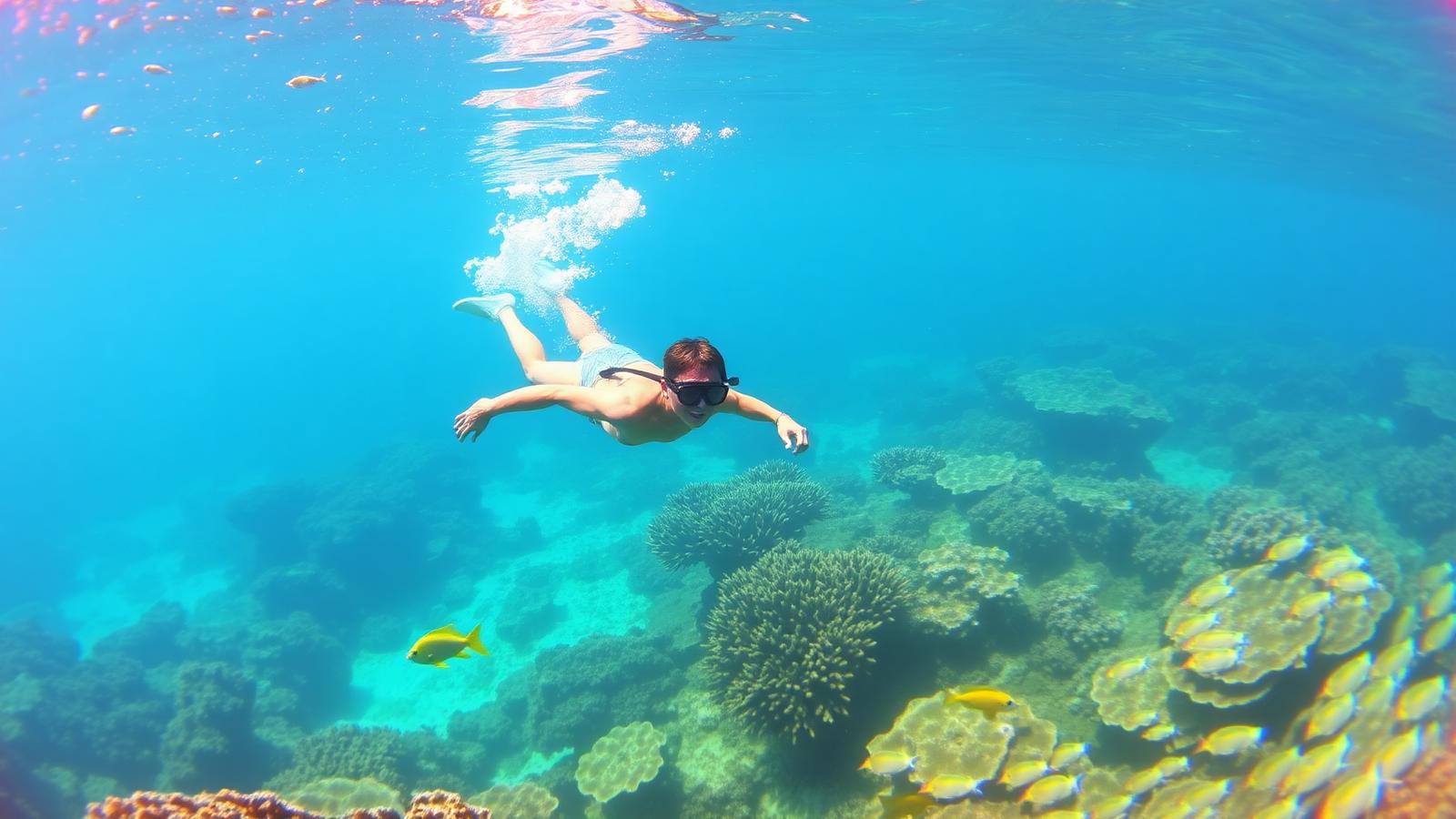
The Black Sea here is warm and swimmable from mid-June to late September, with water temperatures in the mid-twenties through July and August. There is almost no tide, the shelf is long and gentle, and the sand is fine and pale. Shoulder season — May, and especially September — is the local secret: warm water, empty sand and half-price everything.
For a family or a small guesthouse operator this is one of the better value propositions on the coast: proper space, a garden that can absorb whatever you want to add, and a permanently wild beach a few minutes away. Rental demand runs strongly from June to September and increasingly through the spring and autumn weekends as the area's reputation grows. Mihail Kogălniceanu airport (CND) is thirty minutes away.
Around the property
🏝️ The beach
Broad undeveloped dune beach beside a nature reserve
- Sand
- Wide pale sand, high dunes, no buildings
- Water
- Clean open Black Sea, warm June–September
🍽️ Eat & drink nearby
- ·Village taverns for grilled fish and mici
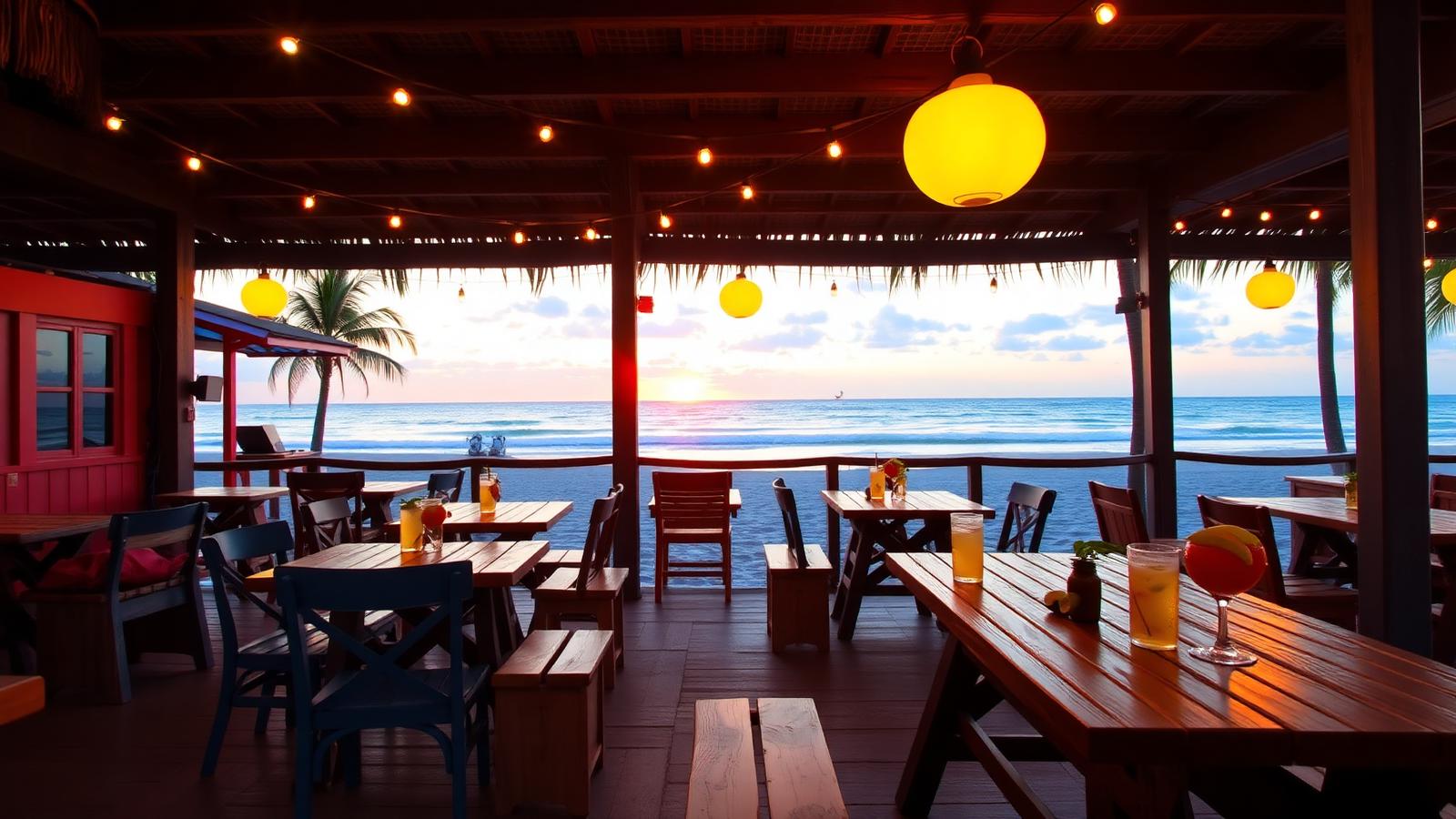
- ·Seasonal beach bars at the access point
- ·Năvodari restaurants, 10 min
🛍️ Shops & markets
- ·Corbu grocers and bakery
- ·Năvodari supermarkets, 10 min
- ·Constanța malls, 40 min
✈️ Getting there
- ·Constanța Airport (CND) — 30 min
- ·Constanța city — 40 min
- ·Năvodari bus connections
- ·Car or bicycle recommended
🏄 Things to do
- ·Kitesurfing at the north end
- ·Birdwatching on the inland lagoons
- ·Cycling the dune tracks
- ·Sunset drinks at the beach bars