The full story
Jurilovca is a Lipovan fishing village on the western shore of Razim, the largest lagoon in Romania and part of the Danube Delta biosphere. The Lipovans are Old Believer Russians who settled here in the eighteenth century; the village still has its onion-domed church, its own dialect, and a fishing economy that works the lagoon with flat-bottomed boats. Across the water, reachable only by boat, is Gura Portiței — a spit of wild sand between the lagoon and the open sea with a handful of huts and nothing else.
The house is a traditional village build of 70 square metres: thick lime-washed walls, a tiled roof, blue-painted joinery, two bedrooms, a bathroom modernised around 2017, a kitchen and a living room with a masonry stove. The plot is roughly seven hundred square metres, with an old summer kitchen, a vine pergola and space for a boat trailer. Mains water and electricity are connected. It is comfortable and clean without being renovated to a city standard, which is reflected in the price.
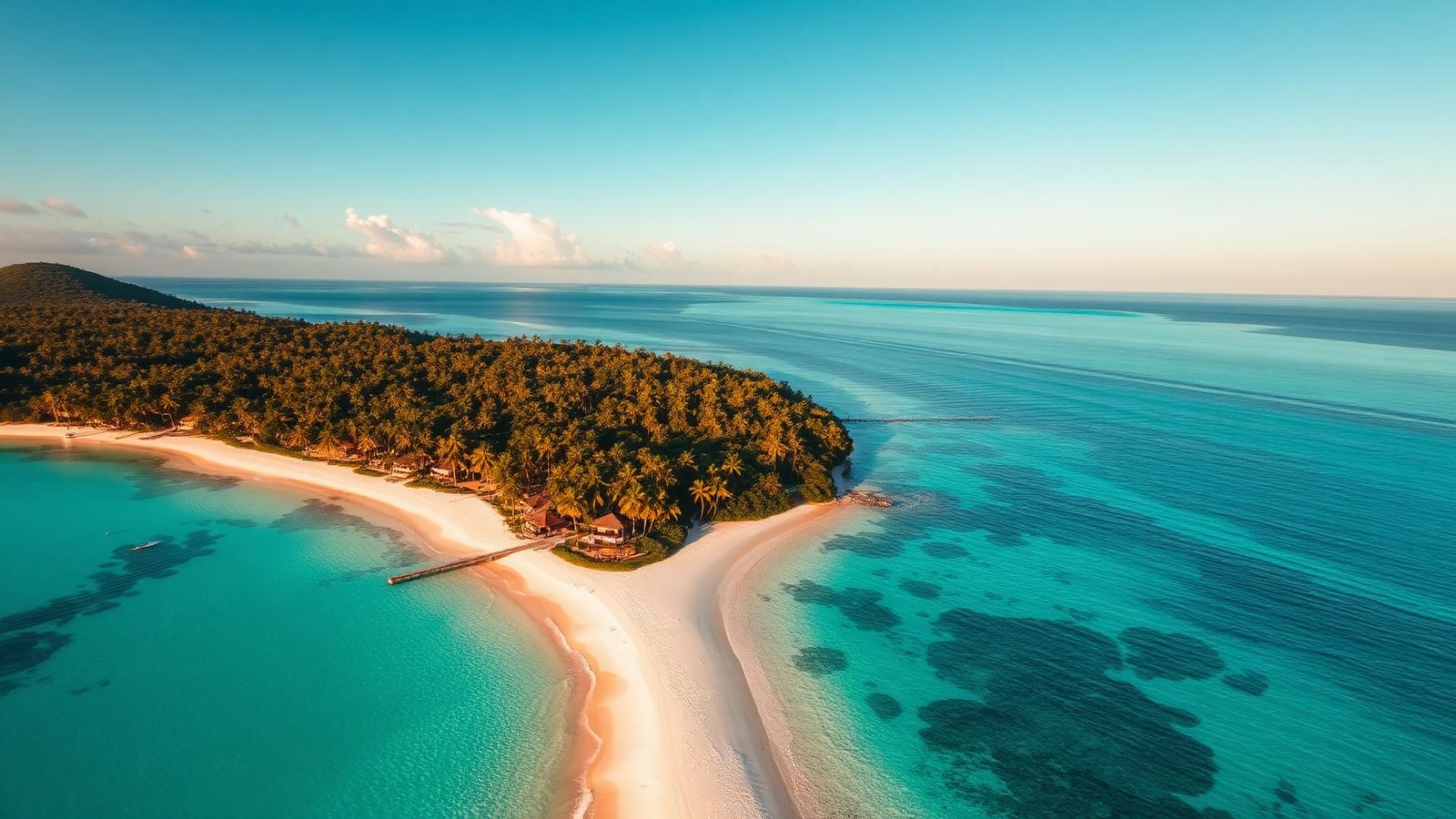
The lagoon shore is a five-minute walk. Boats leave the small harbour for Gura Portiței through the season — around forty minutes across the water to a beach that most Romanians rank among the wildest and most beautiful in the country. Closer to hand, the Razim shoreline is a birdwatcher's site of real importance: pelicans, glossy ibis, spoonbills and, on the salt flats, flamingos in recent summers. The Roman-Byzantine fortress of Argamum sits on a promontory ten minutes north, overlooking the lagoon.
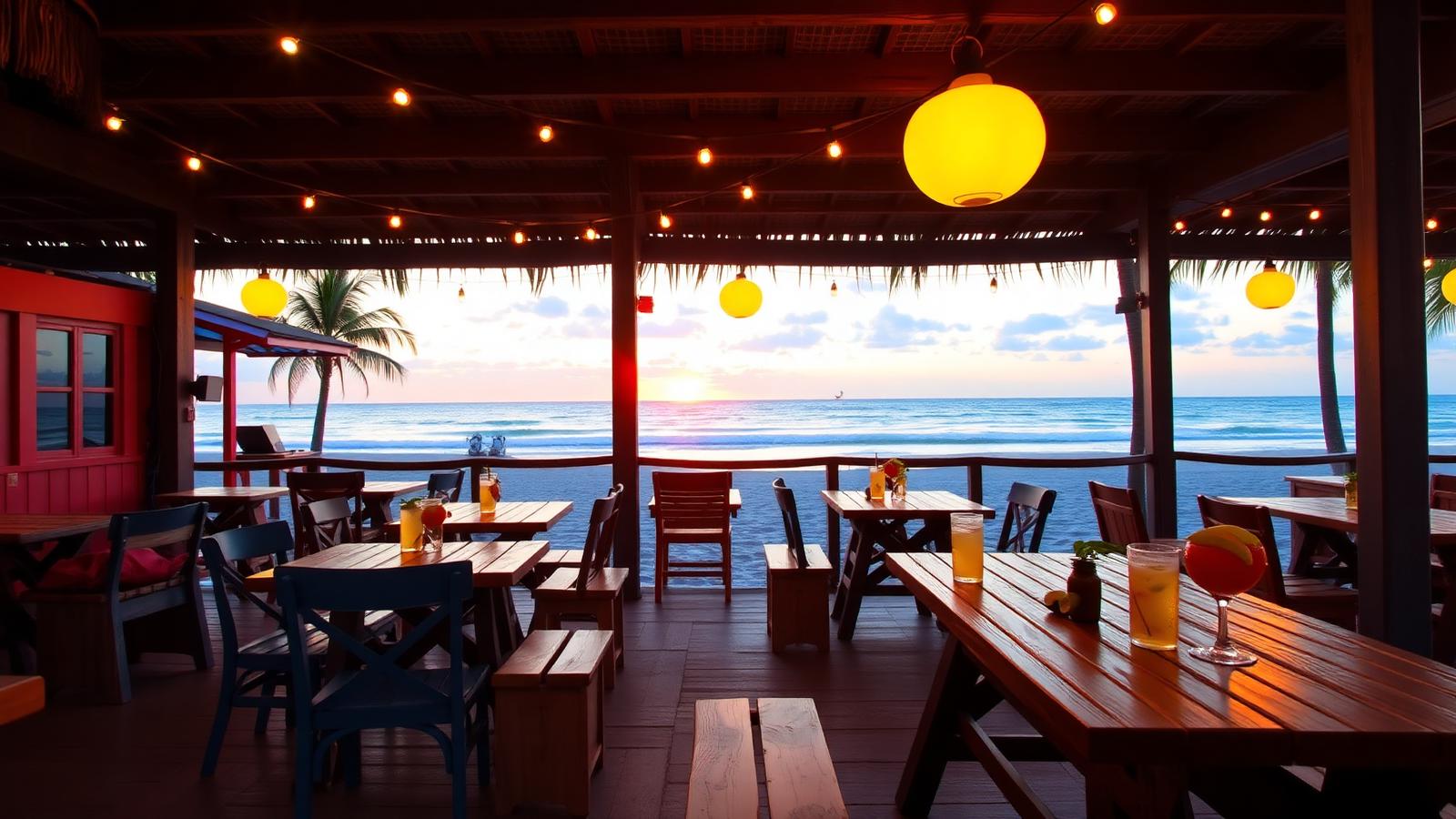
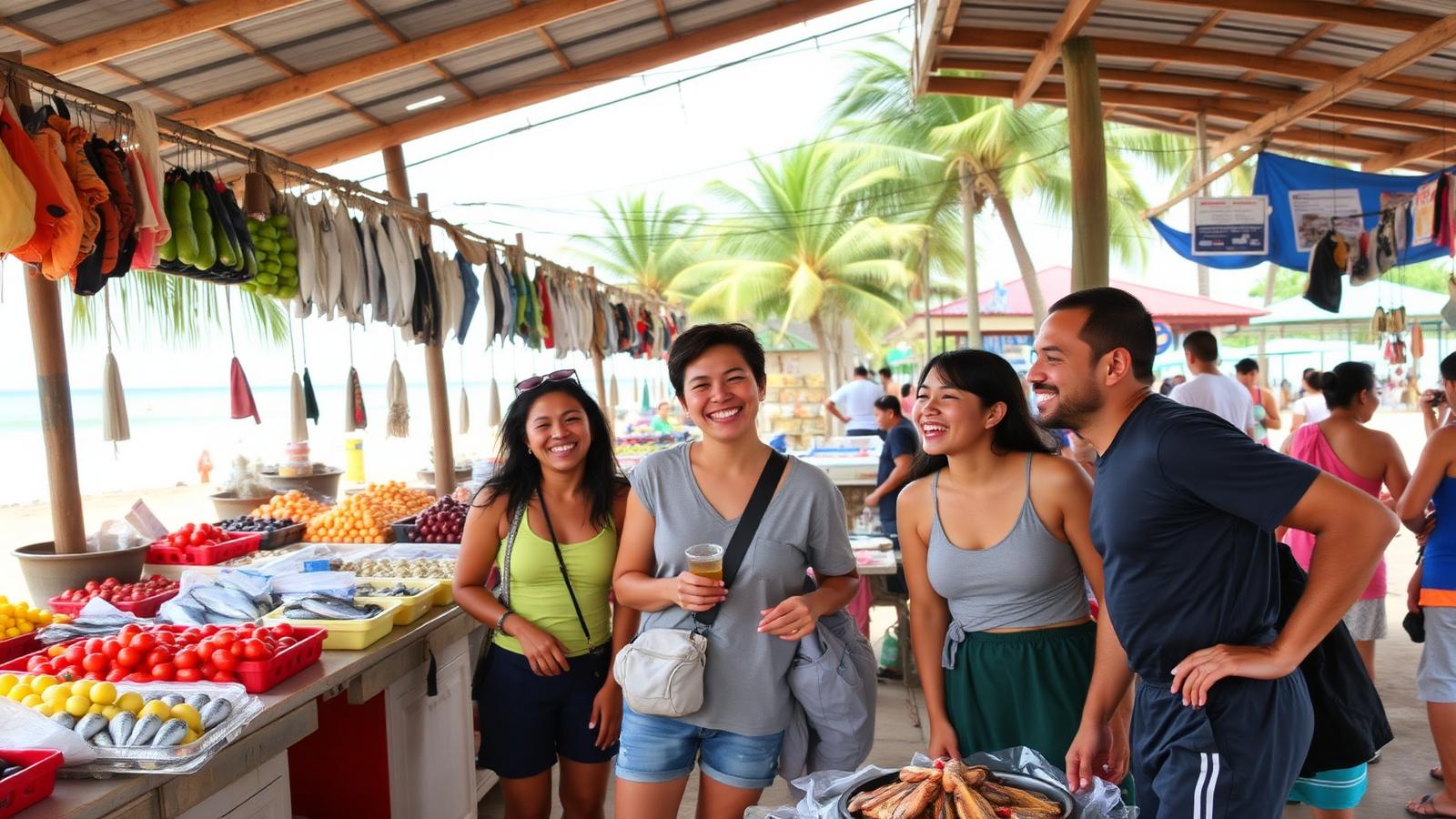
Village life is quiet and cheap. There are shops, a bakery, fishmongers selling the morning catch, and pensions serving Delta cooking — fish borscht with sour cream and hot peppers, plachie, sturgeon when available. Babadag is twenty minutes inland for supermarkets and services; Tulcea, the delta capital, is an hour.
Romania is an EU member state, so EU citizens buy on exactly the same terms as Romanians. Non-EU buyers can own the building outright and hold the land beneath it through a simple Romanian company — a standard, inexpensive structure that local notaries set up routinely. A purchase closes in four to eight weeks and transaction costs are among the lowest in the European Union, typically well under three percent all-in. Property taxes on a coastal home of this size run to a couple of hundred euros a year.
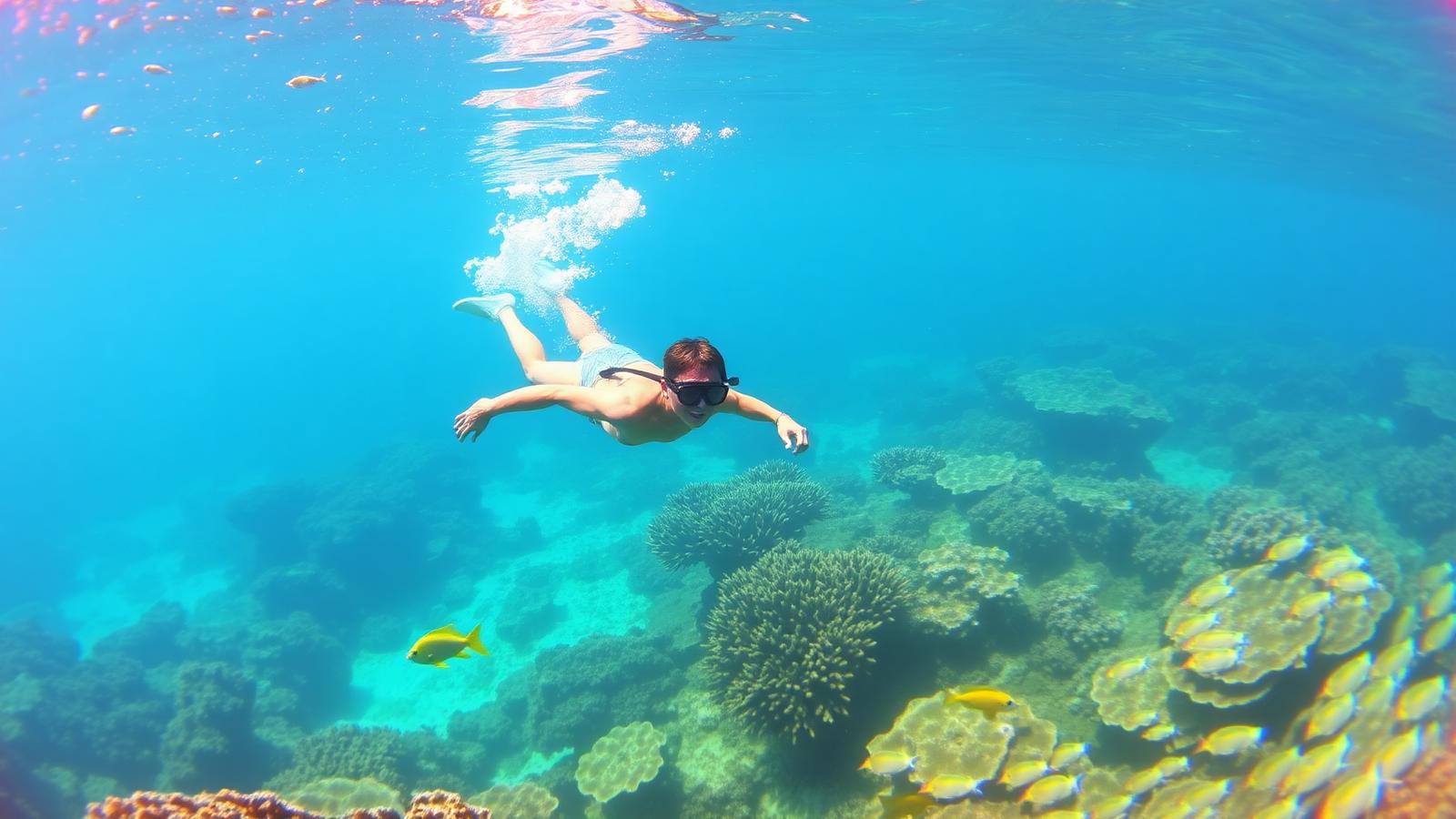
The Black Sea here is warm and swimmable from mid-June to late September, with water temperatures in the mid-twenties through July and August. There is almost no tide, the shelf is long and gentle, and the sand is fine and pale. Shoulder season — May, and especially September — is the local secret: warm water, empty sand and half-price everything.
This suits a buyer who wants the Danube Delta rather than the resort coast: birds, boats, silence, a working village with real culture, and a wild beach a short crossing away. Summer rental demand comes from birders, fishermen and Romanian families making the Gura Portiței trip, and it holds up from May to October. Constanța's airport is a ninety-minute drive south; Tulcea and its delta boat network is an hour north.
Around the property
🏝️ The beach
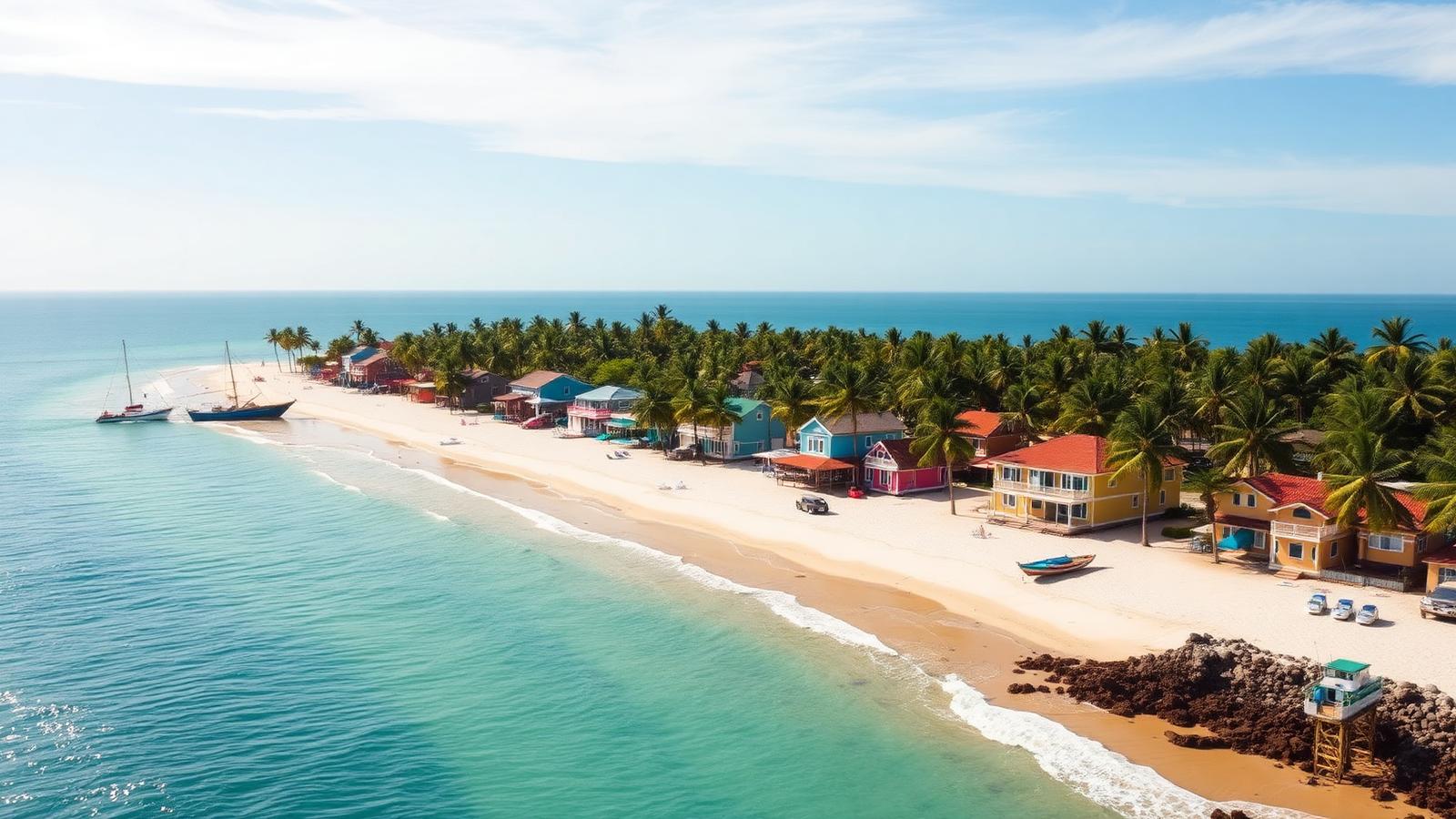
Wild sand spit beach across the lagoon at Gura Portiței
- Sand
- Fine untouched sand between lagoon and open sea
- Water
- Calm lagoon on one side, open Black Sea on the other
🍽️ Eat & drink nearby
- ·Village pensions serving fish borscht and plachie
- ·Fresh catch direct from the fishermen
- ·Seasonal huts at Gura Portiței
🛍️ Shops & markets
- ·Village shops and bakery
- ·Babadag supermarkets, 20 min
- ·Tulcea for everything else, 1 h
✈️ Getting there
- ·Boat to Gura Portiței — 40 min in season
- ·Tulcea — 1 h by road
- ·Constanța Airport (CND) — 1 h 30
- ·Car recommended
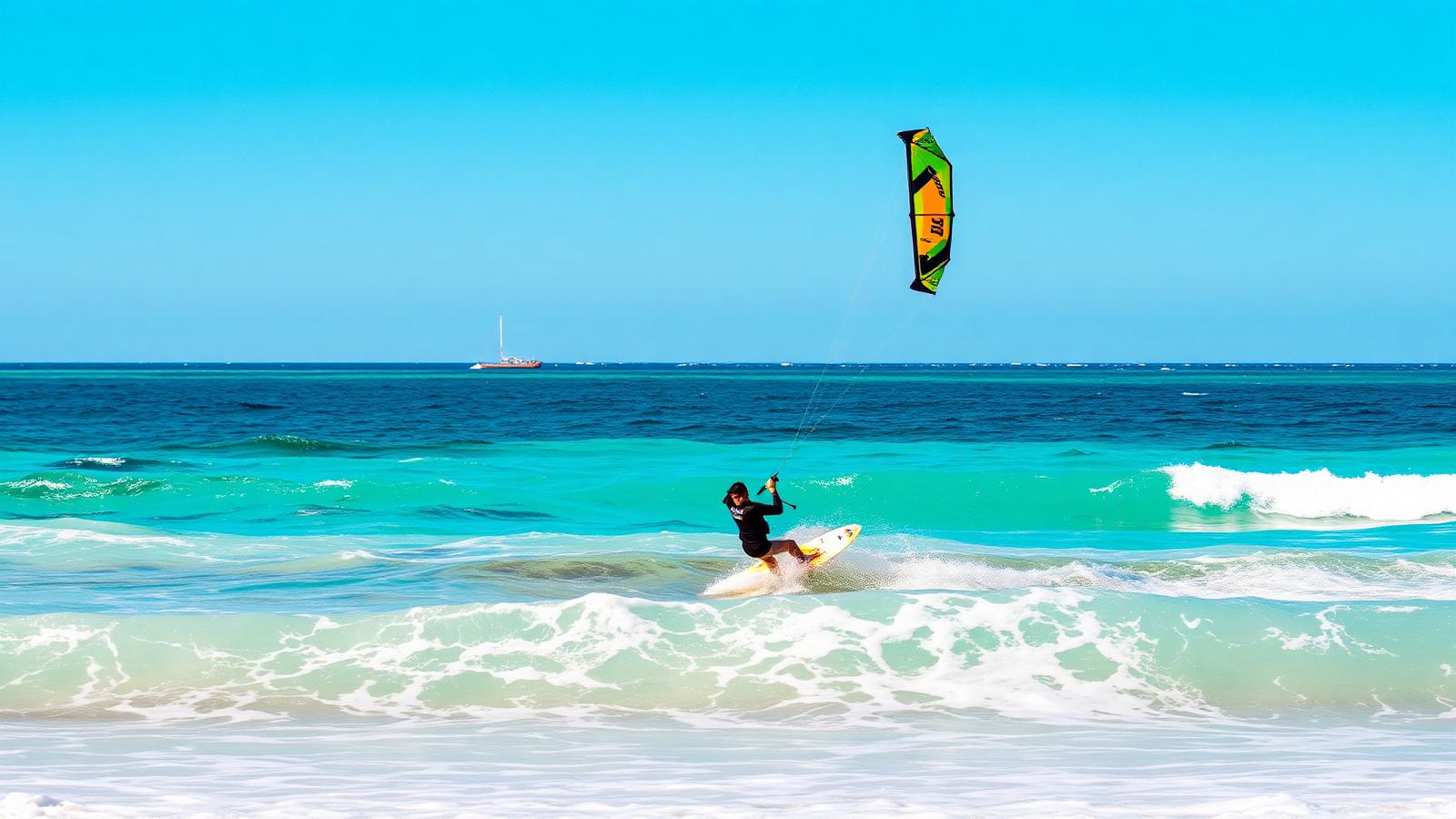
🏄 Things to do
- ·Birdwatching for pelicans and flamingos
- ·Lagoon fishing with local boatmen
- ·Argamum Roman fortress, 10 min
- ·Boat day trips into the Delta