The full story
Eforie Sud was built as a genteel seaside resort in the 1890s and expanded through the interwar years, when Bucharest's professional class came down to take the air and bathe in the salt lake. That heritage is still legible: a cliff-top park with pines and belvederes, wide stairways down to the sand, and a scattering of villas with deep verandas and tall shuttered windows. This 130-square-metre house belongs to that tradition, either an original or a faithful later build in the same idiom.
Accommodation is over two floors: three bedrooms upstairs — the largest with direct terrace access and an open sea horizon — plus two bathrooms, a generous living room with the original tiled stove retained as a feature, a separate kitchen, and a covered veranda that runs the width of the front elevation. Outside there is a mature garden of roughly four hundred square metres with figs, a grape pergola and off-street parking. Central heating runs on gas. The structure is sound and the roof was redone within the last decade; the interiors are comfortable but traditional, and there is scope to modernise the kitchen and bathrooms.
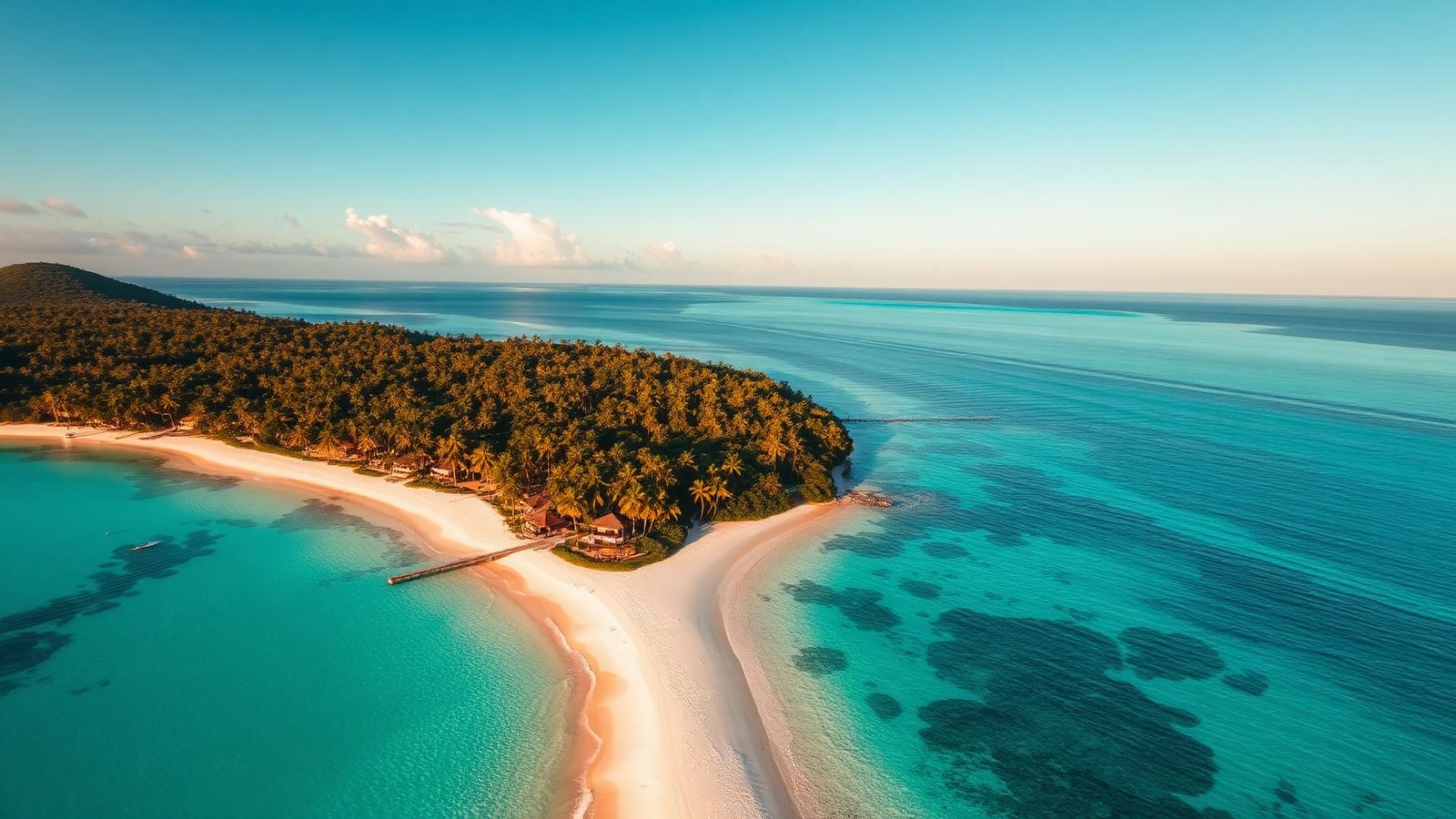
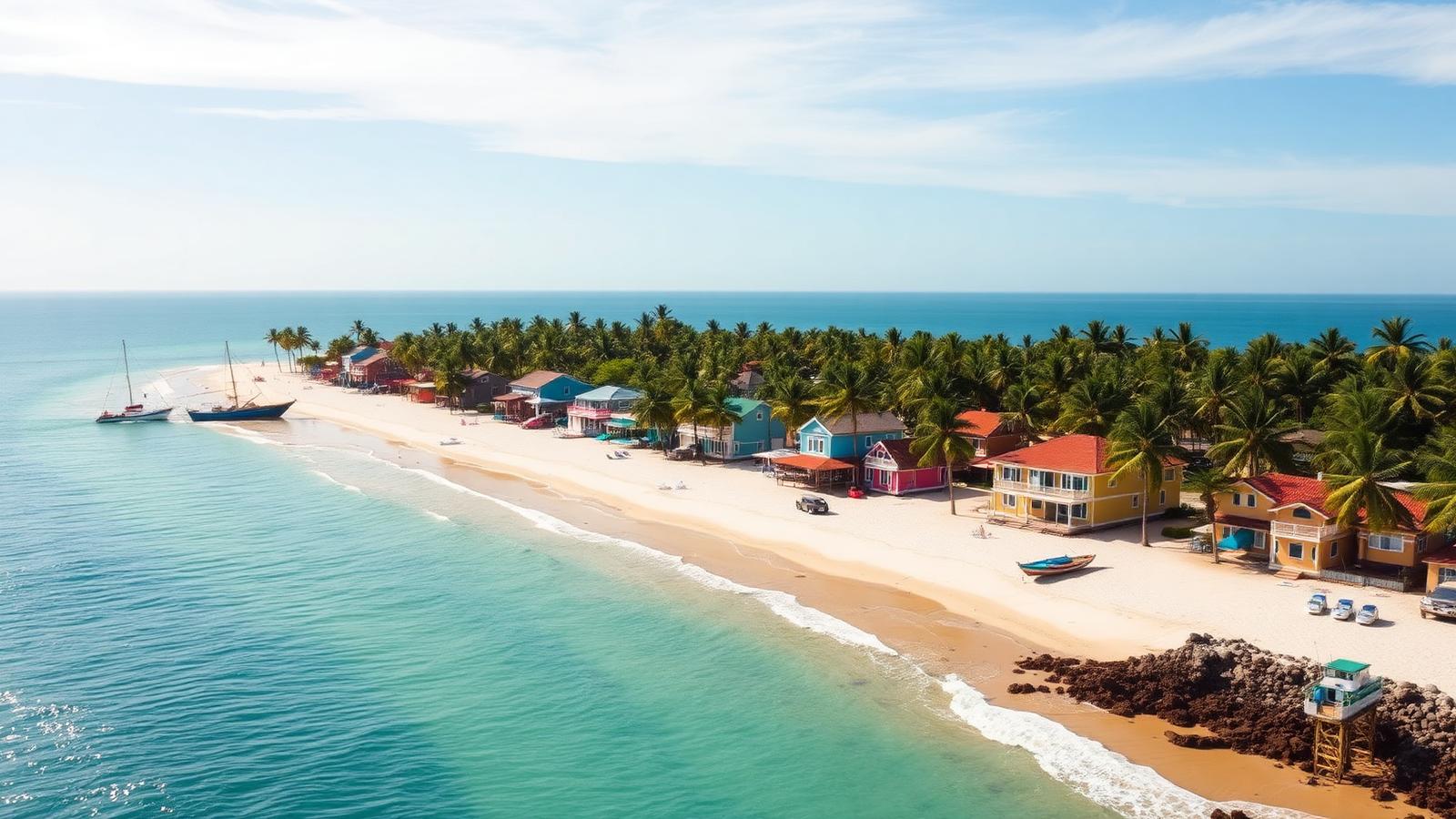
The location is the point. The house sits three hundred metres from the cliff-edge park, from which stairs and a ramp drop to Eforie Sud's beach — a broad sweep of fine sand that is significantly calmer than Mamaia and lifeguarded through the season. On the other side of the resort, five minutes' walk away, is Techirghiol: a hypersaline lake, more buoyant than the sea, whose black sapropelic mud has been used therapeutically for over a century and still draws visitors from across Romania and beyond well outside the summer months.
Eforie Sud itself is a real town rather than a strip — market, supermarkets, pharmacies, a train station on the Bucharest line, restaurants doing everything from Black Sea turbot to Lebanese grills. Constanța is fifteen minutes north for hospitals, the university, the Old Casino and the port.
Romania is an EU member state, so EU citizens buy on exactly the same terms as Romanians. Non-EU buyers can own the building outright and hold the land beneath it through a simple Romanian company — a standard, inexpensive structure that local notaries set up routinely. A purchase closes in four to eight weeks and transaction costs are among the lowest in the European Union, typically well under three percent all-in. Property taxes on a coastal home of this size run to a couple of hundred euros a year.
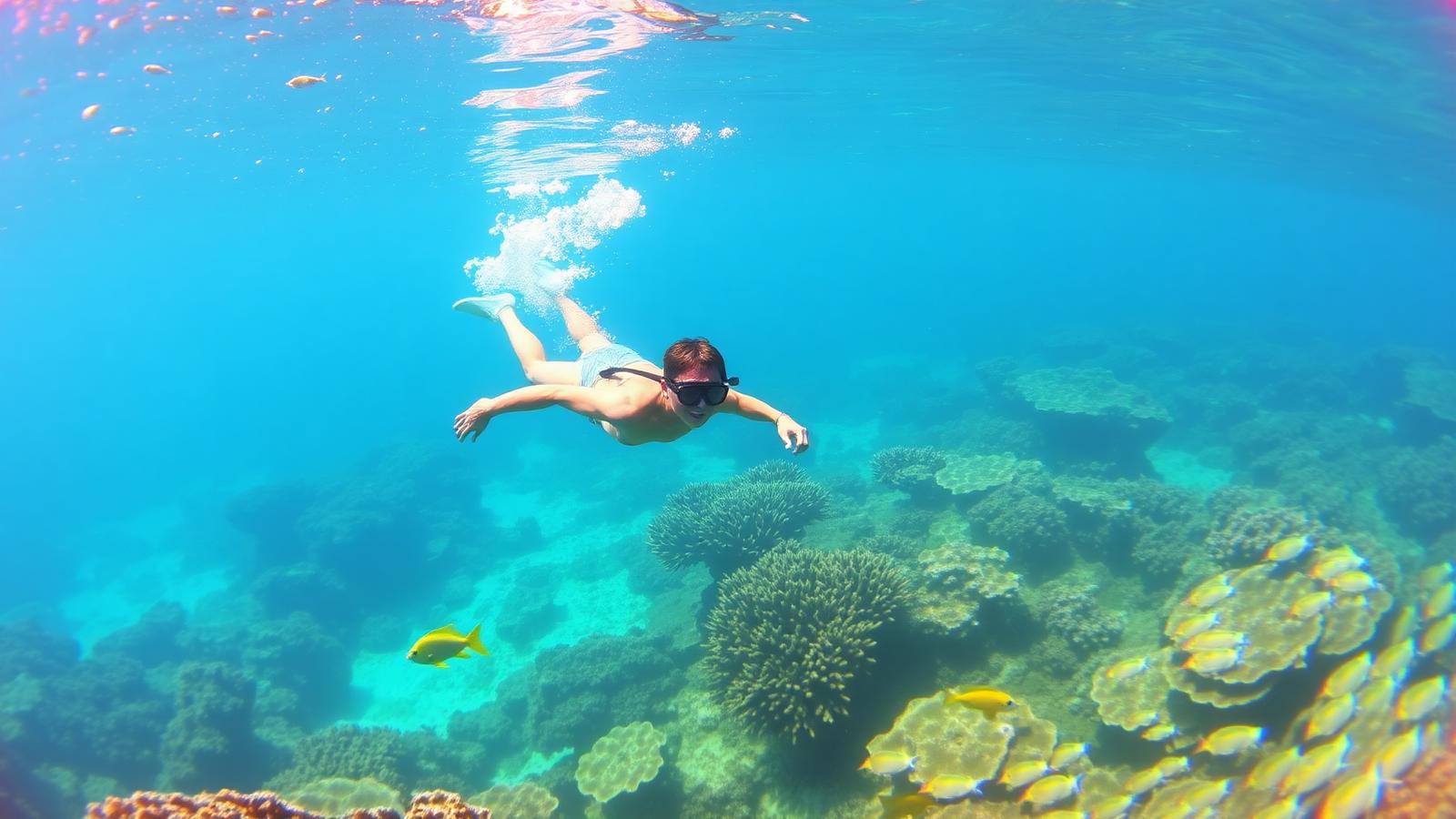
The Black Sea here is warm and swimmable from mid-June to late September, with water temperatures in the mid-twenties through July and August. There is almost no tide, the shelf is long and gentle, and the sand is fine and pale. Shoulder season — May, and especially September — is the local secret: warm water, empty sand and half-price everything.
At this size and price the villa works as a family home, as a small guesthouse (the layout splits naturally, and the veranda is exactly what guests want), or as a long-season rental combining summer beach demand with year-round spa visitors. Mihail Kogălniceanu airport (CND) is thirty-five minutes away, and Bucharest is two and a half hours by road or direct train.
Around the property
🏝️ The beach
Broad cliff-backed resort beach
- Sand
- Fine golden sand, lifeguarded
- Water
- Calm Black Sea; hypersaline lake 5 min inland
🍽️ Eat & drink nearby
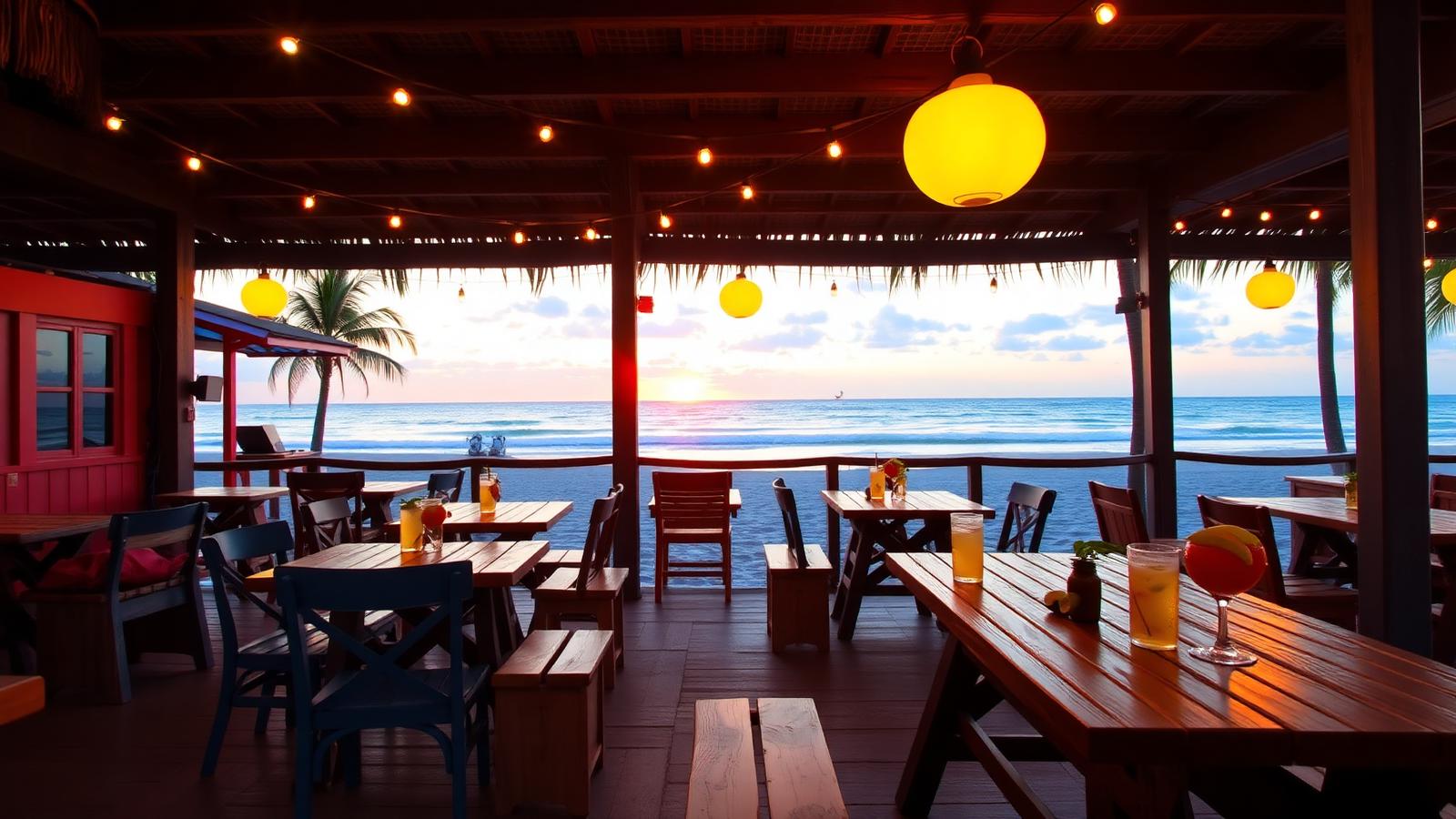
- ·Seafront restaurants for turbot and scrumbie
- ·Lebanese and Turkish grills in town
- ·Cliff-park cafés with sea views
🛍️ Shops & markets
- ·Eforie Sud daily market
- ·Supermarkets in town
- ·Constanța malls, 15 min
✈️ Getting there
- ·Eforie Sud station — direct to Bucharest
- ·Constanța Airport (CND) — 35 min
- ·Constanța city — 15 min drive
- ·Coastal bus every 20 min in season
🏄 Things to do
- ·Techirghiol mud baths and floating
- ·Cliff-top park walks at sunrise
- ·Golf and horse riding inland
- ·Day trips to the Danube Delta