The full story
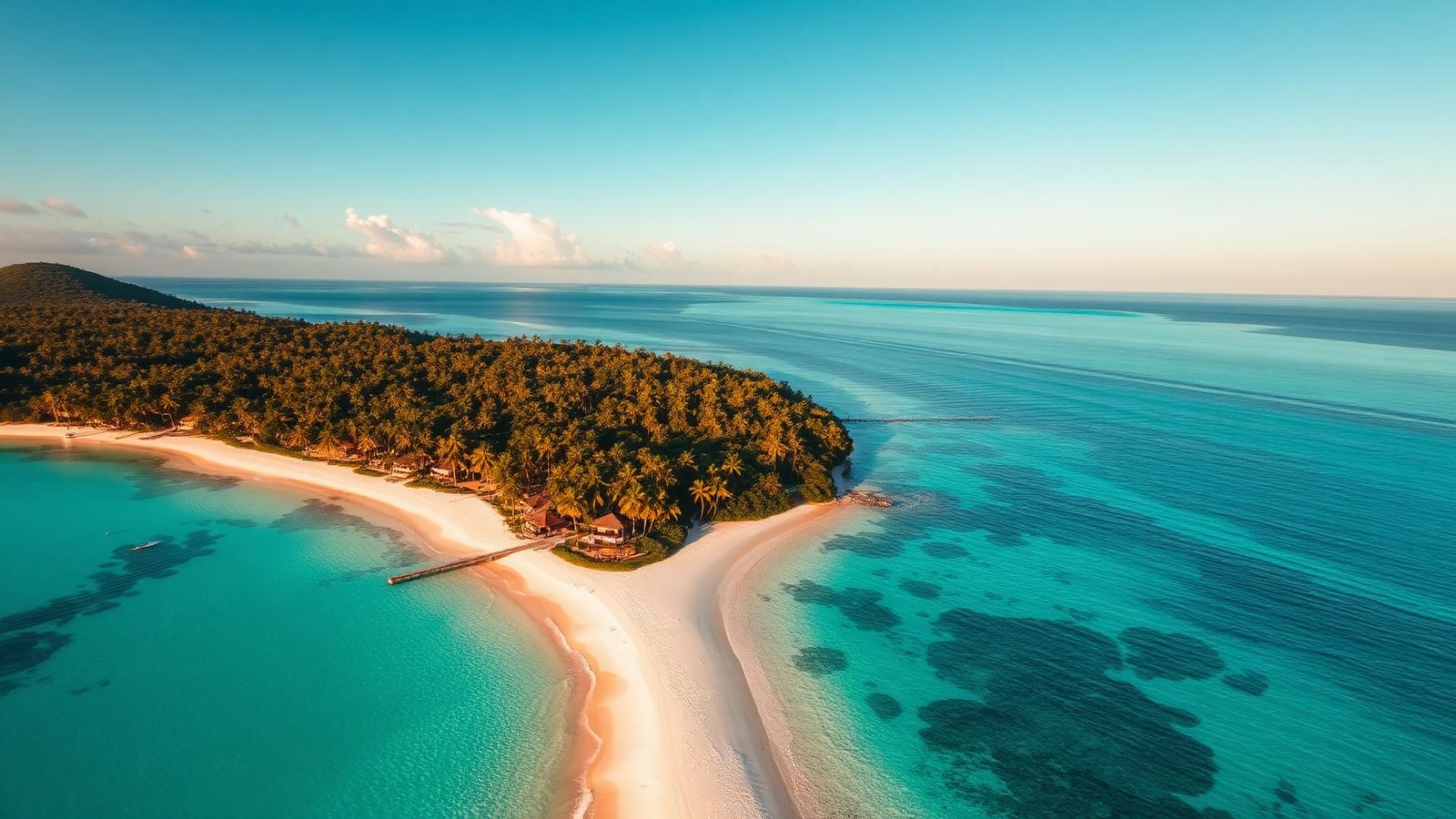
Vadu is what the Romanian coast looked like before the resorts: nine kilometres of untouched sand, high grass-tufted dunes, no buildings on the beach, and the southern edge of the Danube Delta Biosphere Reserve running right up to it. Development is legally restricted, which is precisely why it will stay this way. Properties near Vadu are rare and they trade on the promise of permanent emptiness.
This cabin is a 58-square-metre timber build on a fenced plot in the village behind the dune belt, six hundred metres from where the sand begins. It is deliberately simple: a pine frame on a concrete raft, a steep metal roof, two bedrooms, a shower room, and an open living-kitchen with a wood-burning stove and a wide window facing the dunes. A deep covered deck wraps the seaward corner. Solar panels with a battery bank cover lighting, fridge and device charging; there is a rainwater tank plus a village water connection, a modern septic system, and bottled gas for cooking. Running costs are close to nothing.
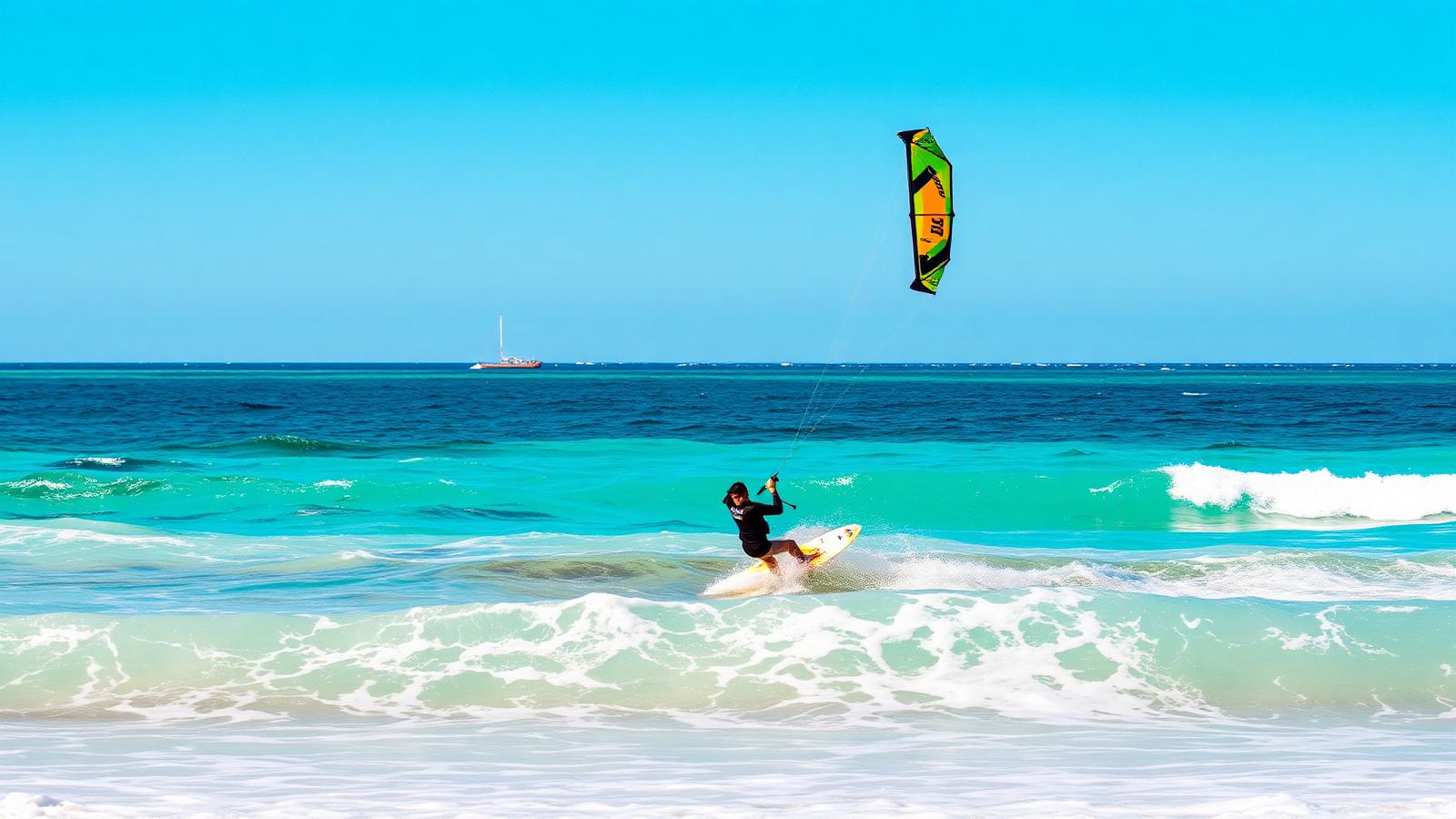
The beach is reached on foot or by bicycle along a sand track through the reserve. It is completely undeveloped — no bars, no loungers, no lifeguards — and in shoulder season you can walk for an hour without seeing anyone. Birdlife is extraordinary: this is a migration corridor, and pelicans, herons, avocets and flamingos all appear on the adjacent lagoons. Kitesurfers use the Vadu section on windy days because the beach is wide and empty enough to be safe.
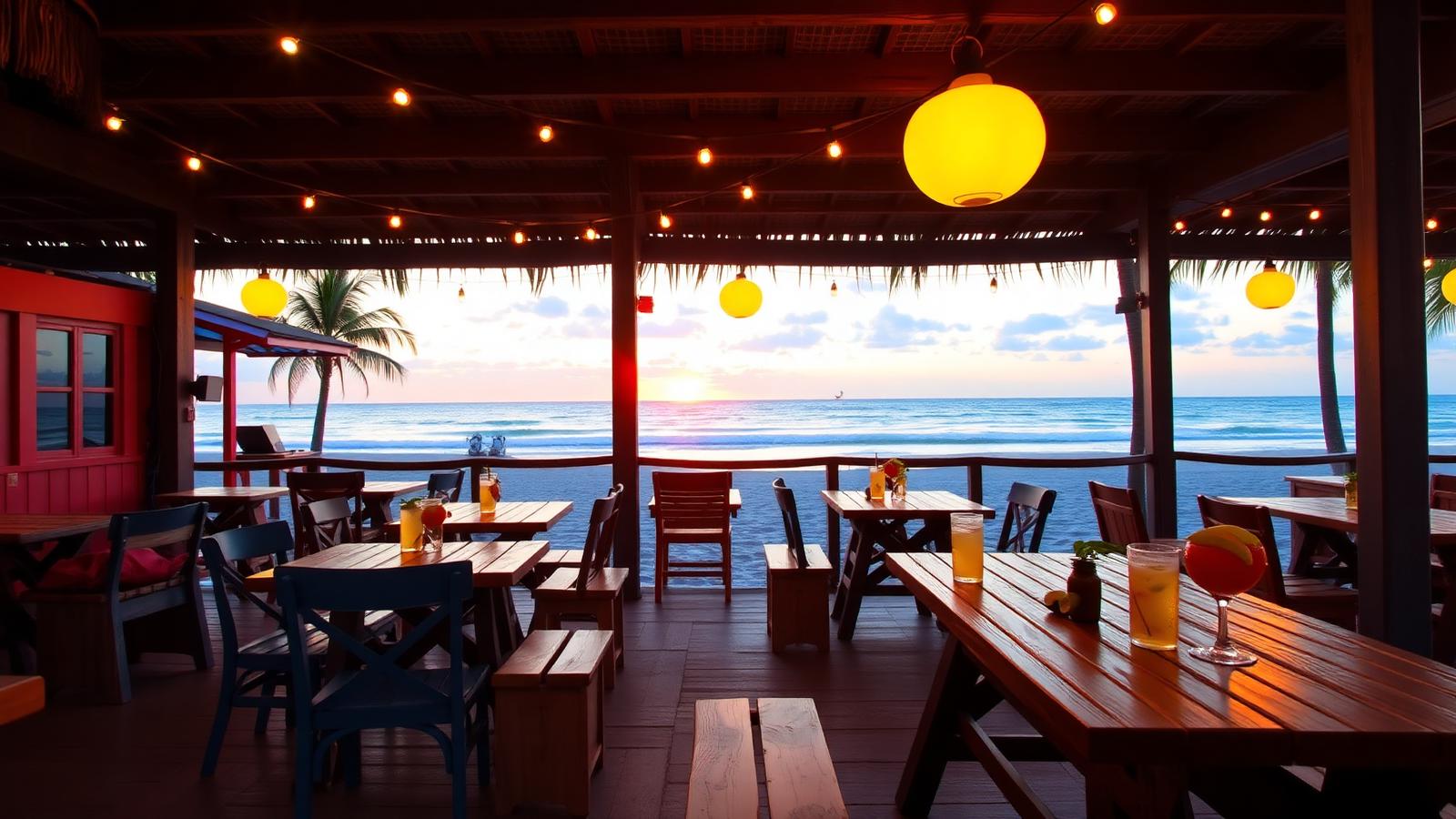
Practical life happens in Corbu and Săcele, five to ten minutes by car, where there are grocers, a bakery and a couple of taverns doing fish soup and grilled crap. Năvodari, with supermarkets and a pharmacy, is twenty minutes. Constanța is forty-five minutes south.
Romania is an EU member state, so EU citizens buy on exactly the same terms as Romanians. Non-EU buyers can own the building outright and hold the land beneath it through a simple Romanian company — a standard, inexpensive structure that local notaries set up routinely. A purchase closes in four to eight weeks and transaction costs are among the lowest in the European Union, typically well under three percent all-in. Property taxes on a coastal home of this size run to a couple of hundred euros a year.
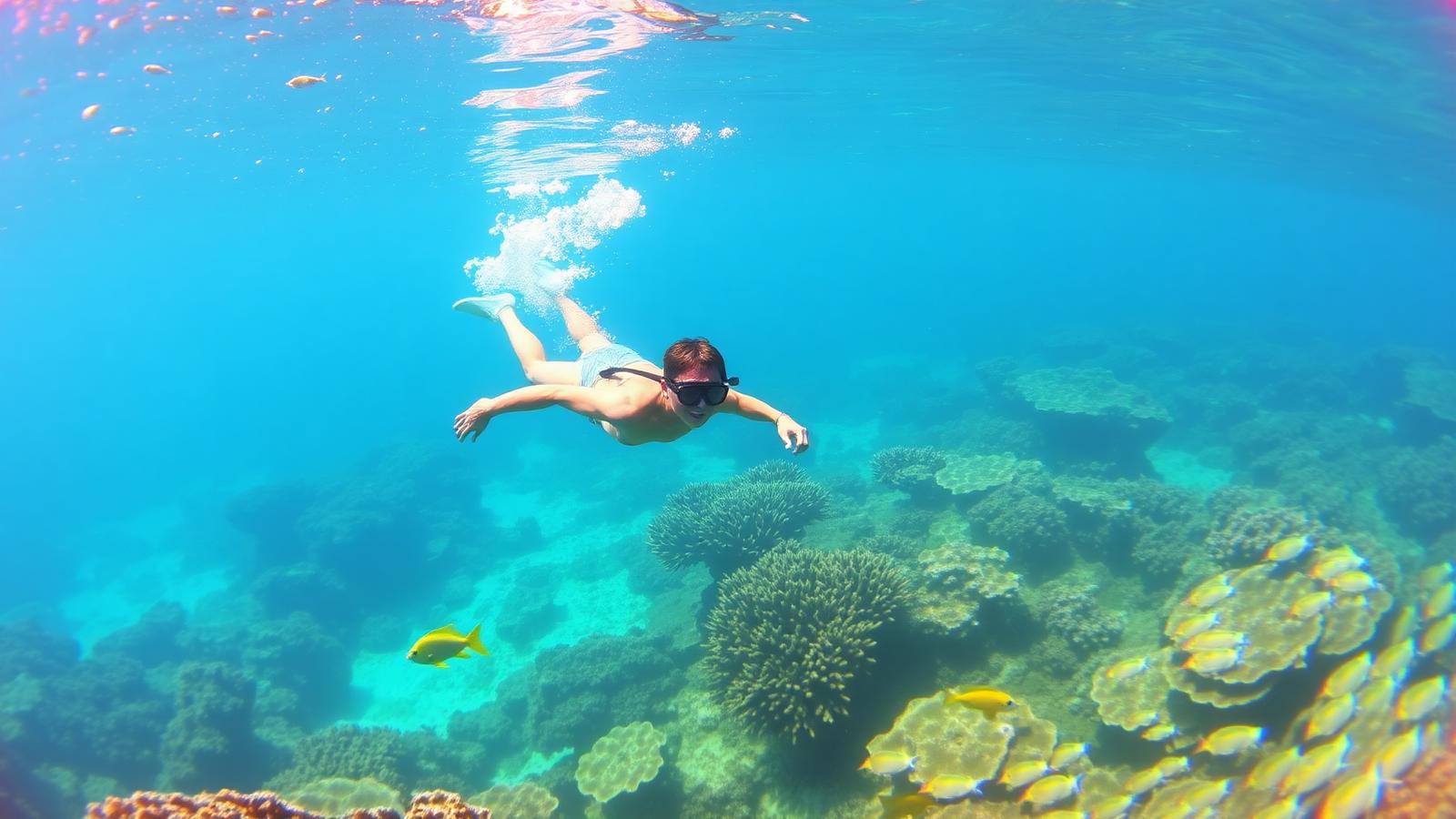
The Black Sea here is warm and swimmable from mid-June to late September, with water temperatures in the mid-twenties through July and August. There is almost no tide, the shelf is long and gentle, and the sand is fine and pale. Shoulder season — May, and especially September — is the local secret: warm water, empty sand and half-price everything.
This is a specific kind of buy: someone who wants silence, dark skies, birds and a beach that cannot be built on, and who is content that the nearest supermarket is a drive rather than a stroll. It rents extremely well to exactly that audience — Romanian city escapees and Northern European birders — from May through September. Mihail Kogălniceanu airport (CND) is forty minutes away, and Tulcea, the gateway to the Danube Delta proper, is ninety minutes north.
Around the property
🏝️ The beach
Protected wild dune beach, no development
- Sand
- Coarse pale sand backed by high grass dunes
- Water
- Clean open Black Sea, unlifeguarded
🍽️ Eat & drink nearby
- ·Village taverns in Corbu (fish soup, grilled carp)
- ·Săcele bakery and grocer
- ·Seasonal food trucks at the beach track
🛍️ Shops & markets
- ·Corbu village shops, 5 min
- ·Năvodari supermarkets, 20 min
- ·Constanța for everything else, 45 min
✈️ Getting there
- ·Constanța Airport (CND) — 40 min
- ·Constanța city — 45 min
- ·Tulcea / Danube Delta gateway — 1 h 30
- ·Car strongly recommended
🏄 Things to do
- ·Birdwatching on the lagoons
- ·Kitesurfing on the empty beach
- ·Cycling the dune tracks
- ·Stargazing with zero light pollution