The full story
Sfântu Gheorghe sits where the southernmost arm of the Danube finally reaches the Black Sea, and it can only be reached by boat — a fast catamaran or a slow ferry from Tulcea, ninety minutes and four hours respectively. There are no cars in the village. Transport is by bicycle, on foot, or in the back of a converted farm vehicle that meets the boat. Roughly eight hundred people live here, most of them Ukrainian-descended Lipovan fishermen, and the village keeps a rhythm set by the river and the weather.
The house is a traditional Delta build of 64 square metres: mud-and-reed walls on a timber frame, lime-washed pale blue, with a thatched reed roof that is the regional signature and an excellent insulator. Two bedrooms, a small bathroom that was added in a 2018 renovation, a kitchen and a living room with a masonry stove. The plot is generous — around six hundred square metres of garden with fruit trees and space for a summer kitchen. Electricity is connected; water comes from the village supply; heating is wood and reed.
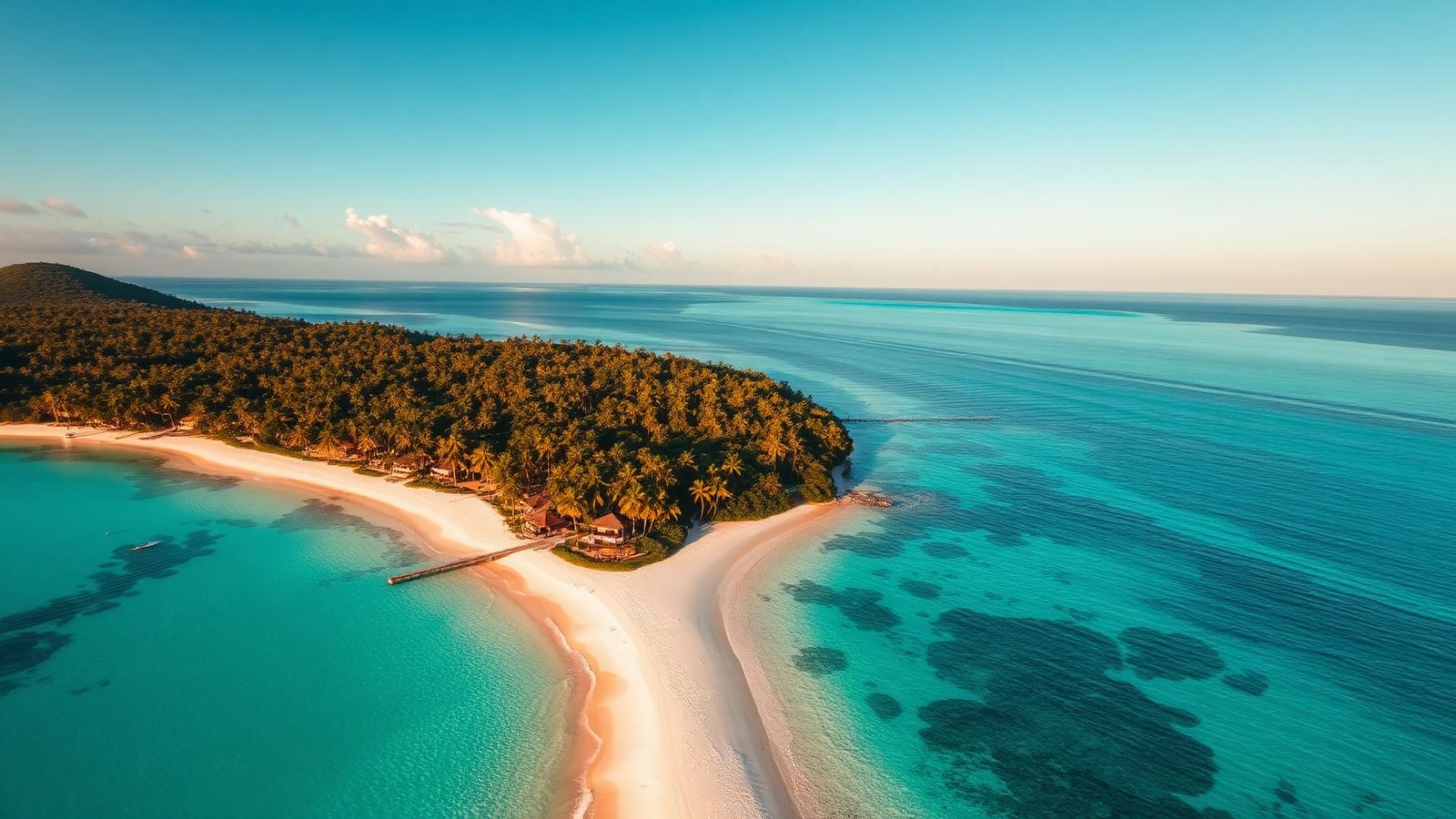
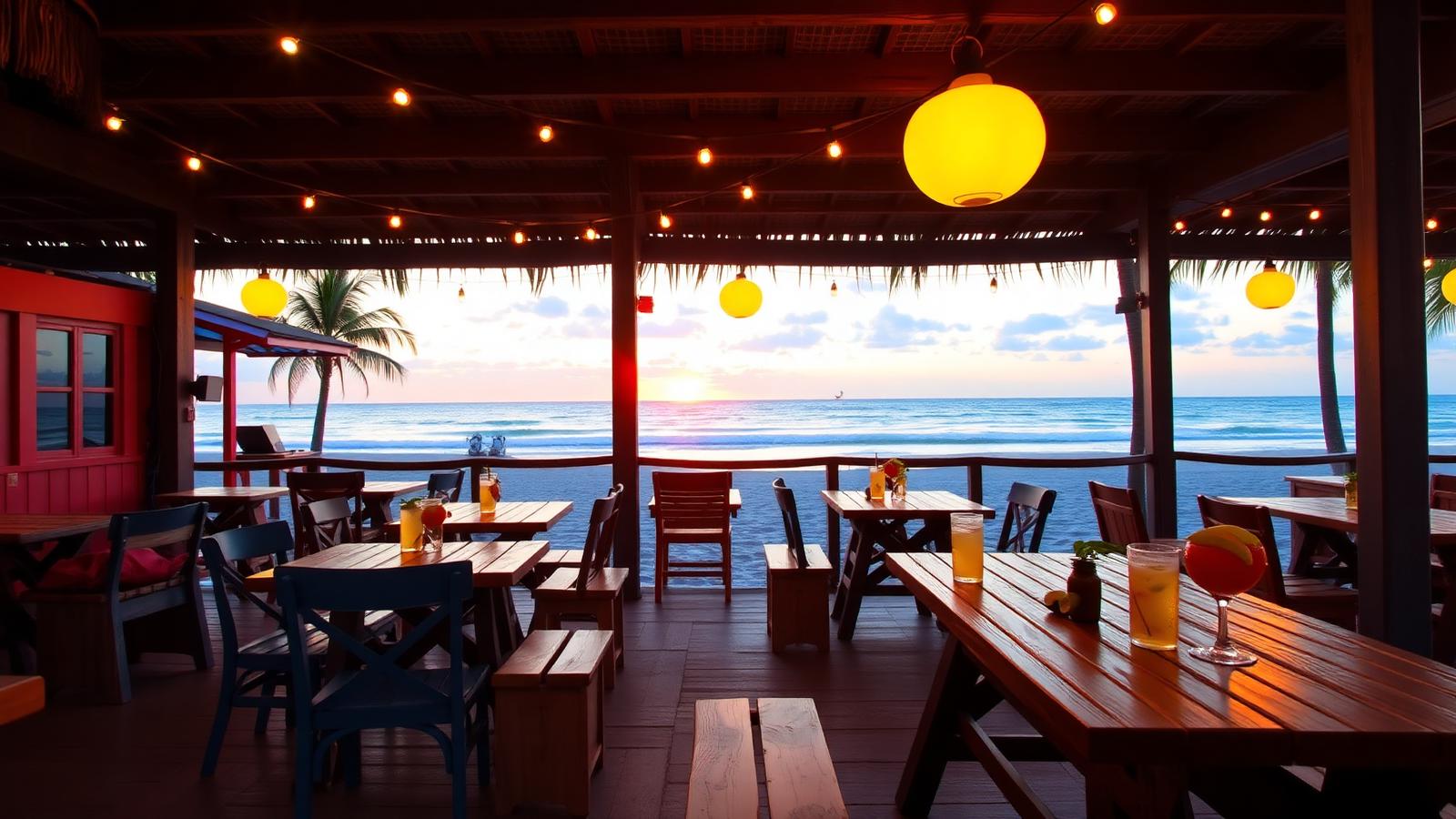
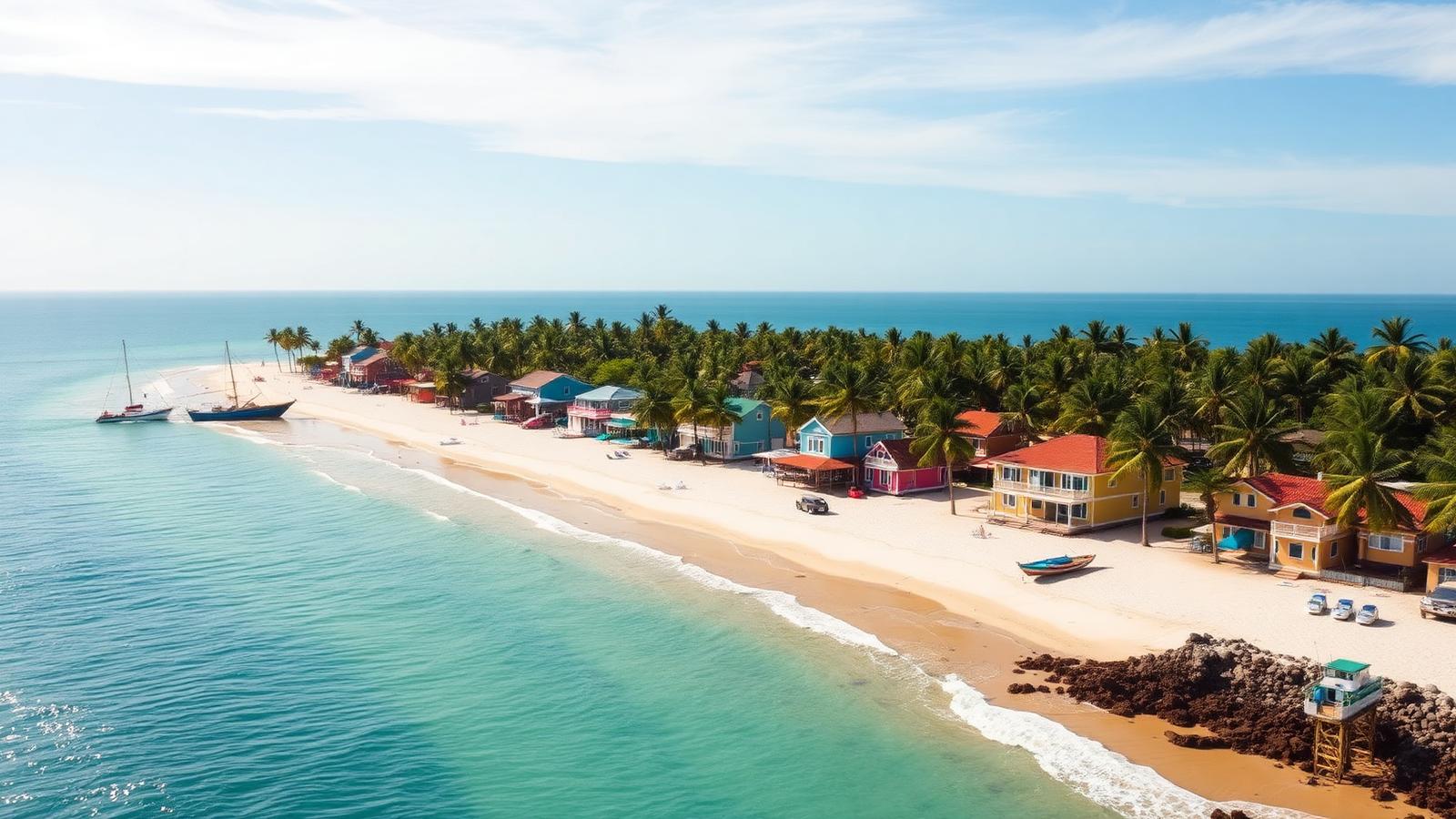
The beach is a nine-hundred-metre walk or a three-minute cycle east of the village, and it is astonishing: seven kilometres of wide, fine, entirely empty sand where the Danube's silt meets the sea. There is a single seasonal beach bar in high summer. Behind it are dunes and reedbeds full of pelicans, cormorants and egrets. The village hosts the Anonimul independent film festival each August, which briefly triples the population and is the one week of the year the place feels busy.
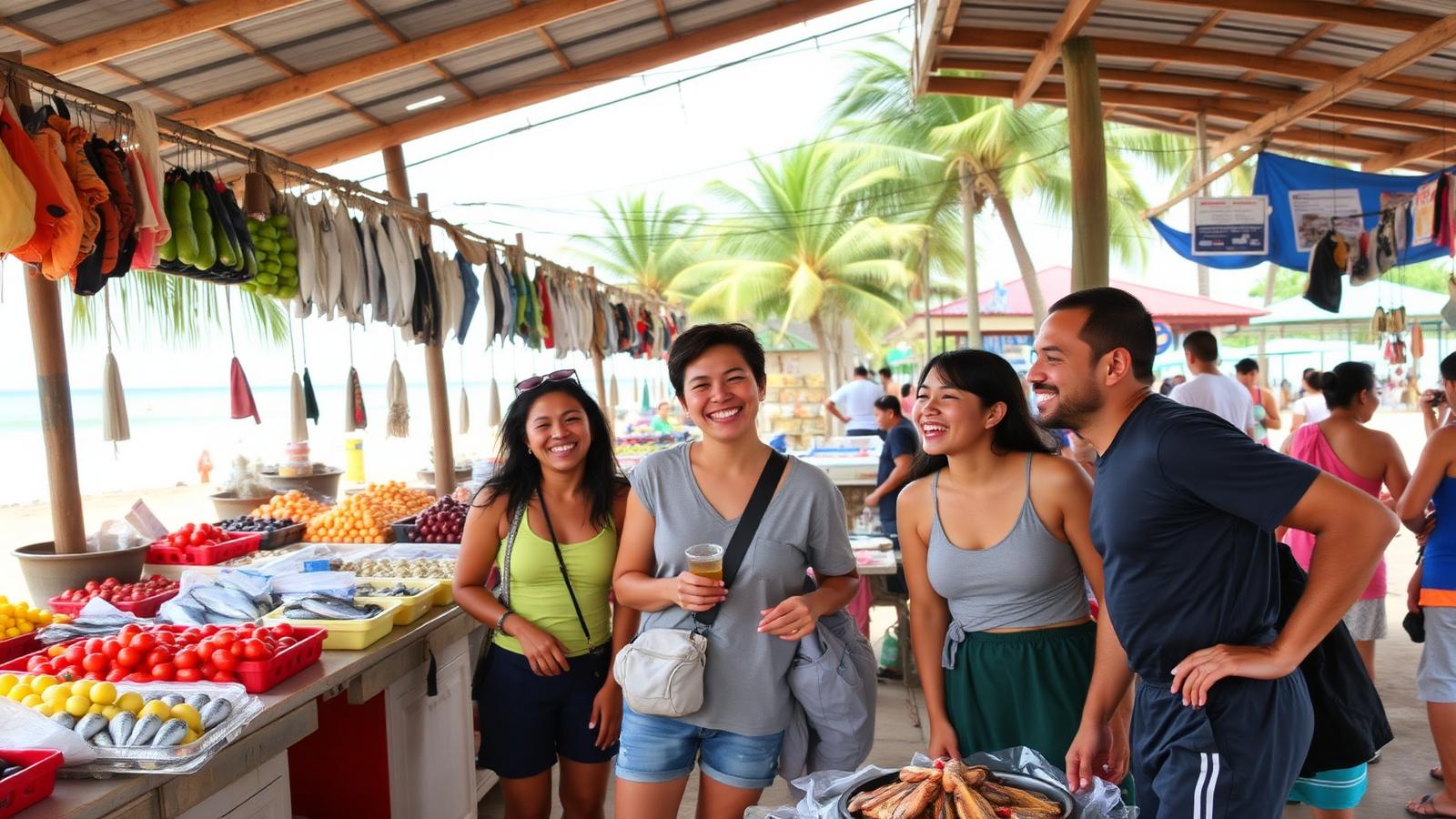
Life here is genuinely local: fresh fish landed daily, a couple of pensions serving Delta specialities — fish borscht, storceag, carp on reed skewers — a shop, a bakery, and a black-caviar tradition from the sturgeon that still run the river. Tulcea, the Delta's capital, is where you go for hospitals, banks and supermarkets, and the boat schedule is the constraint on daily life.
Romania is an EU member state, so EU citizens buy on exactly the same terms as Romanians. Non-EU buyers can own the building outright and hold the land beneath it through a simple Romanian company — a standard, inexpensive structure that local notaries set up routinely. A purchase closes in four to eight weeks and transaction costs are among the lowest in the European Union, typically well under three percent all-in. Property taxes on a coastal home of this size run to a couple of hundred euros a year.
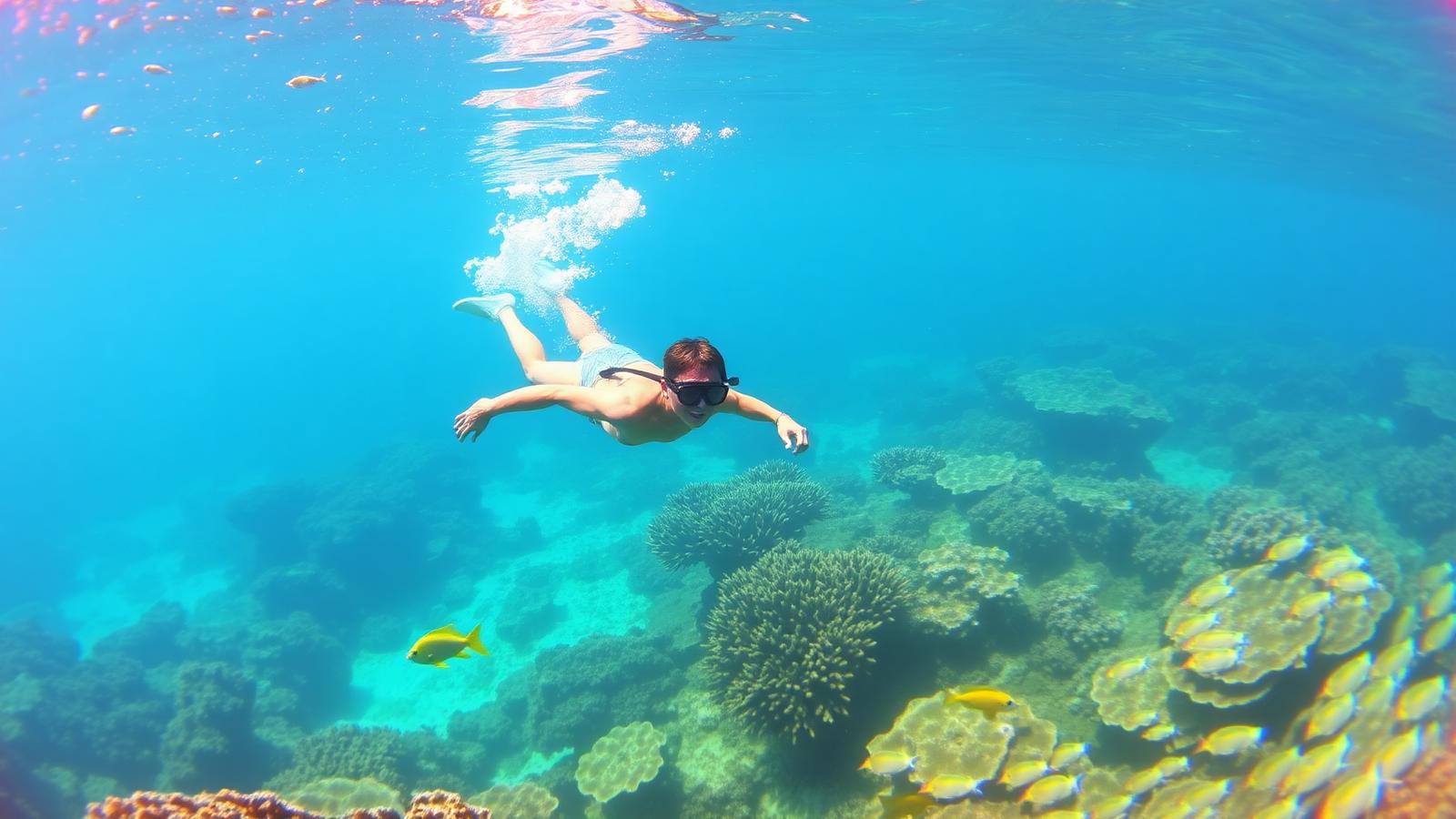
The Black Sea here is warm and swimmable from mid-June to late September, with water temperatures in the mid-twenties through July and August. There is almost no tide, the shelf is long and gentle, and the sand is fine and pale. Shoulder season — May, and especially September — is the local secret: warm water, empty sand and half-price everything.
For the right buyer this is one of the most distinctive properties in the European Union: a thatched house in a car-free village at the mouth of a great river, with a seven-kilometre private-feeling beach and UNESCO-protected wetland on three sides. It rents through the summer to birders, photographers, kayakers and festival-goers. Practicalities matter — plan around the boat, keep a bicycle, and accept that winters are quiet and cold.
Around the property
🏝️ The beach
Vast empty beach where the Danube meets the sea
- Sand
- Fine river-silt sand, backed by dunes and reedbeds
- Water
- Brackish-to-clear Black Sea, warm in summer
🍽️ Eat & drink nearby
- ·Village pensions serving fish borscht and storceag
- ·Fresh daily catch from the fishermen
- ·Seasonal beach bar in July–August
🛍️ Shops & markets
- ·Village shop and bakery
- ·Tulcea supermarkets by boat
- ·Local caviar and smoked fish
✈️ Getting there
- ·Fast catamaran from Tulcea — 1 h 30
- ·Classic ferry from Tulcea — 4 h
- ·Tulcea Airport (TCE), Bucharest 5 h by road
- ·No cars in the village — bicycles only
🏄 Things to do
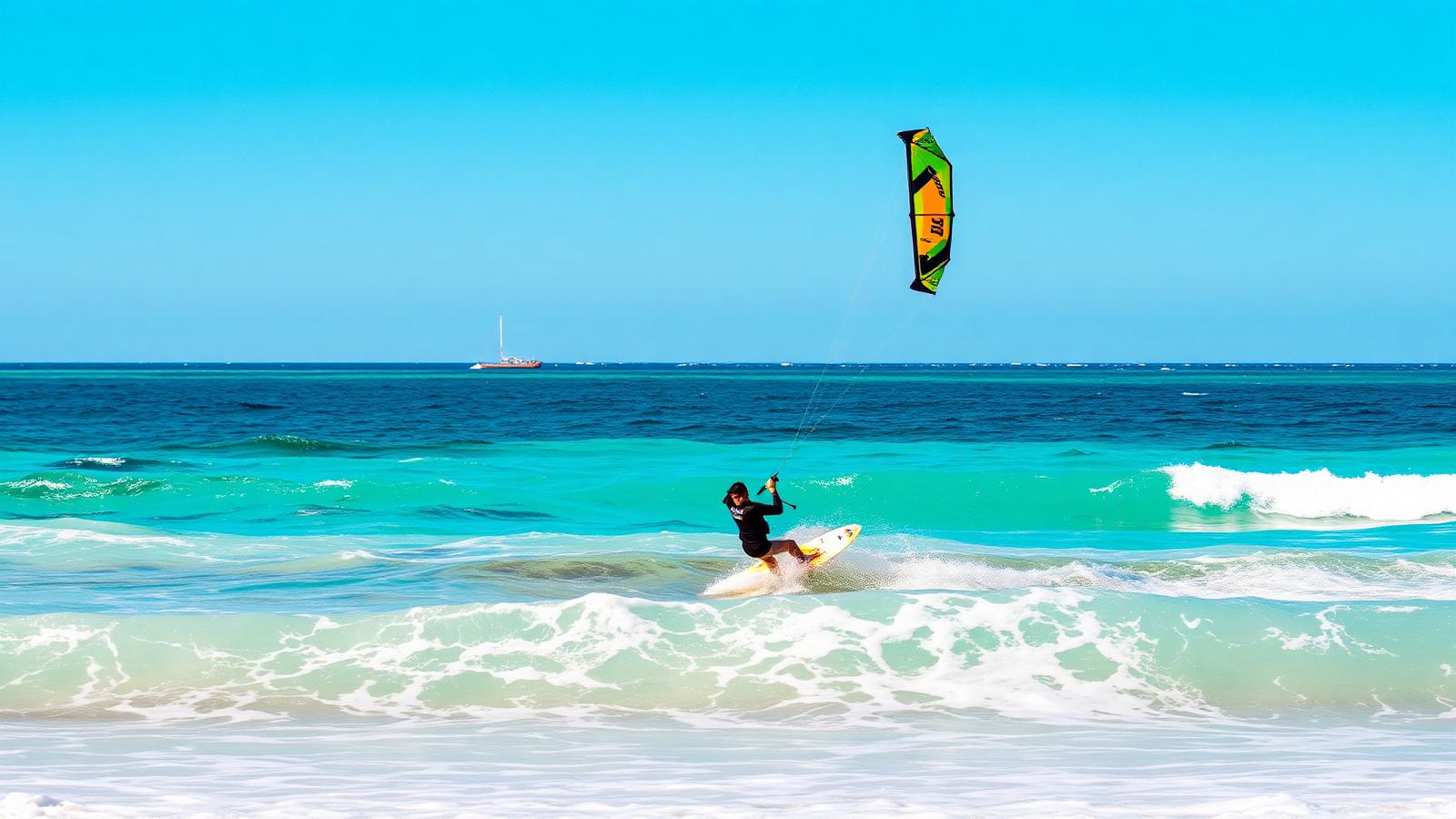
- ·Kayaking the Delta channels
- ·Pelican and heron birdwatching
- ·Anonimul film festival each August
- ·Long solitary beach walks