The full story
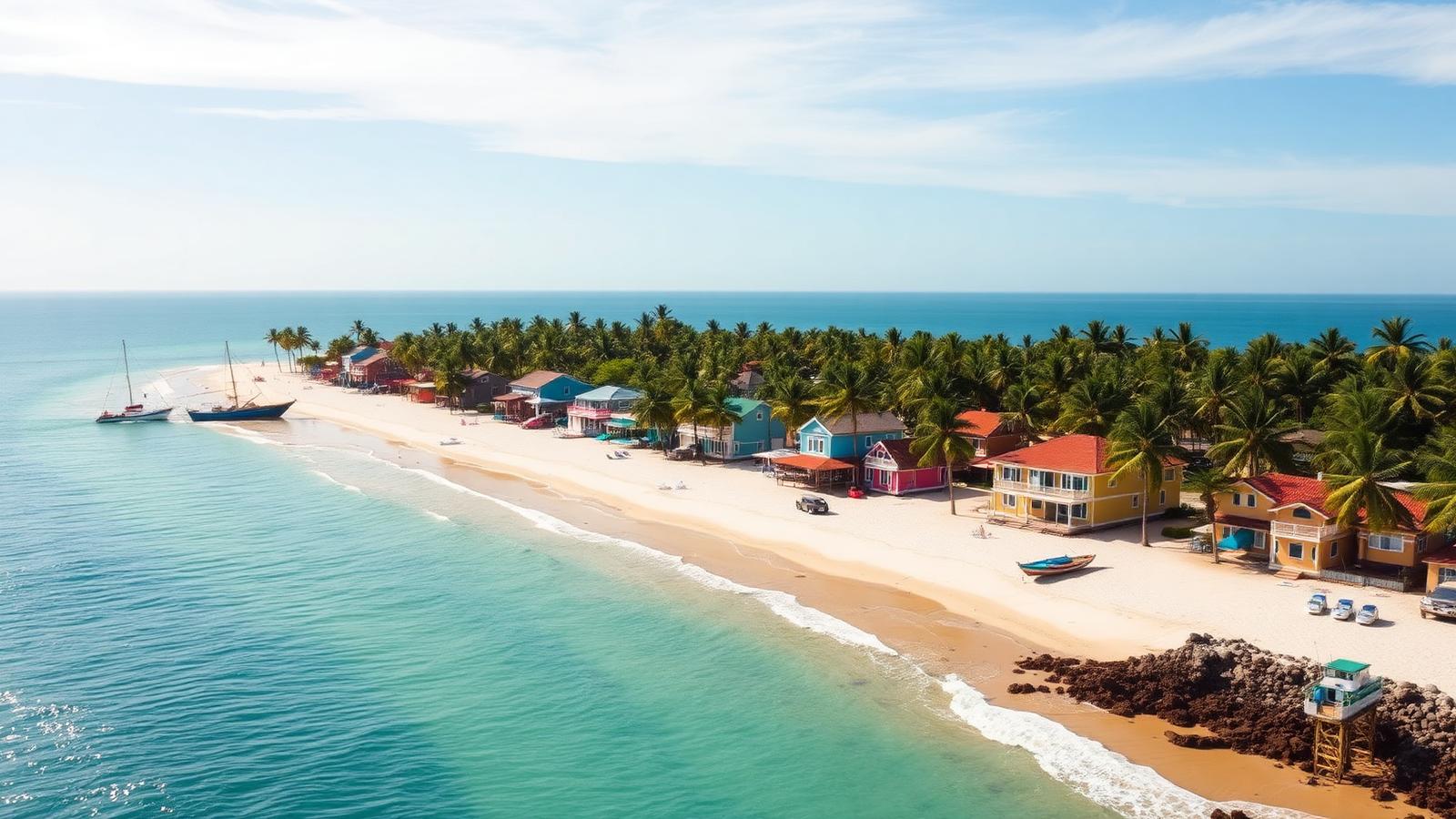
Sulina is Romania's easternmost town and one of its strangest and most romantic. In the nineteenth century it was the seat of the European Commission of the Danube — a free port where Greek, Italian, Turkish, Armenian, English and Russian merchants all traded, leaving behind a multi-denominational cemetery, a stone lighthouse from 1802, and a waterfront of decaying merchant houses. The commission left, the shipping declined, and Sulina became what it is now: a town of four thousand at the end of the river, reachable only by boat.
This house sits in the lighthouse quarter, a few streets back from the Danube waterfront. It has 86 square metres over one floor: three bedrooms, a bathroom, a kitchen and a living room with high ceilings and tall windows in the old port style. Walls are thick masonry; the roof was replaced around 2015. The plot runs to about five hundred square metres with a walled garden. Mains electricity and water are connected. The interior is liveable and clean, in a straightforward, unmodernised way — a buyer with a modest budget could make it genuinely handsome, since the bones (proportions, joinery, floor tiles) are all there.
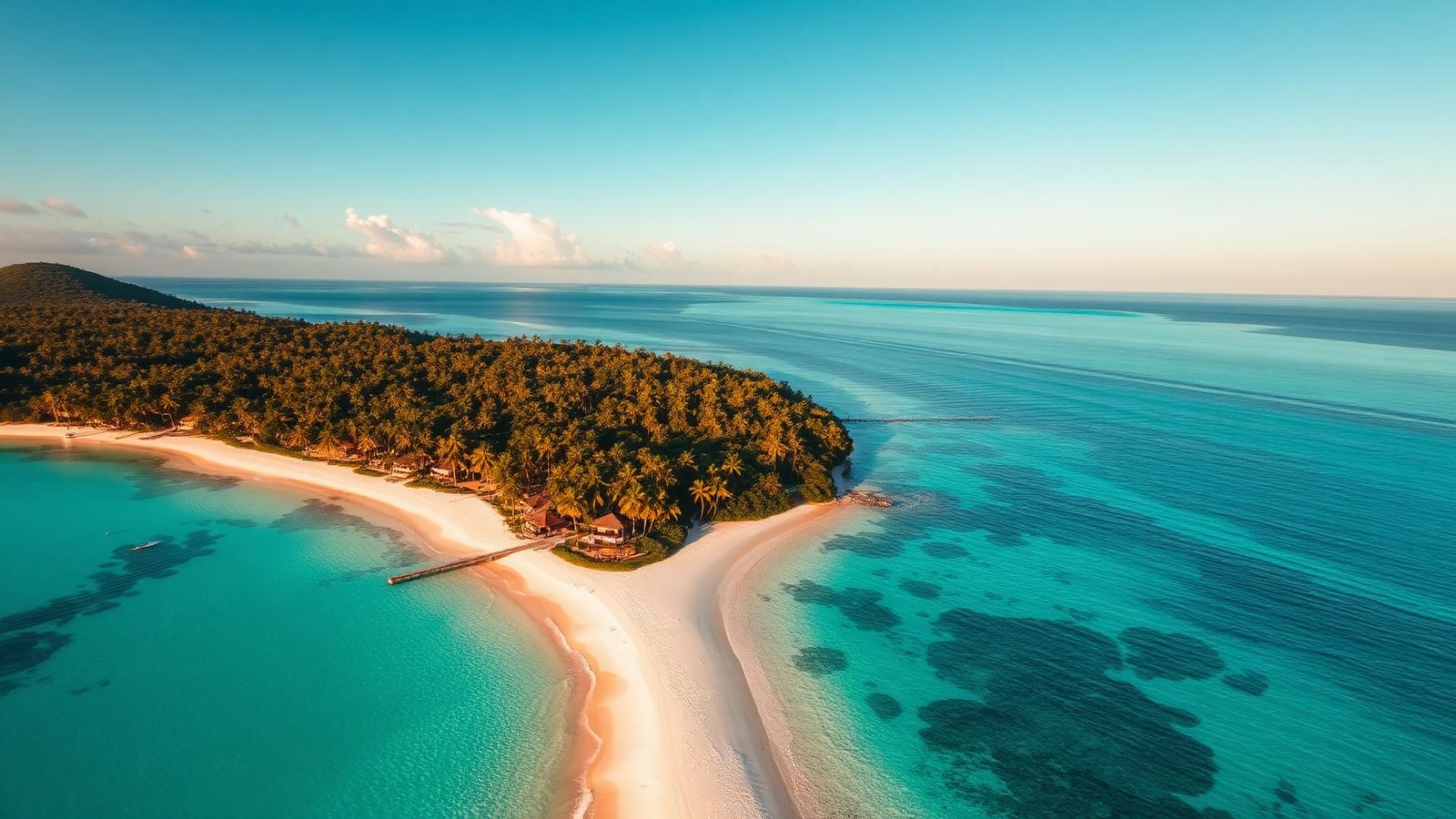
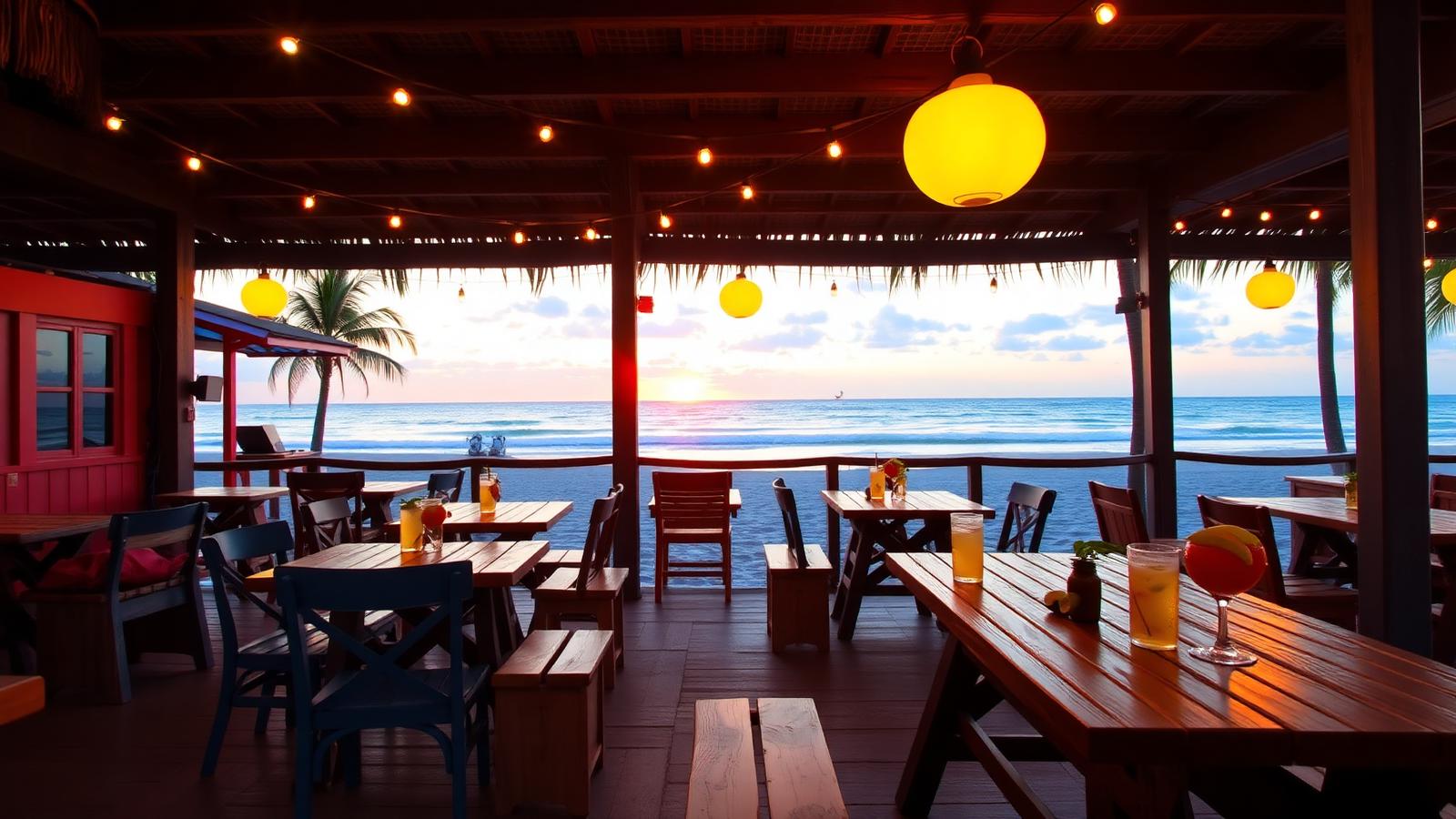
Sulina's beach is a kilometre and a half east of town, at the end of a straight road that people walk, cycle or take a shuttle along. It is wide, sandy and effectively endless, with a couple of seasonal bars and the extraordinary sight of ocean-going ships turning into the Danube mouth just offshore. Behind it is the Letea forest and the delta's dune systems, some of the last true wilderness in Europe.
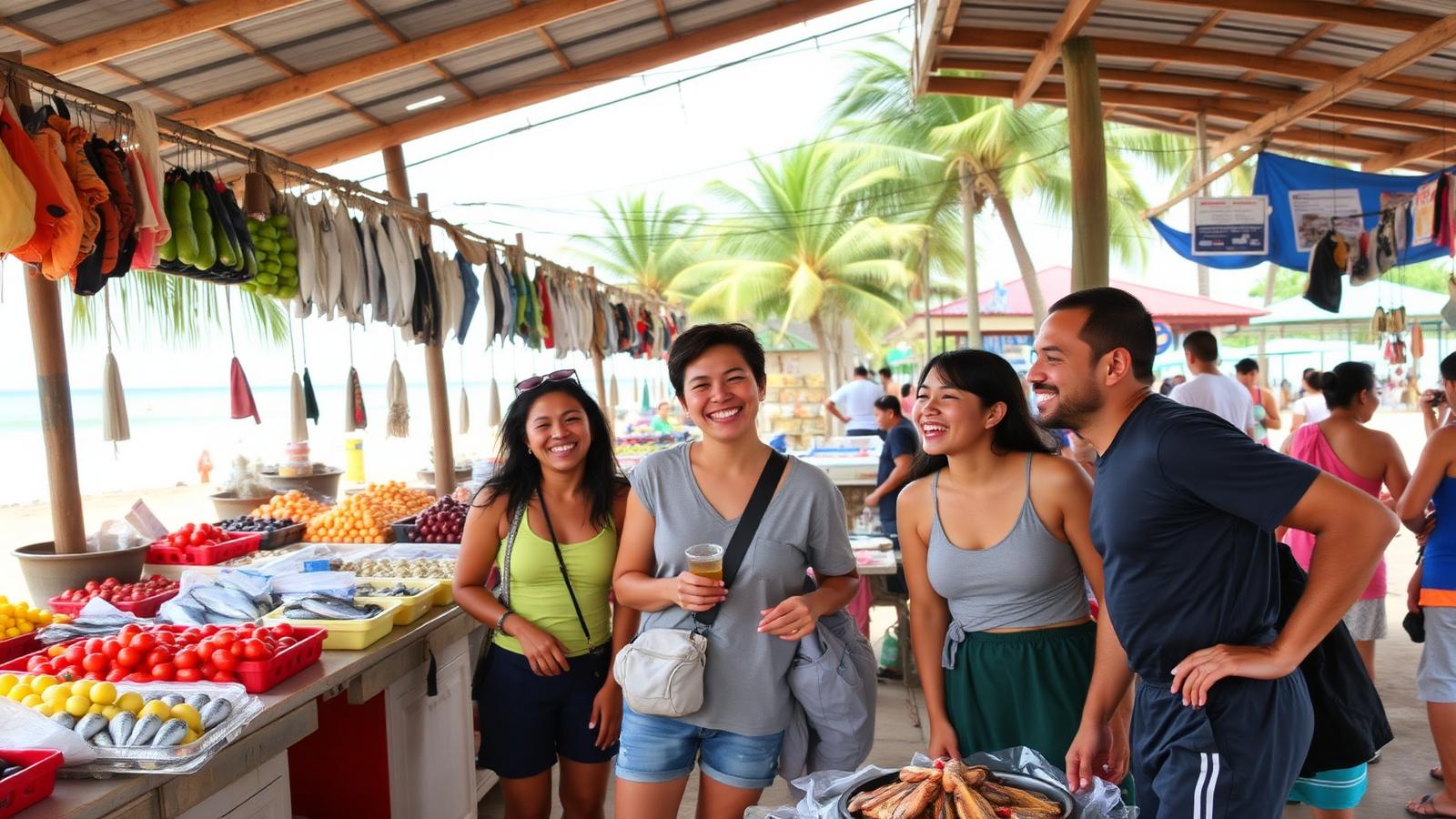
Town life is compact: a market, several shops, a hospital, pensions and restaurants along the waterfront doing Delta fish, and a summer scene that fills the promenade. Getting here means the Tulcea boat — fast catamaran in ninety minutes, or the slower classic ferry. There are no cars arriving from outside, which keeps the place quiet.
Romania is an EU member state, so EU citizens buy on exactly the same terms as Romanians. Non-EU buyers can own the building outright and hold the land beneath it through a simple Romanian company — a standard, inexpensive structure that local notaries set up routinely. A purchase closes in four to eight weeks and transaction costs are among the lowest in the European Union, typically well under three percent all-in. Property taxes on a coastal home of this size run to a couple of hundred euros a year.
The Black Sea here is warm and swimmable from mid-June to late September, with water temperatures in the mid-twenties through July and August. There is almost no tide, the shelf is long and gentle, and the sand is fine and pale. Shoulder season — May, and especially September — is the local secret: warm water, empty sand and half-price everything.
As an investment this is patient money: Sulina is being slowly rediscovered, the historic housing stock is finite, and the town has both a beach and a genuinely unusual history to trade on. As a place to spend summers, it is hard to beat for the price — three bedrooms, a walled garden and a kilometre and a half from an empty beach, for less than the cost of a parking space in Western Europe.
Around the property
🏝️ The beach
Wide endless delta-mouth beach
- Sand
- Fine pale sand, dunes and forest behind
- Water
- Open Black Sea with ships turning into the river
🍽️ Eat & drink nearby
- ·Waterfront restaurants for Delta fish
- ·Pensions serving carp and pike dishes
- ·Seasonal beach bars at the road's end
🛍️ Shops & markets
- ·Sulina central market
- ·Several town grocers
- ·Smoked fish and caviar direct from fishermen
✈️ Getting there
- ·Fast catamaran from Tulcea — 1 h 30
- ·Classic ferry from Tulcea — 4 h
- ·Tulcea onward to Bucharest — 5 h by road
- ·Bicycles and shuttles in town
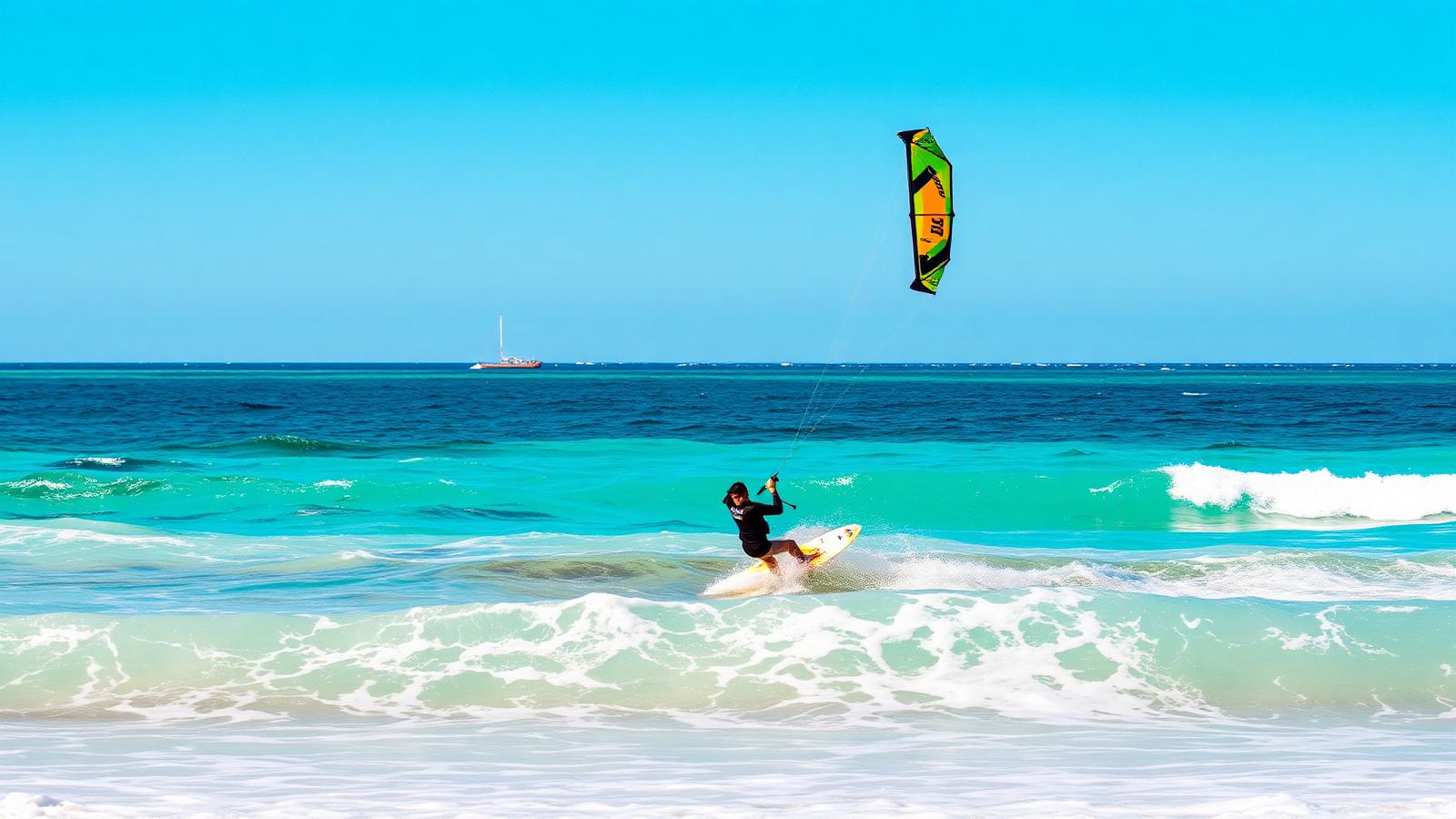
🏄 Things to do
- ·Visiting the 1802 lighthouse and old cemetery
- ·Boat trips into the Letea forest
- ·Fishing the Danube arms
- ·Cycling the beach road at sunrise