The full story
Coronie is a sixty-kilometre ribbon of coconut plantation between Paramaribo and Nieuw Nickerie, planted by the Dutch, worked for two centuries and still producing the coconut oil that Surinamese cooks swear by. The East-West highway runs the length of it with the Atlantic on one side and swamp, rice and cocos on the other, and Totness — the district capital — is a village of painted wooden houses, a church, a market and a police station where nothing much happens and nobody minds.
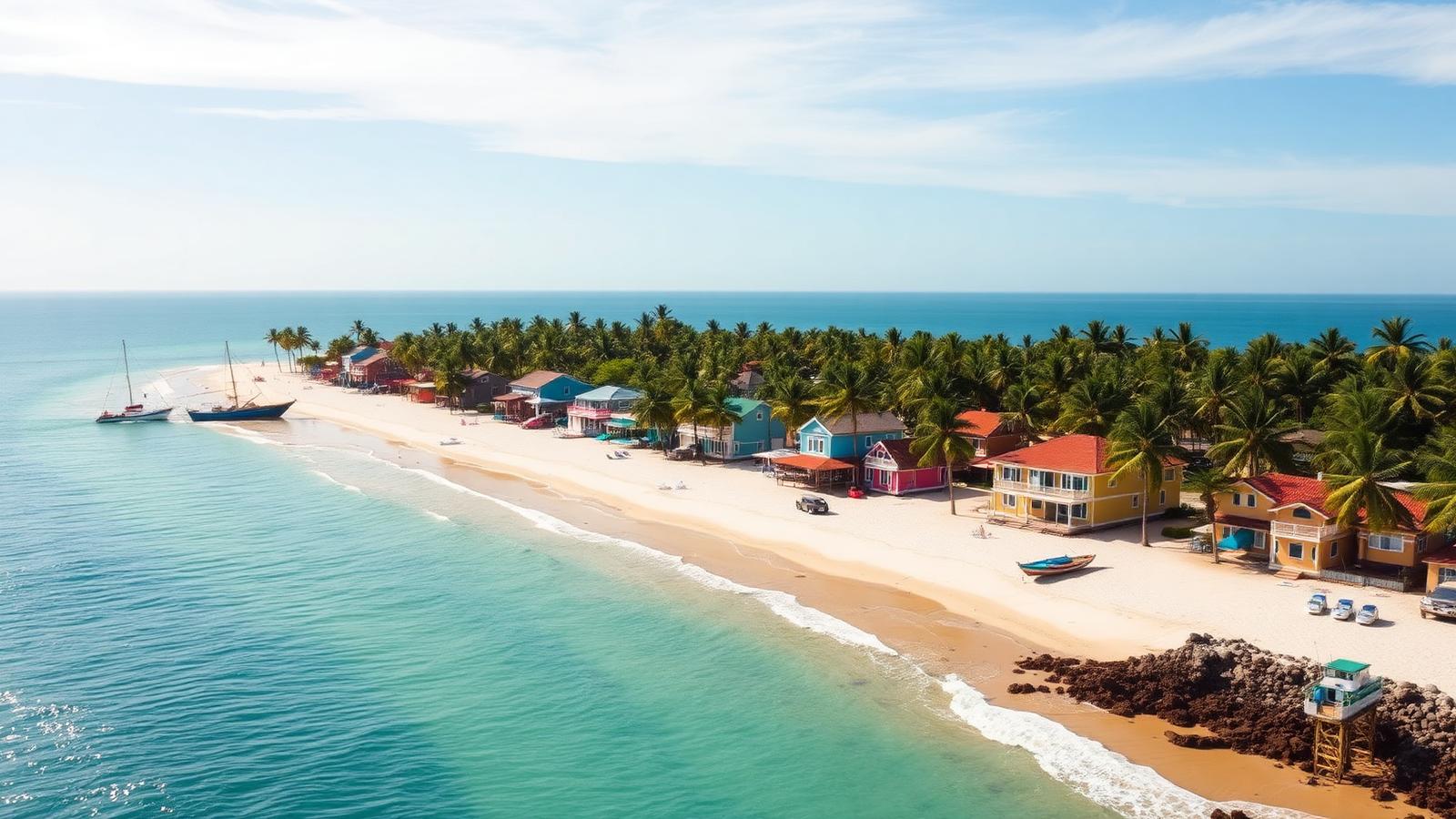
The house is typical of the district: raised wooden construction painted white and green, a zinc roof, jalousie windows, a deep front verandah and a plot of about a thousand square metres among the palms. A hundred and twenty square metres inside — three bedrooms, one bathroom, a wide living room, a kitchen with a rear porch — plus an outdoor shower, a rainwater tank, a shed and enough coconut trees to keep a household in oil and water for life. The beach is eight hundred metres north across the sea dyke.
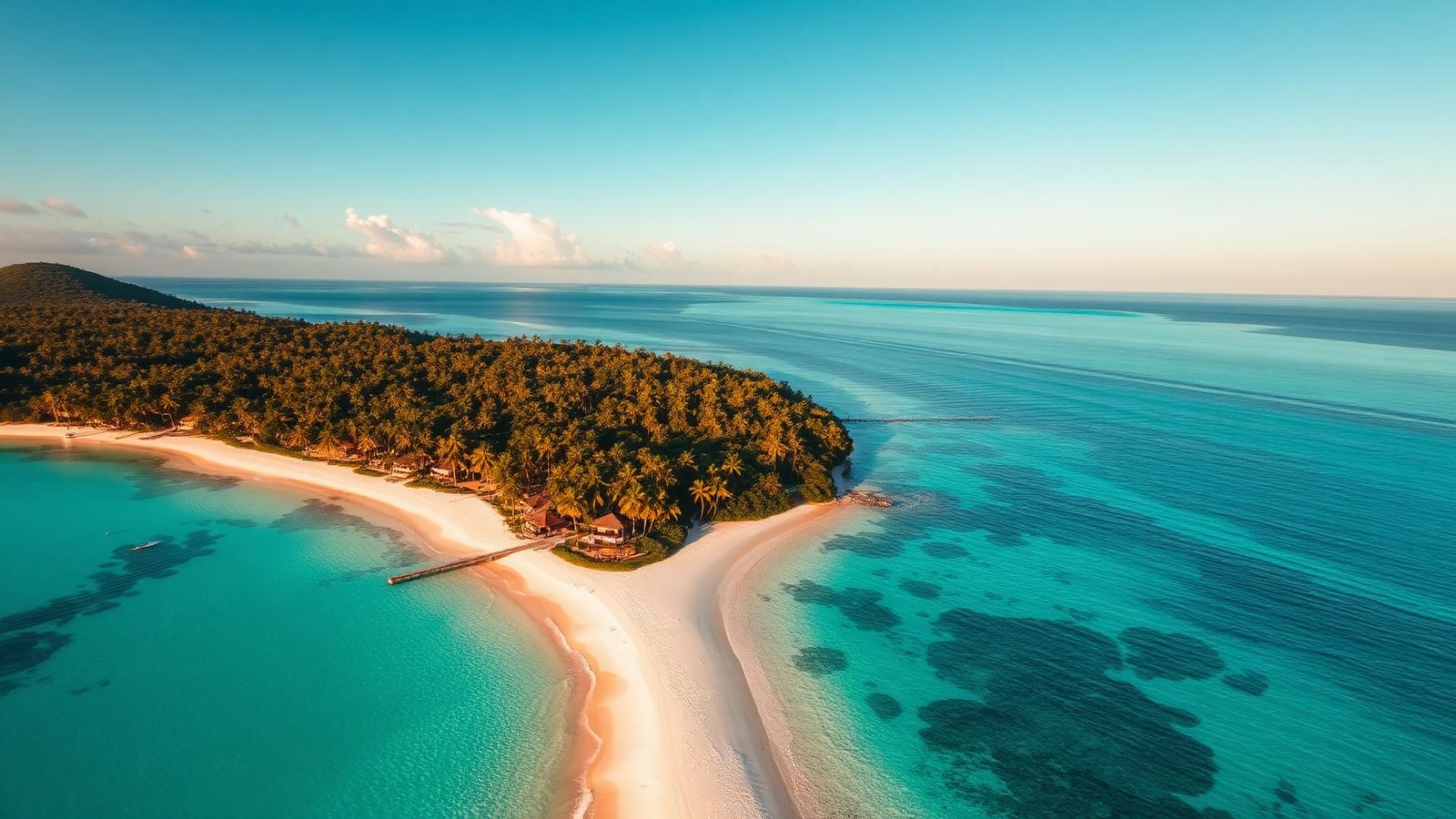
Suriname's coast is Amazon coast: silty water, mangrove, mudflats that shift with the current, and long deserted stretches where thousands of scarlet ibis, flamingos and shorebirds feed at low tide. It is not a swimming beach in the Caribbean sense; it is a birdwatcher's, fisherman's and walker's coast, and at Galibi further east, giant leatherback turtles come ashore between February and July in numbers you will not see anywhere else in the Americas.
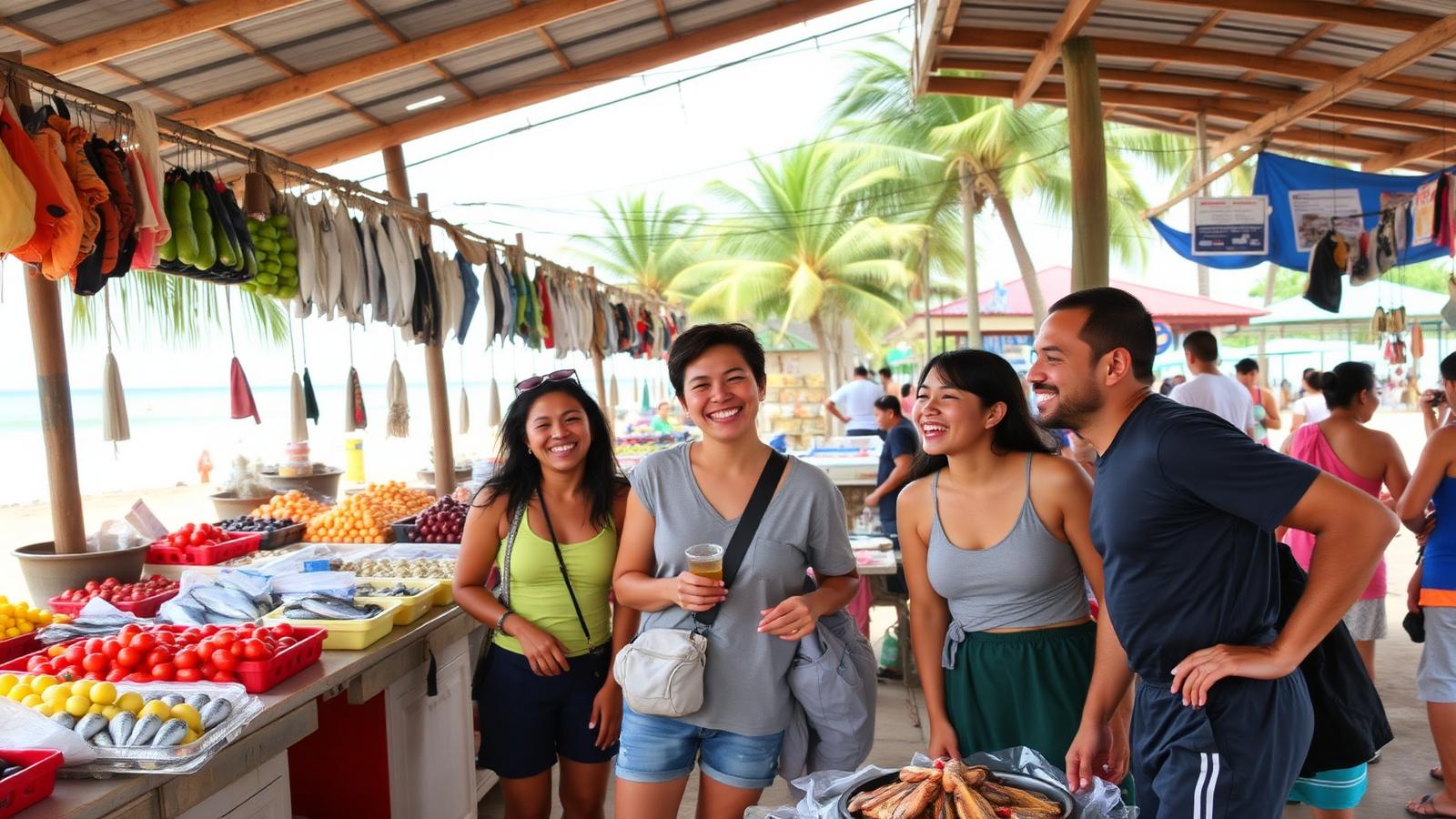
Life here is Dutch-Creole-Javanese-Hindustani in a way that makes Suriname one of the most interesting food countries on the continent — roti, pom, moksi meti, bami, and fresh fish from the Coronie landing. Totness has a clinic, small shops and a weekly market; Nieuw Nickerie, an hour and a half west, and Paramaribo, three hours east, have hospitals, supermarkets and everything else. Paramaribo's UNESCO-listed wooden inner city is worth the drive on its own.
For buyers, Suriname is straightforward but slow. Dutch-derived civil law, a functioning land registry, notarial transfer, and foreign ownership generally possible — though much rural land is held in long lease from the state rather than freehold, so establishing exactly what is being sold is the first job for your notary. The Surinamese dollar has devalued heavily, which is why prices in dollar terms are so low; keep your money outside the country and convert as needed. What you buy is space, silence, birds and coconut palms, at a price that is closer to a used car than a beach house.
🏝️ The beach
Wild Amazon-silt Atlantic coast
- Sand
- Dark grey silt and shell sand
- Water
- Brown, warm, strong tidal currents
🍽️ Eat & drink nearby
- ·Warung and roti shops in Totness
- ·Fresh fish at the Coronie landing
- ·Paramaribo's Javanese and Creole restaurants
🛍️ Shops & markets
- ·Weekly Totness market
- ·Supermarkets in Nieuw Nickerie
- ·Paramaribo for anything larger
✈️ Getting there
- ·East-West highway buses to Paramaribo
- ·Johan Pengel (PBM) airport approx 3.5 hours
- ·Ferry to Guyana at South Drain
🏄 Things to do
- ·Birdwatching on the mudflats
- ·Turtle nesting at Galibi Feb-Jul
- ·Sea and river fishing
- ·Coconut plantation walks and cycling