The full story
Hua Hin is where Thailand's own middle class buys its beach house, and that single fact explains almost everything about the value here. This is not a backpacker island or a resort enclave built for foreigners — it is a real Thai town of about sixty thousand people, with hospitals, supermarkets, schools, a railway station straight out of a period film, and a five-kilometre beach that has been the summer retreat of the Thai royal family since the 1920s. Prices reflect a domestic market rather than an offshore one, and a two-bedroom townhouse a short walk from the sand can still be had for well under a hundred thousand US dollars.
This particular house sits in a small, gated moobaan (housing estate) on the quiet Khao Takiab side of town, roughly a ten-minute walk to the beach and five minutes by scooter into the night market. It is a two-storey townhouse of about eighty square metres: an open living-kitchen space downstairs with a guest WC, two bedrooms and a full bathroom upstairs, and a small walled front garden with room for one car and a mango tree. The construction is standard Thai reinforced concrete with a tiled roof — solid, low-maintenance, and cheap to repair. Air conditioning is installed in both bedrooms; the living area relies on ceiling fans and cross-breeze, which is genuinely adequate for most of the year.
Condition is good but unremarkable. The estate was built around 2014, and this unit has had one careful Thai owner. Floor tiles, kitchen units and bathrooms are all serviceable; the buyer's wish list would be cosmetic — repaint, upgrade the kitchen worktop, perhaps enclose the rear service area to create a laundry room. Estate fees are modest and cover security, road maintenance, rubbish collection and the shared pool a hundred metres up the lane.
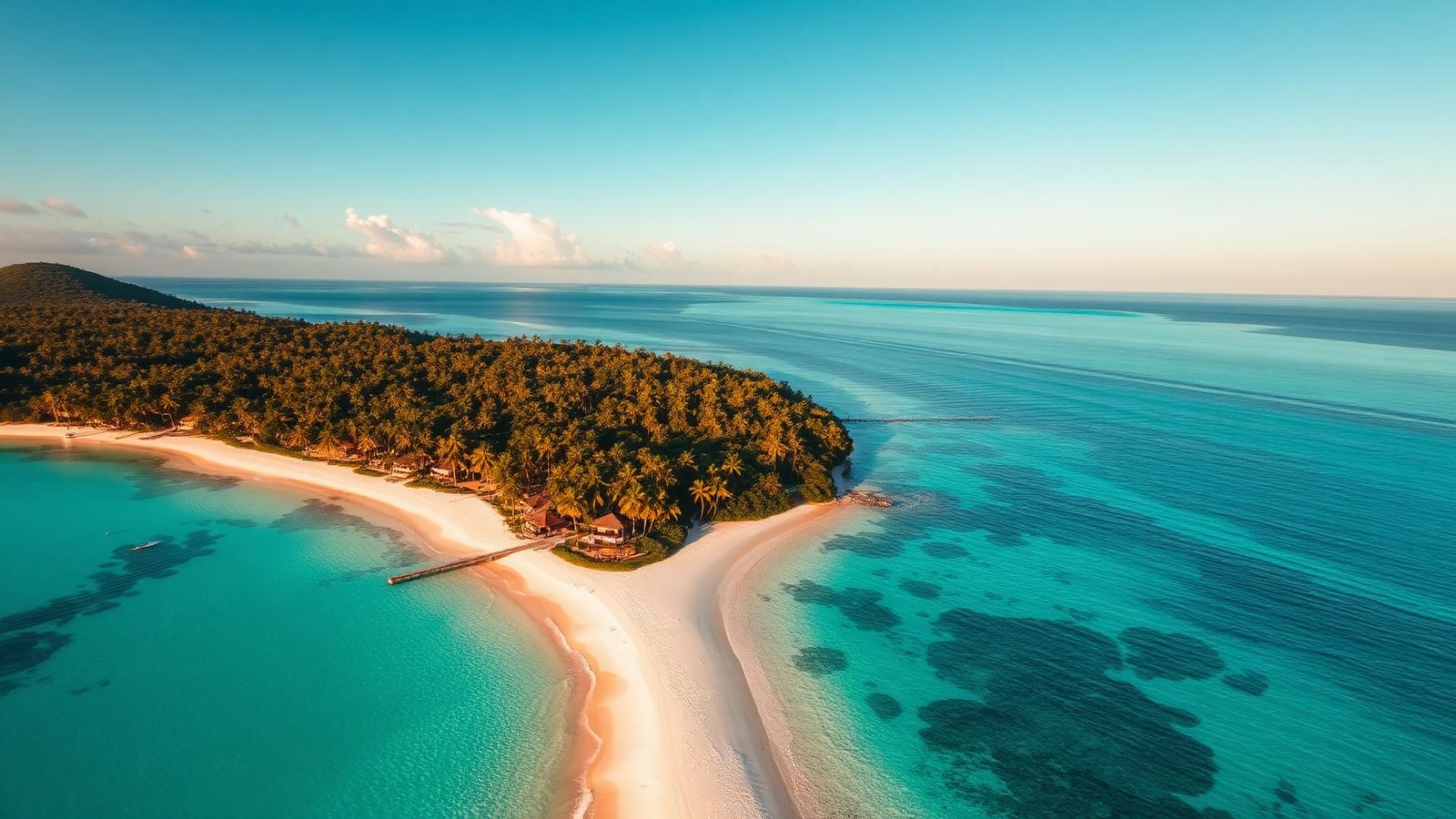
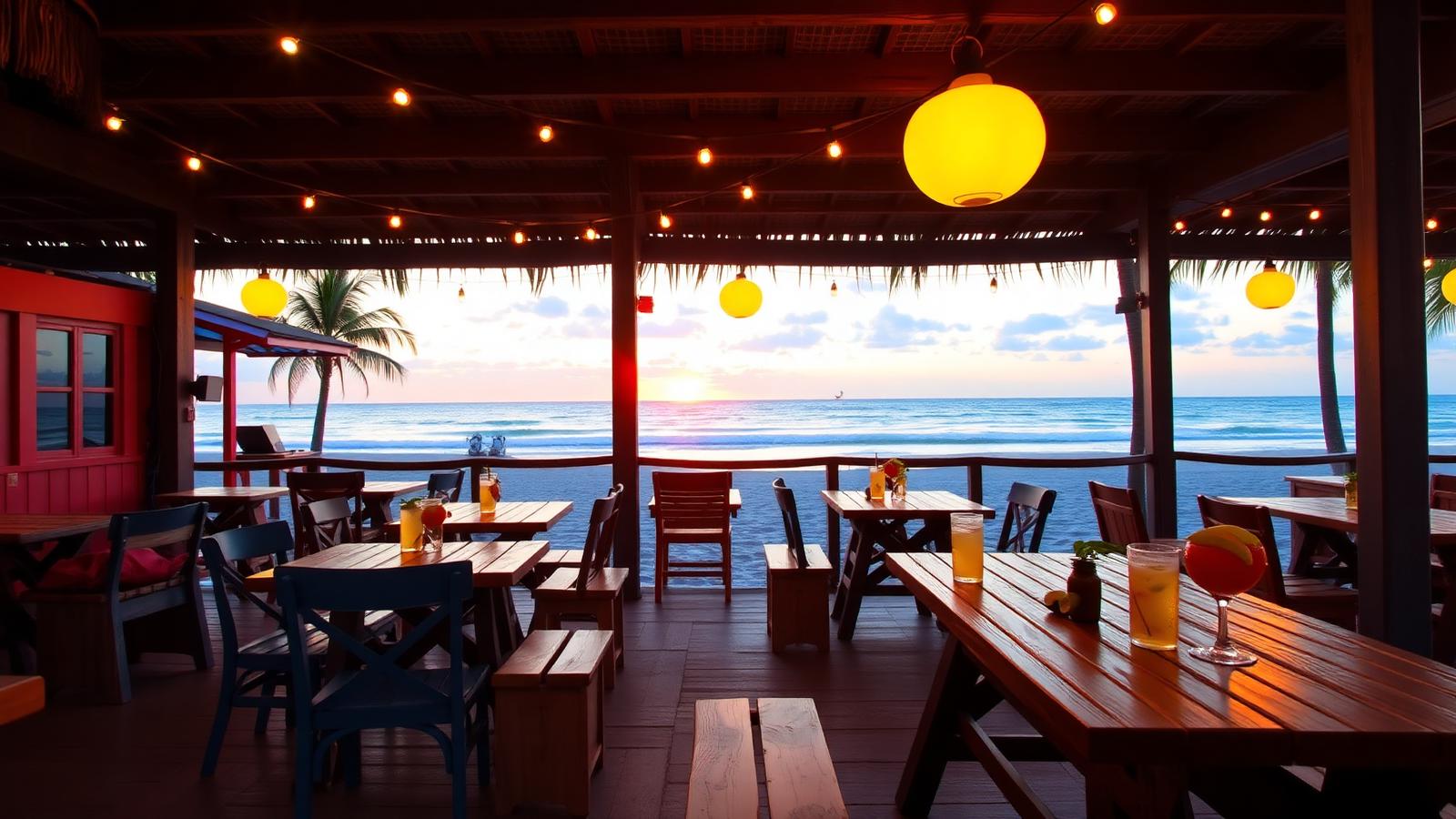
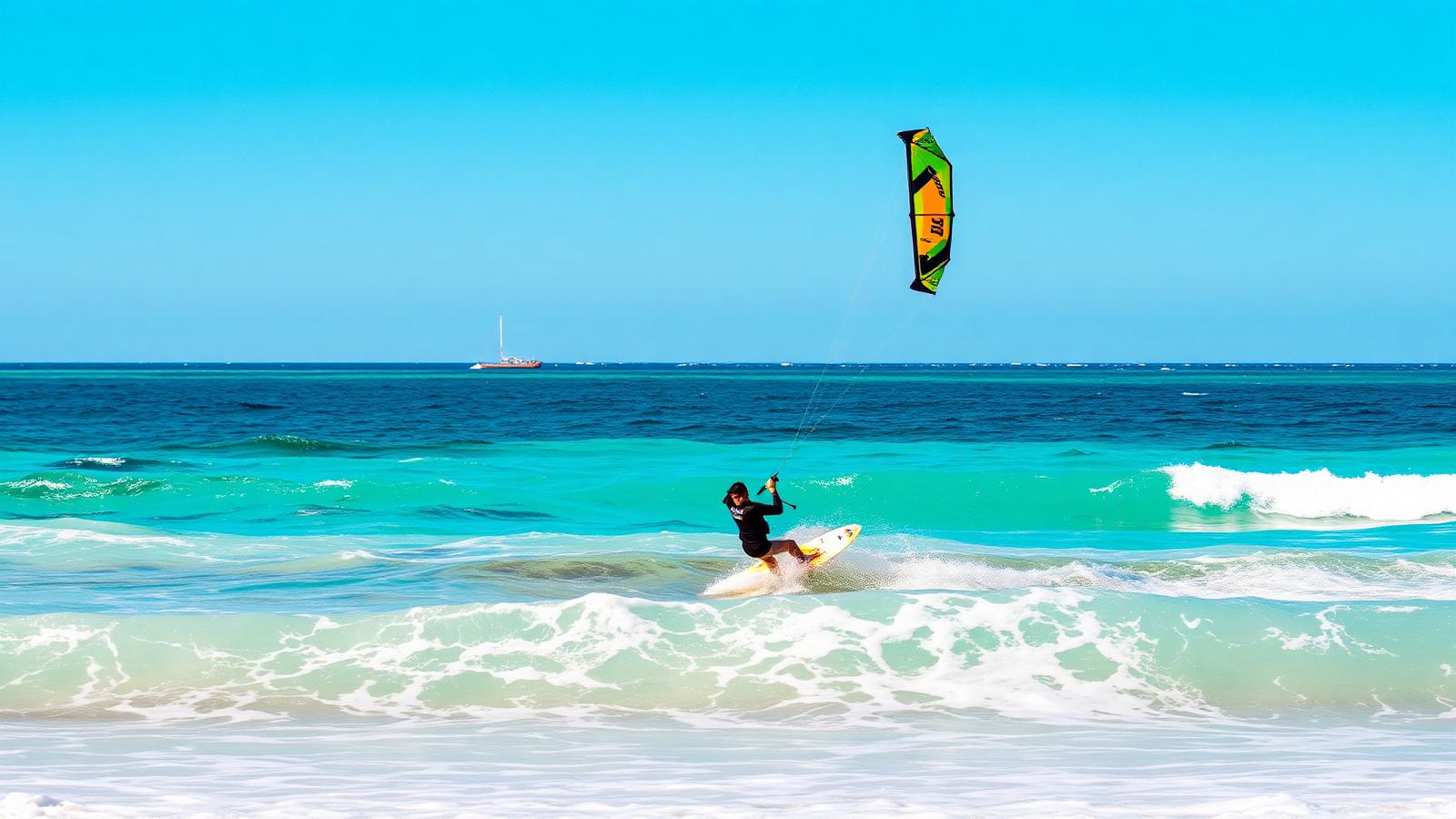
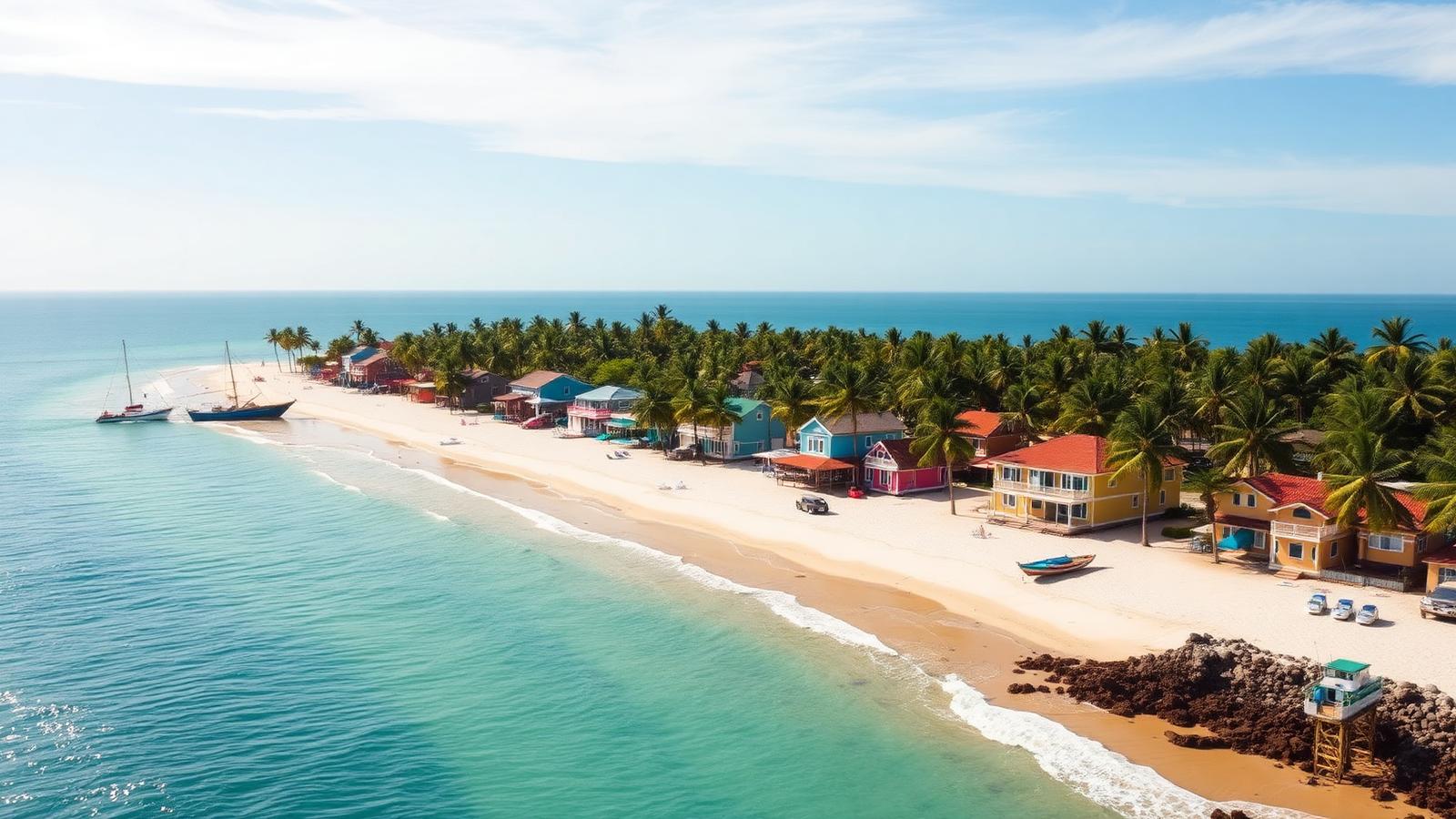
The beach itself is the reason to be here. Hua Hin's main strand runs unbroken for several kilometres from the fishing pier south to Khao Takiab hill, with fine golden-brown sand, a very gentle shelf and calm Gulf water that is swimmable almost year-round. It is a walking beach, not a surfing one: horses for hire in the mornings, joggers at dawn, families in the late afternoon, and beachfront restaurants that put tables on the sand at sunset. From November to February the water is flat and the humidity drops; from March the kite-surfers arrive to use the reliable afternoon sea breeze.
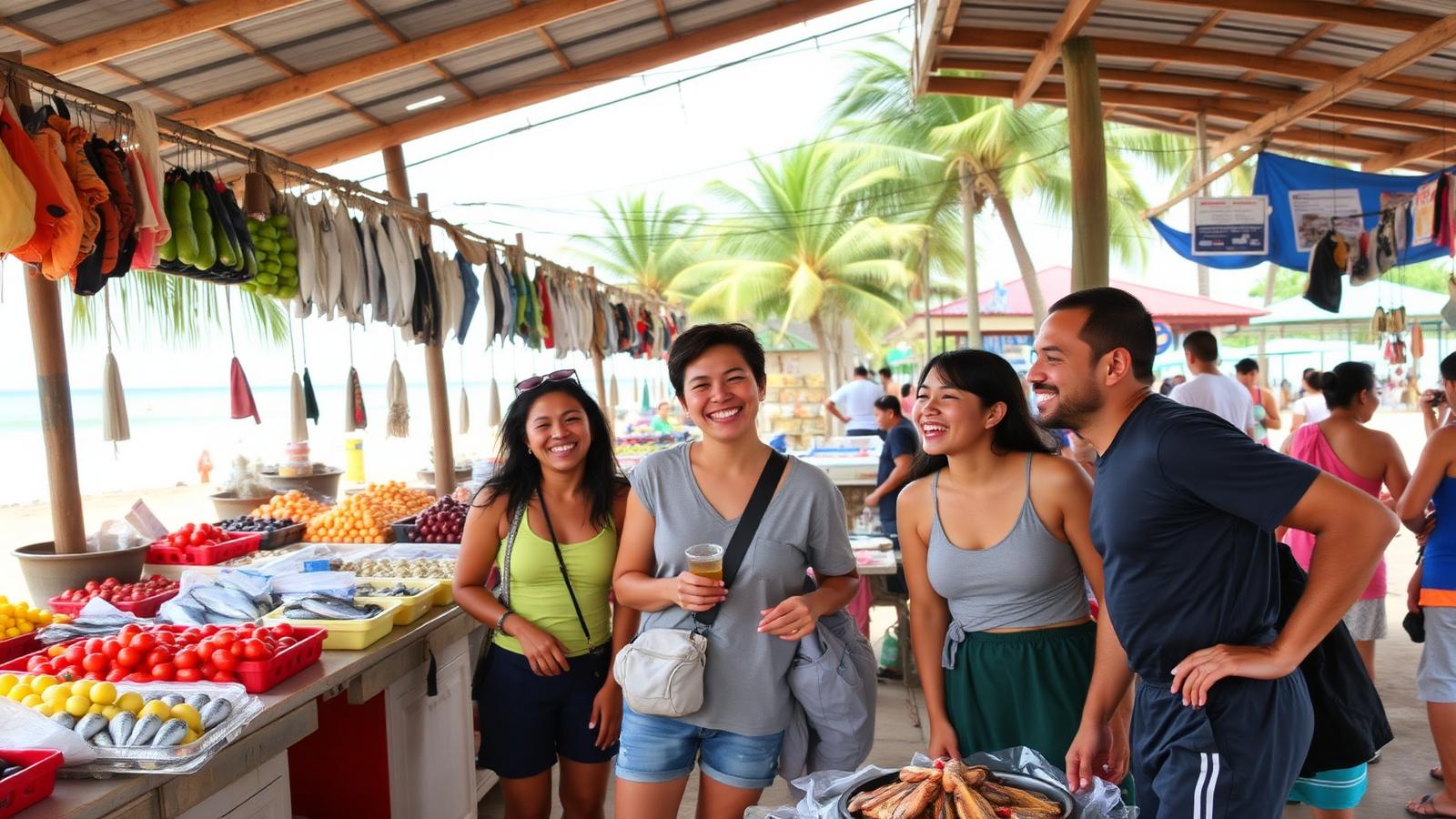
Everyday life is remarkably easy. The Khao Takiab fresh market handles fruit, fish and vegetables at Thai prices. Two large supermarkets, a Makro and three shopping malls — including Bluport, with a cinema and international brands — are all within a ten-minute drive. Eating out ranges from thirty-baht noodle stalls to the excellent seafood restaurants along the Khao Takiab waterfront, where you pick your fish from the ice. There is a strong long-term foreign community here, largely Scandinavian, British and German, so English is widely understood, and Bangkok Hospital Hua Hin provides genuinely international-standard healthcare a few minutes away.
Transport is one of Hua Hin's underrated strengths. Bangkok is about two and a half to three hours by car on a good road, or you can take the atmospheric train from Hua Hin's century-old teak station. Hua Hin has its own small airport with domestic connections, and Suvarnabhumi International is served by a direct, comfortable airport bus roughly every two hours. Within town, songthaews and motorbike taxis cost pocket change, and most residents keep a scooter.
On ownership: as everywhere in Thailand, a foreign buyer cannot hold the land in their personal name. In practice buyers take either a registered 30-year lease with renewal options, or hold the house through a properly structured Thai company, or — the simplest route — buy a freehold condominium instead. A townhouse like this is typically bought on a lease-plus-house-ownership basis, which Thai lawyers in Hua Hin handle every week of the year. Budget for a reputable independent solicitor; do not use the seller's.
Running costs are trivially low by Western standards. Electricity for a household using air conditioning at night runs perhaps two to three thousand baht a month, water a few hundred, estate fees around a thousand. Annual property tax on a modest residential home of this value is negligible. If you rent it out during high season — and Hua Hin has a deep domestic weekend market as well as foreign snowbirds — a well-presented two-bedroom in this location can cover its own running costs several times over.
Around the property
🏝️ The beach
Five-kilometre royal town beach, gentle and walkable
- Sand
- Fine golden-brown sand, very shallow shelf
- Water
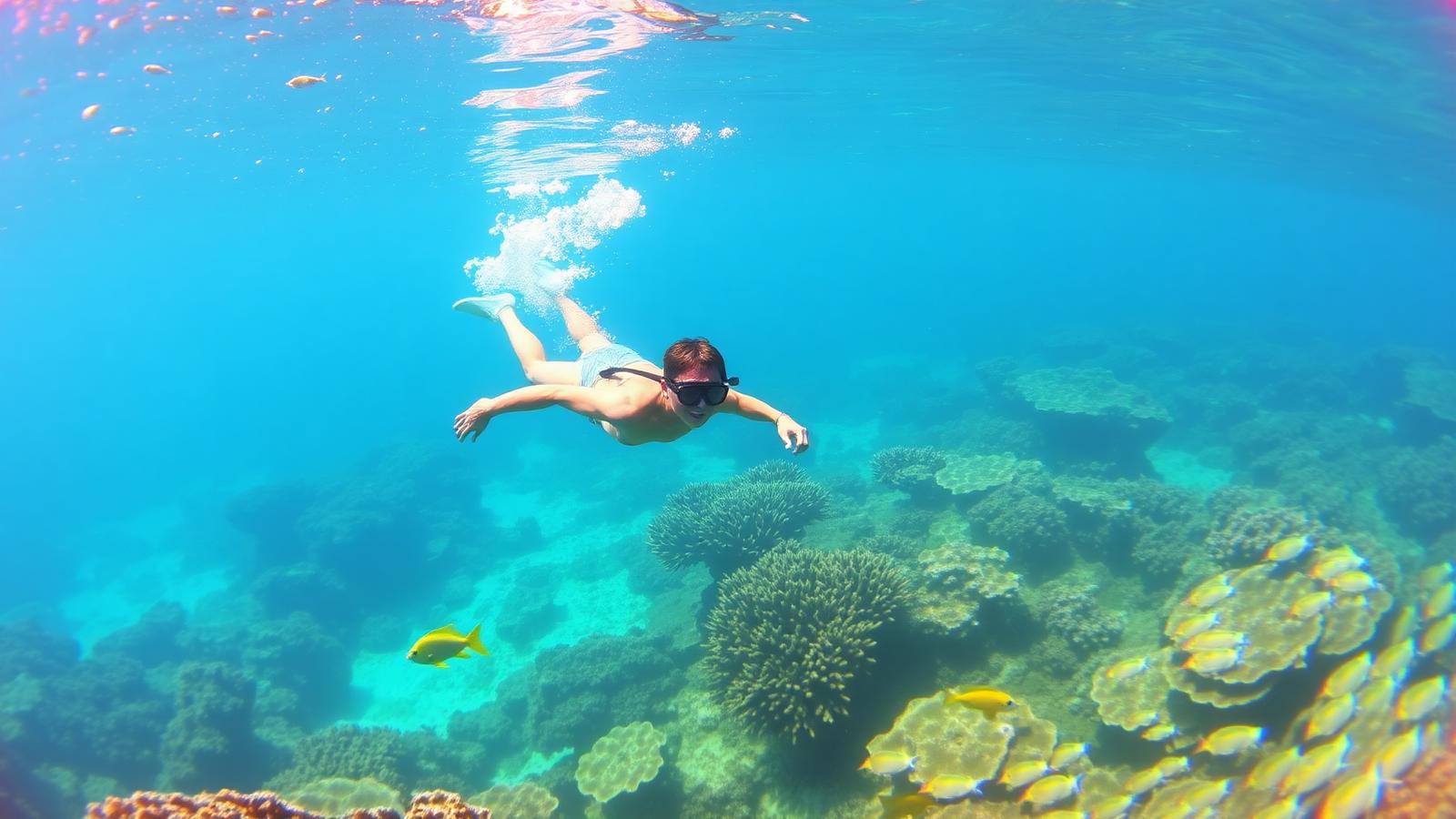
- Calm Gulf of Thailand, swimmable most of the year
🍽️ Eat & drink nearby
- ·Khao Takiab pier seafood restaurants
- ·Hua Hin night market — grilled prawns and pad thai
- ·Cicada weekend art & food market
🛍️ Shops & markets
- ·Khao Takiab fresh market for fish and fruit
- ·Bluport and Market Village malls
- ·Makro and Tesco Lotus, 10 min drive
✈️ Getting there
- ·Hua Hin Airport (HHQ) — 15 min
- ·Suvarnabhumi (BKK) — 3 h by airport coach
- ·Hua Hin railway station — 10 min
- ·Songthaews and scooter taxis town-wide
🏄 Things to do
- ·Kite-surfing on the afternoon sea breeze
- ·Horse riding along the sand at dawn
- ·Golf — six championship courses nearby
- ·Day trip to Sam Roi Yot national park