The full story
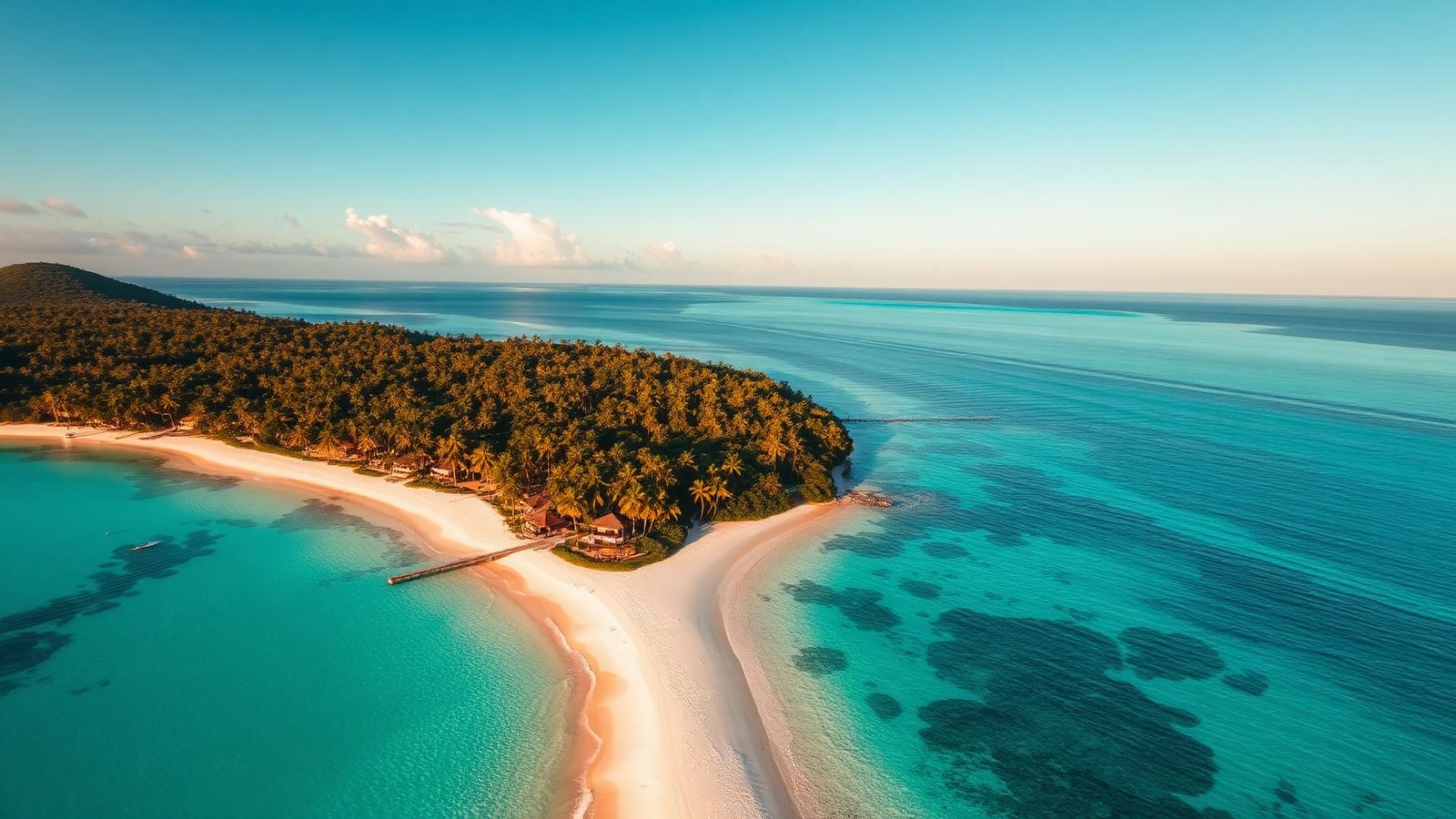
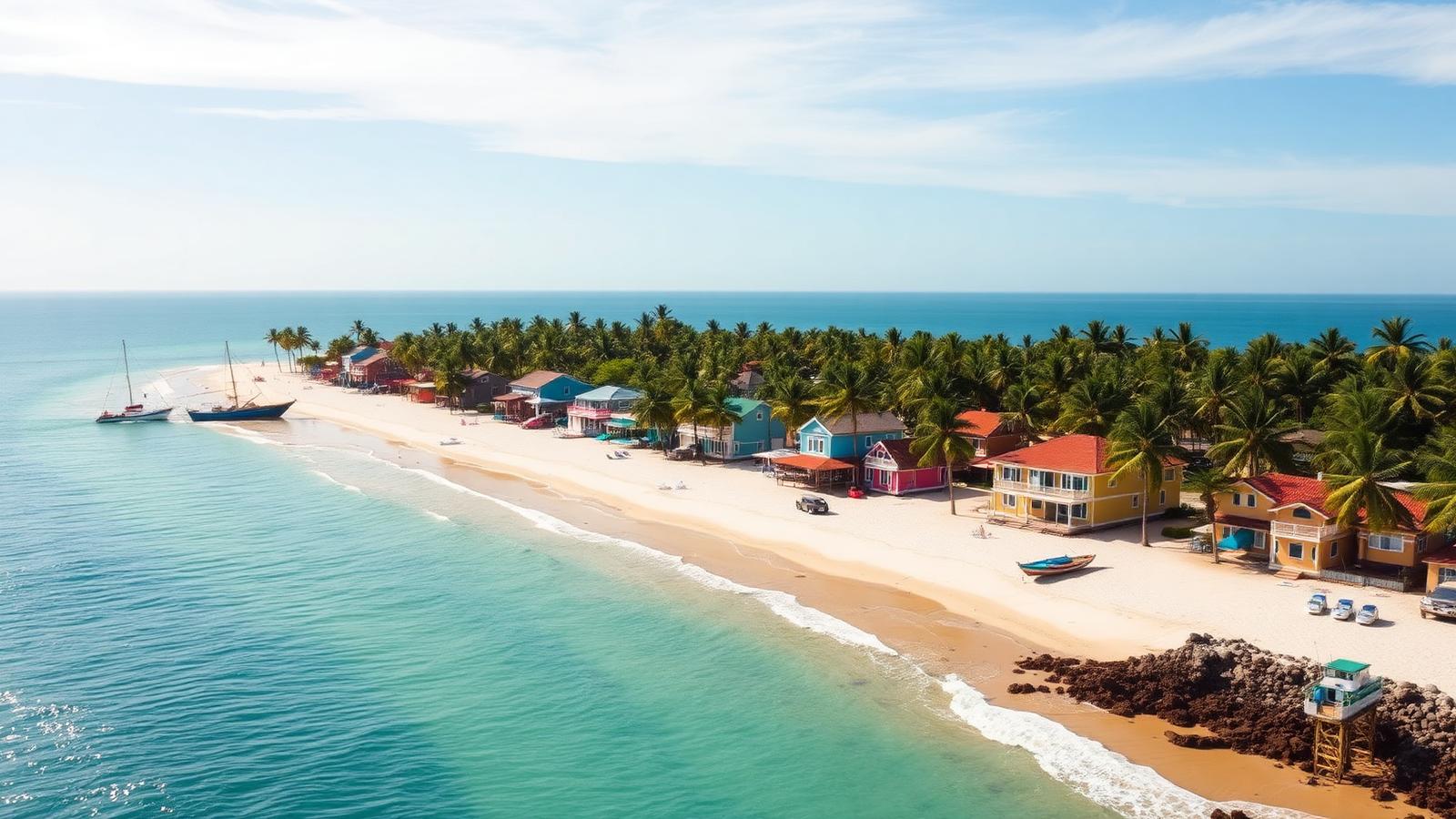
Pangani is what Zanzibar's east coast was thirty years ago. A small Swahili town of crumbling German and Omani-era buildings at the mouth of the Pangani River, halfway between Tanga and Bagamoyo on the Tanzanian mainland, it has a working dhow harbour, a Friday market, coconut plantations running inland, and a coastline of quiet white beaches with almost nobody on them. This two-bedroom house sits sixty metres from the sand just south of the river mouth.
It is built the traditional way and built well: coral-rag stone walls rendered in lime, a high makuti thatch roof over a hardwood frame, carved Zanzibari doors, arched windows with fretwork shutters, and polished screed floors. The 95 square metres hold two en-suite bedrooms with mosquito nets, a kitchen and a broad open living space with a baraza-style seating terrace facing the sea breeze. Water is from a borehole and tank, power is grid-connected with solar panels and a battery bank for the outages, and hot water is solar. The plot is planted with coconut, mango and cashew.
Tanzania does not permit freehold ownership by foreigners. Land is held on a right of occupancy, and foreign buyers typically take a long lease — commonly 99 years — or hold through a Tanzanian company or a derivative right under the investment centre. It is a well-established path, but it needs a Tanzanian advocate who does coastal property regularly, and the title, survey and lease terms all need verifying before money moves. Prices on the mainland coast are markedly lower than Zanzibar for very similar beaches.
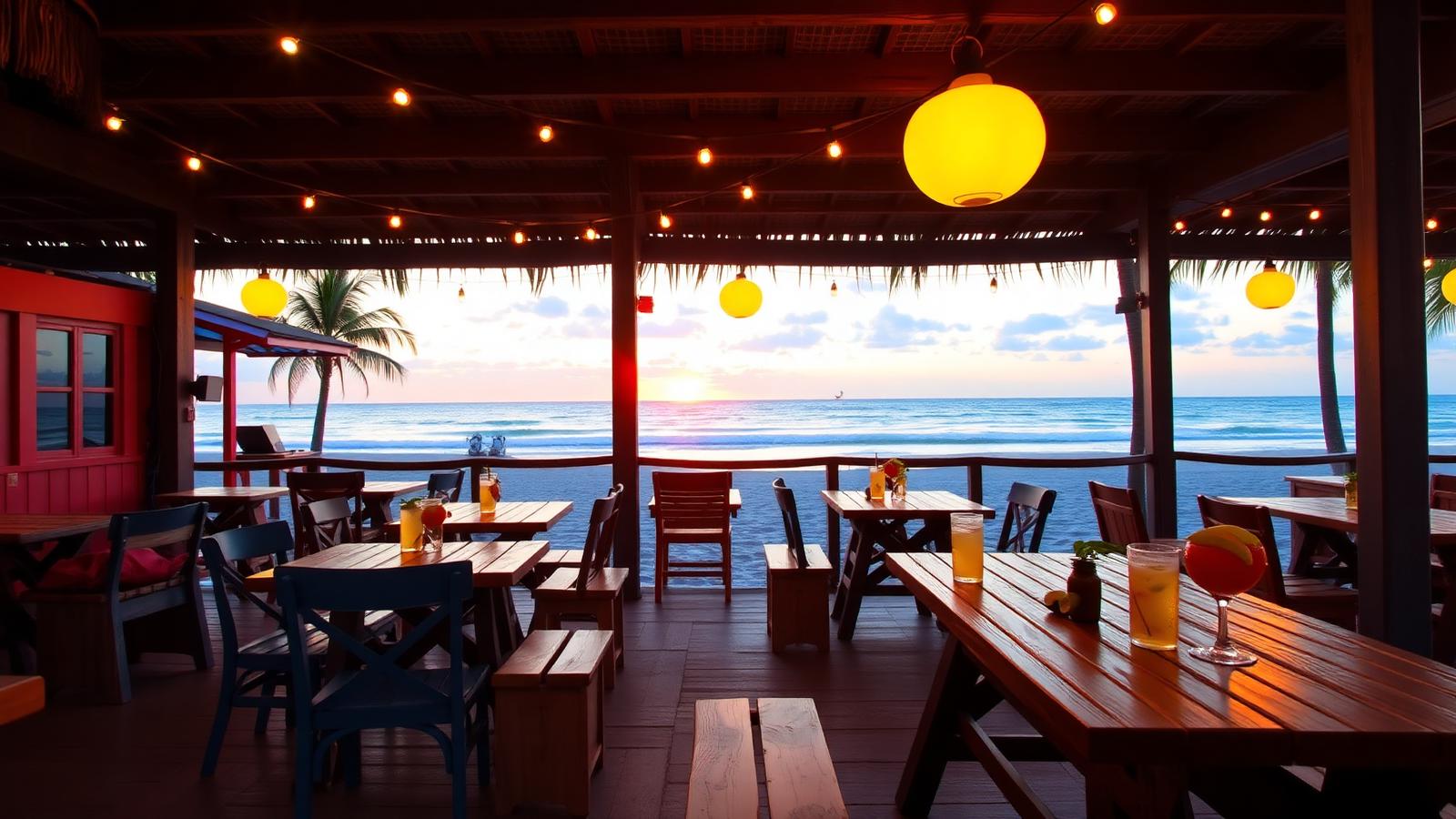
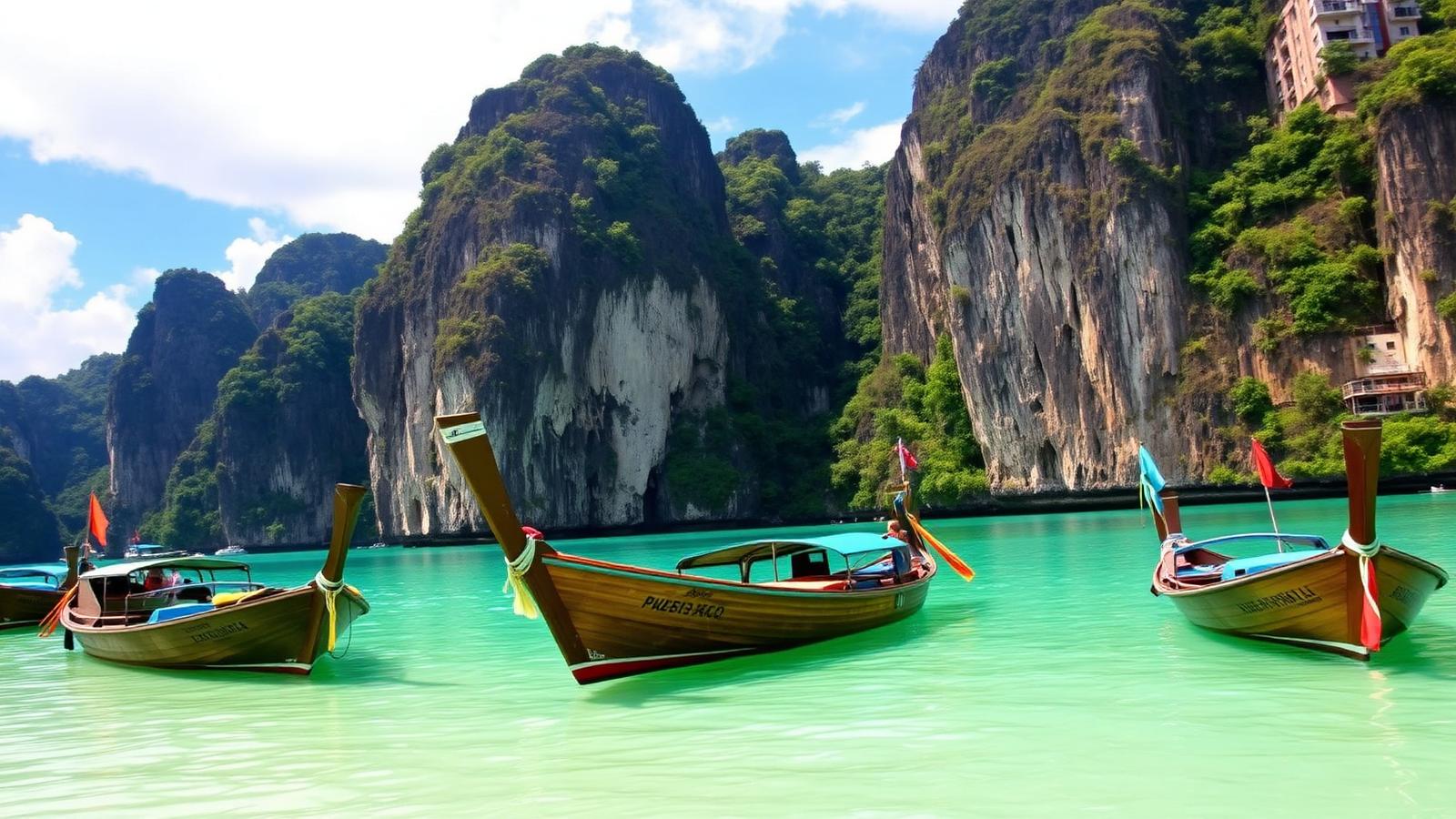
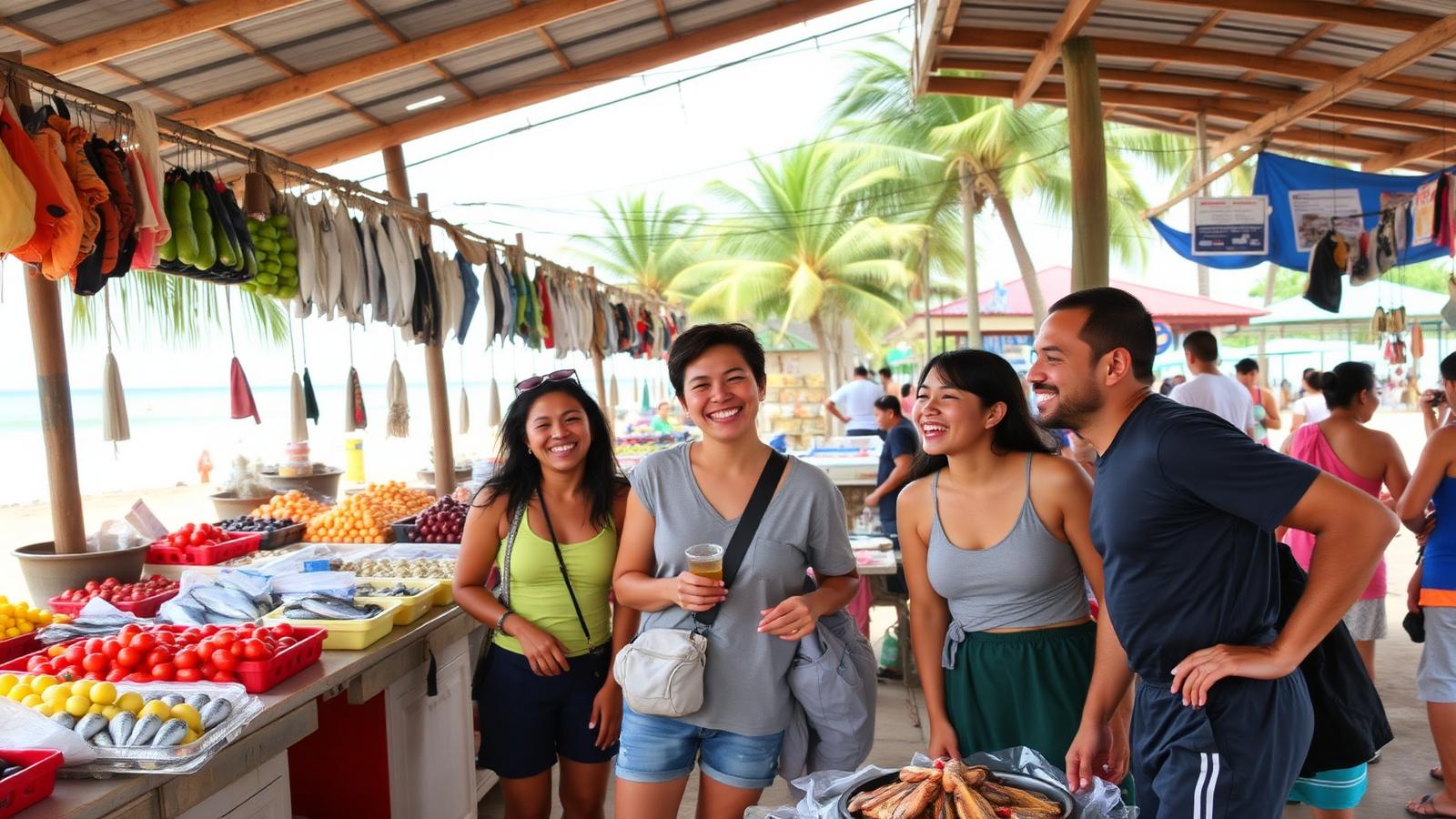
Daily life is unhurried. The market has produce, the boats bring in kingfish, octopus and prawns, and there are a handful of small lodges and restaurants along the beach road. Tanga, two hours north, has the hospital, banks and supermarkets. Zanzibar is reachable by road and ferry, or by short flight from Tanga. Swahili is the language of daily life and a little of it goes a long way here; the coastal culture is Muslim, gentle and famously hospitable.
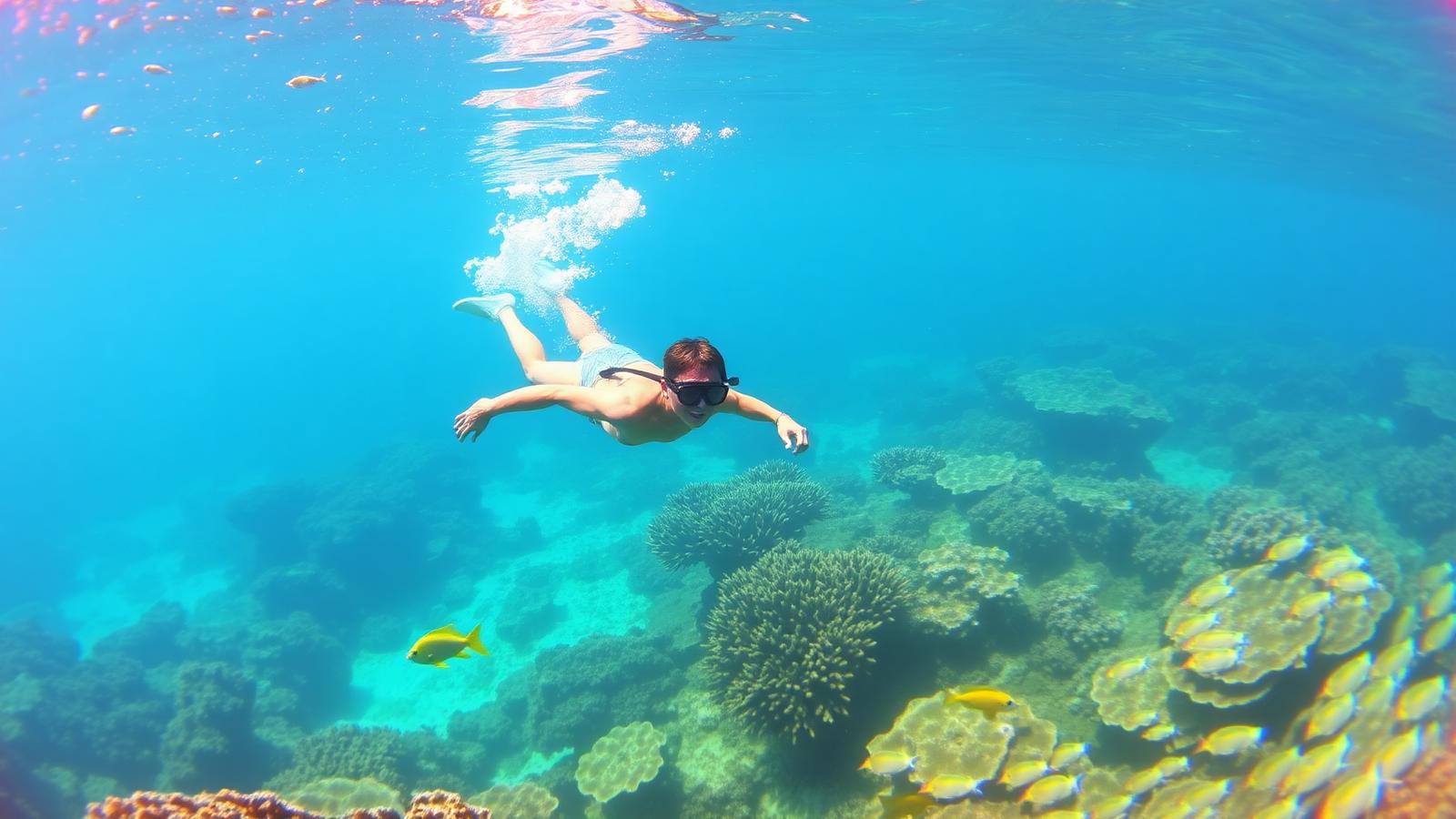
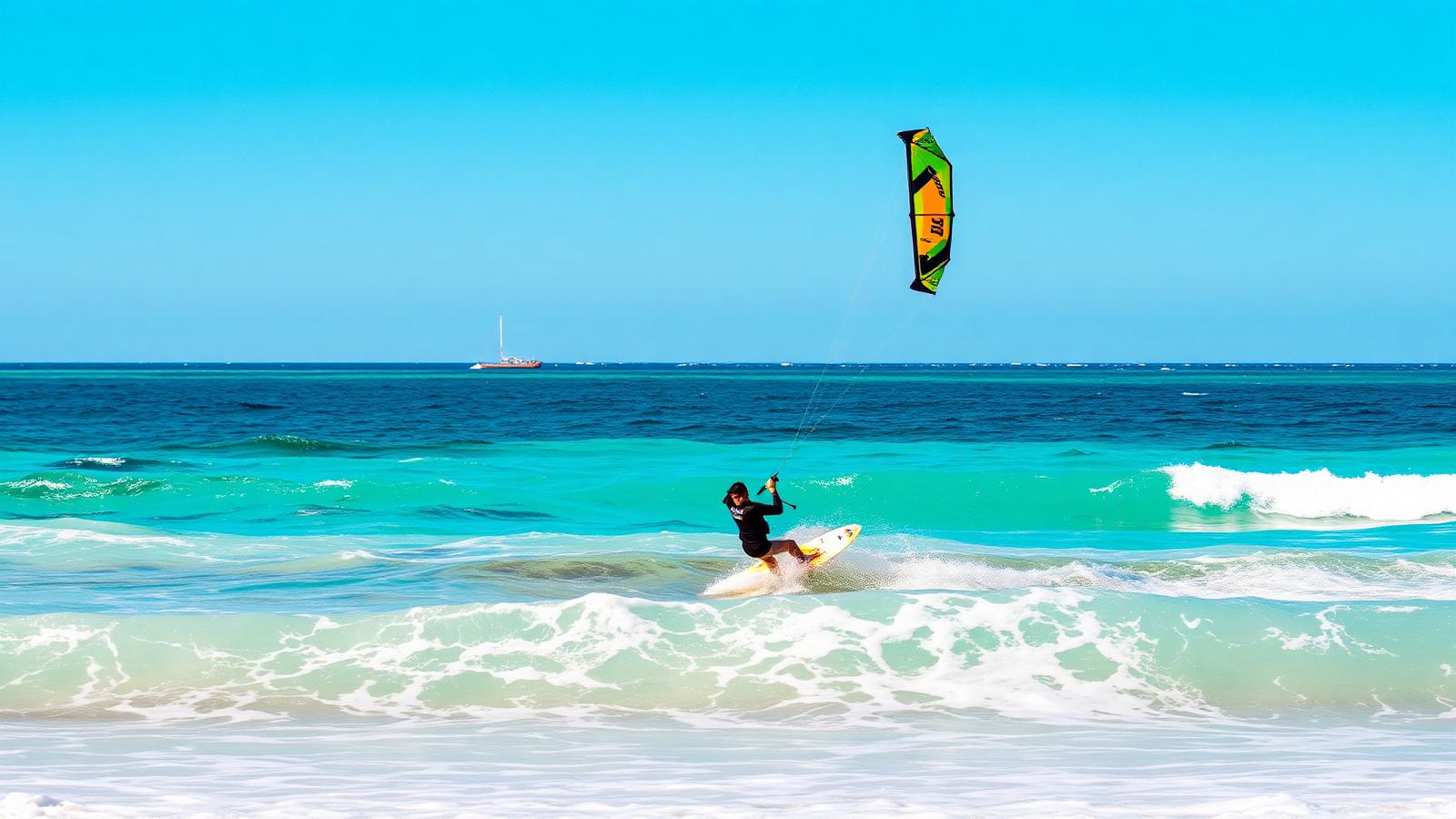
The beach in front is white, palm-backed and typically empty, with a reef offshore that keeps the water calm and clear at high tide. Snorkelling and diving at Maziwe Island Marine Reserve — a sandbank that surfaces at low tide surrounded by coral — is the local highlight, along with dolphin trips, dhow sailing on the river, kayaking through mangroves and sport fishing for kingfish and sailfish. Inland there are colonial ruins, sisal estates, the Amboni caves near Tanga and the Usambara mountains a couple of hours away. Saadani National Park, where elephants come down to the beach, is just south along the coast.
Around the property
🏝️ The beach
Quiet palm-backed mainland Swahili beach with an offshore reef
- Sand
- Fine white coral sand
- Water
- Warm calm Indian Ocean, 26-29C, sheltered by the reef
🍽️ Eat & drink nearby
- ·Peponi beach restaurant
- ·The Tides lodge kitchen
- ·Pangani town seafood grills
- ·Fresh crab and octopus from the harbour
🛍️ Shops & markets
- ·Pangani Friday market
- ·Tanga supermarkets - 2 hrs
- ·Daily fish landing at the dhow harbour
- ·Coconut and cashew from local farms
✈️ Getting there
- ·Tanga (TGT) airport - 55 km / 2 hrs
- ·Ferry across the Pangani River
- ·Zanzibar via Tanga flights - 30 mins
- ·Dar es Salaam by coast road - 5 hrs
🏄 Things to do
- ·Snorkelling Maziwe Island Marine Reserve
- ·Dhow sailing on the Pangani River
- ·Dolphin watching trips
- ·Kayaking the mangrove channels
- ·Sport fishing for kingfish and sailfish
- ·Saadani National Park beach safari