The full story
Miami is not a cheap city, but Miami is also much bigger and much stranger than the four blocks of South Beach that appear in the brochures. Push north past the causeways, into the low pastel neighbourhoods of North Miami Beach where the boat canals cut inland from the Intracoastal, and an entirely different price list appears. This one-bedroom, sixty-two-square-metre condo — mid-century, canal-side, ten minutes from the Atlantic — is available for less than three hundred thousand dollars, which puts a foothold in one of the world's great coastal cities within reach of an ordinary budget.
The building is a three-storey survivor from Miami's post-war boom: flat roof, pastel render, a shaded entrance walk lined with philodendron, and coconut palms leaning over the seawall. Its best feature is the water at the back. The canal is navigable to Biscayne Bay and out to the Atlantic through Haulover Inlet, and residents keep skiffs and centre-consoles tied along the wall — you can leave the apartment with a rod and be fishing the flats within twenty minutes. Dockage for a small boat is available and costs a fraction of the marina rates further south.
The apartment itself is a clean, bright example of what Florida built before air conditioning became an afterthought. Polished white terrazzo runs throughout — cool underfoot, indestructible, and now highly sought after. Jalousie-style windows and a cross-breeze layout mean the place is comfortable on shoulder-season days without touching the thermostat. The living room opens through sliding doors onto a shaded balcony, the kitchen has been updated with new cabinetry and stone counters, and the single bedroom takes the quiet side of the building. It is compact rather than grand, but it is a genuine Miami apartment with light, air and water, not a windowless studio in a tower.
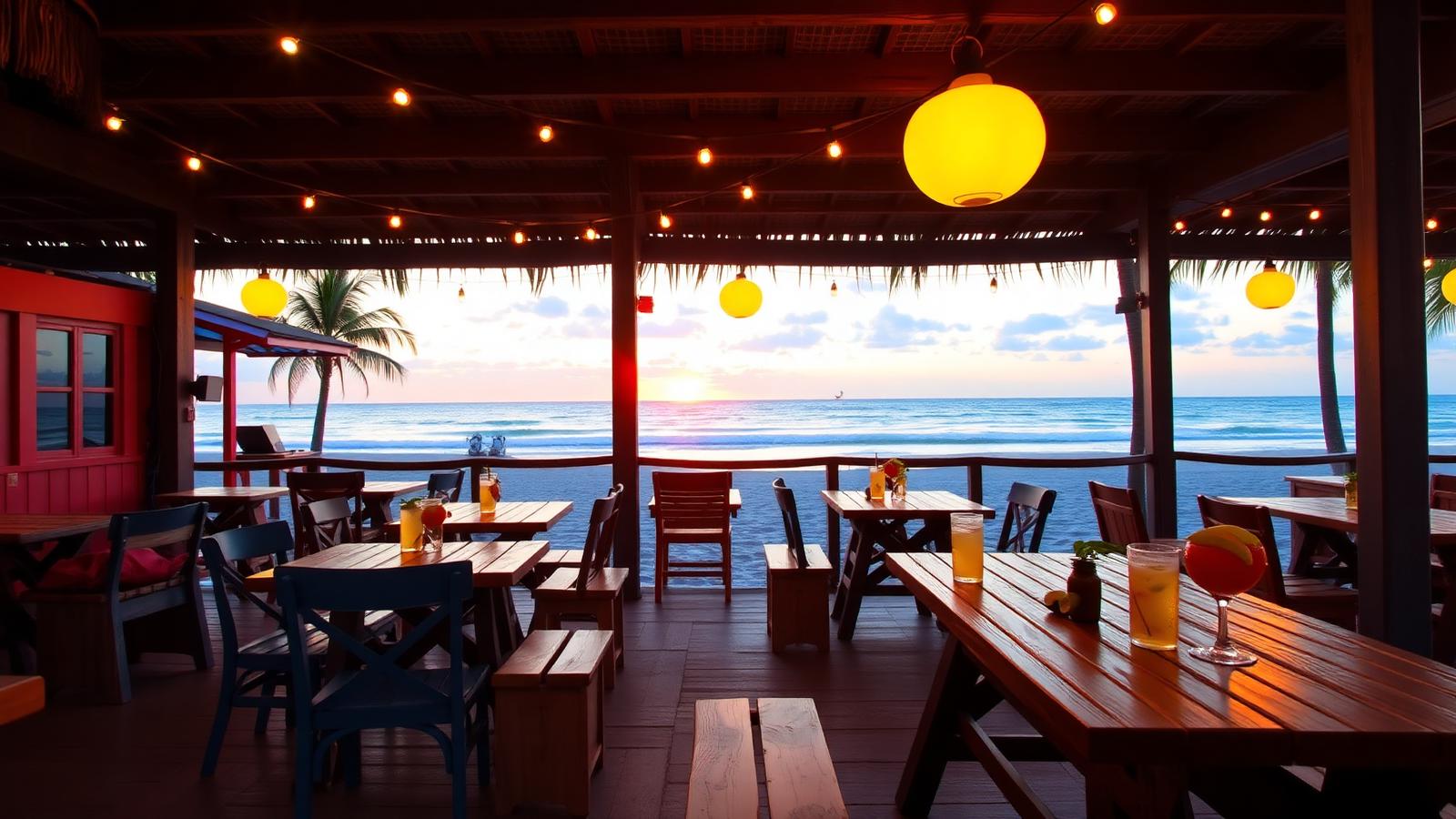
Life here is deeply local and unashamedly Caribbean. Mornings begin at a ventanita — the walk-up coffee window that is Miami's true civic institution — with a cortadito and a guava pastelito for a couple of dollars. Groceries come from Publix or, better, from the Presidente and the Haitian and Colombian markets that stock produce you will not find in a chain. Lunch is Cuban, Haitian or Peruvian depending on which block you turn down. Rents and prices in these neighbourhoods have risen, but nothing like the beachfront, and the culture that makes the city interesting still lives here rather than in the condo canyons.
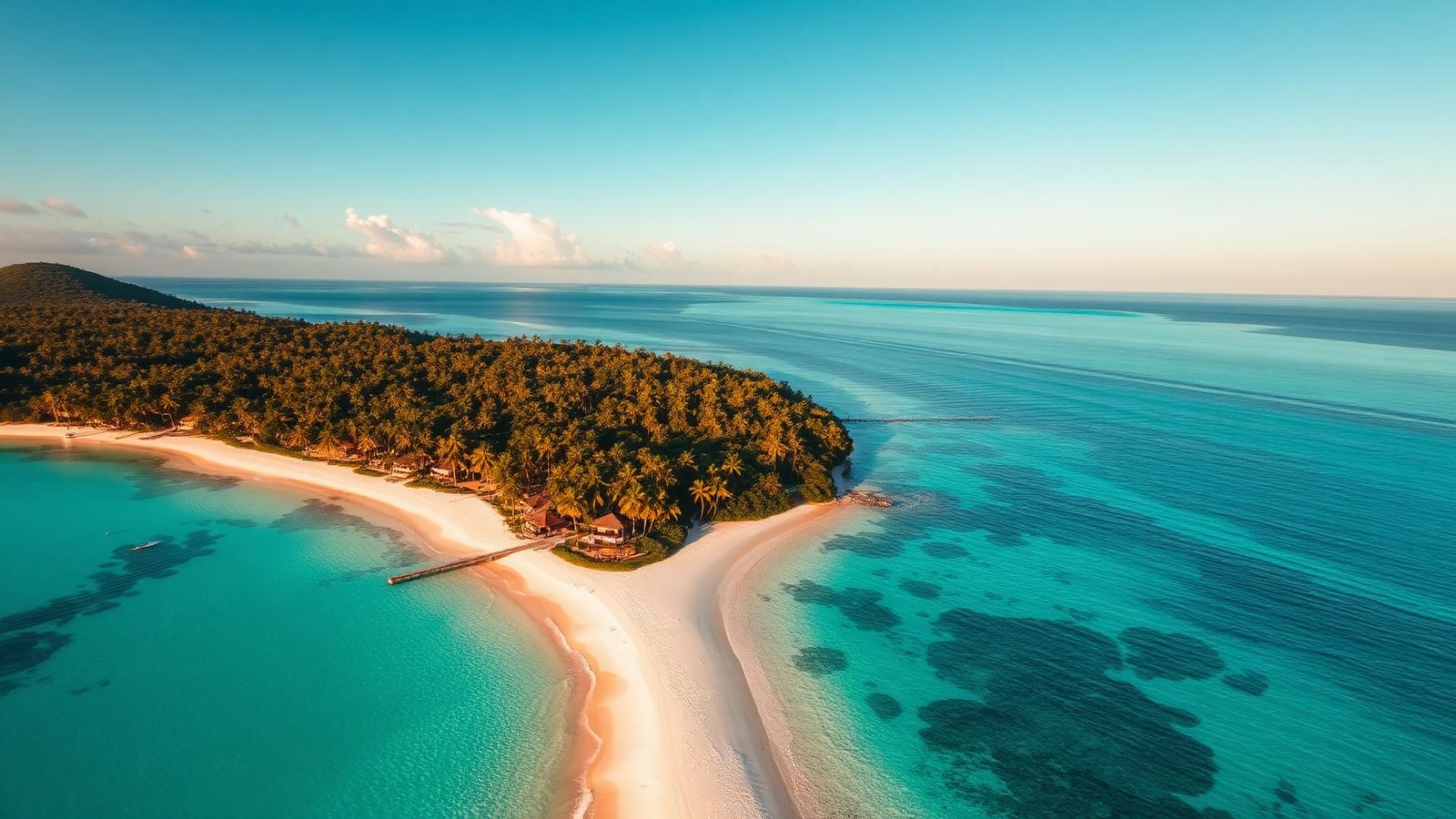
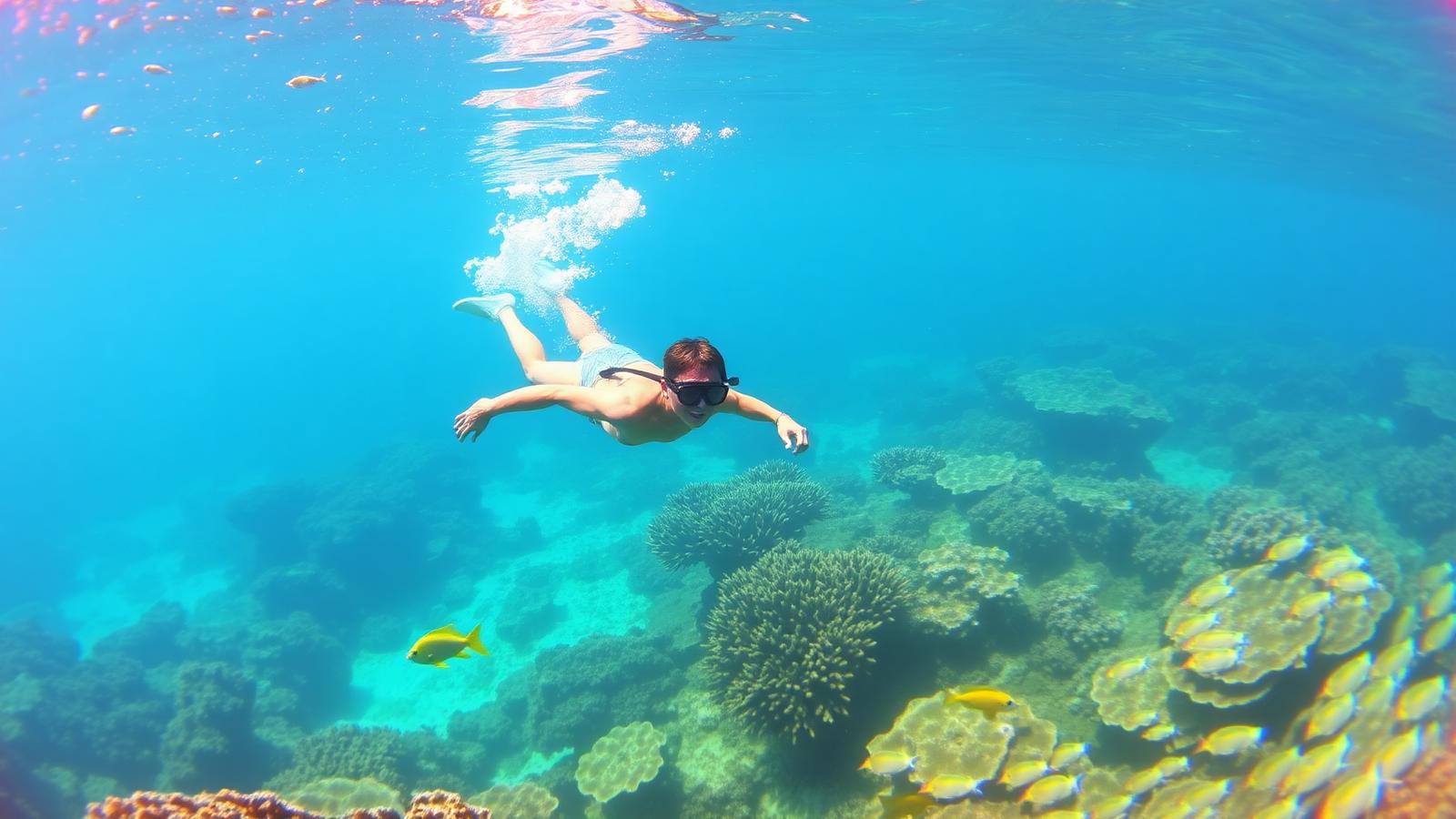
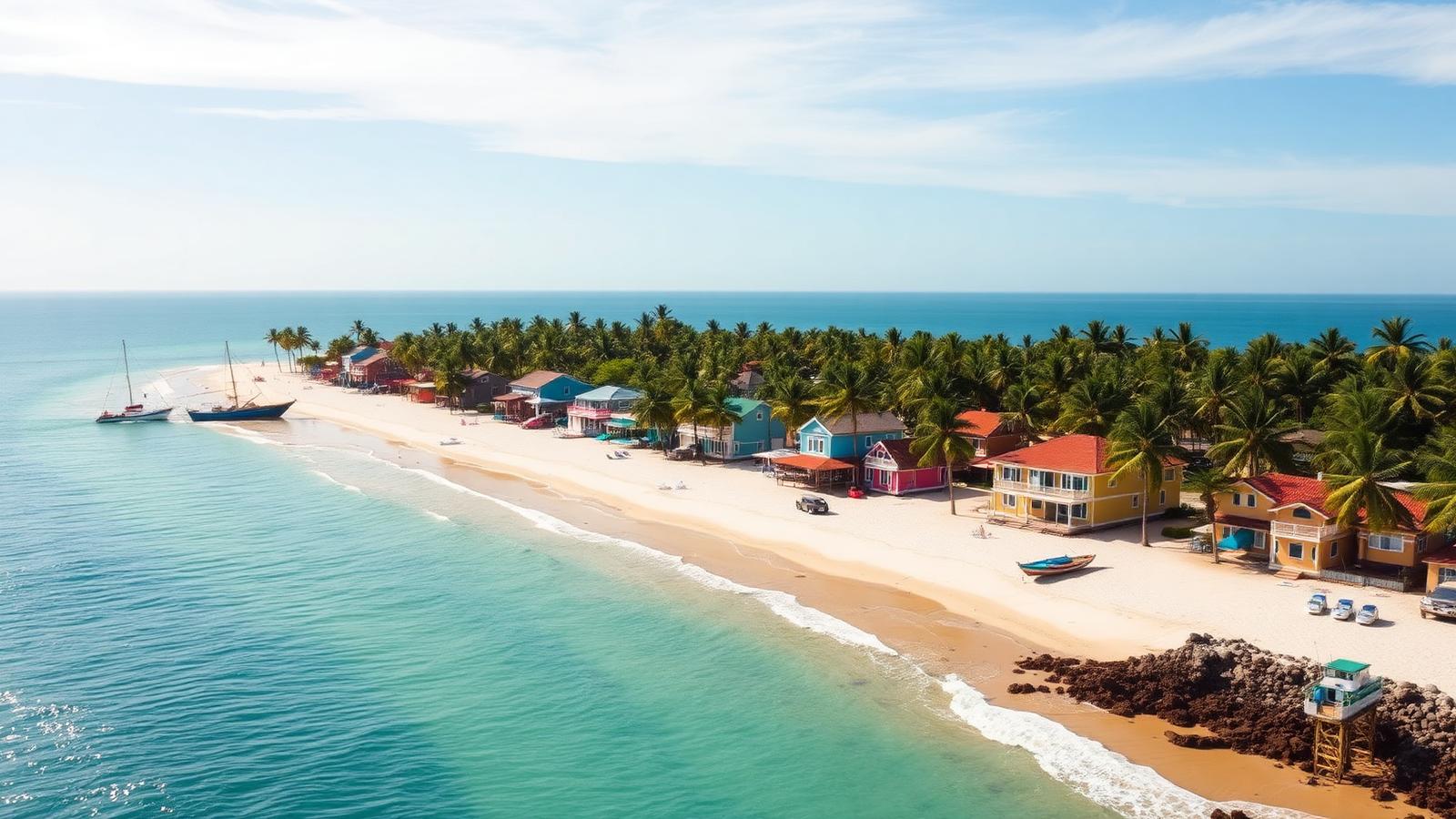
The beach is the reason people buy, and the beaches within reach are exceptional. Haulover Park sits fifteen minutes east: a broad, lifeguarded, palm-backed Atlantic strand with pale sand and reliably warm turquoise water. Sunny Isles and Bal Harbour extend the same shoreline north, and Oleta River State Park — the largest urban park in Florida, with mangrove kayak trails and twenty-odd kilometres of mountain-bike singletrack — is five minutes away. Offshore, artificial reefs and wrecks make for accessible dive and snorkel sites, and the Gulf Stream fishing grounds are a short run out through the inlet.
The practical case is strong. Florida levies no state income tax, and Miami-Dade property taxes on a unit at this price typically land in the three-to-four-thousand-dollar range annually. Condo association fees cover building insurance, water, grounds and the seawall — an important detail on canal property, and one worth verifying carefully along with the association's reserve position and any pending structural assessment, which is now standard due diligence throughout South Florida. Buyers should also budget realistically for windstorm and flood coverage; both are facts of life on this coast and both are manageable when priced in from the start.
For overseas purchasers the United States imposes no restriction on foreign ownership: title is fee-simple, the closing process runs through a title company in a matter of weeks, and financing is available to non-residents through several Miami banks at higher deposit thresholds. Rental demand is year-round rather than seasonal here, driven by medical workers, students at FIU, snowbirds through the winter and a steady stream of Latin American visitors.
What you are really buying is optionality: a warm-water beach, a boat at the back door, an international airport half an hour away and a city that never quite calms down. Miami on a modest budget is not a myth — it simply lives a few miles north of where the postcards are taken.
Around the property
🏝️ The beach
Broad Atlantic city beach with lifeguard towers, palms and calm summer surf
- Sand
- Pale, soft quartz sand groomed daily along the North Miami and Sunny Isles strand
- Water
- Warm turquoise Atlantic, swimmable year-round, typically 24–30°C
🍽️ Eat & drink nearby
- ·Ventanita cafes for cortaditos and pastelitos
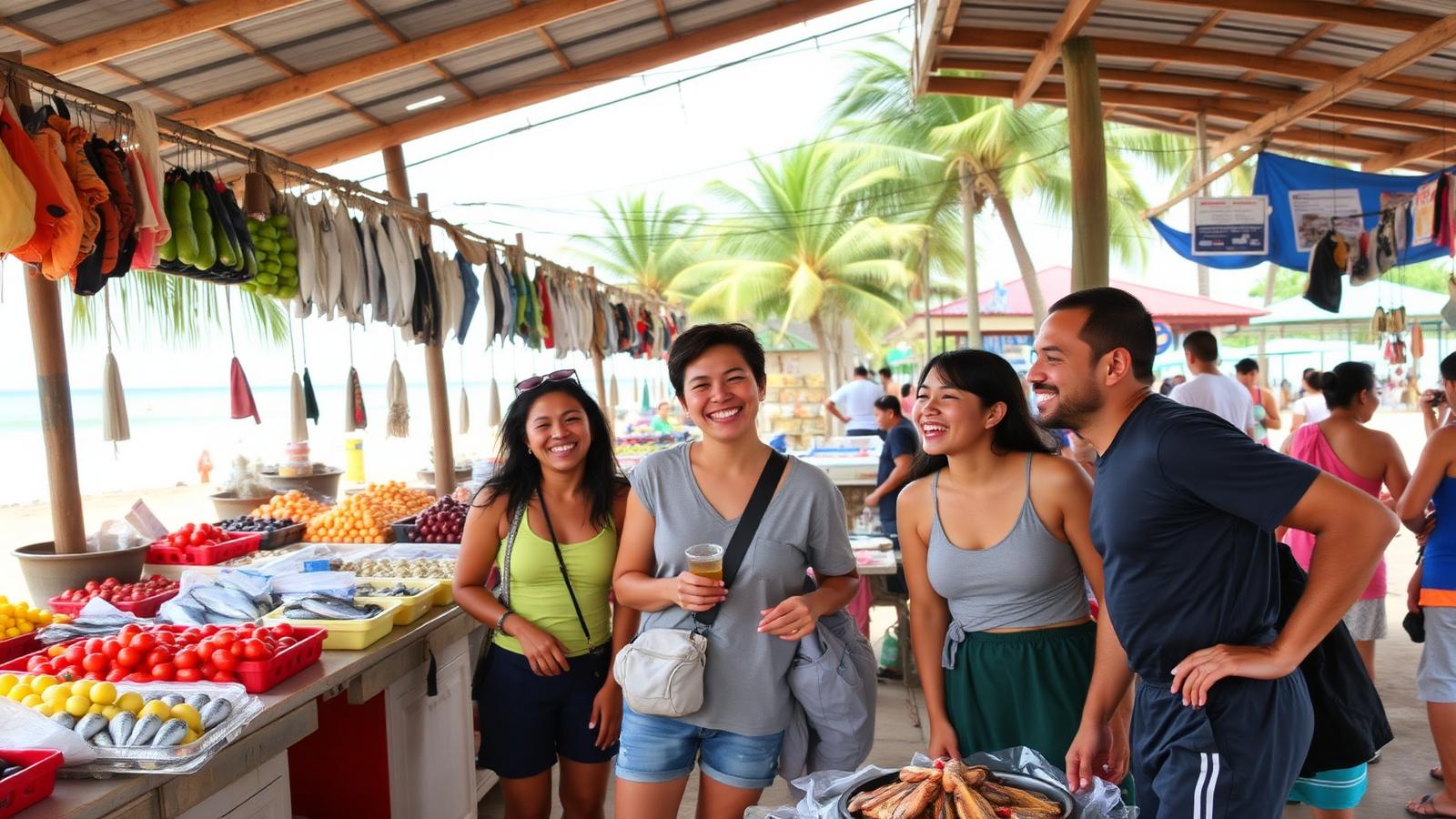
- ·Seafood counters along the Intracoastal
- ·Haitian and Cuban lunch spots in North Miami
- ·Sunny Isles beachfront restaurants
🛍️ Shops & markets
- ·Aventura Mall — 10 minutes
- ·Publix and Presidente supermarkets
- ·Local produce and fish markets
- ·Bal Harbour Shops for the window shopping
✈️ Getting there
- ·Miami International Airport (MIA) — 30 minutes
- ·Fort Lauderdale–Hollywood International (FLL) — 25 minutes
- ·Brightline Aventura station — 10 minutes
- ·Miami-Dade bus routes along Biscayne Boulevard
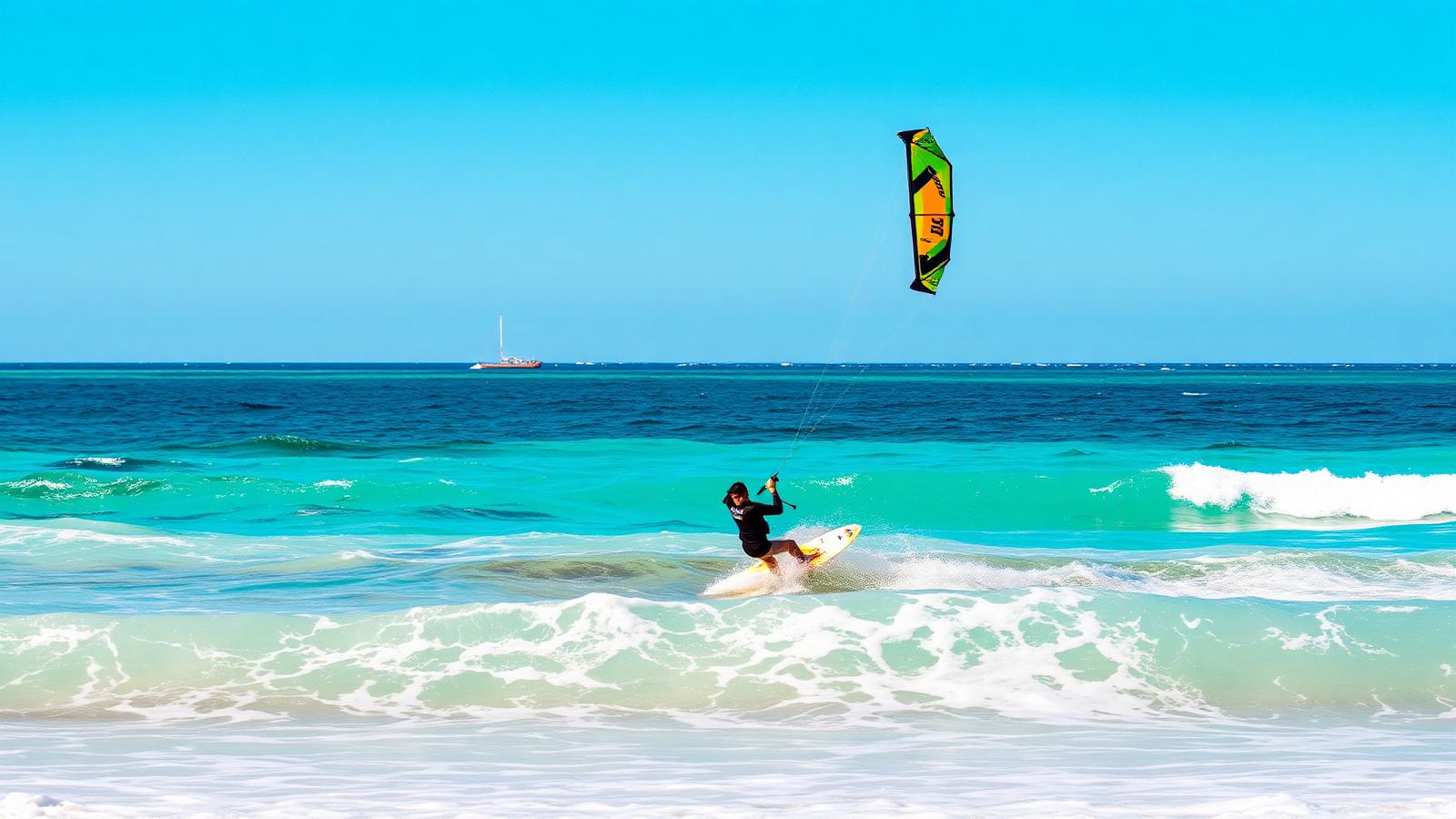
🏄 Things to do
- ·Swimming and paddleboarding at Haulover Beach
- ·Boating and fishing straight from the canal
- ·Oleta River State Park mountain biking and kayaking
- ·Snorkelling the artificial reefs offshore
- ·Art Basel, Wynwood galleries and the Design District