The full story
Cat Ba is the largest island in the Ha Long–Lan Ha archipelago, and this modest two-storey fisherman's house sits on its quieter southern shoulder, roughly four kilometres from the town harbour and a 150-metre walk downhill from a sheltered swimming cove. The building is exactly what it appears to be: a working family home, painted the soft ochre-yellow common across northern Vietnam, with cobalt-blue timber shutters, a tiled roof, and a small first-floor balcony that catches the sea breeze all afternoon. Inside there are 68 square metres across two levels — a living and kitchen space downstairs opening onto a concrete forecourt where boats and nets have historically been repaired, and two bedrooms plus a bathroom upstairs. The current owners re-roofed and re-wired the property four years ago, so the bones are sound and the house is genuinely liveable from the day the keys change hands.
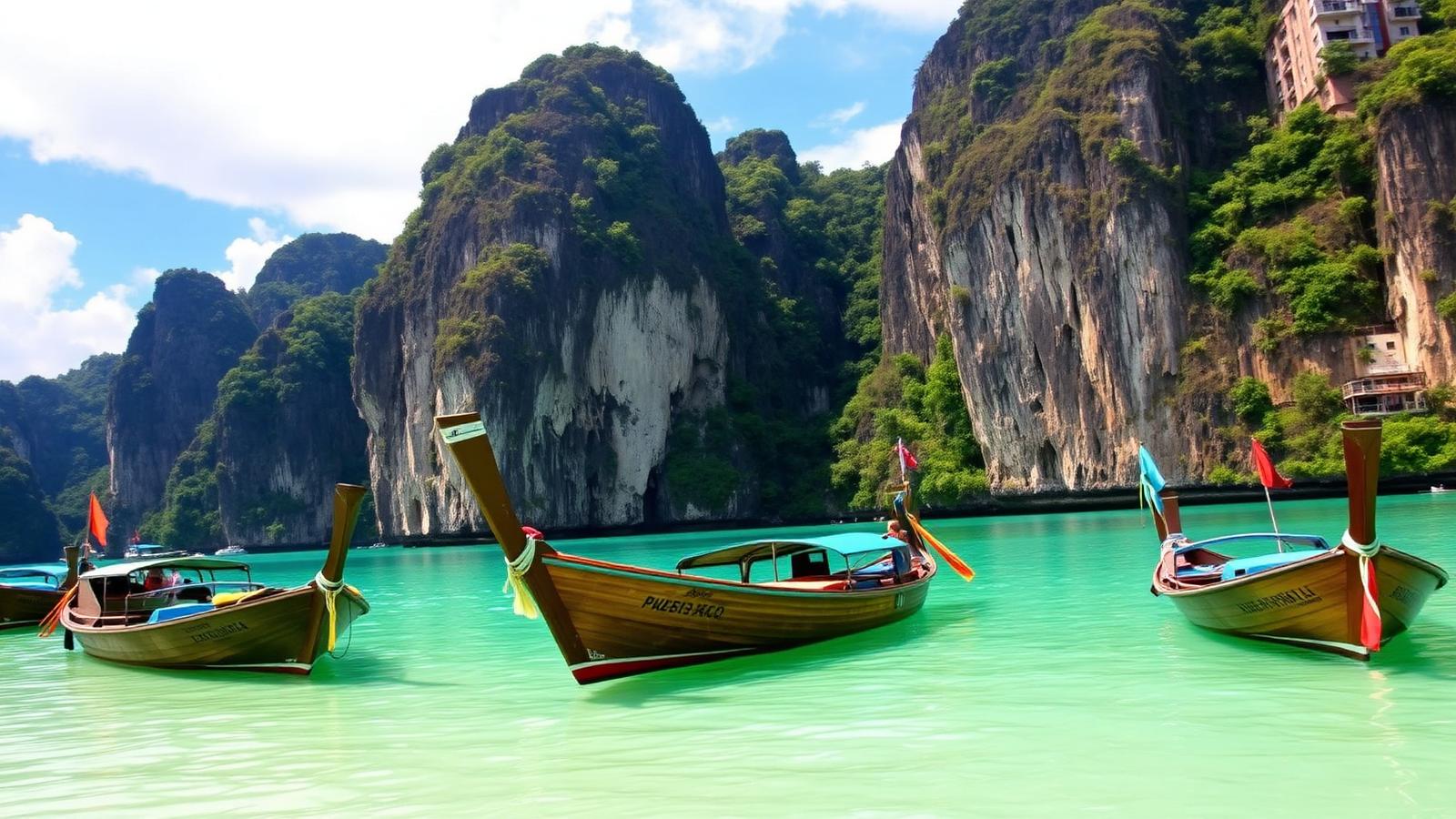
What makes this listing unusual for the money is the outlook. From the balcony and the upstairs bedrooms, the view runs straight across a jade-green channel to the limestone karsts of Lan Ha Bay — the same towers that draw cruise boats from all over the world into neighbouring Ha Long. Because the entire archipelago sits inside a UNESCO-recognised biosphere reserve, building heights and new construction are tightly controlled here. That is a nuisance if you want to develop, and a gift if you want a view that cannot be built out from under you. Morning fog lifts off the water around eight, the karsts sharpen into focus, and squid boats come back in with their night's catch.
Foreign buyers should understand the ownership framework before getting attached. In Vietnam, land itself is held by the state and individuals hold land-use rights; foreign nationals cannot obtain a red book (Sổ Đỏ) for rural land in their own name. In practice, purchases like this one are structured through a long-term lease, a Vietnamese-registered company, or a spouse's name, and every serious buyer engages a Hai Phong or Hanoi lawyer before transferring funds. The upside is that holding costs are extremely low — annual property taxes here are nominal, and a caretaker to keep the house aired and the garden cut costs less per month than a single night in a Ha Long cruise cabin.
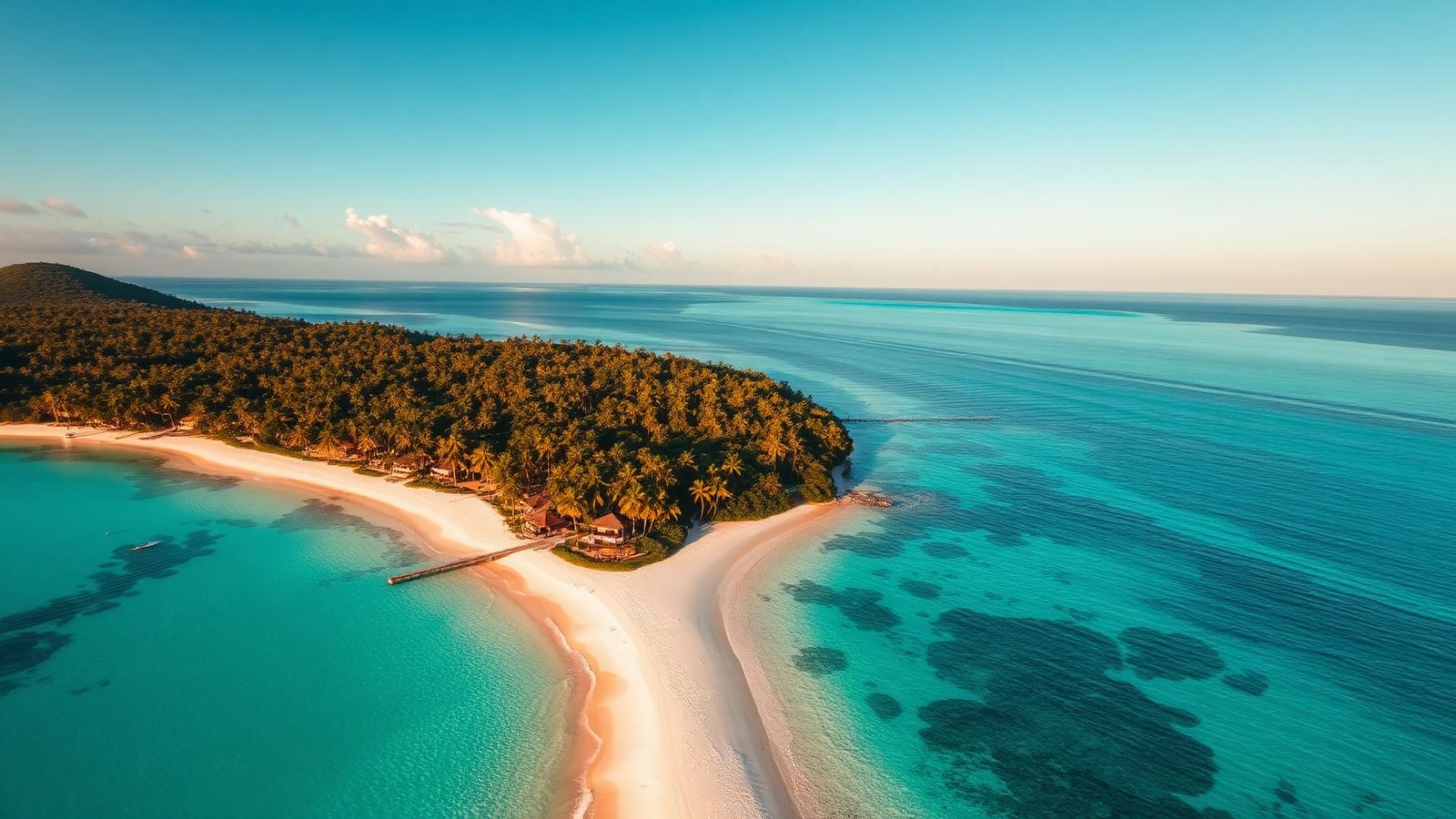
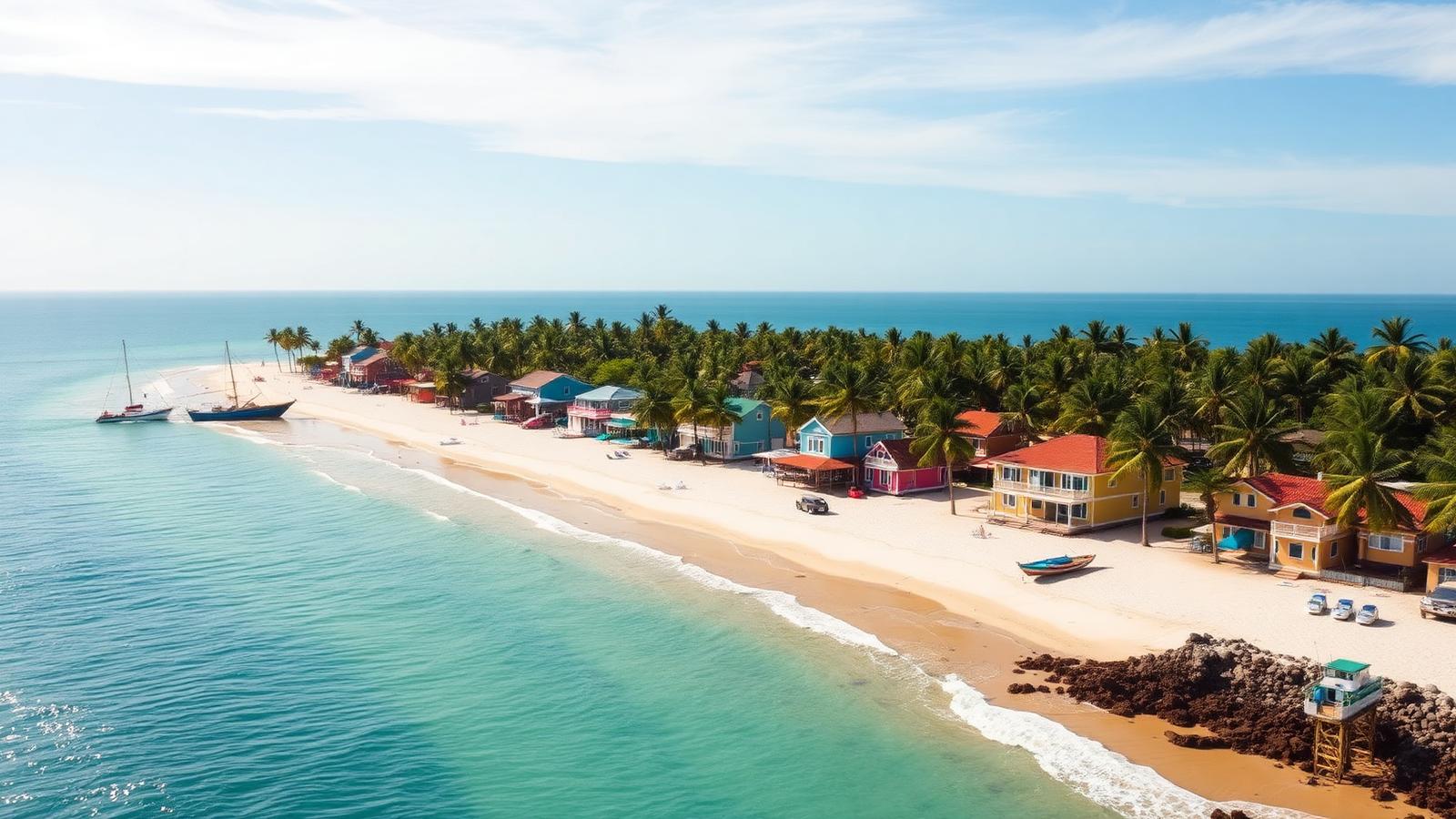
The cove below the house is small, quiet and family-friendly: pale cream sand between two limestone shoulders, water that stays calm almost year-round because the karst islands break any real swell before it arrives. It is not the wide sweeping beach of central Vietnam; it is a swimming pocket, best in the early morning and the two hours before sunset. For bigger sand, Cat Co 1, 2 and 3 sit on the far side of town, connected by a spectacular cliff-side walkway. Water temperature is comfortable from April through November; December to February bring the cool, misty northern winter that many residents actually prefer for hiking.
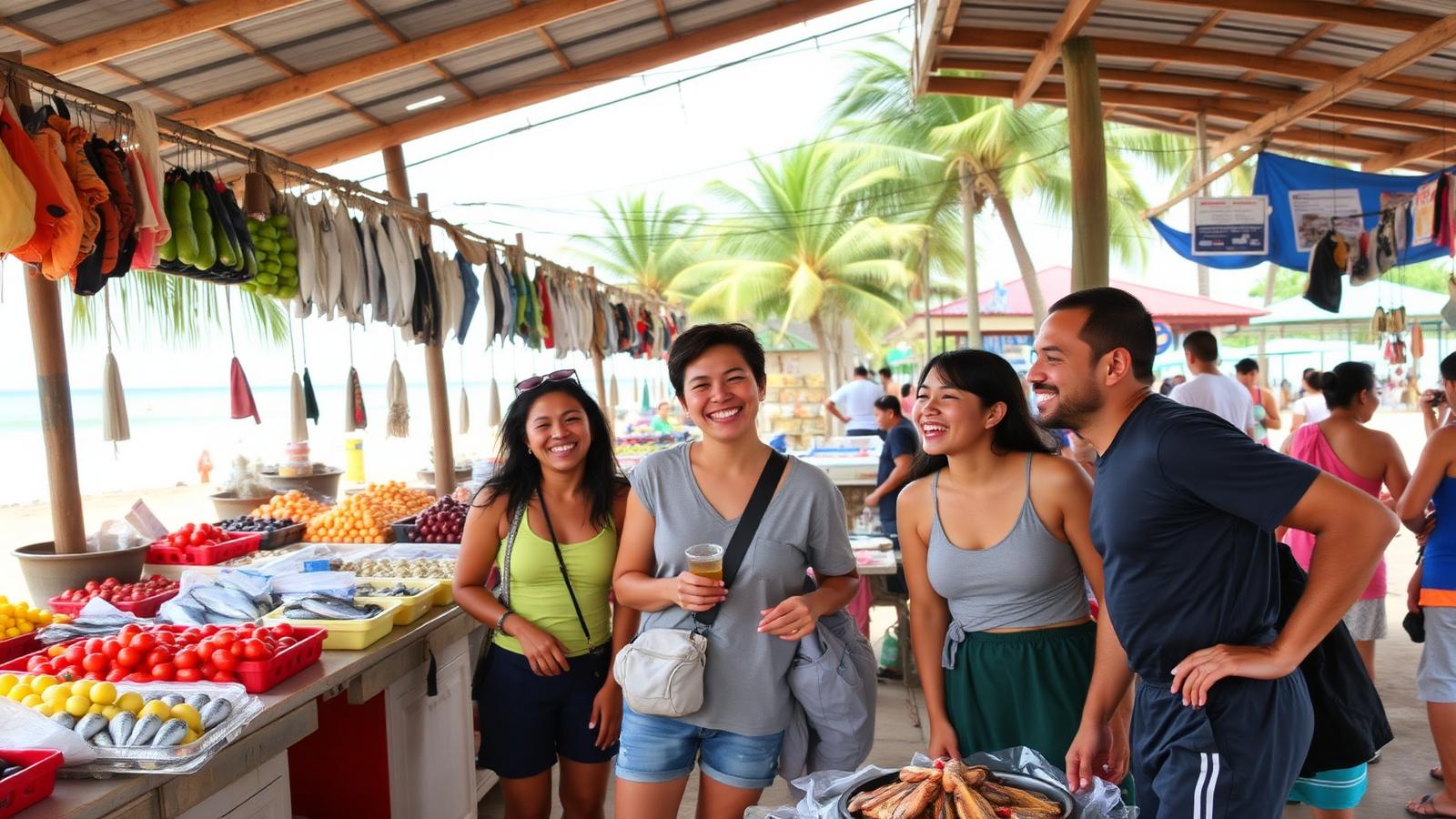
Day-to-day life runs through Cat Ba town, ten minutes away by scooter. The morning market opens before six with fish landed overnight, river greens, tofu and herbs, and prices that make cooking at home the obvious default. The harbour front is lined with family kitchens grilling scallops with spring onion oil and steaming the local mantis shrimp; the floating raft restaurants out in Lan Ha let you pick your fish from a pen underfoot. Along Nui Ngoc Street you will find small supermarkets, a pharmacy, hardware suppliers and the scooter mechanics who keep the island moving. For anything larger — imported groceries, appliances, a hospital with full facilities — Hai Phong is a 25-minute ferry crossing plus a short drive.
Getting here is easier than the remoteness of the view suggests. The Got–Cai Vieng ferry connects the island to the mainland throughout the day, Hai Phong's Cat Bi International Airport is about two hours door to door with daily flights to Ho Chi Minh City, Da Nang and a growing list of regional capitals, and the Hanoi–Hai Phong expressway puts the capital roughly two and a half hours away. That combination — a genuine island with a genuine ferry, yet inside a comfortable half-day of an international hub — is what has kept Cat Ba's rental demand steady even in slower years.
For a buyer, the appeal here is straightforward. This is not a resort villa and it is not pretending to be one. It is a solid, honest island house with a world-heritage seascape out of the window, a swimmable cove at the bottom of the lane, kayaking and climbing and national-park jungle within a few kilometres, and an asking price that in most of the world would not cover a garage. Whether you use it as a personal base, a modest homestay, or a slow-renovation project, the fundamentals — location, view protection, access — are all working in your favour.
Around the property
🏝️ The beach
Small sheltered karst cove on a protected bay
- Sand
- Pale cream-white fine sand
- Water
- Calm emerald-jade, almost no surf
🍽️ Eat & drink nearby
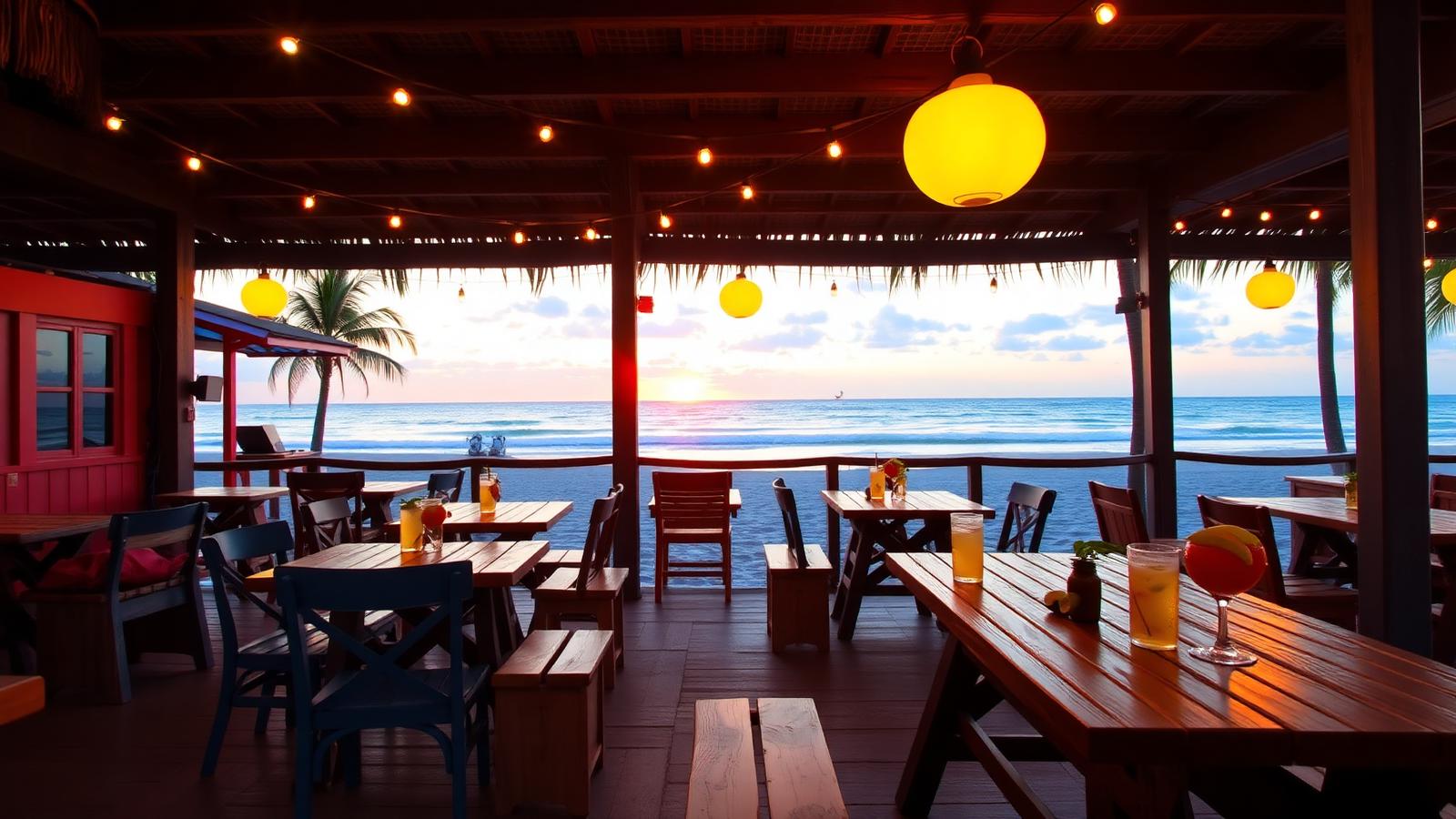
- ·Family seafood kitchens on Cat Ba town harbour front serving grilled scallops with spring onion oil
- ·Floating raft restaurants in Lan Ha Bay where you choose the fish from the pen
- ·Vien Duong and the 1-4 Street strip for bun cha and banh mi at local prices
- ·Cliff-top cafes above Cat Co 2 for Vietnamese drip coffee at sunset
🛍️ Shops & markets
- ·Cat Ba town morning market for fish, greens and household goods
- ·Small supermarkets and hardware suppliers along Nui Ngoc Street
- ·Hai Phong's Big C and imported-goods stores, a ferry ride away
✈️ Getting there
- ·Cat Ba town ferry pier — 4 km / 10 minutes by scooter
- ·Got–Cai Vieng ferry to the mainland — 25 minutes across the channel
- ·Hai Phong Cat Bi International Airport (HPH) — around 2 hours door to door
- ·Hanoi city centre — roughly 2.5 hours via the Hai Phong expressway
🏄 Things to do
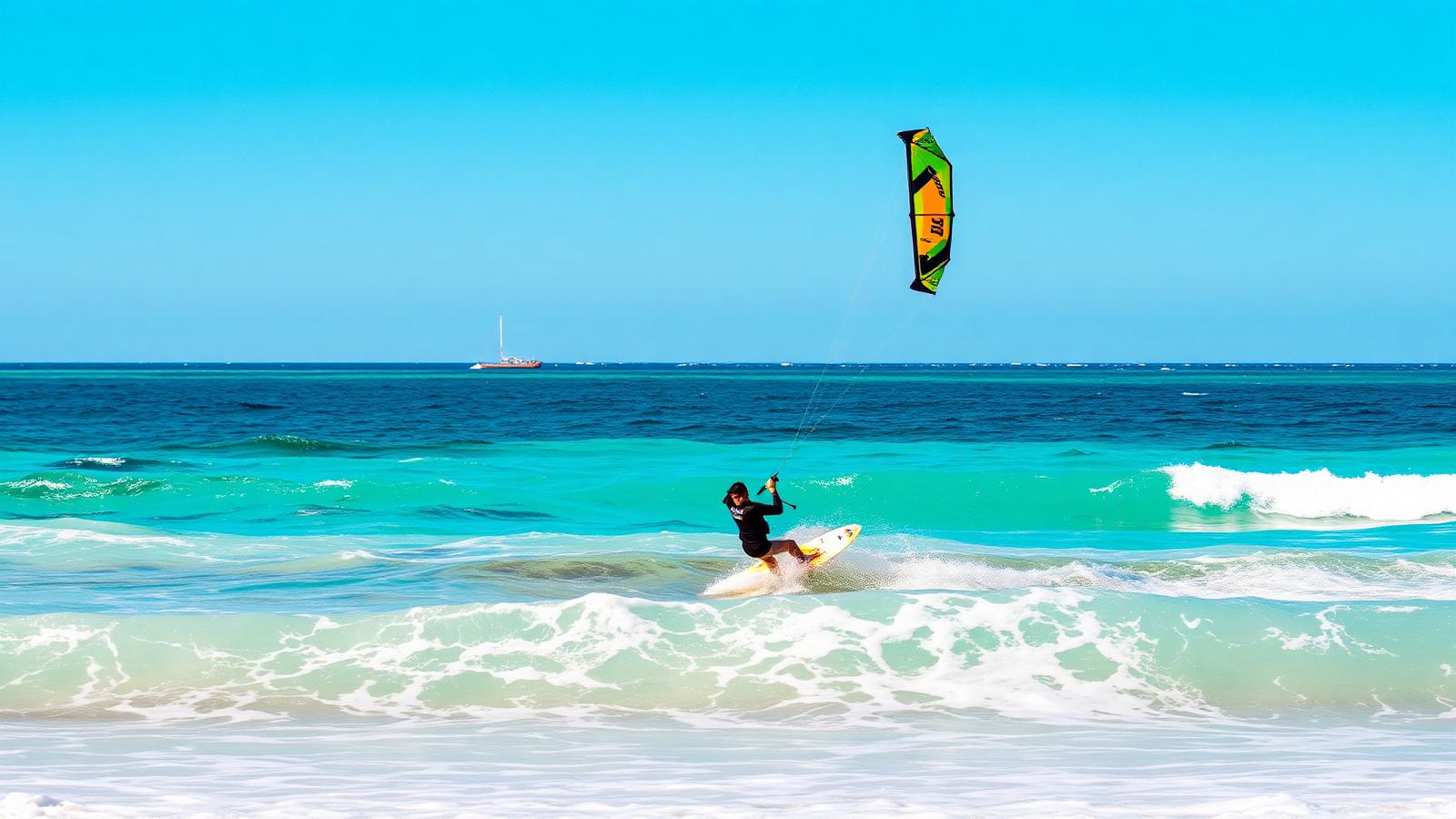
- ·Kayaking through Lan Ha Bay's hidden lagoons and caves
- ·Rock climbing on the limestone walls at Butterfly Valley
- ·Trekking in Cat Ba National Park, home of the golden-headed langur
- ·Day sailing and overnight junk trips into Ha Long Bay
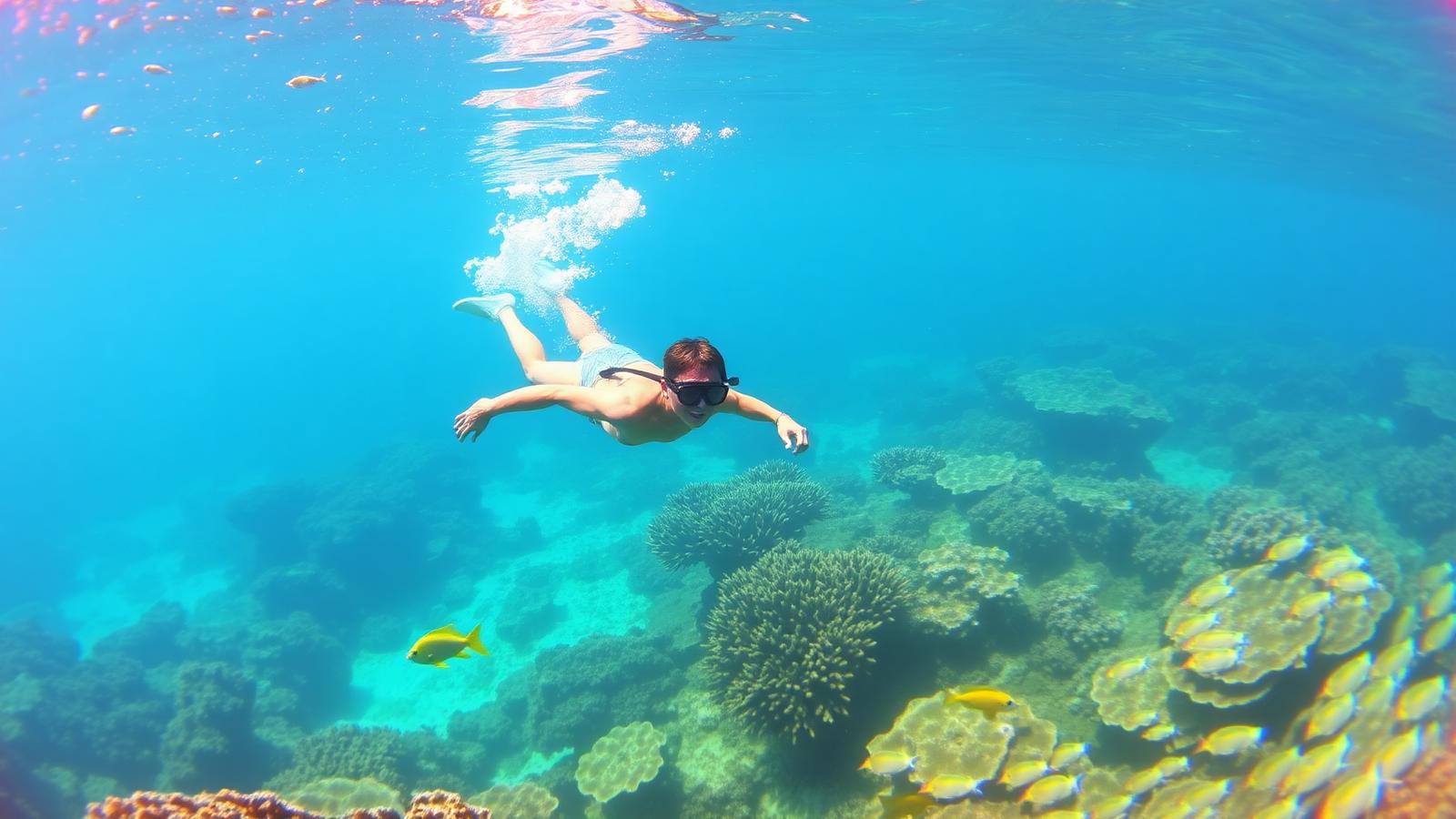
- ·Snorkelling and free-diving off Monkey Island