The full story
Quy Nhon is the provincial capital of Binh Dinh, a working city of around three hundred thousand people wrapped around a four-kilometre crescent of golden sand, and it is routinely described as what Da Nang looked like twenty years ago. This townhouse sits two streets back from that beach, roughly 250 metres from the water, on a quiet residential block of pastel facades, potted plants and parked scooters. It is a classic Vietnamese nha ong — a narrow, deep town house rising three storeys on a compact footprint — with 84 square metres of internal space arranged as a living and kitchen level at ground floor, two bedrooms and a bathroom on the first, a third bedroom, second bathroom and small study on the second, and a flat rooftop terrace above that gets the sea breeze and a sliver of blue between the neighbouring roofs.
The house is connected to everything a city provides: town water, mains three-phase power, municipal rubbish collection and fibre internet that comfortably supports remote work. Floors are white porcelain tile, windows are louvred and shuttered against the afternoon sun, and the stairwell is open to allow hot air to rise and vent from the top. Two of the bedrooms have split-system air conditioning. There is no garden — this is an urban property — but the rooftop is a genuine outdoor room, and most owners here end up living on it in the evenings with a few plants, a table and a string of lights.
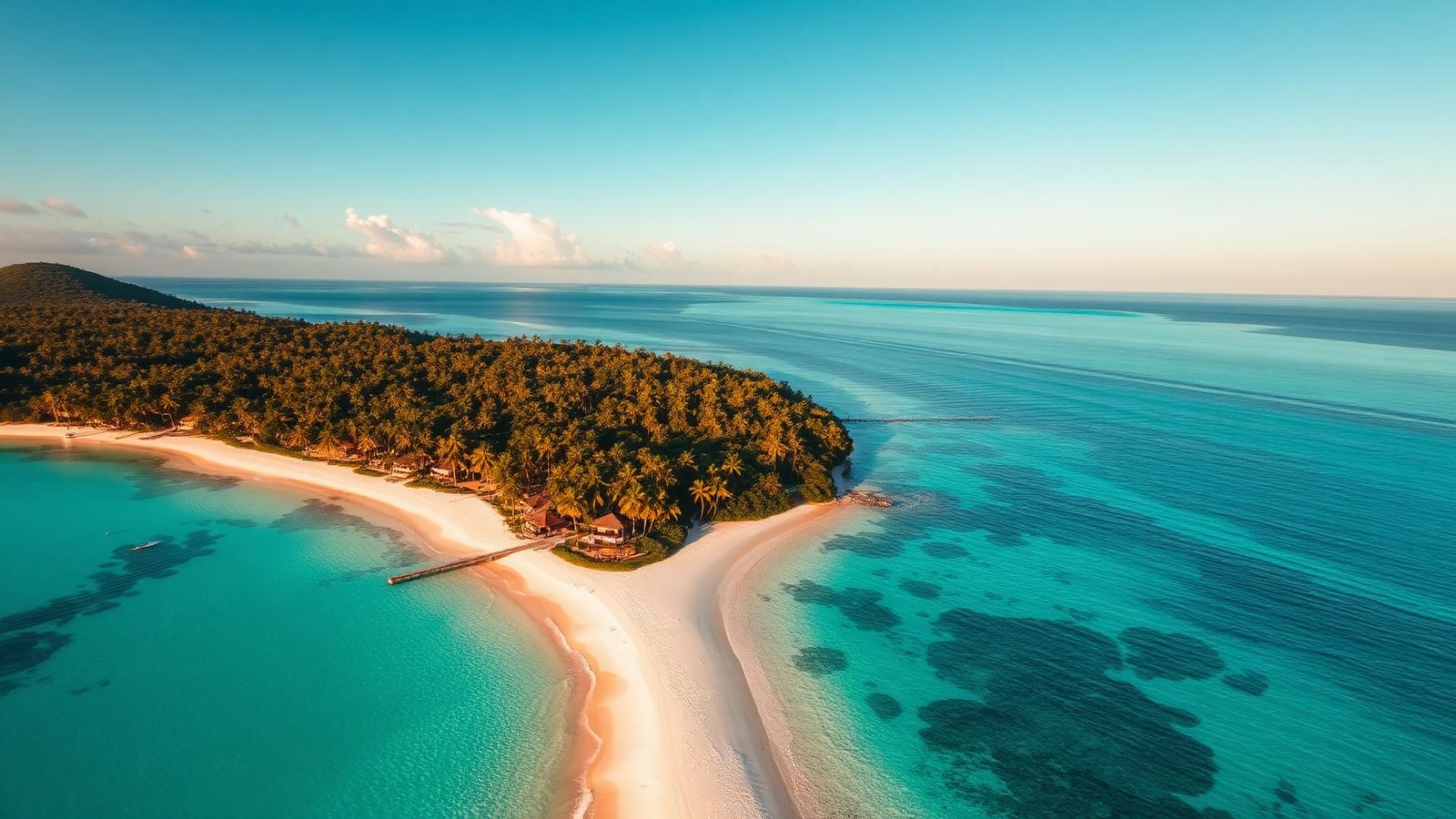
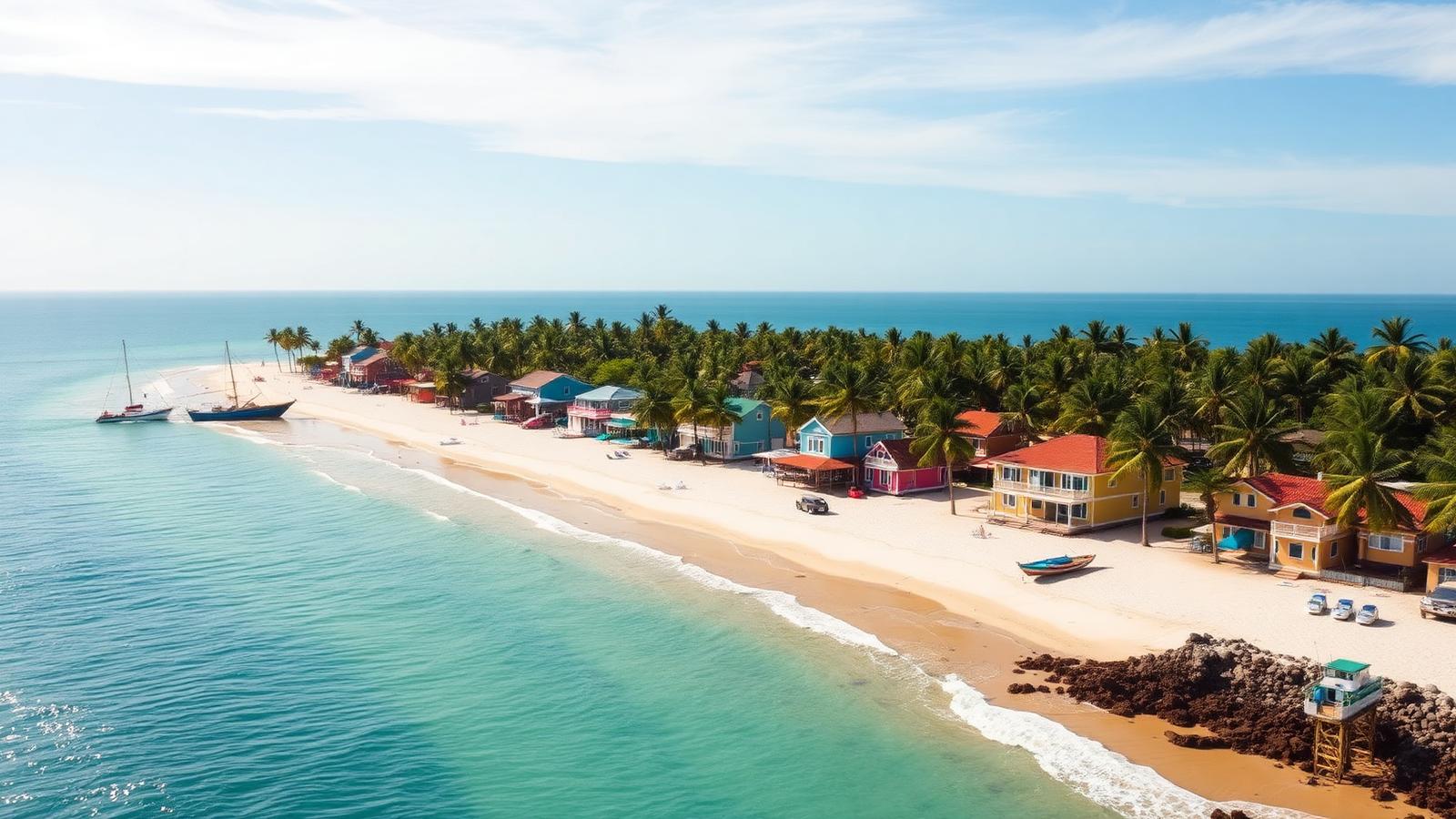
The beach is the reason to be here. Quy Nhon's city bay is protected at both ends by headlands, so the water is calm and swimmable for most of the year, and the sand is deep golden and firm enough to run on. A wide palm-lined promenade backs the whole length of it, and by five in the morning it is busy with swimmers, joggers and groups doing exercise routines to portable speakers; by mid-morning it empties out again. Traditional round basket boats — thung chai — still land the night catch at the northern end. There is no wall of high-rise hotels shadowing the sand, and the city has so far resisted the kind of unbroken resort strip that has swallowed other Vietnamese beaches.
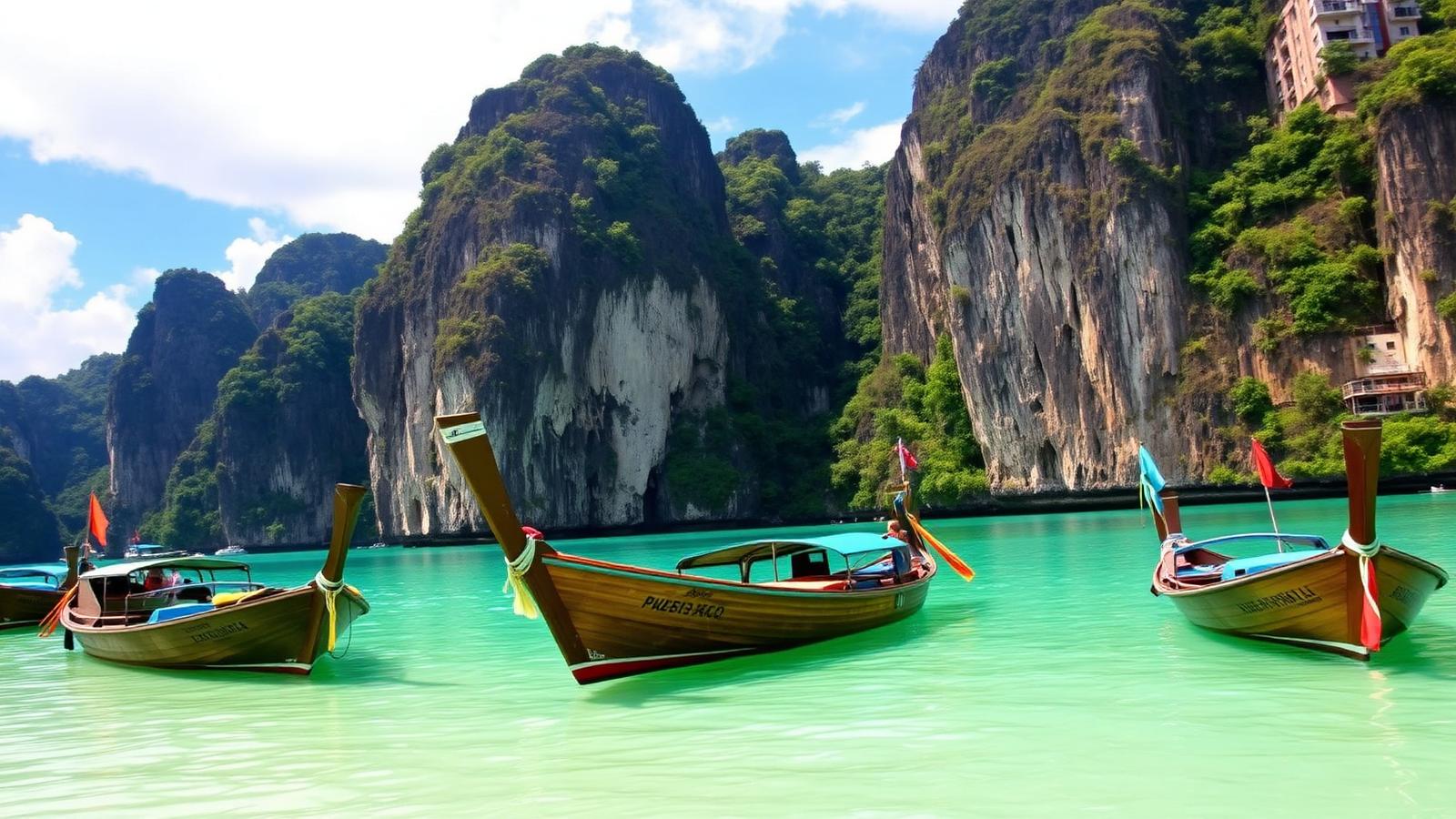
Beyond the city bay, Binh Dinh's coastline is spectacular and largely undiscovered. Twenty kilometres north across the Thi Nai bridge, the Nhon Ly peninsula holds Ky Co and Eo Gio — turquoise coves between granite boulders that would be world-famous in almost any other country. Hon Kho island offers clear snorkelling water a short boat ride offshore. Inland, the 12th-century Cham brick towers at Banh It and Thap Doi stand on hills above the rice fields, older than Angkor's later expansion and almost never crowded.
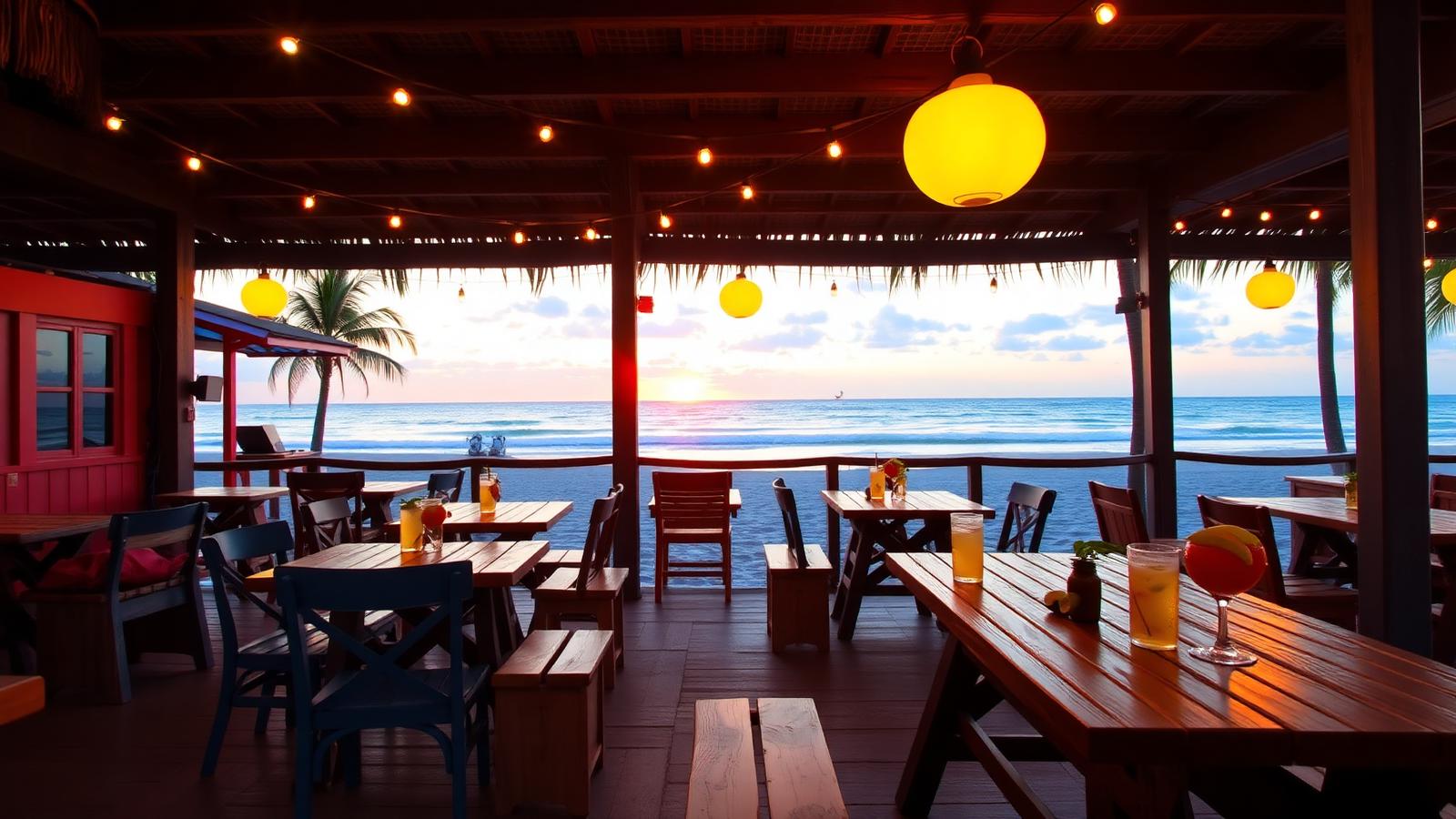
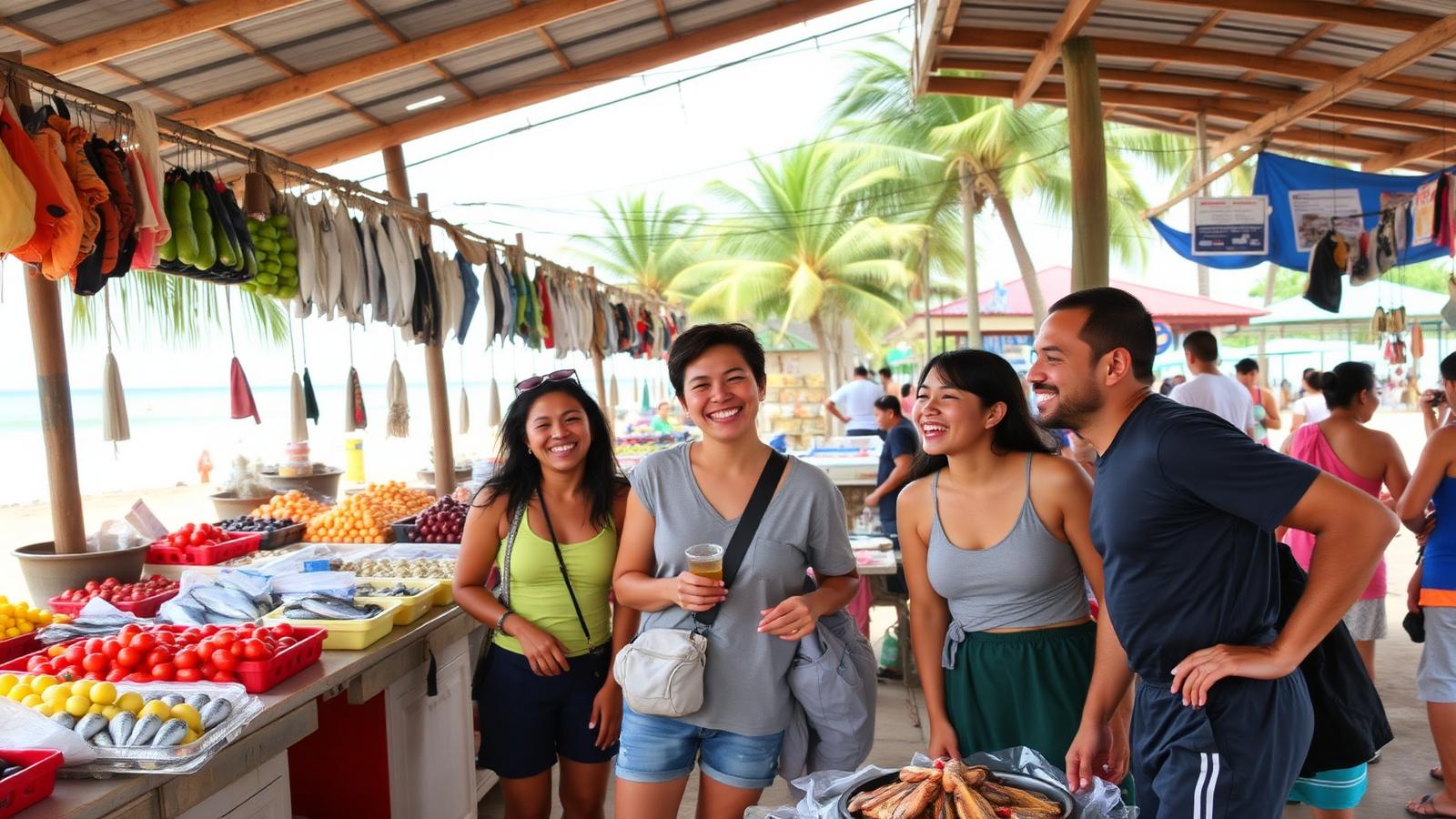
Living costs in Quy Nhon are among the lowest of any Vietnamese coastal city. The Central Market handles fish, herbs, fruit and dry goods at local prices; Co.opmart and Big C cover supermarket shopping; and the Xuan Dieu seafront strip serves grilled squid, steamed clams and the city's celebrated banh xeo tom nhay — crisp rice pancakes packed with jumping shrimp — for a few dollars a head. Bun cha ca, a fish-cake noodle soup, is the local breakfast. As a provincial capital, the city also has what smaller beach towns lack: general and specialist hospitals, several universities, banks, government offices and reliable trades.
Transport links have improved sharply. Phu Cat Airport is 35 kilometres north with daily flights to Hanoi and Ho Chi Minh City and a growing charter schedule; Dieu Tri station, twelve kilometres inland, is a main stop on the North–South railway, which makes overnight trains to Da Nang, Nha Trang and Saigon simple and cheap. Within the city, almost everything you need is walkable or a five-minute scooter ride.
The usual Vietnamese ownership caveats apply, and they matter more in a city than on a rural plot. Foreign individuals cannot hold land-use rights to landed residential property in their own name; the practical routes are a long-term lease, a Vietnamese company, or a spouse's name, and this should be structured with a Binh Dinh lawyer before any deposit is paid. Verify the red book, confirm the setback lines and any planned road widening on the block, and inspect the party walls — in dense townhouse rows, neighbours' construction is your structural business too.
For a buyer weighing value, this listing is a bet on a city rather than a resort. You get a solid, connected, immediately liveable three-bedroom house, a two-minute walk from one of Vietnam's best urban beaches, in a place with hospitals, an airport, a railway line and a university population, at a price that in Da Nang or Nha Trang would now buy a small apartment several kilometres inland.
Around the property
🏝️ The beach
Four-kilometre crescent city bay backed by a palm promenade
- Sand
- Deep golden sand, firm underfoot
- Water
- Sheltered blue-green bay with gentle waves
🍽️ Eat & drink nearby
- ·Xuan Diem and the Xuan Dieu seafront strip for grilled squid and steamed clams
- ·Banh xeo tom nhay — Quy Nhon's famous jumping-shrimp pancakes at Gia Vy
- ·Bun cha ca (fish cake noodle soup) stalls throughout the old quarter
- ·Beachfront cafes along the promenade for iced coffee and coconut
🛍️ Shops & markets
- ·Quy Nhon Central Market (Cho Lon) for fish, produce and dry goods
- ·Co.opmart and Big C Quy Nhon for supermarket shopping
- ·Nguyen Thai Hoc Street for electronics, hardware and homewares
✈️ Getting there
- ·Phu Cat Airport (UIH) — 35 km / 45 minutes by car
- ·Dieu Tri Railway Station on the North–South line — 12 km / 20 minutes
- ·Quy Nhon central bus station — 3 km / 8 minutes
- ·Everything in the city itself is walkable or a short scooter ride
🏄 Things to do
- ·Swimming and sunrise walks along the four-kilometre bay
- ·Day trips to Ky Co and Eo Gio — the turquoise coves on the Nhon Ly peninsula
- ·Exploring the 12th-century Cham towers of Banh It and Thap Doi
- ·Snorkelling and boat trips to Hon Kho island
- ·Seafood markets and the fishing harbour at dawn