The full story
Phu Quoc sits in the Gulf of Thailand off Vietnam's southwestern tip, closer to Cambodia than to Ho Chi Minh City, and it is the country's largest island — roughly the size of Singapore, with more than half its area under national park protection. This bungalow occupies a quiet garden plot in Ong Lang, the stretch of west coast between the airport and Cua Can that has stayed low-rise while the south of the island filled with large resorts. The house is 76 square metres of hardwood post-and-beam construction under a deep thatched roof, with a full-width covered veranda running along the front, a hammock slung at one end, and louvred doors that open the two bedrooms directly onto the garden. Inside are two bedrooms, two bathrooms, and a single open living and kitchen space finished in dark timber and pale plaster.
The plot is the other half of the value. Mature pepper vines climb their posts along one boundary — Phu Quoc pepper is a protected-origin product and among the best in the world — alongside mango, banana and a stand of coconut palms that keep the roof shaded through the hottest part of the day. A gravel lane runs three hundred metres from the gate down to the beach; you can carry a paddleboard to the water without putting it on a vehicle.
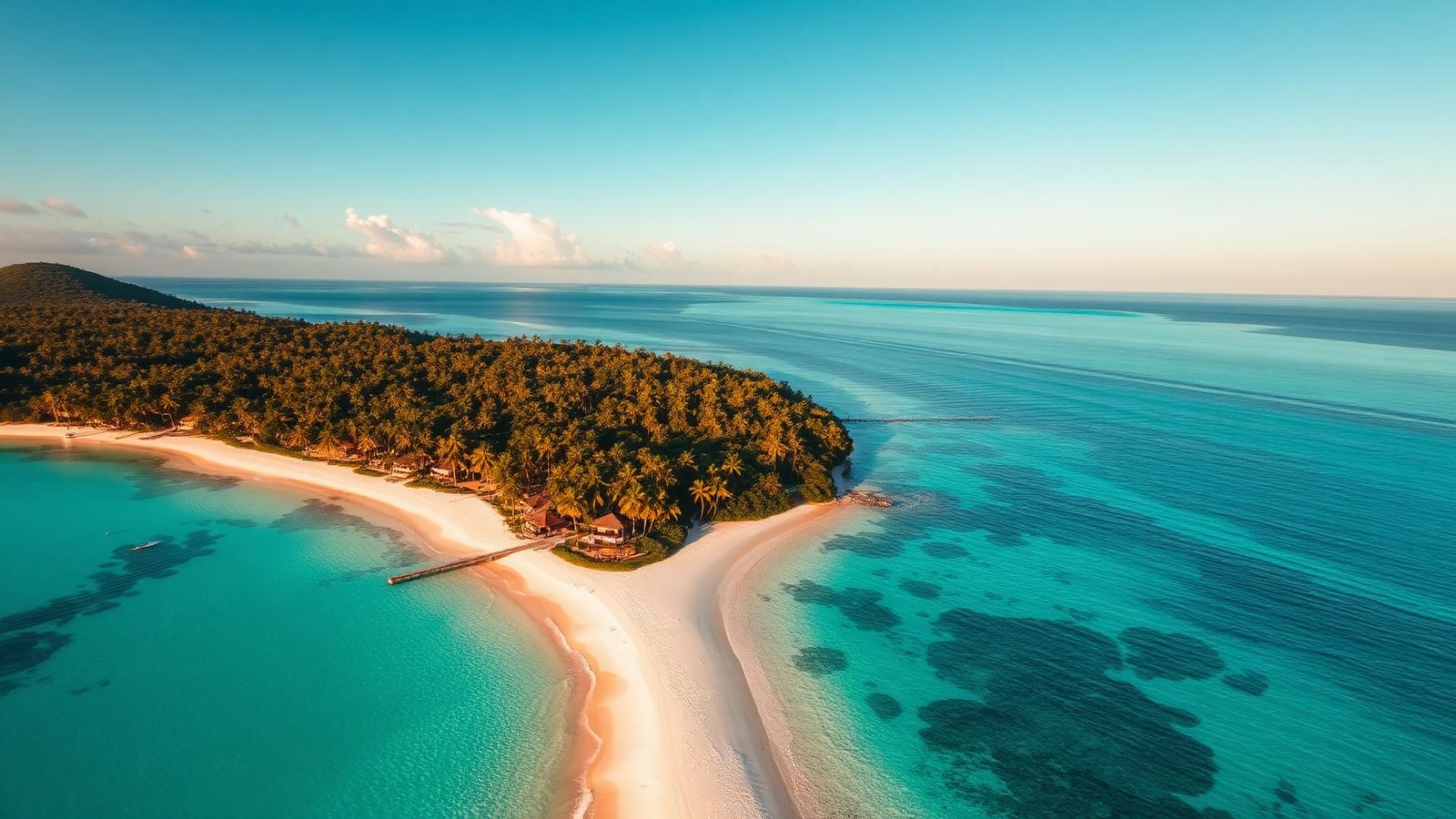
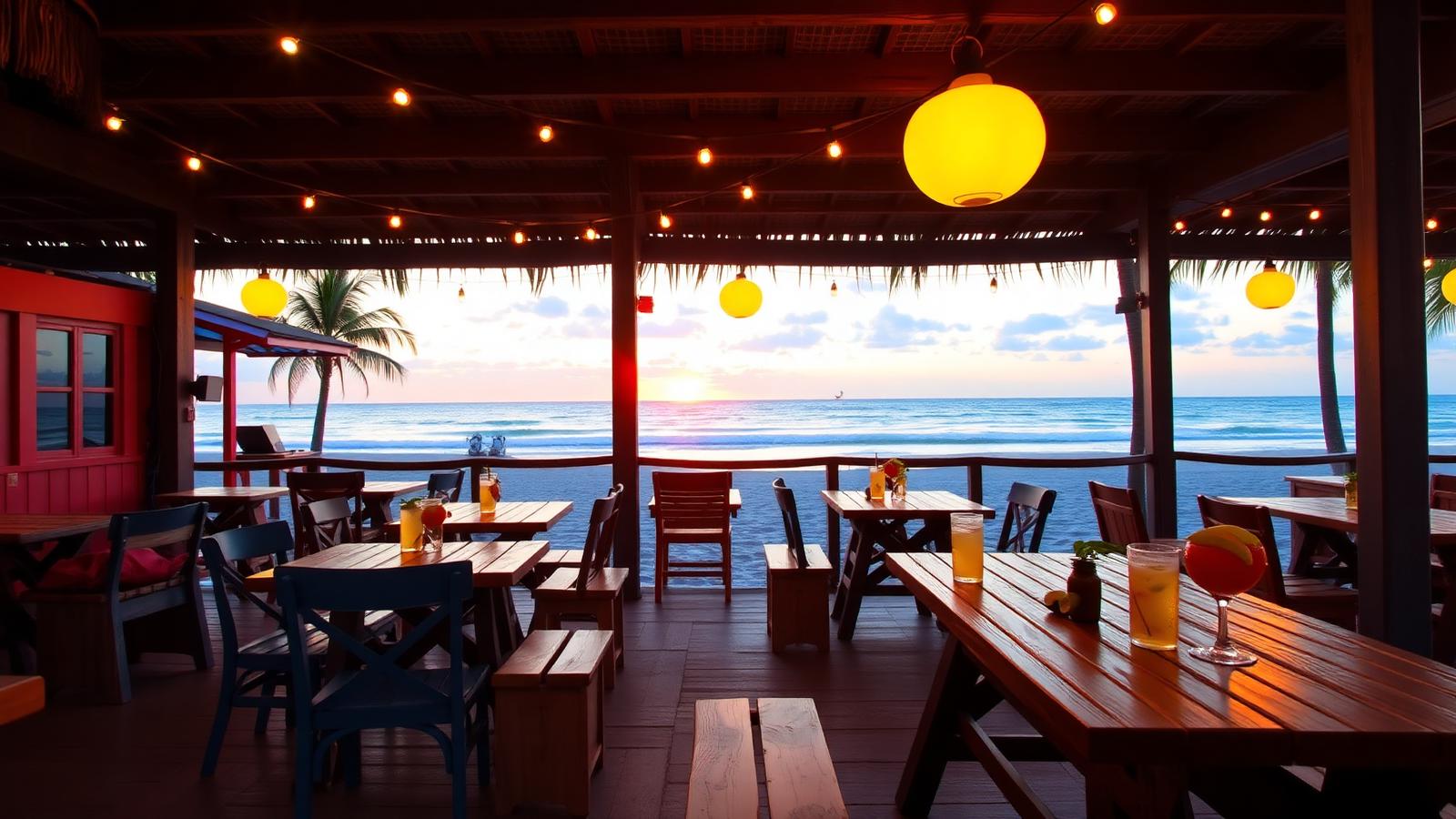
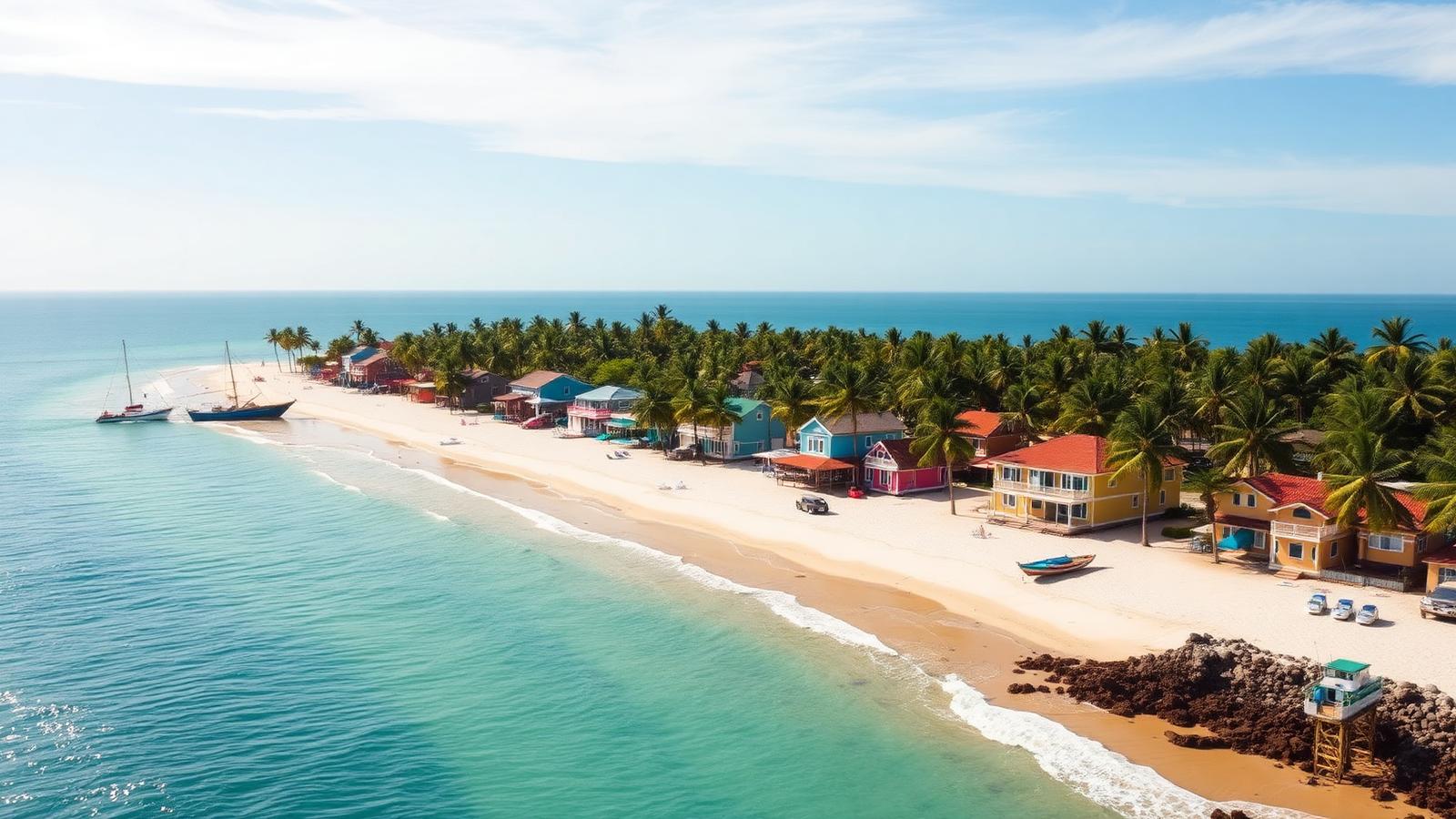
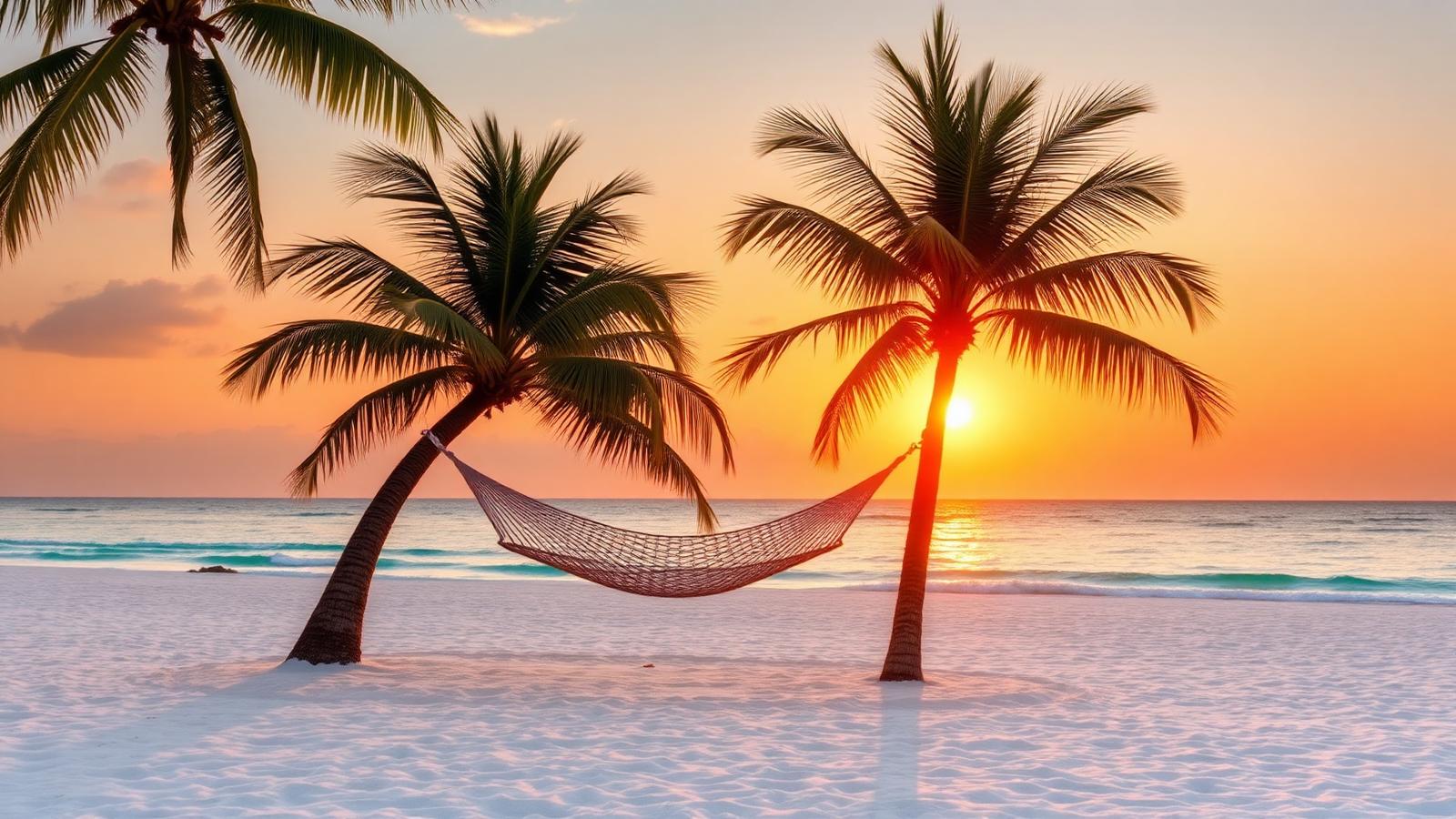
Ong Lang Beach is not a single continuous strip. It is a sequence of small sandy pockets separated by low rock and coral shelves, backed by shade trees and driftwood, and that fragmentation is exactly why the big developers went south instead. The water is calm and shallow, protected by the island's own bulk from the southwest monsoon swell, and it is at its clearest between November and May. Because the coast faces west, every evening delivers the sunset over open water that Phu Quoc's east-coast beaches simply cannot offer. Bars and barbecue shacks set up on the sand at dusk, grilling whole fish and squid, and by nine the beach is dark and quiet again.
Practically, Phu Quoc has one advantage almost no other affordable beach location in Asia can match: a standing 30-day visa exemption for foreign visitors arriving directly to the island. Combined with an international airport twenty minutes from this door — with direct flights to Ho Chi Minh City, Hanoi, Bangkok, Seoul and a rotating list of regional and charter destinations — that makes long, repeated stays administratively simple in a way that mainland Vietnam is not.
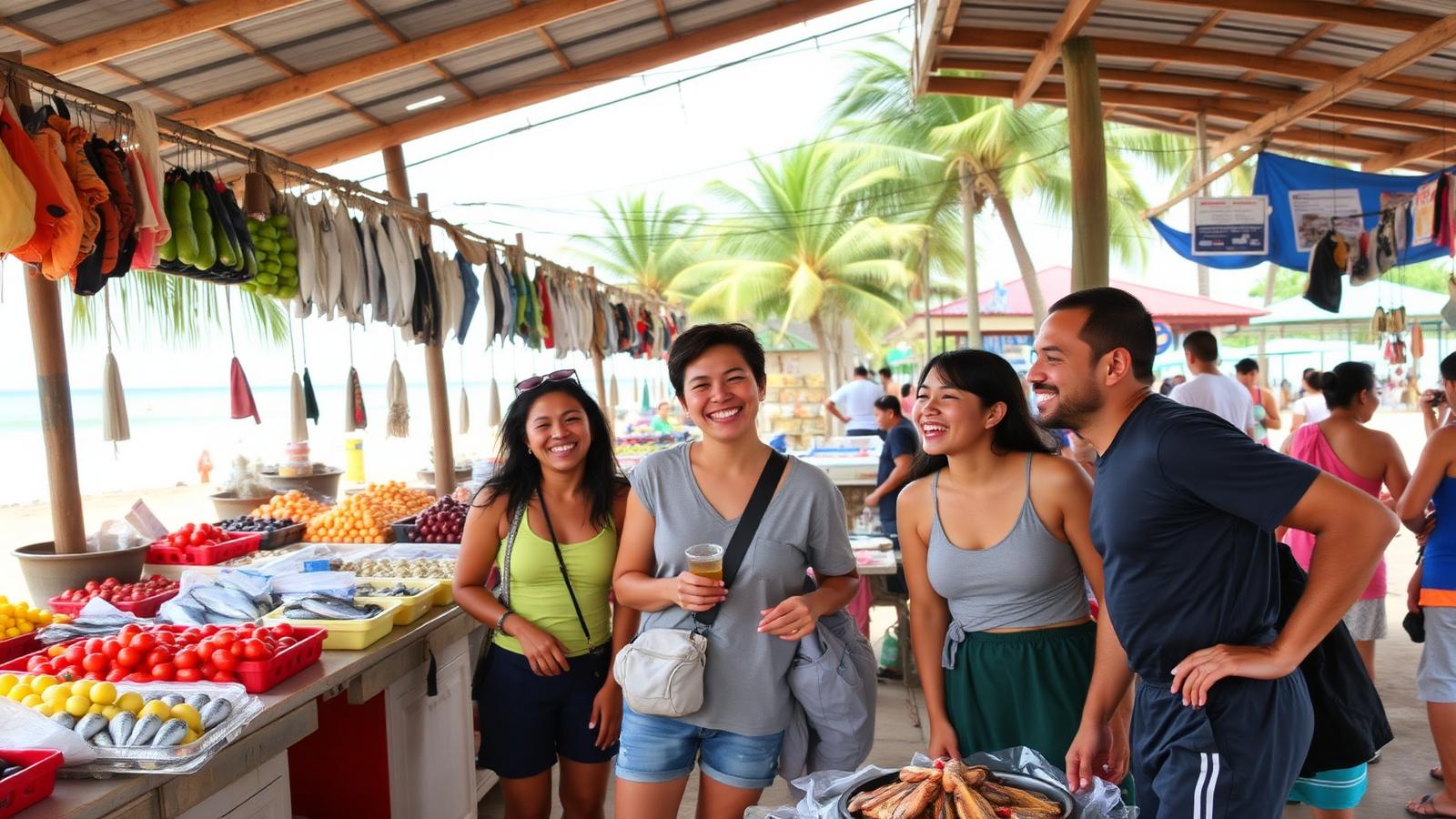
Daily life runs through Duong Dong, the island's main town, fifteen minutes away by scooter. Its morning market handles fish landed that night, herbs, tropical fruit and everything else; VinMart and Co.opmart cover imported staples; and the night market is a genuine island institution, serving herring salad, sea urchin and grilled seafood to locals and visitors alike. Between the house and town you will pass fish-sauce distilleries — Phu Quoc nuoc mam is the benchmark grade — and pepper farms that sell direct at the gate. There are clinics and a general hospital on the island, though anything serious is usually referred to Ho Chi Minh City, an hour's flight away.
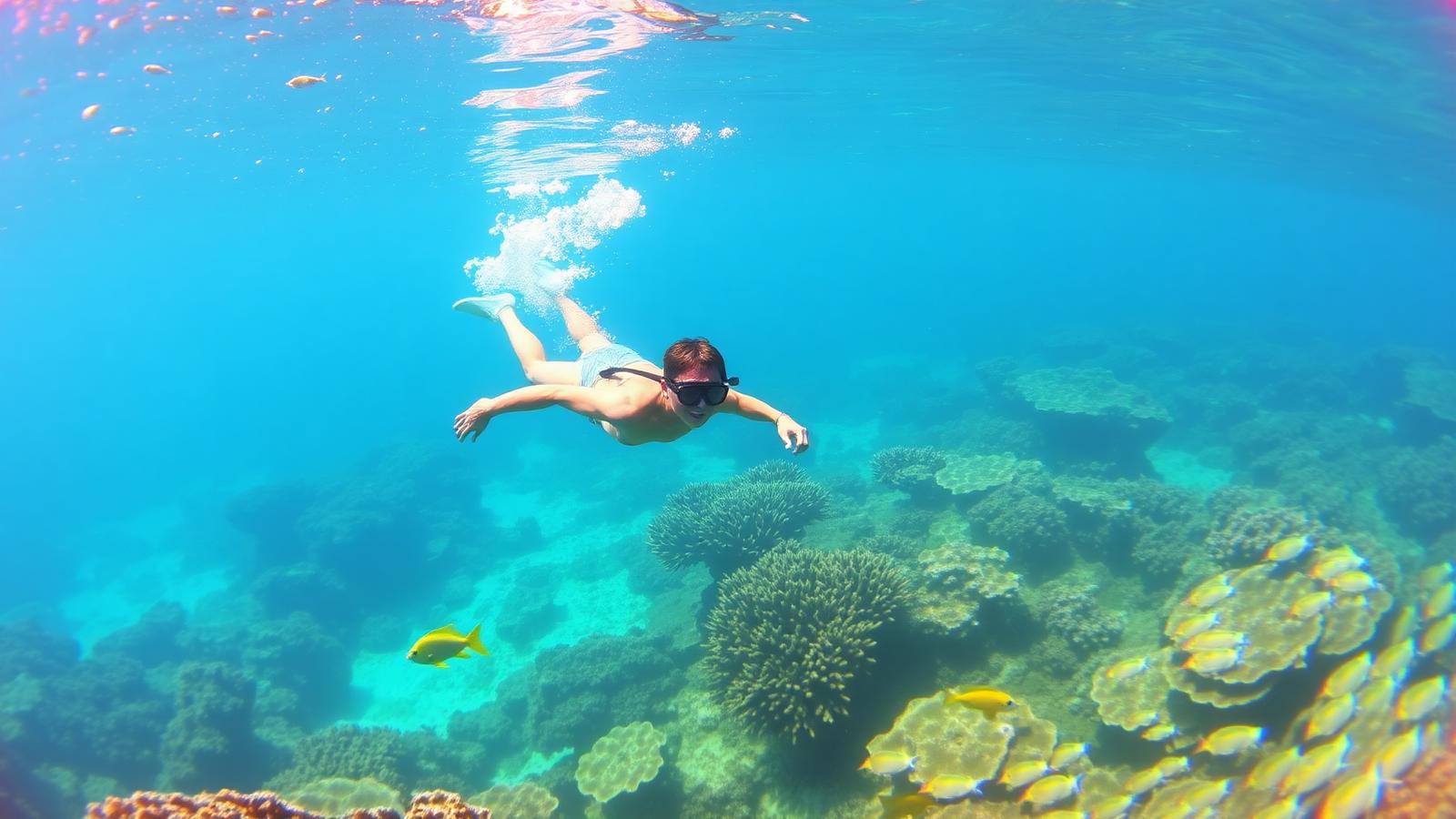
Beyond the beach, the island rewards exploration. The An Thoi archipelago in the south offers the clearest diving and snorkelling in Vietnamese waters. Phu Quoc National Park covers the northern interior with dense forest, streams and waterfalls, and cycling the inland pepper roads is a pleasant way to spend a morning. Local boats run fishing and squid trips out of Cua Can and Ham Ninh.
On the legal side, the same rules apply as everywhere in Vietnam: land-use rights cannot be held by foreign individuals for landed property, so acquisitions are structured through long-term lease agreements, Vietnamese company ownership, or a spouse. Phu Quoc has also seen aggressive land speculation over the past decade, which makes title verification more important here than almost anywhere else in the country — confirm the red book, the exact plot boundaries, the zoning classification, and whether any part of the land falls inside protected forest or a planned infrastructure corridor. Use a lawyer with specific Phu Quoc experience, not a generalist from the mainland.
Do that groundwork and this is a rare kind of property: a genuinely charming, genuinely tropical timber house on a fruiting garden plot, three hundred metres from a calm west-facing beach, twenty minutes from an international airport, on an island with an established expat community and a visa regime built for long stays — for less than the price of a parking space in most Western capitals.
Around the property
🏝️ The beach
Sheltered west-coast bay broken into small sandy pockets by rock and coral
- Sand
- Warm pale-gold sand with driftwood and shade trees
- Water
- Calm, shallow and famously clear from November to May
🍽️ Eat & drink nearby
- ·Ong Lang beach bars and barbecue shacks serving whole grilled fish at sunset
- ·Duong Dong night market for herring salad, sea urchin and fresh squid
- ·Local com tam and bun quay kitchens along the Ong Lang road
- ·Cafes and bakeries serving Phu Quoc pepper-crusted dishes and island coffee
🛍️ Shops & markets
- ·Duong Dong market for daily fish, produce and household goods
- ·VinMart and Co.opmart Phu Quoc for supermarket staples and imports
- ·Pepper farms and fish-sauce distilleries selling direct at farm gate prices
- ·Phu Quoc night market stalls for pearls, spices and street food
✈️ Getting there
- ·Phu Quoc International Airport (PQC) — 15 km / 20 minutes by car
- ·Duong Dong town centre — 8 km / 15 minutes by scooter
- ·Bai Vong ferry port for Rach Gia and Ha Tien crossings — 25 km
- ·Direct flights to Ho Chi Minh City, Hanoi and regional Asian capitals
🏄 Things to do
- ·Sunset swimming and paddleboarding off Ong Lang's calm bay
- ·Snorkelling and diving trips to the An Thoi archipelago
- ·Cycling the pepper-farm and fish-sauce trails inland
- ·Trekking in Phu Quoc National Park, half the island's protected forest
- ·Fishing trips with local boats out of Cua Can