The full story
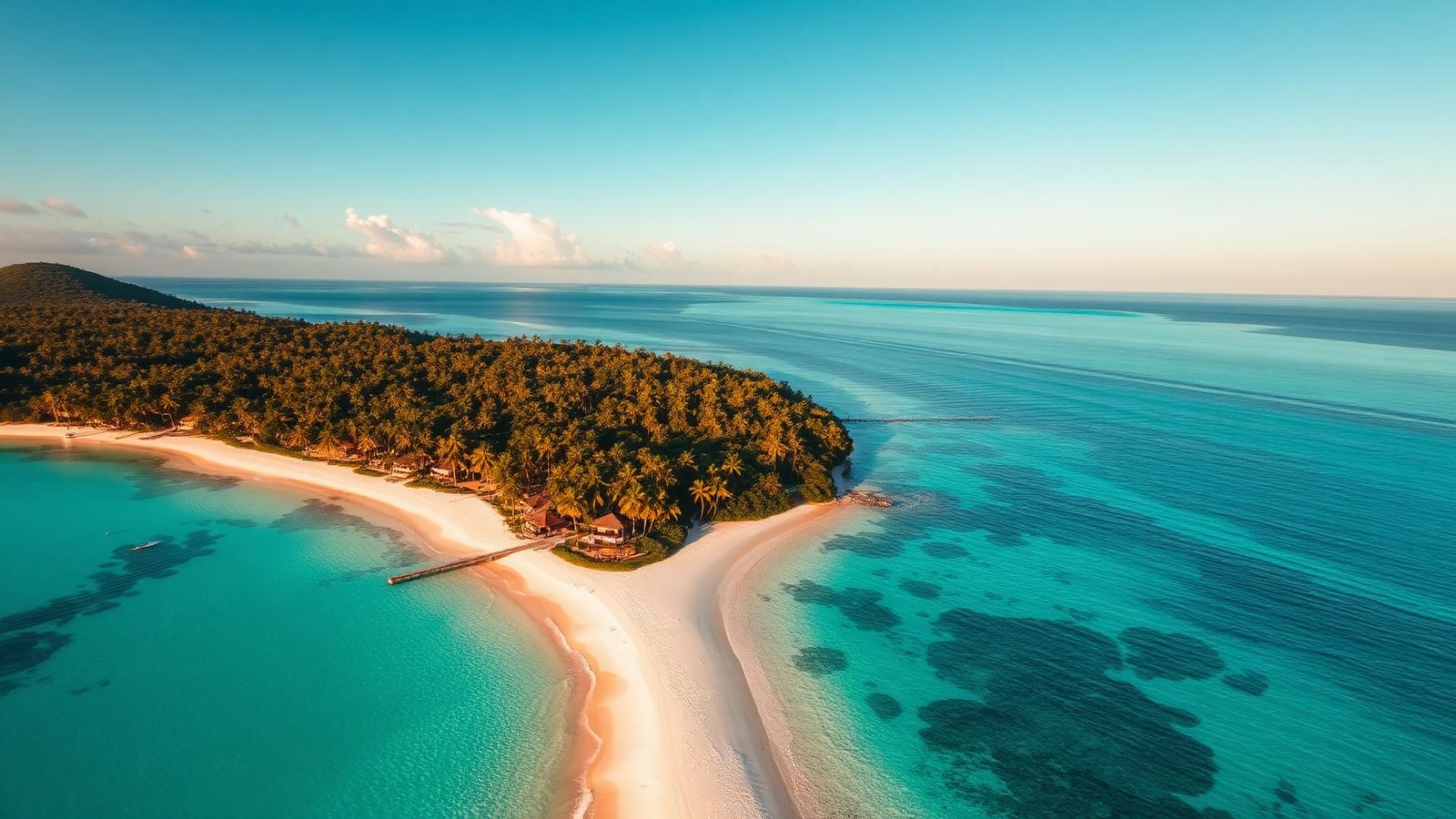
Chintsa East is one of those Wild Coast villages that manages to feel both remote and comfortable at the same time. It sits on the Eastern Cape shoreline about forty-five minutes north of East London, at the end of a green dirt road that winds down through indigenous coastal forest and out to a ten-kilometre curve of empty golden sand. This three-bedroom, 110 square-metre cottage occupies a big, established block on the village side of the dunes — a short walking track and a shell-strewn footbridge across the Chintsa River separate you from the beach itself.
The house is a comfortable, honest South African coastal build: whitewashed plaster over brick, a green corrugated iron roof, wide covered verandahs on two sides, and jarrah-look yellowwood floors inside. There are three bedrooms and two bathrooms, an open-plan kitchen and living area centred on a slow-combustion fireplace, and big sliding glass doors that open onto a north-east deck facing the sunrise. Rainwater tanks, a JoJo tank for backup supply, a solar geyser and an inverter-plus-battery setup mean the house rides out most of South Africa's load shedding without noticing. The garden is planted almost entirely in indigenous coastal species — strelitzia, aloes, wild plum, milkwood — and attracts hoopoes, sunbirds and knysna turacos daily.
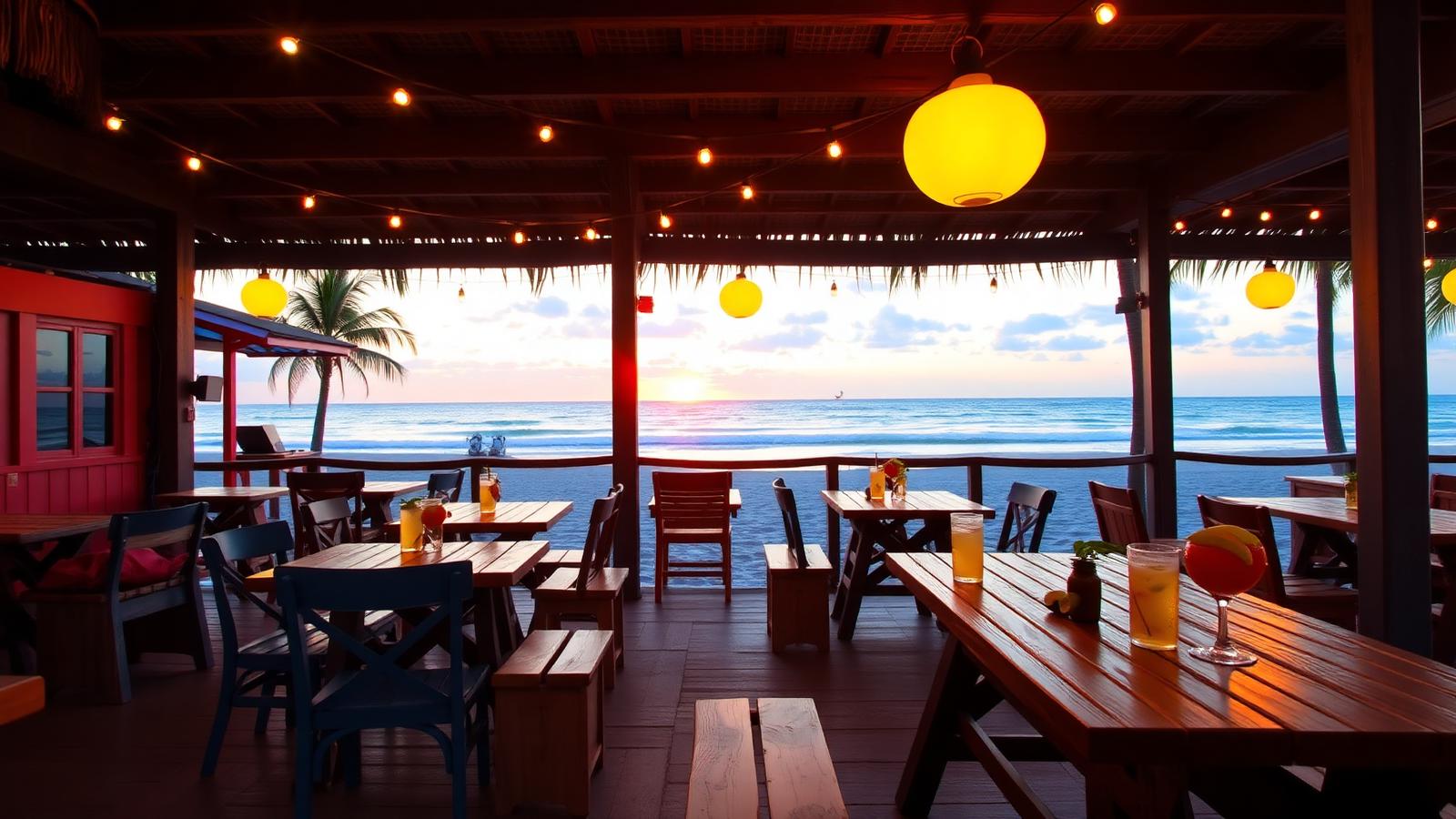
Foreign nationals can buy freehold property in South Africa without restrictions, and Chintsa East is a well-established market with a mix of local, national and international owners. The village has a small general store, a well-stocked farm stall, several excellent cafés and restaurants (the Barefoot Cafe, Papazela's Pizzas, Beach Break) and a friendly community centred around the surf club and horse-riding stables. East London's international airport handles daily flights to Johannesburg, Cape Town and Durban; the drive in is about 45 minutes on tarred road.
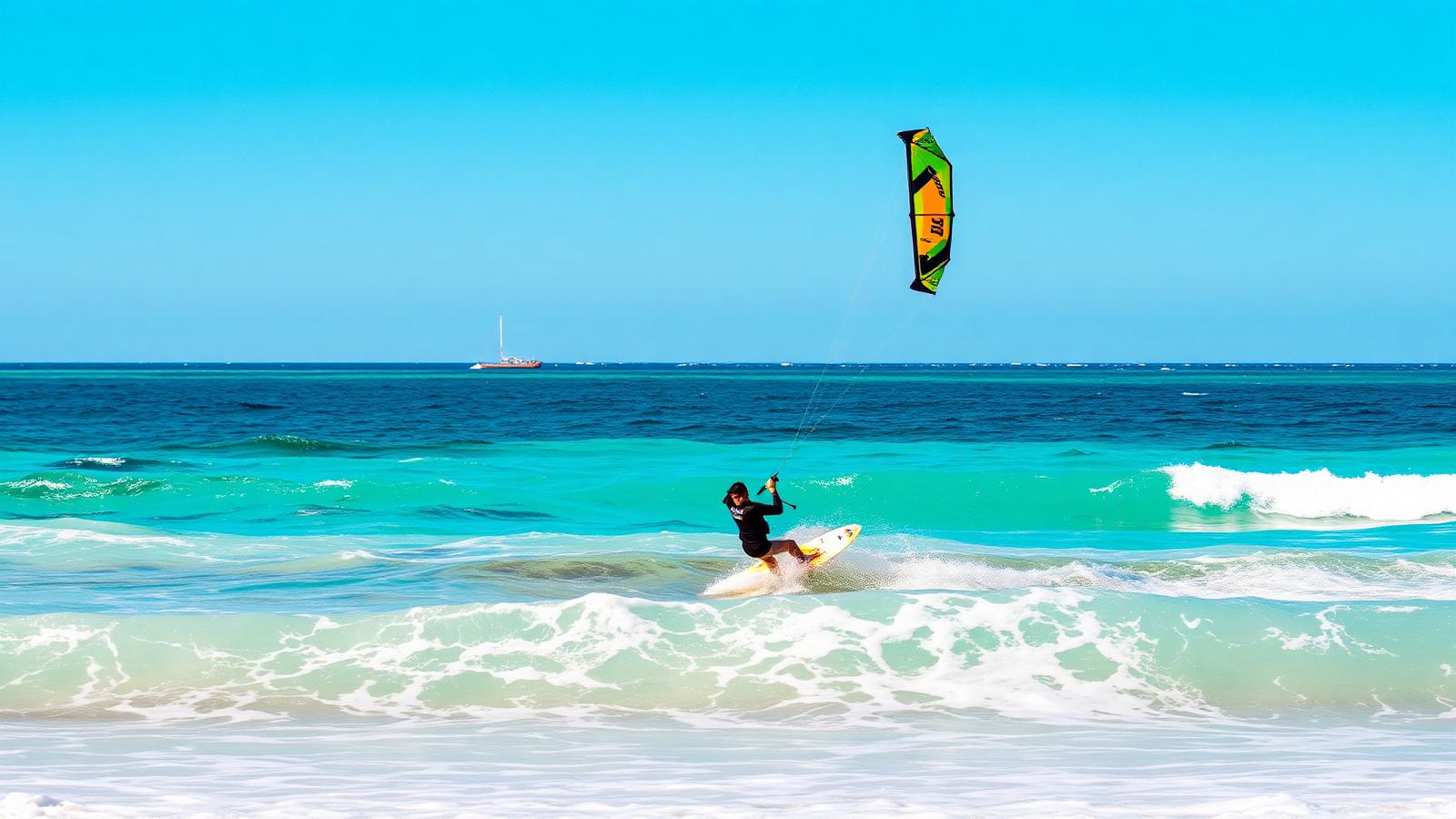
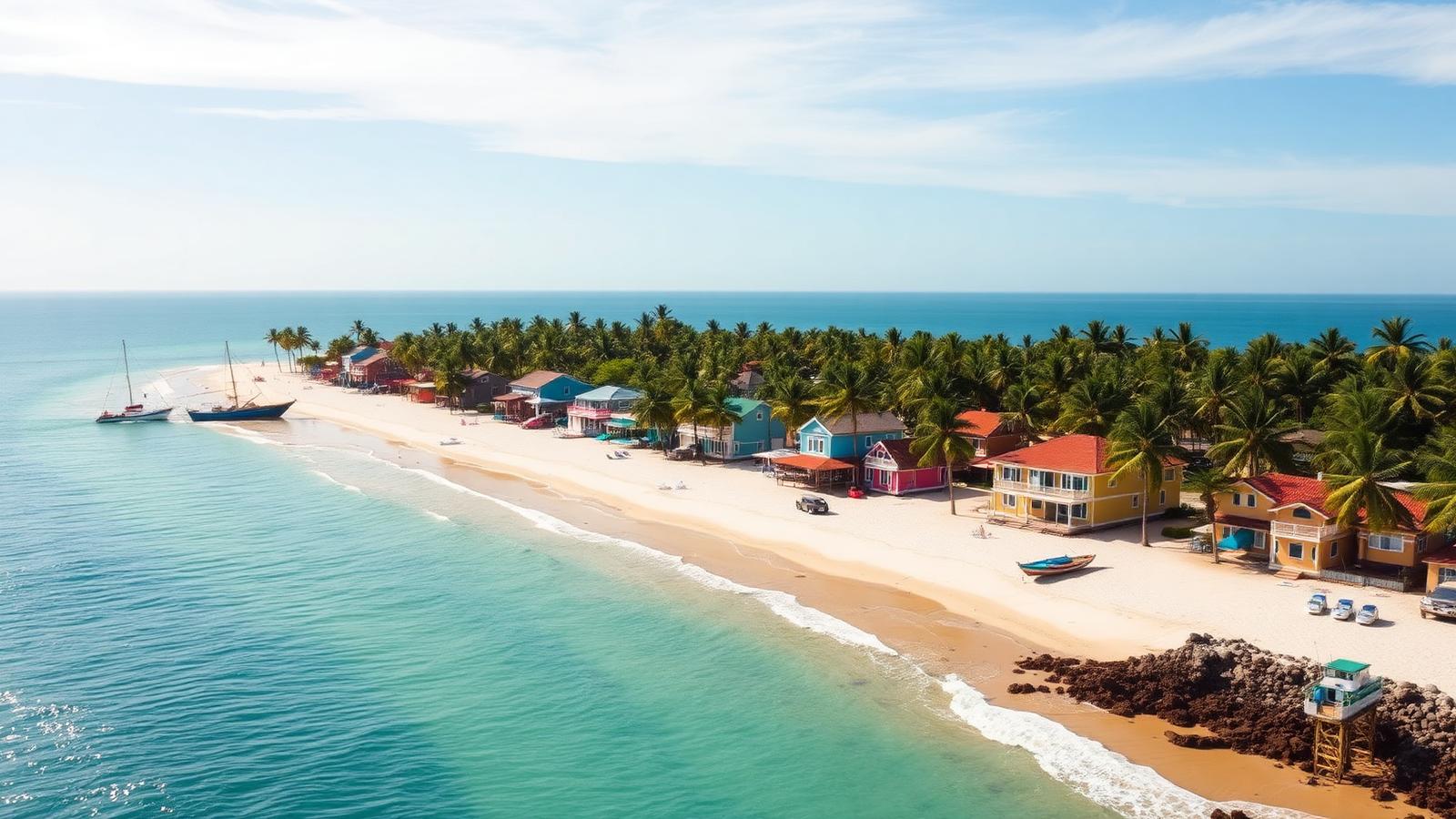
The beach is the reason people come. It's a wide, clean crescent of golden sand, backed by high vegetated dunes and separated from the next inhabited bay by hours of walking. Swimming is generally safe at the river mouth end; the wider beach is popular with surfers, longboarders, kite-flyers and horse-riders. Bottlenose and common dolphins pass daily; the annual sardine run brings whales, sharks and thousands of birds close inshore between June and August. Life in Chintsa is slow, warm, and cheap by international standards — a very reachable way into the South African coast.
Around the property
🏝️ The beach
10 km empty Wild Coast crescent beach
- Sand
- Fine golden sand with shell fragments
- Water
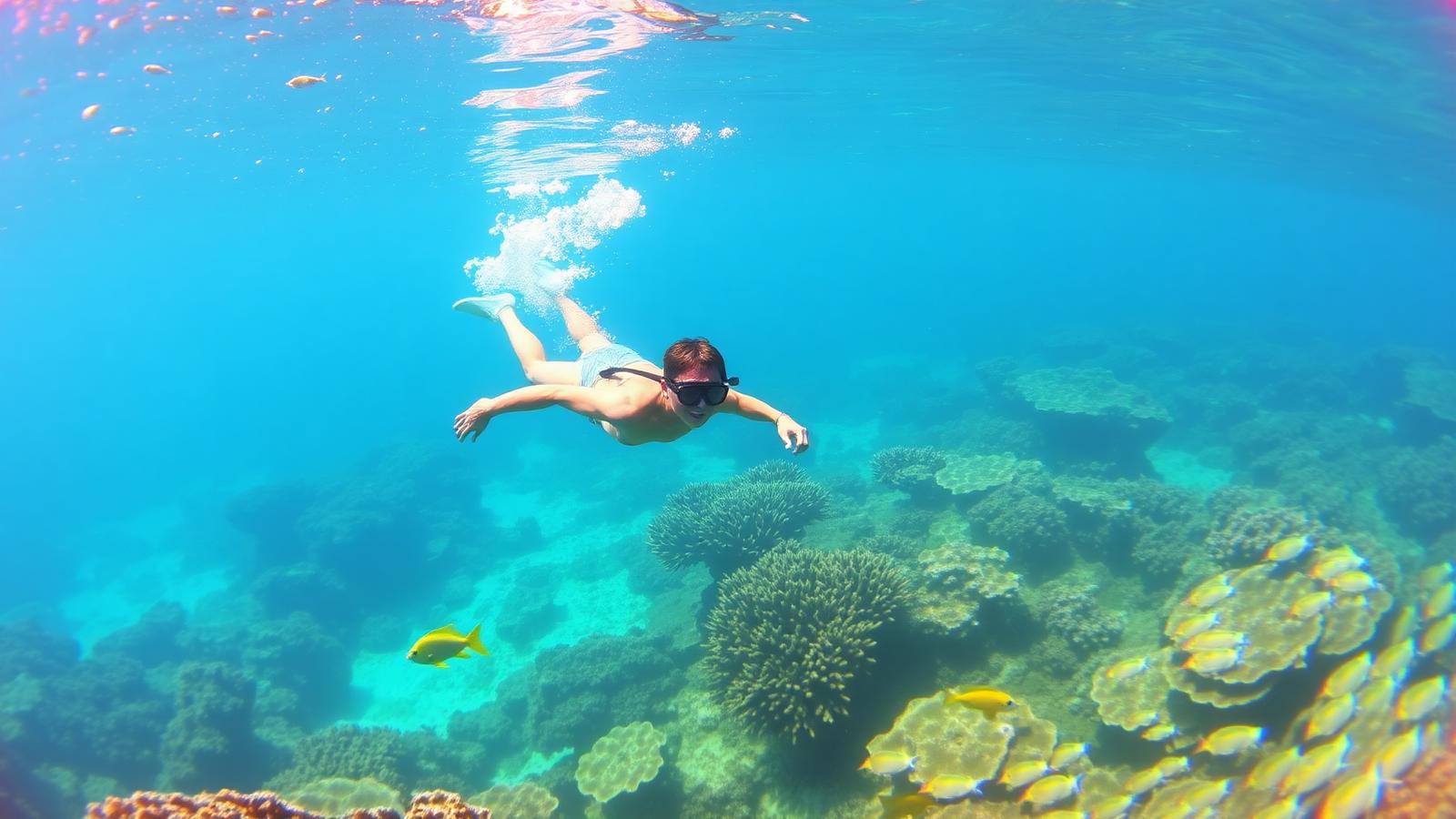
- Warm Indian Ocean, moderate surf, generally safe at the river mouth
🍽️ Eat & drink nearby
- ·Barefoot Cafe on the beach path
- ·Papazela's Pizzas
- ·Beach Break restaurant
- ·Michaela's at Chintsa for weekend lunch
🛍️ Shops & markets
- ·Chintsa Village Store
- ·Emerald Vale Brewery farm stall
- ·East London Hemingways Mall - 45 mins
- ·Beacon Bay farmers markets
✈️ Getting there
- ·East London Airport (ELS) - 45 km / 45 mins
- ·N2 highway to Durban - 6 hrs north
- ·Port Elizabeth (Gqeberha) - 3 hrs south
- ·Local Chintsa shuttle to East London
🏄 Things to do
- ·Swimming and surfing at Chintsa Beach
- ·Horse riding on the beach with Buccaneers
- ·Emerald Vale Brewery visits
- ·Bird watching in the estuary
- ·Whale and dolphin watching
- ·Inkwenkwezi private game reserve day trip