The full story
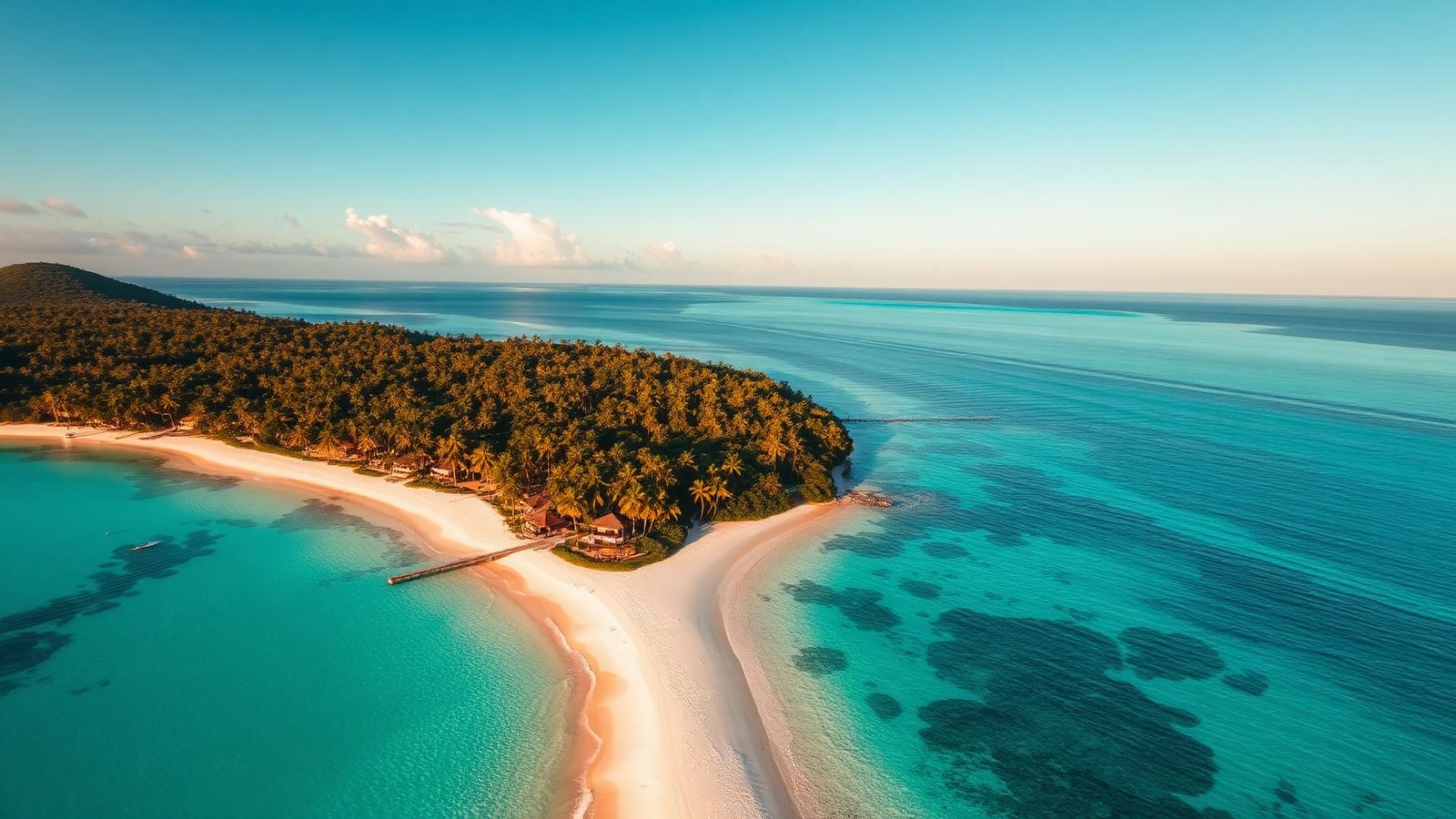
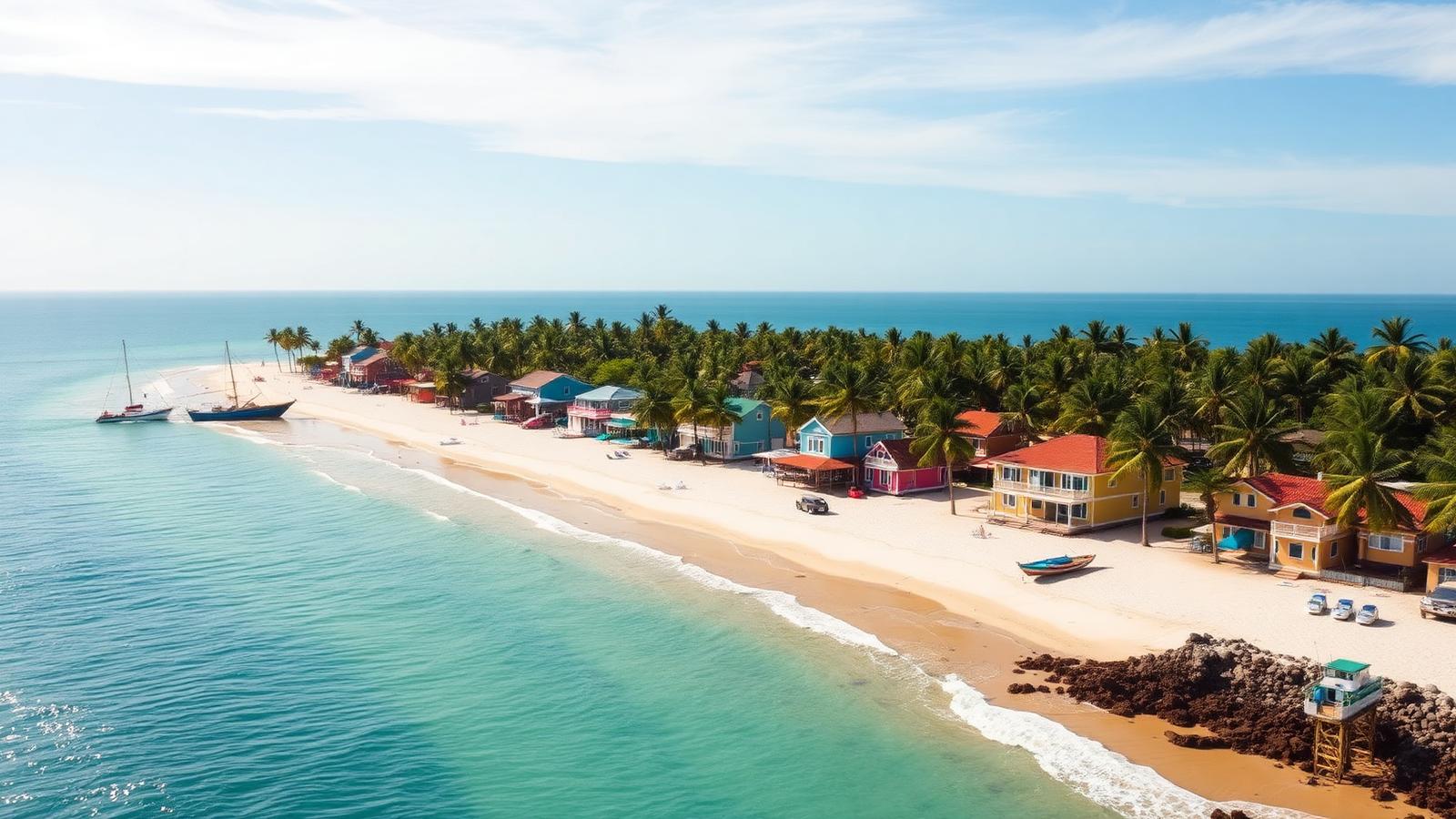
Struisbaai is the fishing village at the bottom of Africa. Ten minutes east of Cape Agulhas — the actual southernmost point of the continent, where the Atlantic and Indian oceans are declared to meet — it fronts a fourteen-kilometre arc of white sand that is the longest uninterrupted beach in the southern Cape. The village itself is a low, whitewashed cluster of fisherman's cottages, a small harbour, a caravan park and not much else, which is exactly its appeal. This three-bedroom cottage sits three streets back from the dunes.
The house is Cape vernacular in style: whitewashed plaster walls, blue-painted timber window frames, a steep roof, and a covered stoep across the front where most of the living happens in summer. Inside the 115 square metres are three bedrooms, two bathrooms, an open-plan kitchen and living room built around a slow-combustion fireplace, and a small enclosed sunroom. Floors are screeded and sealed. A JoJo rainwater tank, solar geyser and inverter with batteries keep the house running through load shedding and the region's periodic water restrictions. The garden is planted in indigenous fynbos and needs almost no watering.
Foreign nationals can own South African property freehold without restriction, the conveyancing process is mature and well regulated, and transfer takes roughly two to three months through an attorney. Transfer duty is levied on a sliding scale with a generous zero-rated band at the lower end, which most Struisbaai cottages sit inside or near. Rates and taxes in the Cape Agulhas municipality are among the lowest in the Western Cape.
Struisbaai and neighbouring L'Agulhas together provide the essentials: a supermarket, a pharmacy, a doctor, a hardware store, a couple of good restaurants and a bakery. Bredasdorp, twenty minutes inland, has larger shops, a hospital and the regional services. Cape Town's international airport is a comfortable two and a half hour drive up the N2, and the Overberg's wine, wheat and whale-watching country lies in between.
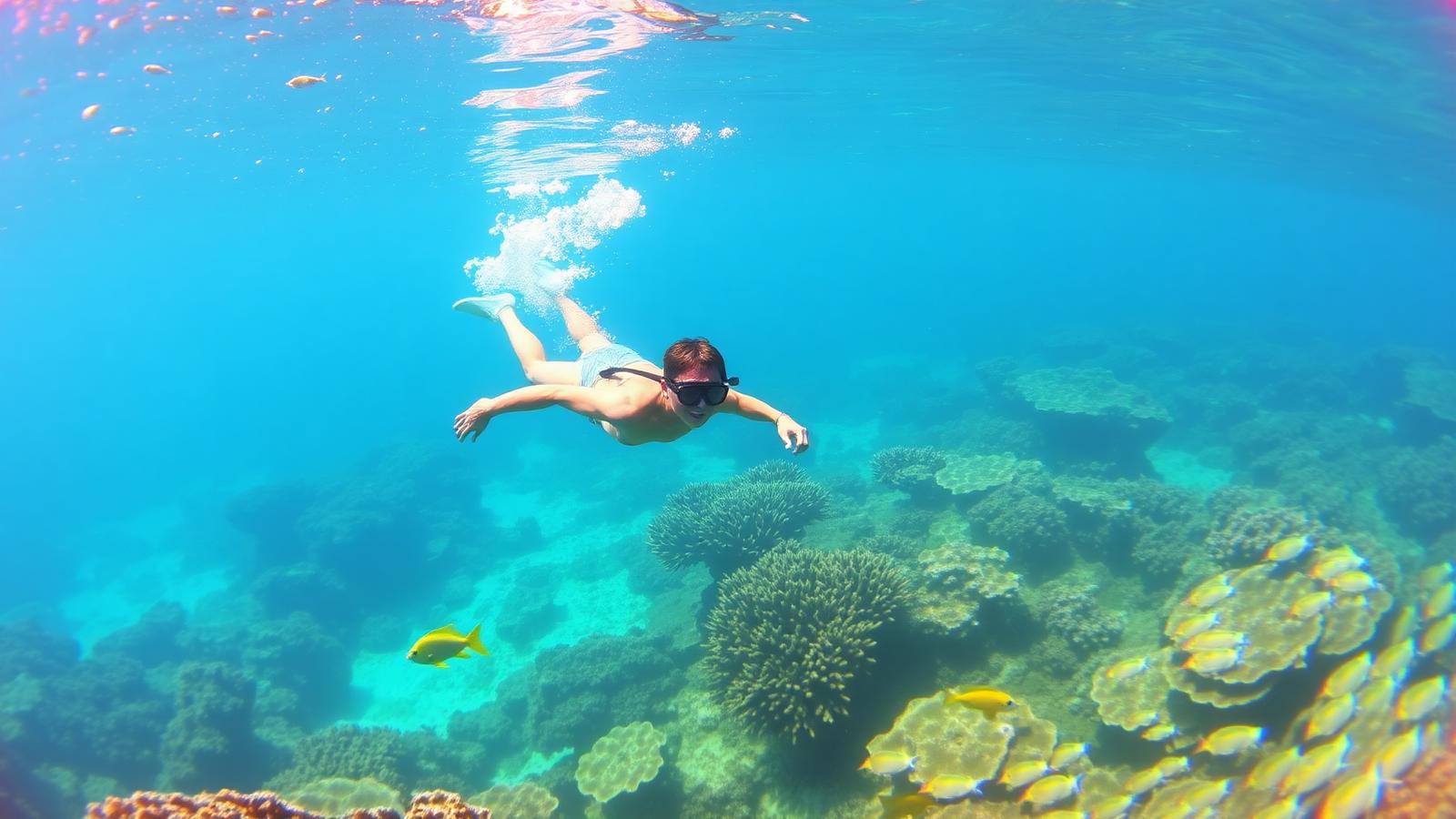
The beach is the star: white, wide, and so long that on a weekday you may see nobody. Swimming is safe in the sheltered corner near the harbour, and the harbour itself is famous for the enormous short-tail stingrays that cruise the shallows between the fishing boats and take handouts from the slipway. Fishing is serious business here — kob, steenbras and yellowtail from the shore and the ski-boats. Southern right whales calve in these bays between June and November, De Hoop Nature Reserve is an hour east with some of the best land-based whale watching on earth, and the Agulhas National Park fynbos behind the village is full of birds. It is quiet, cheap, spectacular, and very South African.
Around the property
🏝️ The beach
14 km white sand beach with a sheltered harbour corner
- Sand
- Fine bright white sand
- Water
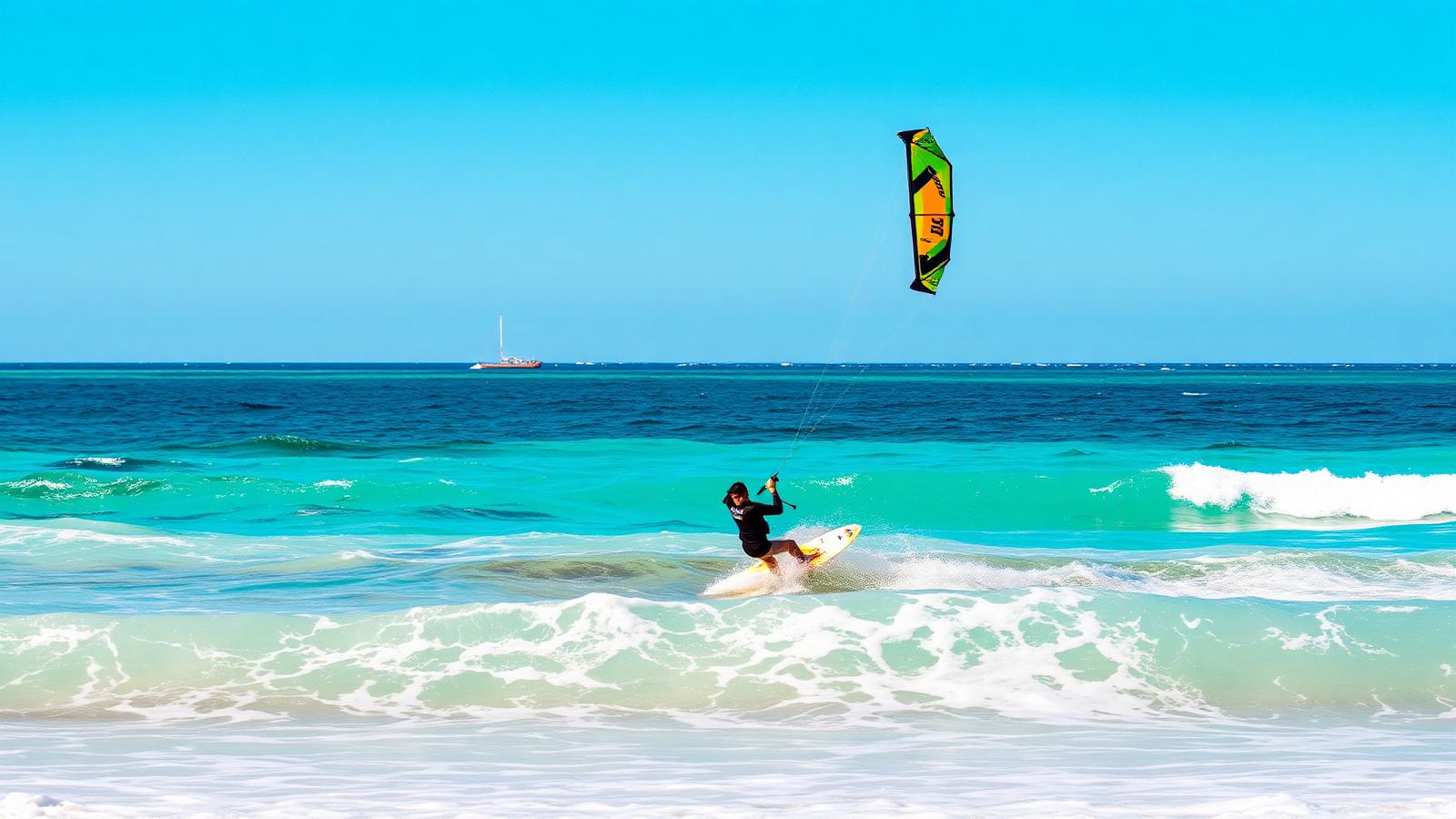
- Cool Indian Ocean, 15-21C, calm in the harbour bay, surf along the open beach
🍽️ Eat & drink nearby
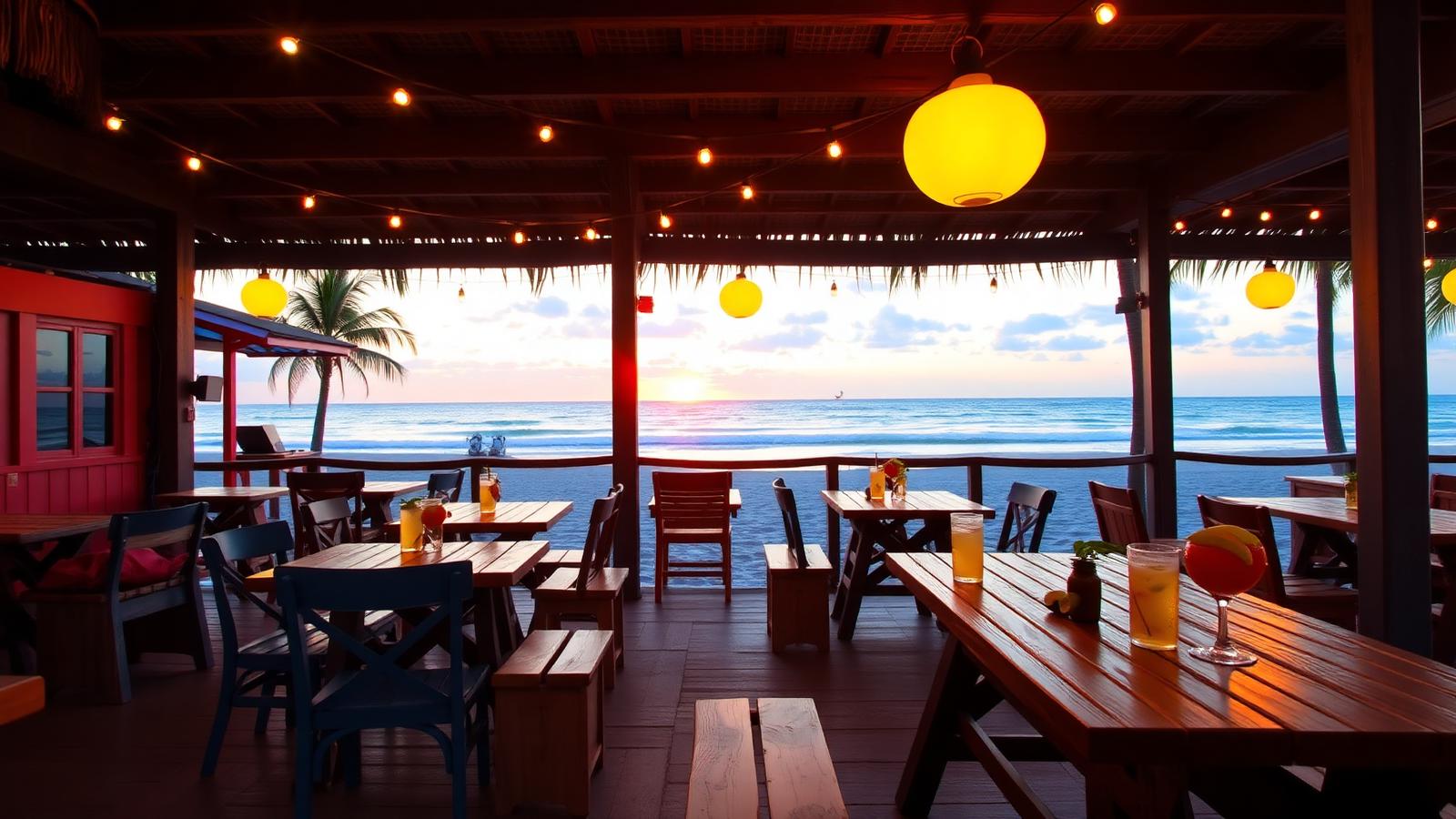
- ·Pelican's Harbour Cafe at the slipway
- ·Struisbaai Fish Deli
- ·Sea Shack at L'Agulhas
- ·Zuidste Kaap restaurant
🛍️ Shops & markets
- ·Struisbaai Spar
- ·Bredasdorp shops and hospital - 20 mins
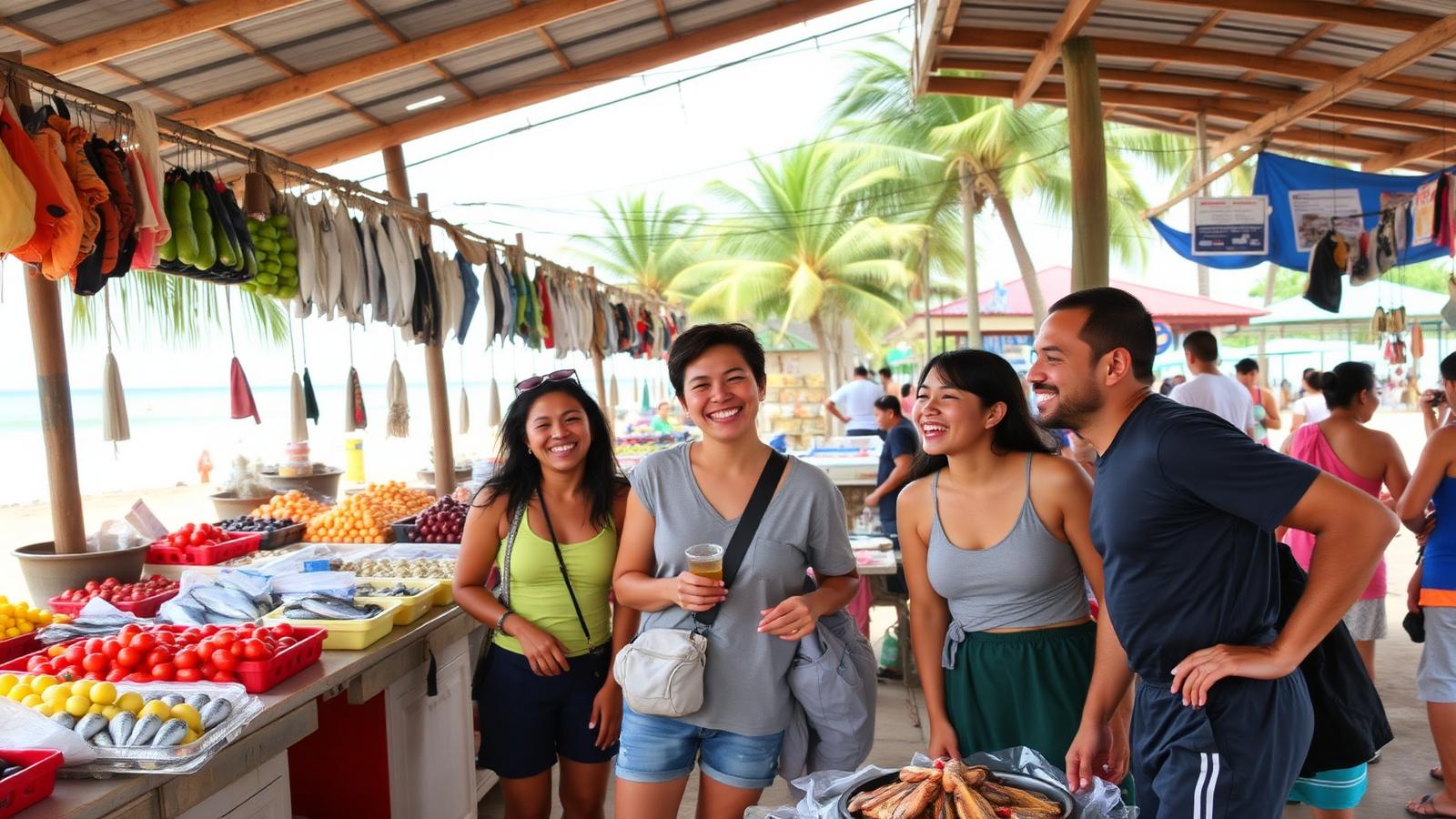
- ·Harbour fish sales from the boats
- ·Weekend craft market in L'Agulhas
✈️ Getting there
- ·Cape Town (CPT) airport - 220 km / 2 hrs 30
- ·N2 via Caledon and Bredasdorp
- ·Bredasdorp regional hub - 20 mins
- ·Hermanus - 1 hr 30
🏄 Things to do
- ·Walking the 14 km beach
- ·Feeding the harbour stingrays
- ·Shore and ski-boat fishing
- ·Cape Agulhas southernmost point
- ·Whale watching at De Hoop
- ·Fynbos hiking in Agulhas National Park